Mediterranean Bean Salad: A Nutritional Analysis of Meal Prep Staples and Dietary Trends

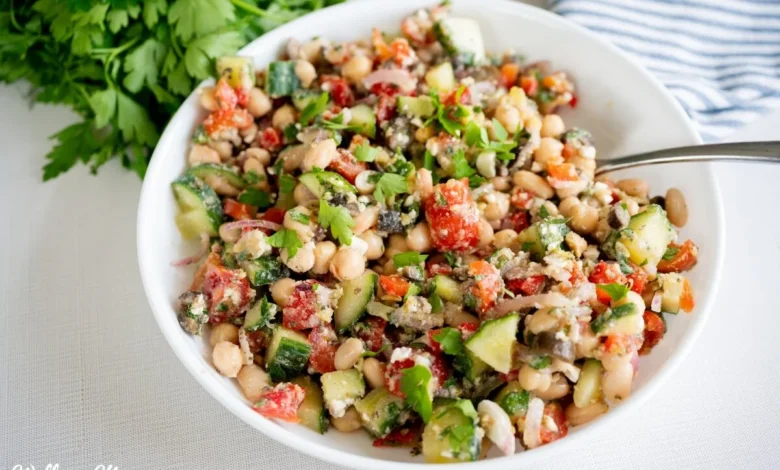
The rise of the "meal prep" movement has shifted culinary focus toward dishes that offer both nutritional density and longevity in storage. Among the most versatile candidates in this category is the Mediterranean bean salad, a dish that has gained traction for its reliance on shelf-stable legumes and fresh, crisp vegetables. Unlike traditional green salads, which are prone to rapid wilting and oxidation, bean-based salads offer a robust structural profile that allows them to remain palatable for several days. This longevity makes them a focal point for dietitians and busy professionals alike who prioritize high-fiber, plant-forward diets within constrained schedules.
Historical Context and Nutritional Profile
The Mediterranean diet has been extensively studied since the 1960s, most notably through the Seven Countries Study, which identified a correlation between the dietary patterns of Mediterranean populations and reduced instances of cardiovascular disease. The inclusion of legumes—such as chickpeas (garbanzo beans) and cannellini beans—is a cornerstone of this nutritional framework. These legumes provide a substantial source of complex carbohydrates, plant-based protein, and dietary fiber, which assist in glycemic control and sustained energy release.
A standard one-cup serving of a well-balanced Mediterranean bean salad typically contains approximately 200 calories, with a notable profile of 6 grams of fiber and 8 grams of protein. From a micronutrient perspective, the combination of tomatoes, bell peppers, and fresh herbs provides a significant intake of Vitamin C and Vitamin A. The inclusion of extra virgin olive oil serves as the primary source of monounsaturated fats, specifically oleic acid, which is widely recognized for its anti-inflammatory properties.
The Science of Longevity in Culinary Preparation
The primary challenge in meal preparation is maintaining texture and flavor integrity over time. Leafy greens often lose their crispness due to moisture absorption from dressings, a process known as osmosis. In contrast, the Mediterranean bean salad utilizes high-density ingredients—chickpeas, cannellini beans, cucumbers, and peppers—that do not readily collapse under the pressure of a vinaigrette.
Culinary experts note that the marination process actually enhances the flavor profile of this specific dish. When beans and vegetables are allowed to rest in an acidic dressing, typically composed of lemon juice and olive oil, the salt and acid penetrate the cellular structure of the ingredients. This process, often referred to as "flavor development," results in a more cohesive dish after 12 to 24 hours of refrigeration. For home chefs, this means that the effort invested in preparation on a Sunday can yield a high-quality product that remains consistent until Thursday or Friday.
Components of the Mediterranean Bean Salad
A standard assembly of this dish involves three primary categories: the base, the aromatics, and the emulsion.
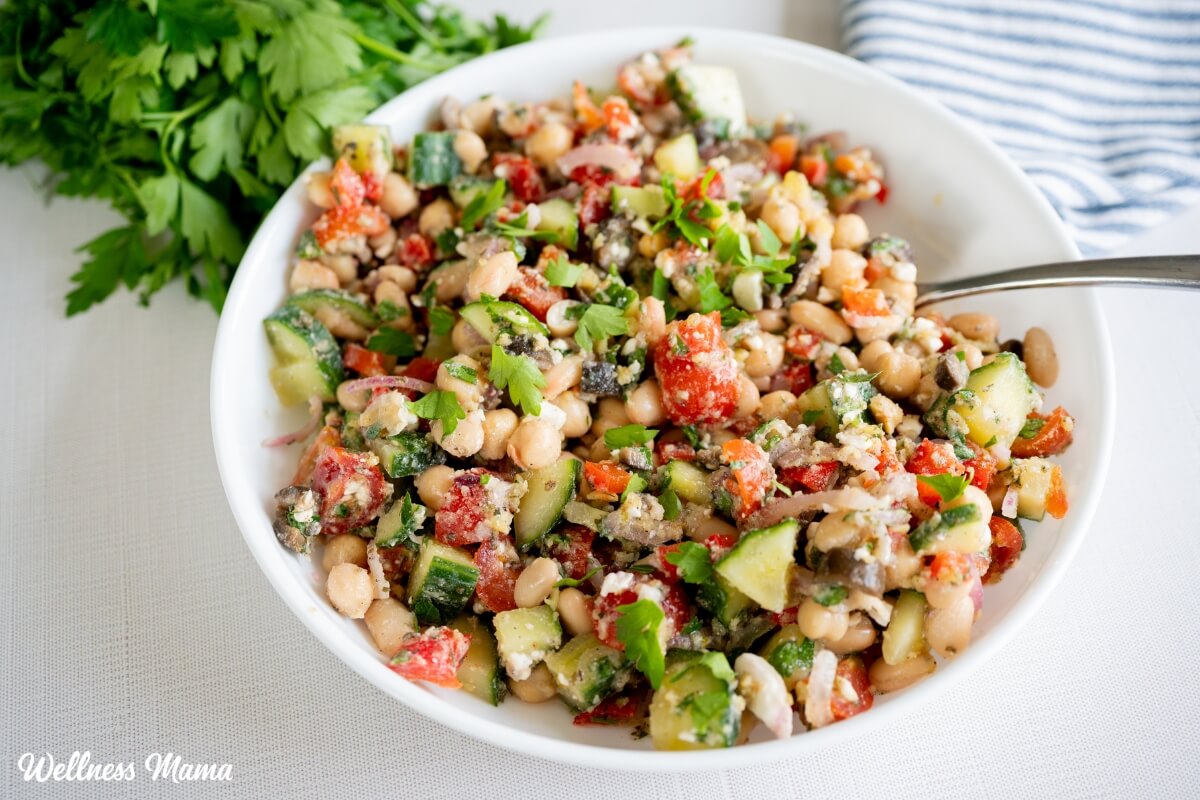
- The Base: A blend of chickpeas and cannellini beans provides a varied texture profile—the chickpea offers a firm bite, while the cannellini bean provides a creamy consistency.
- The Aromatics and Vegetables: Freshly diced cucumbers and bell peppers contribute high water content and crunch, which offsets the density of the legumes. Parsley, mint, and oregano serve as the aromatic backbone, providing volatile oils that offer both flavor and potential antioxidant benefits.
- The Dressing: The dressing acts as a preservative. The acidity of fresh lemon juice lowers the pH of the mixture, which can help inhibit bacterial growth, while the olive oil provides a lipid barrier. Feta cheese, often added at the time of serving, introduces a salty, savory element that completes the flavor profile.
Economic and Logistical Implications
The move toward home-prepared bean salads is also driven by broader economic factors. With rising inflation in the food sector, legumes remain one of the most cost-effective protein sources available to consumers. According to data from the Bureau of Labor Statistics, dry and canned beans have historically maintained lower price volatility compared to animal proteins. By integrating these staples, consumers can significantly reduce their weekly grocery expenditure without sacrificing the nutritional quality of their diet.
Furthermore, the "single-use ingredient" philosophy—a common pain point in modern kitchens—is addressed by the versatility of this recipe. The ingredients used in a Mediterranean bean salad are rarely relegated to a single dish; they can be repurposed in soups, stews, or as additions to other grain bowls. This reduction in food waste is a key objective for households looking to operate more sustainably.
Comparative Analysis: Store-Bought vs. Home-Prepared
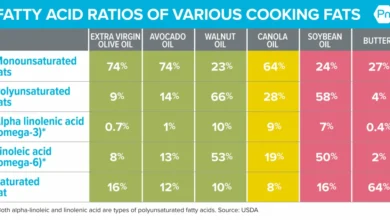
A comparison between mass-produced, store-bought salad dressings and home-prepared versions reveals a significant disparity in ingredient quality. Commercial dressings frequently rely on soybean, canola, or sunflower oils, which have high concentrations of Omega-6 fatty acids. While necessary in moderation, an excess of Omega-6 in the modern diet is often associated with systemic inflammation.
By contrast, preparing a dressing with authentic extra virgin olive oil ensures a higher ratio of Omega-3 fatty acids and polyphenols. Furthermore, by whisking or shaking ingredients in a glass vessel—such as a standard Mason jar—at home, consumers eliminate the need for chemical stabilizers, emulsifiers, and artificial preservatives, all of which are common in shelf-stable commercial products.
Industry Perspectives on Nutritional Trends
Nutritionists and health organizations have increasingly endorsed the shift toward plant-heavy diets. The American Heart Association has long advocated for the Mediterranean style of eating, noting that the emphasis on unsaturated fats and legumes supports heart health. The Mediterranean bean salad acts as a tangible, executable model for these guidelines.
Dr. Elena Rossi, a specialist in clinical nutrition, observes, "When individuals move away from highly processed, pre-packaged meals toward assembly-based meals like bean salads, they regain control over sodium, sugar, and fat intake. It is a simple behavioral change with a high return on health investment."
Practical Preparation and Storage Protocols
For optimal results, the chronological order of preparation is critical:
- Day 0 (Preparation): Wash and dry vegetables thoroughly. Dicing vegetables to a uniform size ensures even distribution of flavor.
- The Emulsion: Combine olive oil, lemon juice, salt, and minced garlic in a jar. Shake vigorously to ensure a temporary emulsion.
- The Integration: Toss the beans and vegetables with the dressing. Allow the mixture to rest at room temperature for 15 to 20 minutes before refrigeration to jumpstart the marination process.
- Storage: Store in an airtight container. If the salad is intended to be kept for more than 48 hours, some practitioners recommend adding the feta cheese only at the time of serving to prevent the cheese from losing its texture or "bleeding" into the dressing.
Broader Societal Impact
The popularity of the Mediterranean bean salad is a symptom of a larger cultural shift. As the pace of modern life increases, the demand for "low-friction" health solutions has surged. The ability to prepare a meal once and consume it multiple times—without the degradation of quality—addresses the time-poverty that plagues many working households.
Moreover, as concerns regarding the environmental footprint of food production rise, legumes have been identified as a highly sustainable crop. They require less water than animal-based proteins and, in many cases, improve soil nitrogen levels through a process known as nitrogen fixation. Thus, the choice to consume a bean-based salad is both a personal health decision and a reflection of a growing awareness of ecological impact.
Conclusion
The Mediterranean bean salad is more than a simple recipe; it represents a functional approach to nutrition. By leveraging the shelf-stable properties of legumes, the heart-healthy benefits of olive oil, and the ease of a make-ahead preparation method, it offers a sustainable solution to the daily dilemma of healthy eating. As consumers continue to navigate the complexities of modern food systems, the emphasis on simple, whole-food ingredients will likely remain a dominant trend in culinary management, proving that convenience and nutrition need not be mutually exclusive. Whether served as a side to grilled proteins or as a stand-alone lunch, the dish remains a reliable, cost-effective, and nutritionally dense staple for the modern diet.
Related posts: