The Meat Industry Paradox: How Controversial Guidelines Dismissed Cancer Risks in Favor of Consumer Taste

The global scientific community and public health organizations have spent decades warning consumers about the long-term hazards associated with diets heavy in red and processed meats. Decades of epidemiological research have consistently linked excessive consumption of burgers, bacon, and sausages to heightened risks of colorectal cancer, cardiovascular disease, type 2 diabetes, and premature mortality. Yet, a series of high-profile papers published in the Annals of Internal Medicine disrupted the nutritional consensus by suggesting that adults should continue consuming red and processed meats at their current levels. This unexpected reversal sparked intense debate among nutritionists, epidemiologists, and public health advocates worldwide, shedding light on the ongoing tension between rigorous scientific evidence, methodological standards, and corporate influence in dietary policymaking.
The Controversial Annals of Internal Medicine Papers
The controversy centers on a collection of systematic reviews and guideline recommendations published by an international consortium of researchers. This self-appointed panel largely discounted randomized controlled trials that failed to meet the highest standards of evidence, focusing primarily on observational data while applying strict criteria traditionally reserved for pharmaceutical evaluations.
The researchers utilized the GRADE (Grading of Recommendations Assessment, Development, and Evaluation) framework to assess the certainty of evidence regarding meat consumption and chronic diseases. Originally designed to evaluate the efficacy and safety of pharmaceutical drugs through double-blind, placebo-controlled trials, the GRADE criteria demand a level of experimental control that is notoriously difficult to achieve in nutritional and lifestyle research.
Public health experts immediately pointed out the inherent flaw in applying pharmaceutical standards to dietary behaviors. If the GRADE criteria were strictly enforced across all aspects of public health, foundational recommendations regarding physical inactivity, passive smoking, air pollution, alcohol consumption, and low intakes of fruits and vegetables would similarly be categorized as supported by low or very low-quality evidence. Consequently, nearly every established lifestyle guideline would lose its formal backing under such rigid parameters.
Contradictory Findings and Methodological Anomalies
Despite discarding large swaths of observational evidence to elevate their methodological threshold, the panel’s own meta-analyses still uncovered clear statistical associations between meat intake and adverse health outcomes. Their data indicated that diets lower in red and processed meats were indeed associated with reduced risks of all-cause mortality, cardiovascular events, type 2 diabetes, and cancer incidence and mortality.
Specifically, the consortium’s own calculations revealed that a moderate reduction in red and processed meat consumption could yield substantial health benefits: a 13 percent reduction in total mortality, a 14 percent reduction in heart disease mortality, an 11 percent reduction in cancer mortality, and a 24 percent decrease in the risk of developing type 2 diabetes.
However, in a move that baffled epidemiologists, the panel’s final guideline recommendations directly contradicted their numerical findings. Rather than advising the public to reduce intake in light of these measurable risks, the guidelines advised individuals to maintain their current levels of unprocessed and processed meat consumption. The justification offered by the authors was not that meat had suddenly become less hazardous, but rather that the absolute risk to any single individual was deemed acceptable when weighed against personal dietary preferences.
The Introduction of Taste Cost and Consumer Preferences
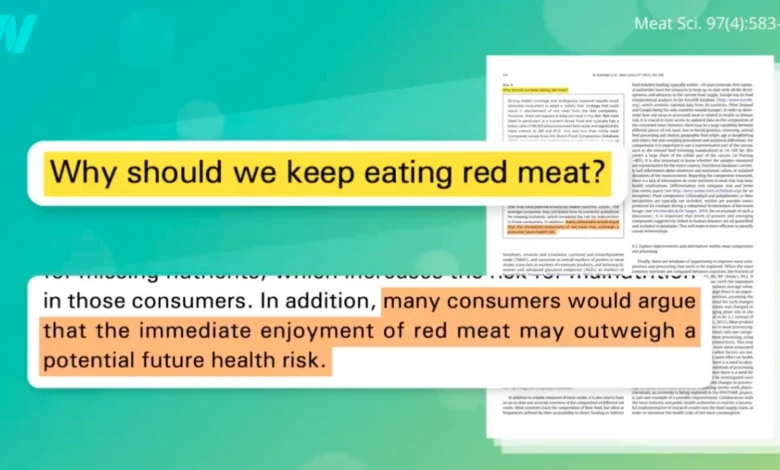
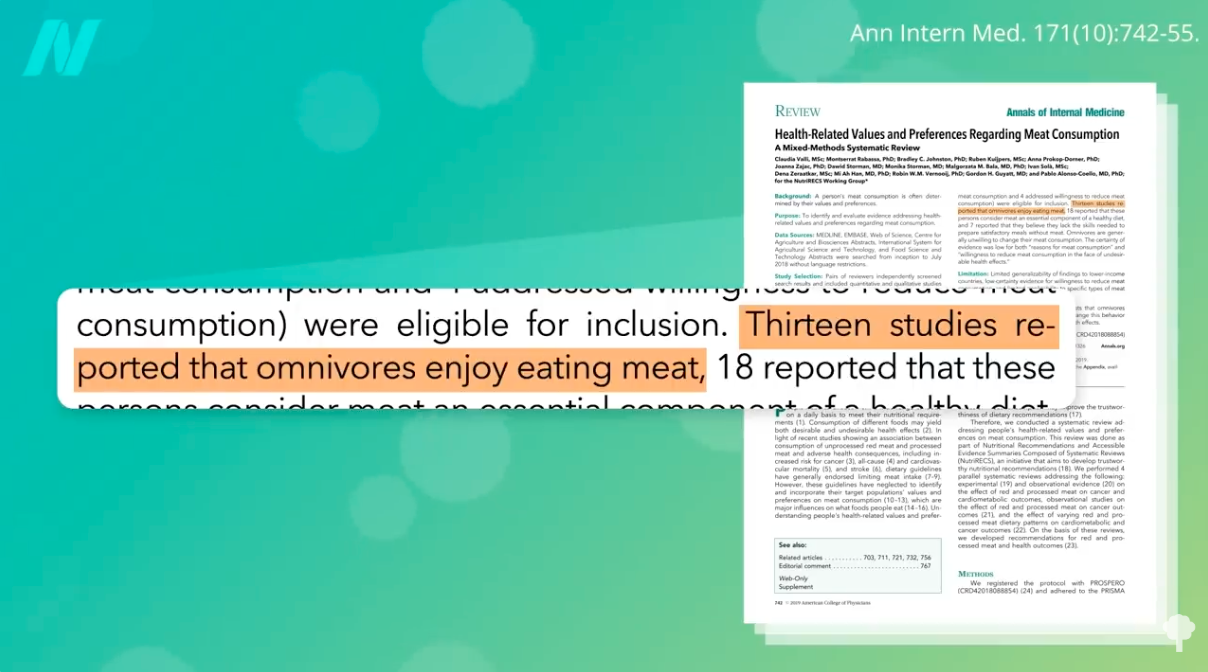
To reconcile the paradox of acknowledging health harms while recommending no change in behavior, the panel shifted its focus from purely clinical endpoints to consumer psychology and behavioral economics. They conducted a systematic review regarding health-related values and preferences surrounding meat consumption, concluding that omnivores generally enjoy eating meat and exhibit strong psychological and cultural attachments to their diets.
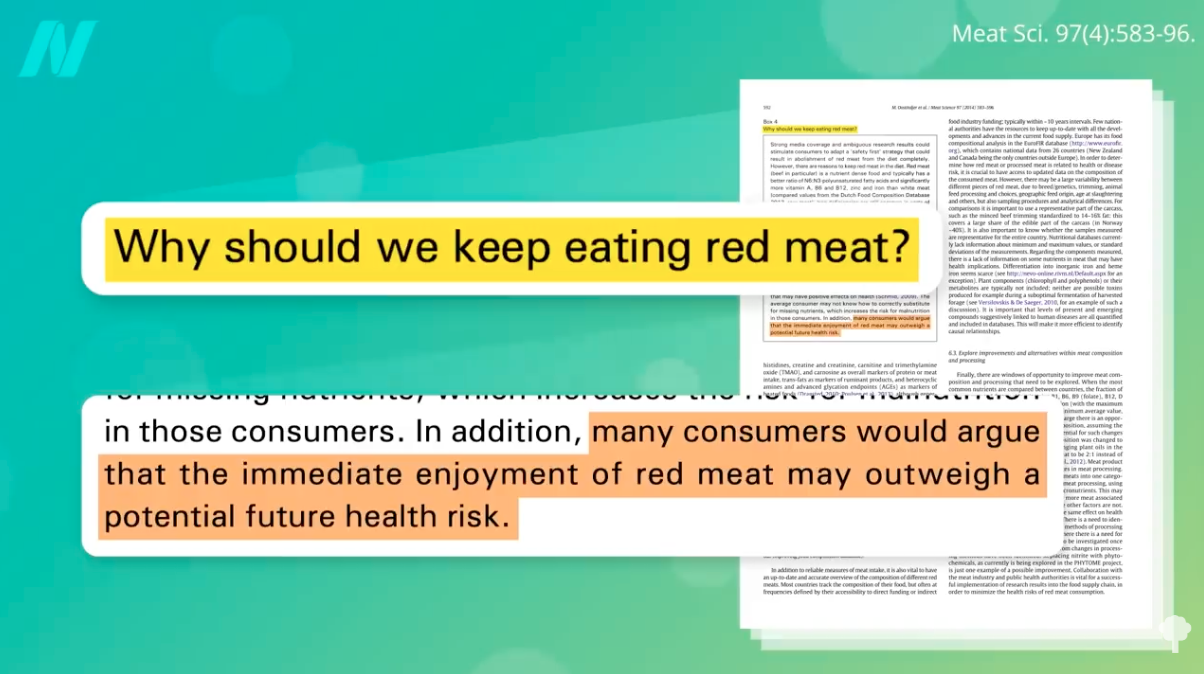
The panel introduced the concept of taste cost—the psychological and sensory burden placed on consumers when they are asked to comply with restrictive dietary recommendations. According to the authors’ perspective, the potential risk reductions for leading killers such as cancer and heart disease were not considered powerful enough motivators to overcome the immediate culinary satisfaction derived from eating meat.
Critics were quick to highlight the absurdity of this logic when applied to other public health domains. Public health authorities routinely advocate for behaviors that require lifestyle adjustments or impose perceived sensory costs, such as wearing motorcycle helmets, avoiding tobacco products, limiting sugary beverages, and using sunscreen. Applying the panel’s rationale to other hazards would imply that safety measures should be abandoned simply because individuals prefer the feeling of the wind in their hair or the taste of sweetened products. As Yale Prevention Research Center Director Dr. David Katz noted, adopting such a rationale across public health would mean advising people that there is no need to quit smoking or exercise for good health, provided they enjoy their current routines.
Industry Ties and Institutional Criticism
The credibility of the guidelines was further undermined by revelations concerning the panel’s affiliations and funding sources. The international consortium, known as NutriRECS, was established to produce nutritional guidelines based on patient preferences and values. However investigative reports revealed that key members of the research team had past or present associations with organizations receiving substantial financial backing from the food and agricultural sectors, including groups funded by meat and sugar interests.
These industry connections drew sharp rebukes from academic institutions and medical societies globally. Prominent nutrition scientists argued that blending formal risk-benefit analyses with subjective evaluations of taste preferences creates a dangerous precedent that opens the door to corporate interference in public health messaging.
Furthermore, the decision by the Annals of Internal Medicine to issue high-profile press releases accompanying the studies—proclaiming that there was "no need to reduce red or processed meat consumption for good health"—magnified the public confusion. Medical professionals argued that these pronouncements misrepresented the underlying data, which clearly showed measurable disease risks associated with high meat intake. Critics asserted that guidelines which explicitly oppose the empirical data they claim to summarize cease to function as scientific instruments and instead serve as marketing tools for special interest groups.
Broader Implications for Nutritional Science
The 2019 meat guideline controversy remains a watershed moment in nutritional epidemiology, highlighting deep-seated vulnerabilities in how dietary advice is researched, formulated, and communicated to the general public. As chronic non-communicable diseases continue to place a heavy burden on global healthcare systems, the integrity of dietary guidelines is more critical than ever.
The episode underscored the necessity for transparent methodologies, strict declarations of conflict of interest, and a clear separation between empirical health data and sociological preferences. While consumer autonomy and personal choice remain fundamental values, public health institutions face an ongoing obligation to provide clear, unbiased information regarding the long-term biological consequences of dietary patterns. Ultimately, the debate reinforced the consensus among mainstream medical organizations that evidence-based nutritional policies must prioritize physiological health outcomes over immediate gustatory satisfaction.
Related posts: