Easy Eggplant Bolognese (1 Pot!)

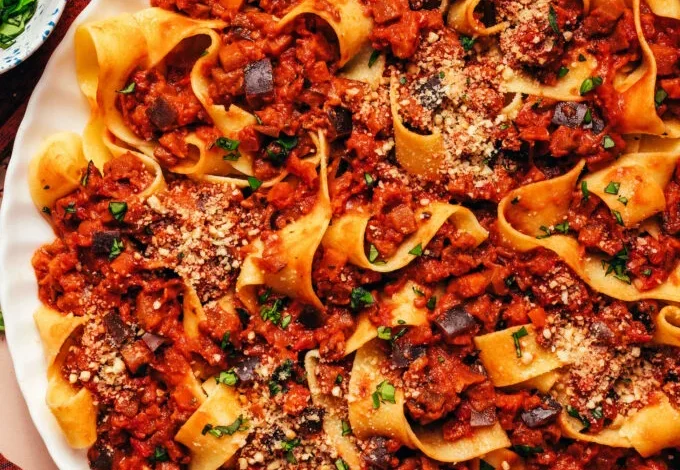
The culinary landscape continues to shift toward plant-forward dining, driven by consumer demand for sustainable, nutrient-dense, and time-efficient meal options. In response to this growing culinary trend, home-cooking platforms and recipe developers are increasingly reinventing traditional comfort foods using seasonal produce. Among the latest innovations in this space is a streamlined, single-vessel variation of a classic Italian staple: the Easy Eggplant Bolognese. Designed to capture the savory depth of traditional meat-based sauces while utilizing late-summer produce, this dish represents a broader movement toward accessible, plant-based weeknight cooking that does not sacrifice complexity of flavor.
Background and Culinary Evolution of Bolognese Sauce
To understand the significance of a plant-based adaptation, one must examine the origins of the original recipe. Traditional Bolognese sauce—known natively as ragù alla Bolognese—originates from the city of Bologna in the Emilia-Romagna region of Italy. Historically documented by the Italian Academy of Cooking in 1982, the authentic preparation relies heavily on minced or chopped beef, pancetta, and a foundational soffrito consisting of onions, celery, and carrots. It is traditionally enriched with white wine, milk, and a modest amount of tomato paste or broth, then simmered for hours to achieve a thick, unctuous texture.
Over the decades, international adaptations of the sauce have emerged, often heavily tomato-forward and paired with various shapes of pasta. In recent years, however, culinary innovators have sought to recreate the hearty, savory mouthfeel of meat-based ragù using vegetarian and vegan ingredients. Previous iterations by contemporary food creators have explored lentils, mushrooms, tempeh, and chickpeas as protein-rich substitutes. The introduction of an eggplant-based variant marks a specific focus on texture and seasonality, leveraging the spongy, absorbent qualities of late-summer nightshades to mimic the richness and body of traditional ragù without the environmental and dietary constraints associated with red meat.
Methodology and Nutritional Profile of the One-Pot Preparation

The culinary mechanics of the Easy Eggplant Bolognese rely on efficiency and chemical reduction. Requiring only a single pot or Dutch oven, the recipe is engineered to minimize cleanup while maximizing flavor development through sequential layering.
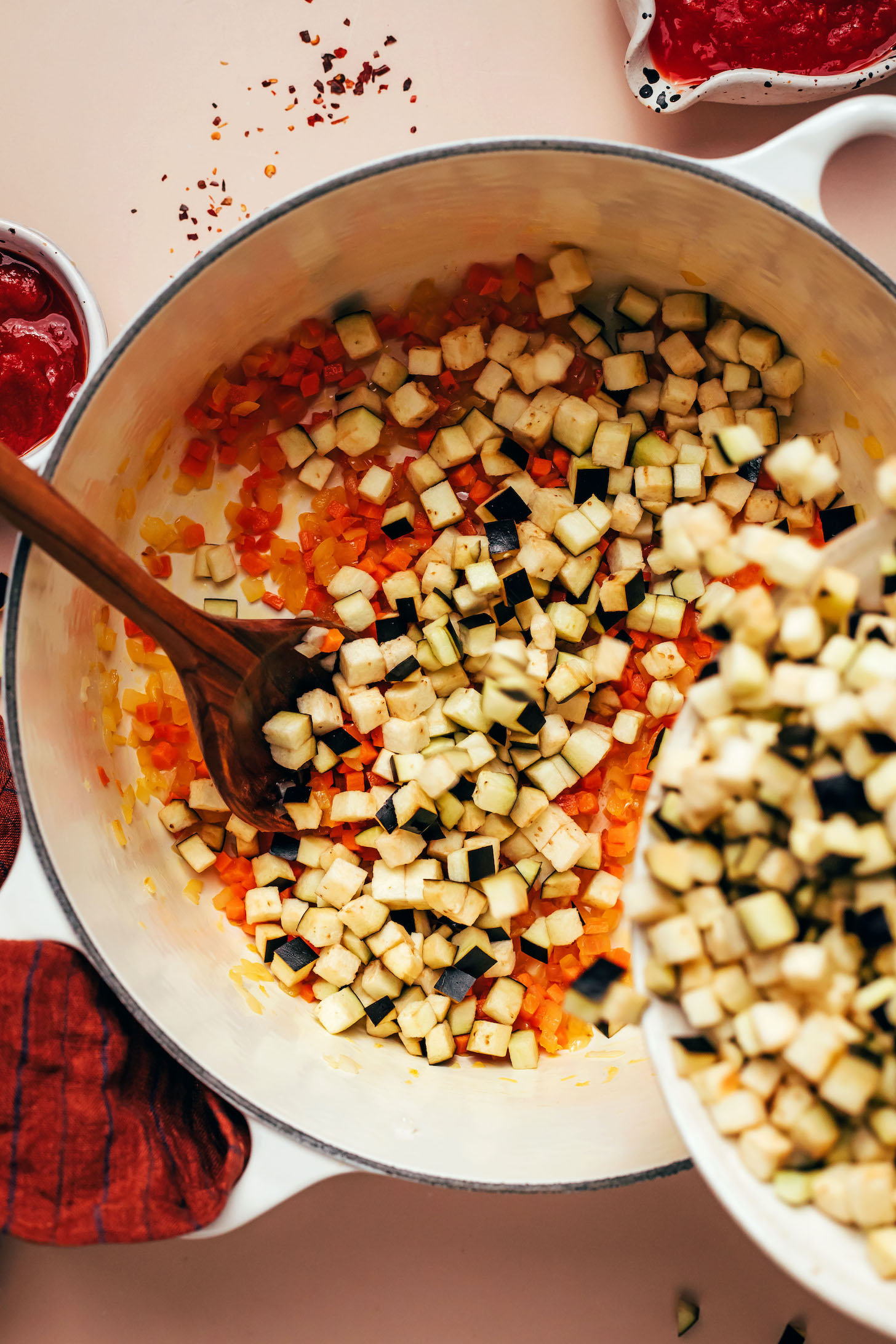
The preparation begins with the foundational soffrito, wherein finely diced onions and carrots are sautéed in olive oil until translucent and caramelized. Cubed eggplant is subsequently introduced to the vessel. As the eggplant cooks, its cellular structure breaks down, allowing it to absorb the aromatic fats and take on a browned, concentrated flavor profile that forms the backbone of the sauce’s body.
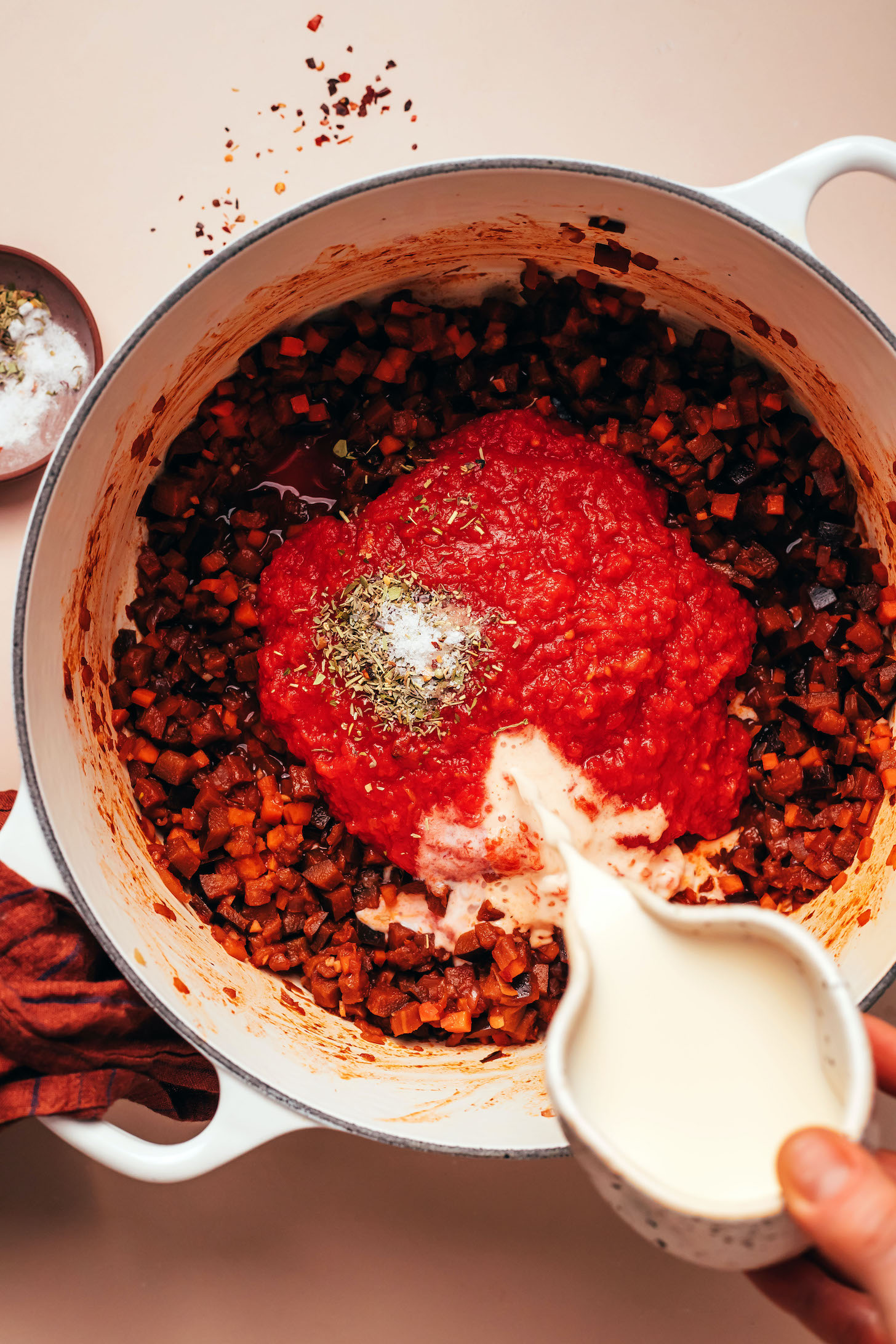
Flavor is further built through the addition of minced garlic, red pepper flakes, and a dry wine used to deglaze the pan—a crucial step that lifts fond from the bottom of the pot and incorporates complex acids into the mixture. Crushed tomatoes and tomato paste are then stirred in to establish the bright, acidic base, which is tempered by a controlled addition of maple syrup to balance the natural tartness of the tomatoes.
To replicate the traditional dairy component of a classic Bolognese—traditionally achieved using whole milk—the recipe incorporates a dairy-free alternative, specifically homemade cashew milk. This addition introduces lipids and a subtle creaminess, coating the palate and rounding out the acidity of the tomatoes. Dried basil and oregano complete the seasoning matrix.
The simmering phase is critical to the dish’s success. As the mixture sits over low heat for 20 to 30 minutes—or up to an hour for optimal flavor concentration—water evaporates, causing the sauce to thicken naturally and concentrating the aromatic compounds.
Nutritional analysis of a standard single serving reveals a profile designed for modern dietary preferences. Containing approximately 284 calories, the dish delivers 31.9 grams of carbohydrates, 8.3 grams of dietary fiber, and 6.6 grams of protein. The fat content sits at 17.1 grams, predominantly consisting of monounsaturated fats derived from olive oil and cashews, with a low saturated fat content of 2.5 grams. Furthermore, the recipe is entirely cholesterol-free and provides significant micronutrients, including 1,040 milligrams of potassium, 27 milligrams of vitamin C, and 3.7 milligrams of iron, making it a nutrient-dense option for those reducing their intake of animal products.
Adaptability and Serving Suggestions
One of the primary drivers behind the adoption of plant-based comfort foods in home kitchens is versatility. While the eggplant bolognese is designed to stand independently as a vegan entree, the recipe architecture accommodates various dietary requirements and flavor preferences through optional modifications.
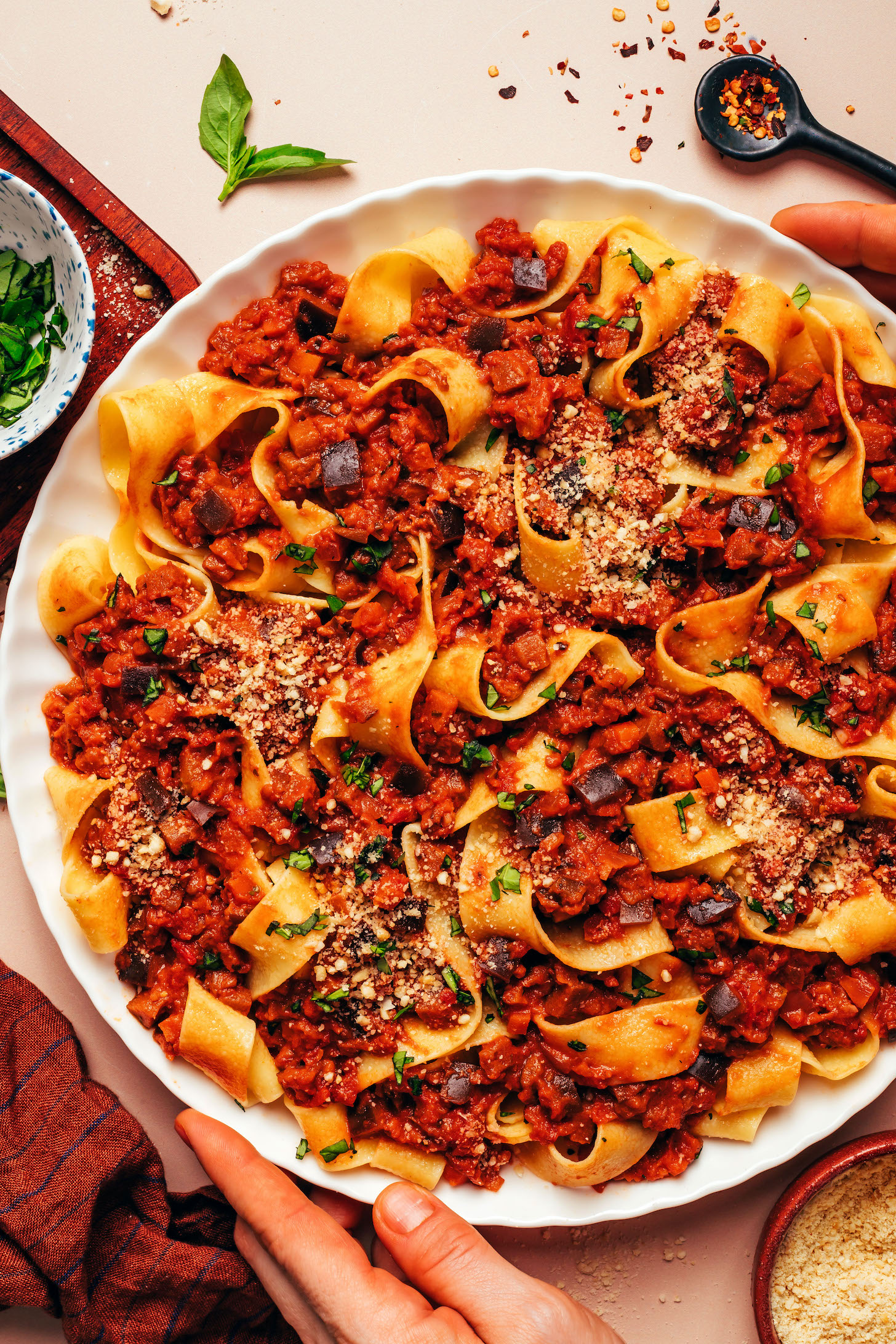
For consumers seeking a higher protein content, several pathways are available. Vegan diners may incorporate cooked red lentils directly into the sauce alongside the crushed tomatoes, or pair the dish with lentil-based pasta. Alternatively, the meal can be topped with plant-based meat alternatives or homemade vegan parmesan cheese made from blended nuts and nutritional yeast. For vegetarian or flexitarian households, traditional dairy parmesan or animal-based proteins—such as turkey meatballs or ground beef browned separately—can be integrated into the final presentation.
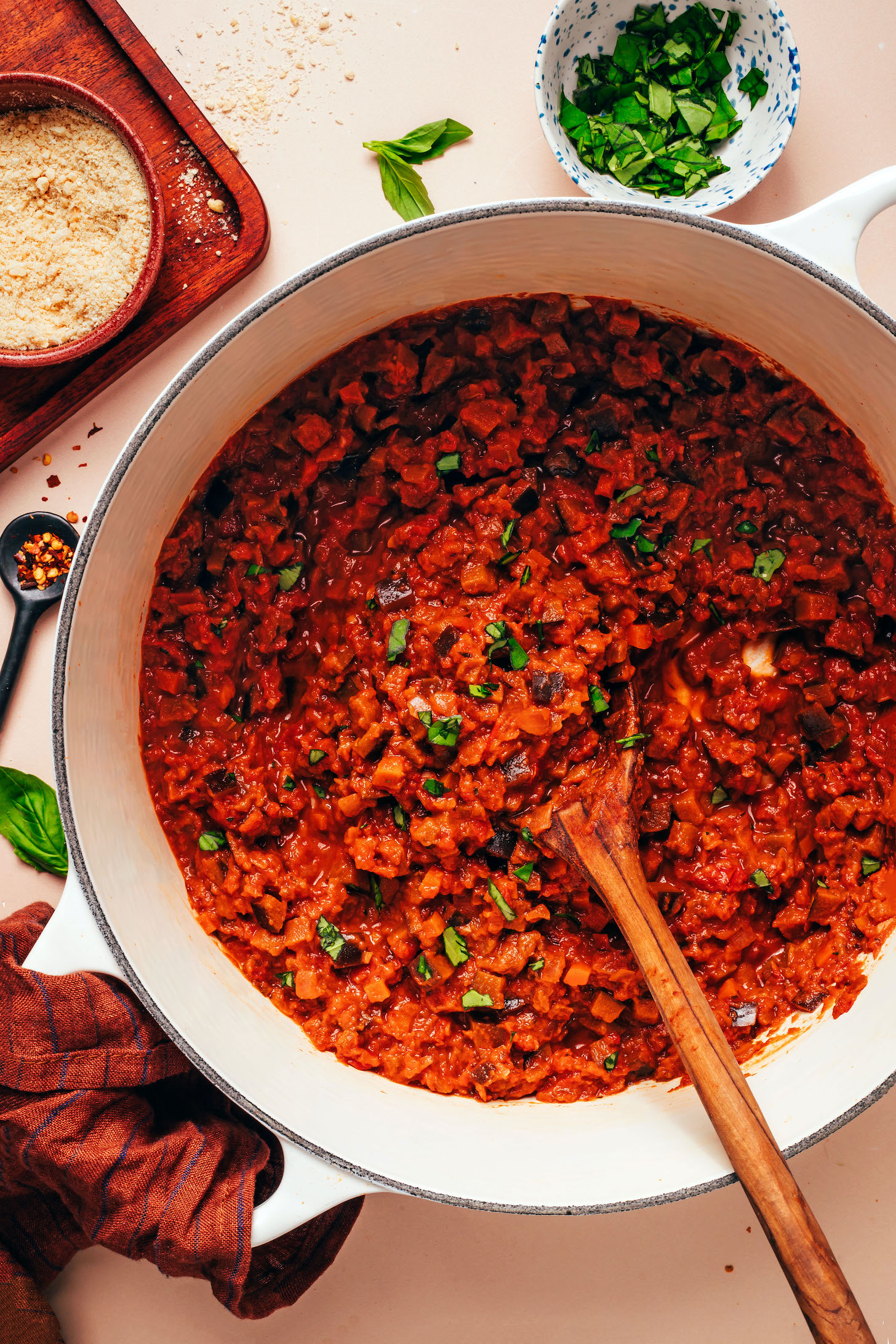
Beyond traditional long-cut pastas such as pappardelle or fettuccine, the sauce’s thick consistency makes it an ideal pairing for creamy polenta or roasted vegetables. Its freezer-friendly nature—retaining quality for up to one month—and refrigerator longevity of three to four days also position it as a viable option for meal-prep enthusiasts seeking batch-cooking efficiencies.
Broader Implications for Home Cooking Trends
The proliferation of simplified, single-vessel recipes reflects a broader cultural shift in domestic food preparation. As consumers face increasing time constraints and rising grocery costs, culinary content creators are responding with streamlined methods that reduce equipment demands and food waste.
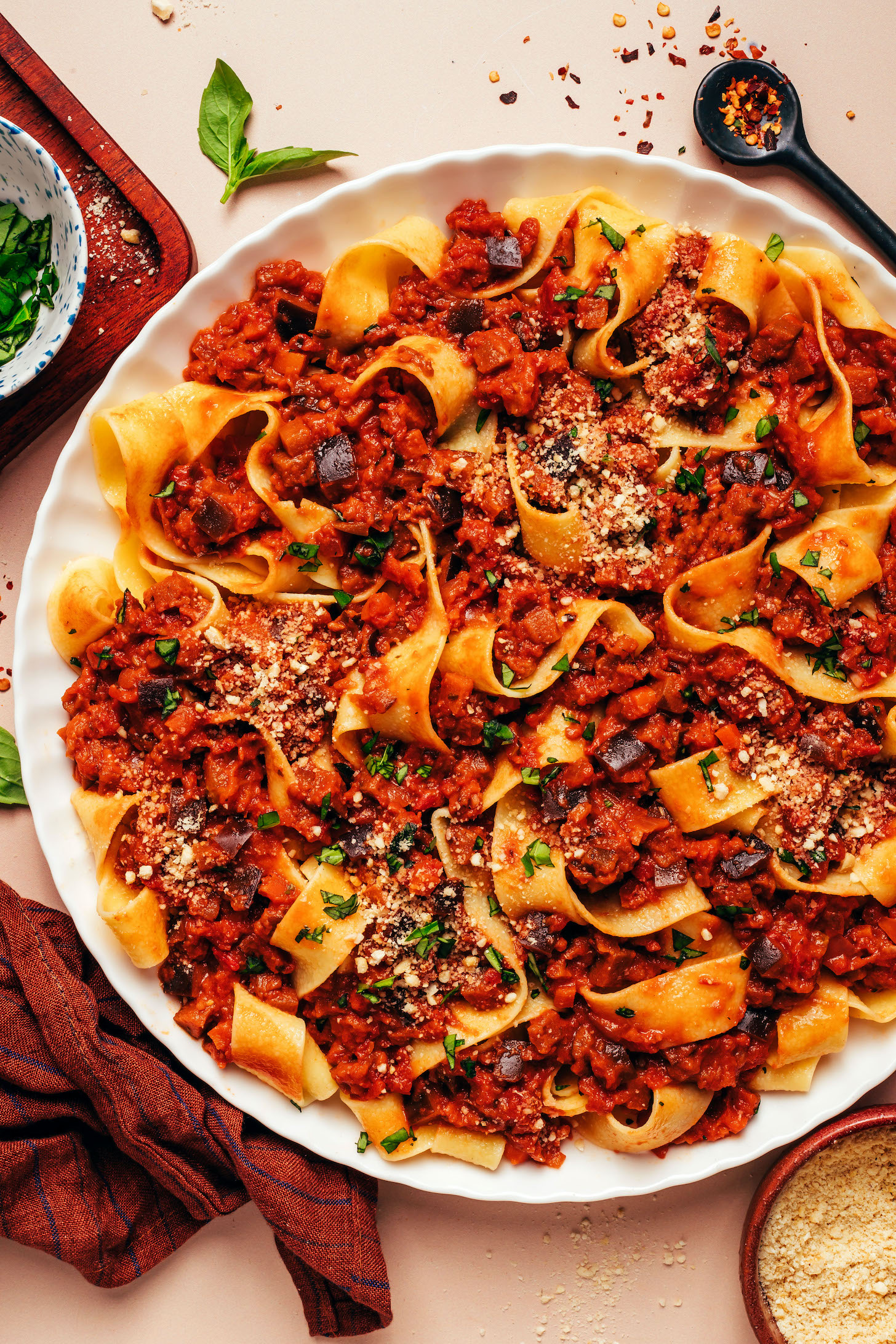
By utilizing accessible produce like eggplant—traditionally relegated to specific regional dishes or roasting preparations—recipes like the Easy Eggplant Bolognese demonstrate how staple vegetables can be repurposed to mimic heavy, traditional comfort foods. This approach aligns with broader public health and environmental initiatives encouraging reduced meat consumption, local seasonal sourcing, and energy-efficient cooking methods.
As home cooks increasingly prioritize speed, health, and sustainability, the evolution of classic dishes into plant-based, one-pot formats highlights the resilience and adaptability of traditional cuisine in the modern era. Through careful balancing of technique, acid, and fat, simple agricultural products are successfully transformed into sophisticated, globally inspired meals suitable for both weeknight dinners and formal gatherings.