Neck and Shoulder Tension Relief: Understanding the Causes and Implementing Effective Yoga-Based Solutions

The modern professional landscape has undergone a radical transformation, with a significant shift toward sedentary desk-based roles, prolonged screen exposure, and increased reliance on mobile technology. Data from the Bureau of Labor Statistics and various ergonomic studies indicate that musculoskeletal disorders, particularly those localized in the cervical spine and shoulder girdle, have reached near-epidemic levels among the workforce. As the average employee spends upwards of seven hours a day in a seated position, the physiological consequences—often manifesting as chronic neck and shoulder tension—have become a primary concern for occupational health experts and physical therapists alike.
The Anatomy of Modern Musculoskeletal Strain
The primary culprit behind this surge in discomfort is a phenomenon frequently termed "tech neck." Physiologically, the human head weighs approximately 10 to 12 pounds. When the neck is in a neutral, upright position, the muscles of the upper back and shoulders support this weight with minimal effort. However, when the head drifts forward—a common posture adopted while looking down at a smartphone or leaning toward a computer monitor—the effective weight on the cervical spine increases exponentially. At a 60-degree angle of flexion, the force exerted on the neck can reach up to 60 pounds.
This repetitive stress, when sustained over several years, results in the tightening of the upper trapezius, levator scapulae, and pectoralis minor muscles. These physical stressors are compounded by psychological factors. Chronic stress triggers the body’s sympathetic nervous system, leading to the unconscious elevation of the shoulders and the bracing of the neck muscles, effectively locking the upper body into a state of chronic hypertonicity.

Historical Context and the Rise of Sedentary Ergonomics
The evolution of these issues can be traced back to the digital revolution of the early 2000s. As computing hardware became more portable and mobile phones evolved into handheld computers, the "neutral spine" posture became increasingly rare. In 2014, health researchers identified a sharp uptick in cervical spine consultations, attributing the trend to the ubiquity of handheld devices.
By 2020, the global shift toward remote work accelerated these issues. Without the ergonomic standardization of office environments, many employees began working from kitchen tables, couches, and makeshift desks. A 2022 survey conducted by the Occupational Safety and Health Administration (OSHA) highlighted that over 40% of remote workers reported increased neck pain within the first six months of shifting to a home-office environment. This period marked a turning point where health professionals began emphasizing the necessity of "movement snacks"—short, frequent bursts of activity—to counteract the static nature of modern work.
Mechanisms of Therapeutic Movement
To combat the physiological degradation caused by prolonged sitting, physical therapists and yoga practitioners often advocate for a multifaceted approach involving mobility exercises and mindful breathwork. The efficacy of yoga in this context is rooted in its ability to address both the mechanical shortening of muscle fibers and the neurological state of the nervous system.
When an individual engages in targeted stretching, they are not only lengthening the fascia but also signaling the brain to downregulate the stress response. Controlled, rhythmic breathing during these stretches stimulates the vagus nerve, which helps shift the body from a "fight-or-flight" state to a "rest-and-digest" state, thereby allowing chronically tight muscles to release their reflexive tension.
Targeted Techniques for Symptom Management
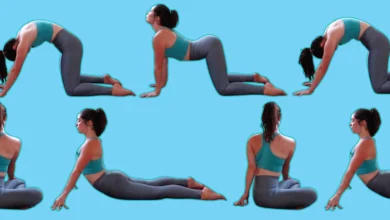
For those experiencing the onset of discomfort, a structured routine of mobility exercises is recommended. Clinical observation suggests that effective relief programs should incorporate three primary movement types: lateral flexion, thoracic rotation, and scapular retraction.
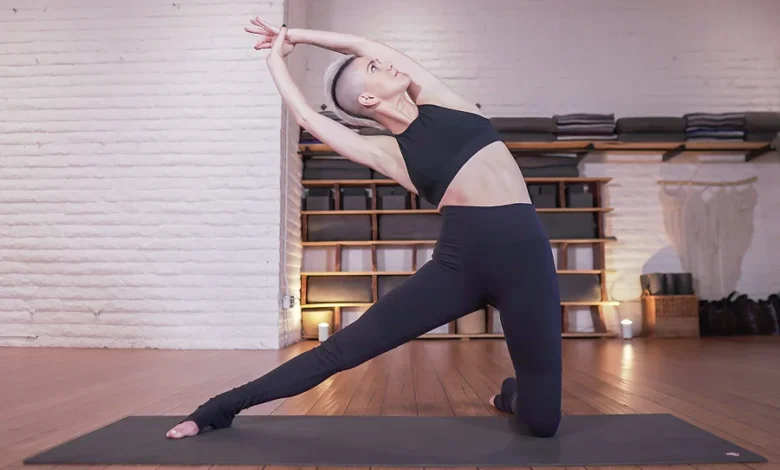
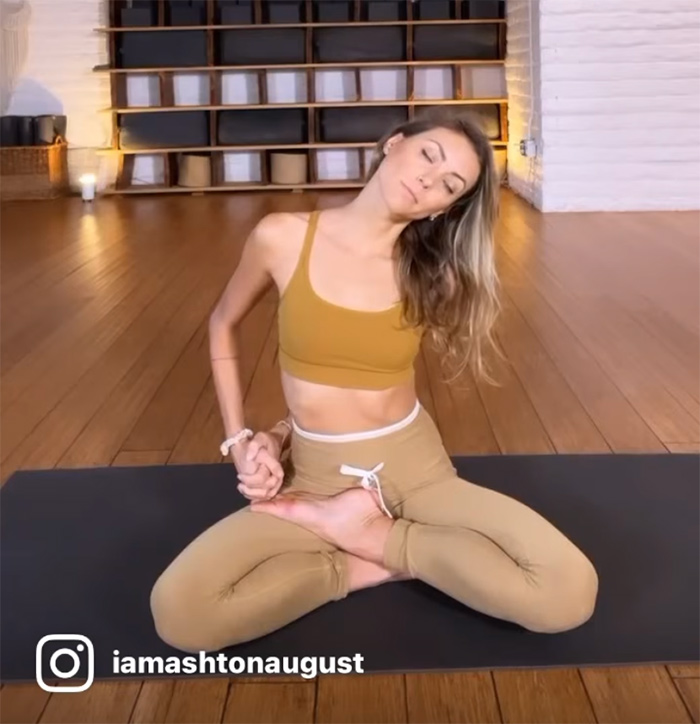
- Lateral Cervical Extension: By gently tilting the ear toward the shoulder while anchoring the opposite hand behind the back, the individual targets the sternocleidomastoid and upper trapezius. This movement addresses the "lateral chain," which often becomes restricted in individuals who hold a phone between their ear and shoulder or lean heavily on one arm.
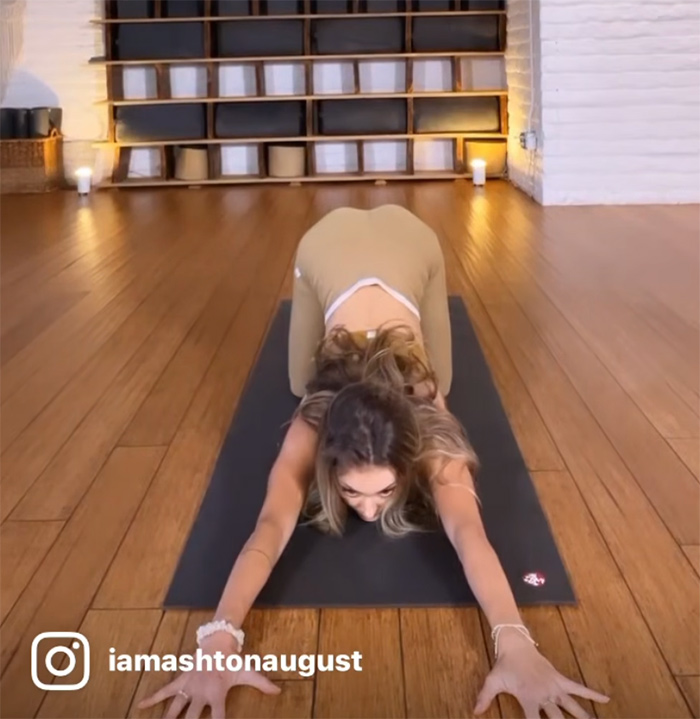
- Thoracic Mobility via Puppy Pose: This pose is particularly effective for those with a kyphotic (rounded) upper back. By maintaining hip alignment over the knees while extending the arms, the practitioner creates space in the shoulder joint and chest, facilitating a return to a more natural spinal curvature.
- Rotational Release (Seal Pose with Dips): This movement targets the thoracic spine, the area between the shoulder blades that frequently stiffens due to computer-focused tasks. By incorporating rotational dips, the individual encourages fluid motion in the vertebrae that are often fused by sedentary habits.
Broader Implications and Long-Term Wellness
The implications of ignoring chronic neck and shoulder tension extend beyond localized pain. If left unaddressed, these issues can lead to tension headaches, reduced range of motion in the glenohumeral joint, and potential nerve impingement. Furthermore, the "forward head" posture has been linked to a reduction in lung capacity, as the compressed chest cavity limits the diaphragm’s ability to expand fully.
Health organizations and corporate wellness programs are increasingly integrating "movement breaks" into the workday to mitigate these risks. Analysis suggests that a consistent practice—even as short as ten minutes—can yield significant improvements in postural alignment within four to six weeks. The key to long-term success, according to physical medicine experts, is not the intensity of the stretch, but the frequency and consistency of the practice.
Clinical Perspective and Safety Precautions
While yoga and therapeutic stretching are highly effective tools for managing musculoskeletal tension, they are not substitutes for medical diagnosis. It is imperative that individuals experiencing sharp, radiating pain, numbness in the extremities, or persistent headaches seek professional evaluation. These symptoms may indicate underlying conditions such as disc herniation, nerve compression, or structural abnormalities that require specialized clinical intervention.
Healthcare professionals generally advise that any new wellness routine should be approached with caution. If an individual has a history of cervical spine surgery or chronic injury, they should consult with a physician or a licensed physical therapist before beginning any regimen. The goal of these interventions should always be the restoration of function and the reduction of pain through informed, controlled, and personalized movement.
Ultimately, the goal is to cultivate a heightened level of "body awareness." By recognizing the early warning signs of tension—such as hunched shoulders or a stiff neck—before they escalate into chronic pain, individuals can implement proactive strategies to maintain their physical health, ensuring that the demands of the modern digital world do not compromise their long-term well-being.