Unlocking the Hypothalamic Code: How a Single Brain Protein Connects Metabolism, Inflammation, and Whole-Body Aging


Thinning skin, declining bone density, and failing memory are universally recognized as the independent tax exacted by the passage of time. For decades, biogerontologists have studied these age-related declines as localized failures—treating osteoporosis with calcium and antiresorptive drugs, skin degradation with topical retinoids, and cognitive decline with cognitive training or emerging neuropharmaceuticals. However, a landmark body of research centered around a master regulatory protein called Menin suggests that these disparate physical and mental afflictions may actually share a common puppet master located deep within the center of the brain.
Experiments conducted in murine models have increasingly pointed toward the hypothalamus—a master endocrine control center roughly the size of an almond—as a primary command post orchestrating systemic senescence. By tracking the degradation of Menin within specific neuronal populations of the ventromedial hypothalamus (VMH), researchers have begun to trace a direct mechanistic line connecting neuroinflammation, metabolic signaling, and the systemic physical decay associated with chronological aging. While these discoveries have opened exhilarating new frontiers in anti-aging therapeutics, subsequent parallel research underscores the profound complexity of the biological pathways involved, warning against premature enthusiasm for over-the-counter dietary interventions.
The Chronology of Discovery: From Hypothalamic Inflammation to Systemic Decline
The foundational framework for this line of investigation was solidified on March 16, 2023, when an international research team led by Lige Leng of Xiamen University published a pivotal open-access study in the journal PLOS Biology. Prior to this publication, Leng and colleagues had established that Menin—a protein traditionally studied for its role as a tumor suppressor encoded by the MEN1 gene—serves a critical anti-inflammatory function within the hypothalamus. This realization sparked a compelling biomedical hypothesis: if chronic low-grade inflammation in the hypothalamus is a recognized driver of systemic aging, could the age-dependent loss of Menin’s protective shield actively set the biological clock in motion?
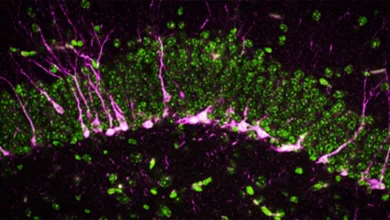
To test this hypothesis, Leng’s team examined brain tissue across different age cohorts of mice. They discovered that while supporting glial cells such as astrocytes and microglia showed relatively stable baseline expressions, Menin levels plummeted specifically within the neurons of the ventromedial hypothalamus of aged subjects. To determine causality rather than mere correlation, the researchers engineered conditional knockout mice, allowing them to selectively deplete Menin within the hypothalami of young, healthy subjects.
The physiological fallout was swift and comprehensive. Artificially lowering Menin levels in young mice triggered an immediate spike in hypothalamic inflammatory signaling. Within weeks, these animals began to manifest a constellation of classical aging phenotypes: they exhibited accelerated bone mass loss indicative of early osteoporosis, structural thinning of the skin, measurable cognitive deficits in learning and memory tasks, and a statistically significant reduction in overall lifespan. Conversely, when the research team utilized viral vectors to deliver the Menin gene directly back into the hypothalami of elderly, 20-month-old mice, the treatment reversed several of these trajectories. Thirty days post-treatment, the geriatric mice displayed restored skin thickness, increased bone mineral density, enhanced motor balance, and superior performance on cognitive assessments, alongside a measurable extension of remaining lifespan.
The D-Serine Signaling Pathway and Cognitive Function
Beyond its role in modulating neuroinflammation, the 2023 PLOS Biology study illuminated how Menin depletion wreaks havoc on neurochemical signaling pathways essential for synaptic plasticity. The researchers discovered that mice deficient in Menin suffered a marked reduction in levels of D-serine, a critical endogenous amino acid that acts as a co-agonist at NMDA (N-methyl-D-aspartate) receptors in the brain. NMDA receptors are molecular gateways fundamental to the processes of long-term potentiation—the cellular mechanism underlying learning and memory formation.
Menin loss indirectly suppressed the activity of an essential enzyme required for the endogenous synthesis of D-serine, starving the hippocampus of the neurochemical fuel it needs to maintain robust neural connectivity. Recognizing this bottleneck, the researchers tested an alternative, pharmacologically simpler intervention: administering D-serine directly to mice via their drinking water over a three-week period.
The results highlighted a fascinating dissociation between central nervous system function and peripheral physical aging. Oral D-serine supplementation successfully rescued cognitive performance, sharpening learning and memory metrics even in older subjects. However, unlike the targeted restoration of Menin within the hypothalamus—which simultaneously healed bones, skin, and metabolic balance—D-serine supplementation remained strictly confined to cognitive enhancements. It did not rebuild bone architecture or thicken the skin, proving that while D-serine is a potent nootropic tool, it is by no means a holistic panacea for systemic aging.
Furthermore, scientists have urged caution against conflating experimental D-serine administration with dietary serine consumption. While L-serine—the stereoisomer incorporated into dietary proteins—is abundant in everyday foods such as eggs, fish, soybeans, and nuts, and can be enzymatically converted by the body into D-serine, the two forms are biochemically distinct. Eating a diet rich in protein sources containing L-serine is entirely different from receiving targeted, experimental amino acid dosing, and dietary adjustments alone cannot replicate the nuanced molecular cascades triggered in the laboratory.
The Evolving Scientific Landscape: Subsequent Studies and Nuanced Findings
In the years following the initial 2023 publication, the broader scientific community has aggressively probed the intersections of neuroinflammation, metabolic signaling, and serine metabolism, yielding a complex mosaic of supporting data, complementary pathways, and necessary caveats.
In March 2024, a study published in the Journal of Physiology and Biochemistry investigated Menin’s protective mechanics at the cellular level by exposing cultured mouse hippocampal cells to corticosterone, a primary stress hormone. The researchers found that a metabolic compound known as itaconate successfully elevated Menin levels, which in turn mitigated inflammation and staved off cellular apoptosis (programmed cell death). Crucially, when researchers silenced Menin using RNA interference, this protective effect vanished entirely. While this study was restricted to in vitro cell cultures rather than whole living organisms, it reinforced the hypothesis that Menin acts as a critical molecular buffer against cellular stress.
Later in 2024, a study published in Cell Metabolism by researchers at the Washington University School of Medicine expanded upon the broader conceptual framework that the brain acts as a systemic conductor of aging. By identifying a distinct subset of hypothalamic neurons that engage in direct bidirectional communication with peripheral adipose (fat) tissue, the Washington University team demonstrated that maintaining this neural-adipose axis could stimulate physical activity and extend lifespan in mice. Although this pathway operated independently of Menin, it provided robust validation for the central dogma emerging from modern neurobiology: that age-related physiological decay throughout the body is heavily governed by command signals originating in the hypothalamus.
The scale of this inquiry reached unprecedented resolution in January 2025, when researchers at the Allen Institute published a comprehensive cellular atlas in Nature mapping approximately 1.2 million mouse brain cells. Their analysis revealed that the cell types most profoundly vulnerable to aging are heavily concentrated around the third ventricle, a fluid-filled cavity residing directly within the hypothalamus. These vulnerable populations exhibited widespread downregulation of genes linked to standard neuronal function alongside an upregulation of immune-response genes. While this mapping study was observational rather than therapeutic, it underscored the hypothalamus as ground zero for mammalian neurological aging.
The D-Serine Paradox: Why More Is Not Always Better
Perhaps the most critical nuance added to the literature involves the evolving understanding of D-serine itself. While initial findings framed D-serine as a straightforward cognitive enhancer, subsequent investigations revealed that its neurological impact is highly context-dependent, challenging the simplistic assumption that boosting amino acid levels is universally beneficial.
In April 2025, a study published in Cellular and Molecular Life Sciences examined transgenic mouse models engineered to simulate pathological features of Alzheimer’s disease. In this specific neurodegenerative setting, researchers observed an early, pathological surge in D-serine levels that coincided with aberrant synaptic signaling disruptions. Strikingly, genetically knocking out the enzyme responsible for synthesizing D-serine actually prevented or ameliorated several downstream cognitive deficits in these animals.
This counter-intuitive finding was echoed by research published in September 2026 in the Journal of Alzheimer’s Disease. Testing a diet enriched with L-serine in a separate Alzheimer’s mouse model, investigators found that while the dietary intervention elevated systemic blood levels of both L-serine and D-serine and successfully restored neurogenesis (the birth of new neurons) in the hippocampus, it failed to clear the neurotoxic amyloid plaques characteristic of the disease. Together, these studies demonstrate that serine metabolism operates on a delicate biological rheostat: the therapeutic utility of manipulating these amino acid pathways depends entirely on the specific disease state, the precise stereoisomer utilized, and the biological outcome being measured.
Implications for Human Longevity and Future Research
Translating these murine discoveries into clinical realities for human populations remains a formidable challenge. Human data regarding D-serine supplementation remains sparse and strictly limited in scope. For instance, a small randomized trial conducted prior to the Menin breakthroughs evaluated a single dose of D-serine in 50 healthy older adults, observing minor improvements in a single computerized maze task but finding no statistically significant gains across broader cognitive domains, sustained memory retention, or mood stabilization. Crucially, that trial did not assess long-term safety, chronic dosing profiles, or systemic anti-aging benefits.
As biogerontologists look toward the future, several critical questions remain unanswered. Researchers must still decipher the exact upstream molecular triggers that cause hypothalamic Menin expression to degrade in the first place. They must determine the precise therapeutic window for intervening against systemic decay, evaluate the long-term persistence of gene-therapy-induced Menin restoration, and screen rigorously for potential off-target oncogenic or metabolic side effects. Because Menin plays dual, context-specific roles—acting as a tumor suppressor in endocrine tissues while serving as an anti-inflammatory guardian in the hypothalamus—any future clinical translation in humans will demand extreme pharmacological precision.
Ultimately, the Menin paradigm does not offer an immediate, over-the-counter anti-aging remedy, nor does it validate the casual consumption of amino acid supplements as a fountain of youth. Instead, it represents a fundamental paradigm shift in our understanding of human biology. By proving that the physical decay of skin and bone, alongside the cognitive fog of memory loss, can be anchored to specific molecular signaling failures deep within the brain, this research illuminates an entirely new class of therapeutic targets. It transforms aging from an inevitable, uncoordinated unraveling of the body into a regulated biological process—one that, with continued empirical refinement, may one day be intercepted at its source.
Related posts: