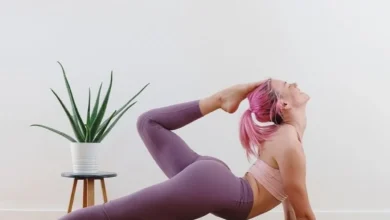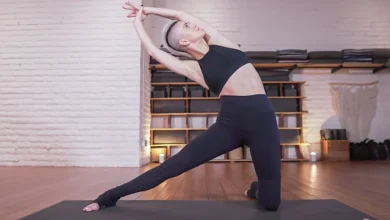
Muscle tension and tightness remain among the most prevalent physical complaints in modern society, frequently triggered by prolonged sedentary behavior, poor ergonomic alignment during work hours, or improper sleeping postures. According to recent health and wellness data compiled by physical therapy associations, more than 75 percent of the adult working population experiences chronic or recurring stiffness in the neck, shoulders, and lower back. This physiological rigidity often manifests beyond simple physical discomfort, compounding psychological stress and overall unease. To address this widespread issue, wellness experts increasingly advocate for low-impact movement modalities, specifically slow-moving yoga sequences designed to release physical constriction while simultaneously calming the nervous system.
The physiological mechanisms behind muscle tightness are well-documented in sports science and kinesiology. When individuals spend hours seated at desks or constrained in fixed postures, muscle fibers can contract and lose their natural elasticity. Restricted blood flow to these sedentary areas leads to a buildup of metabolic waste products, exacerbating feelings of stiffness and fatigue. Introducing targeted, breath-led movement helps restore circulation, re-educates the nervous system regarding muscle length, and promotes the release of tension stored in both the physical body and the cognitive headspace.
To combat these everyday ailments, yoga instructor Daria LeGrand has developed a specialized, 15-minute restorative sequence. Requiring no specialized props other than a standard yoga mat and an open floor space, the routine is structured to encourage intuitive, playful movement. Practitioners are guided to let curiosity and bodily feedback dictate the depth and duration of each stretch, tailoring the flow to their specific zones of tension.
The Chronology and Progression of the 15-Minute Sequence
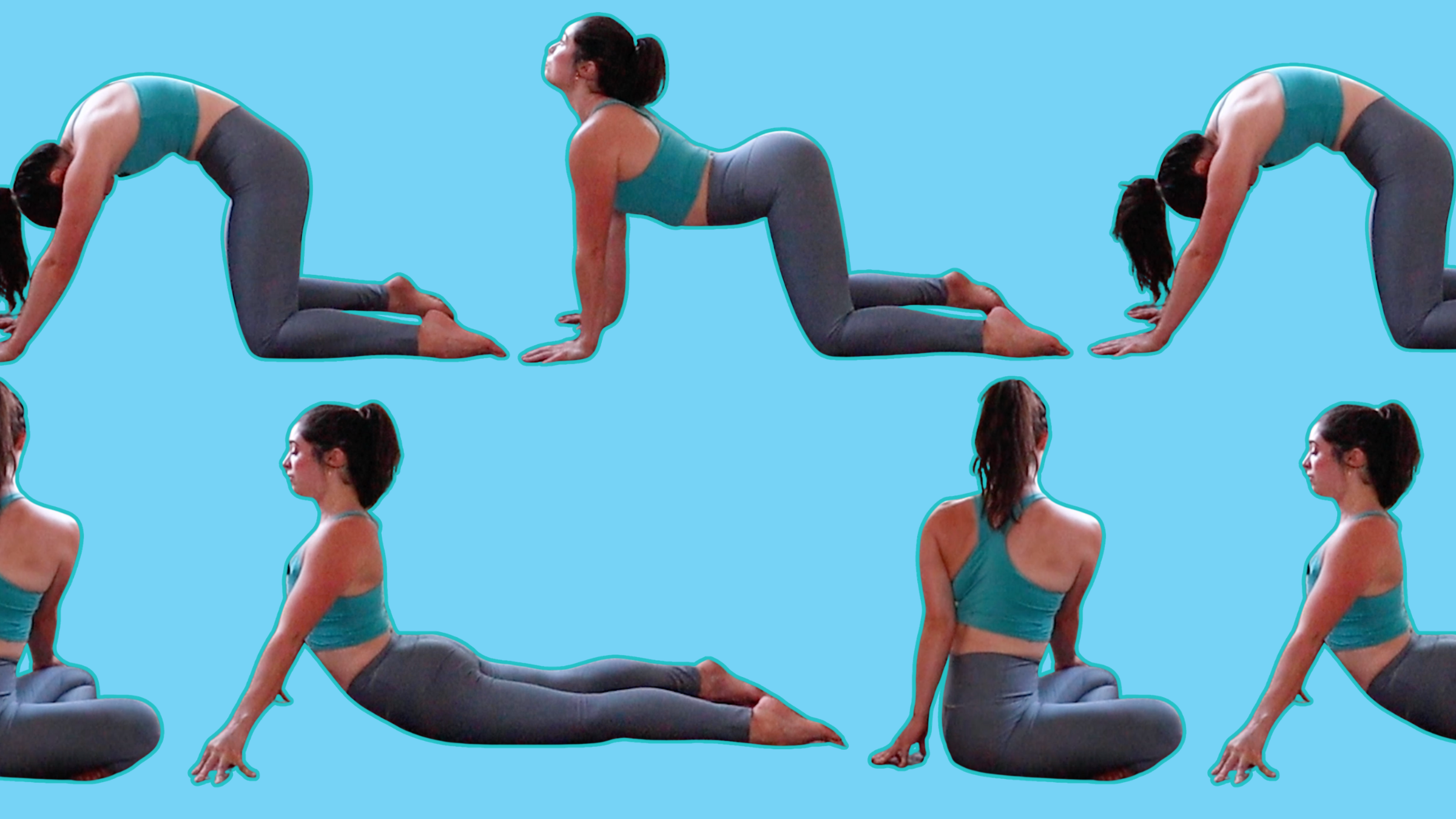
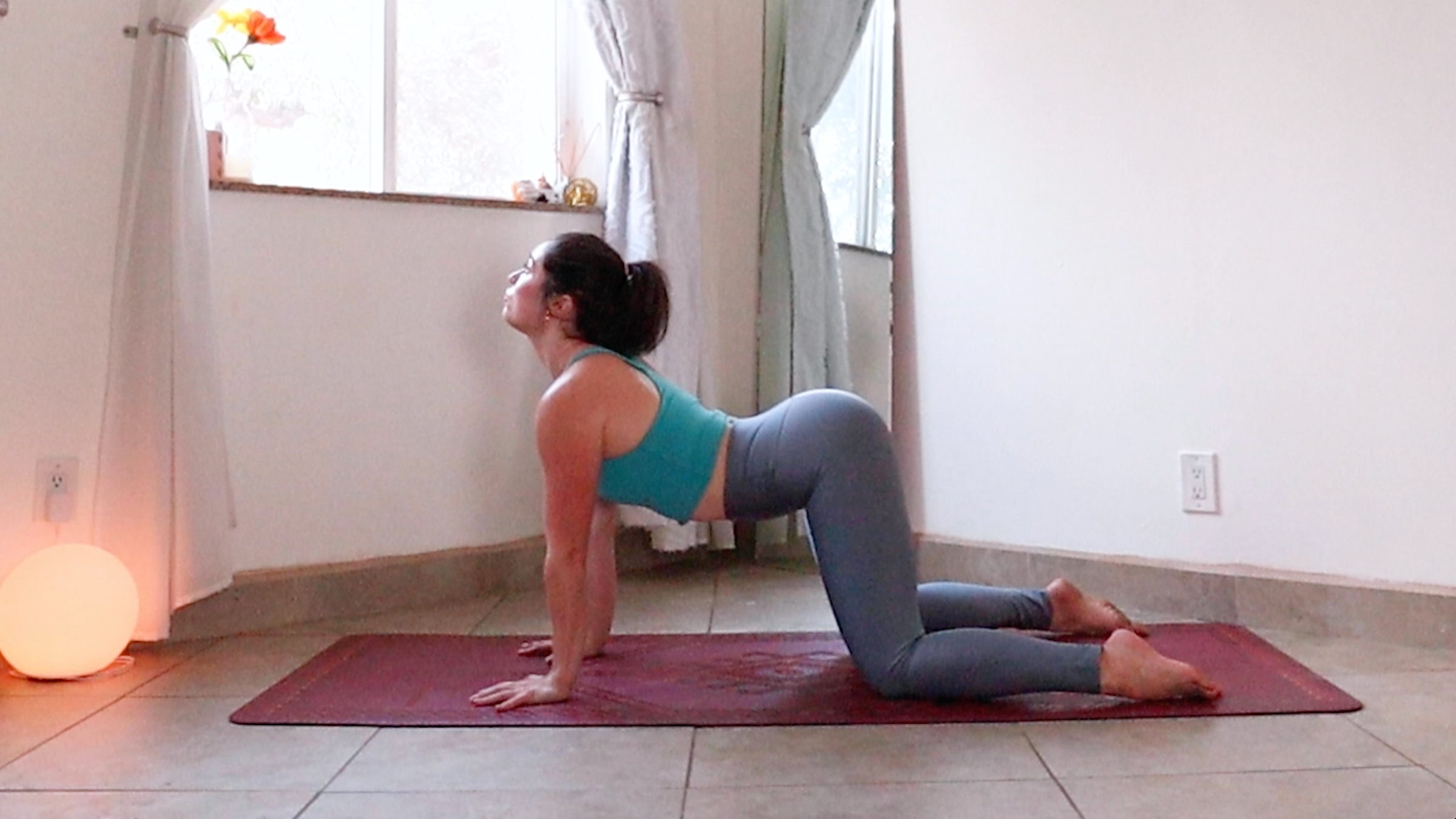
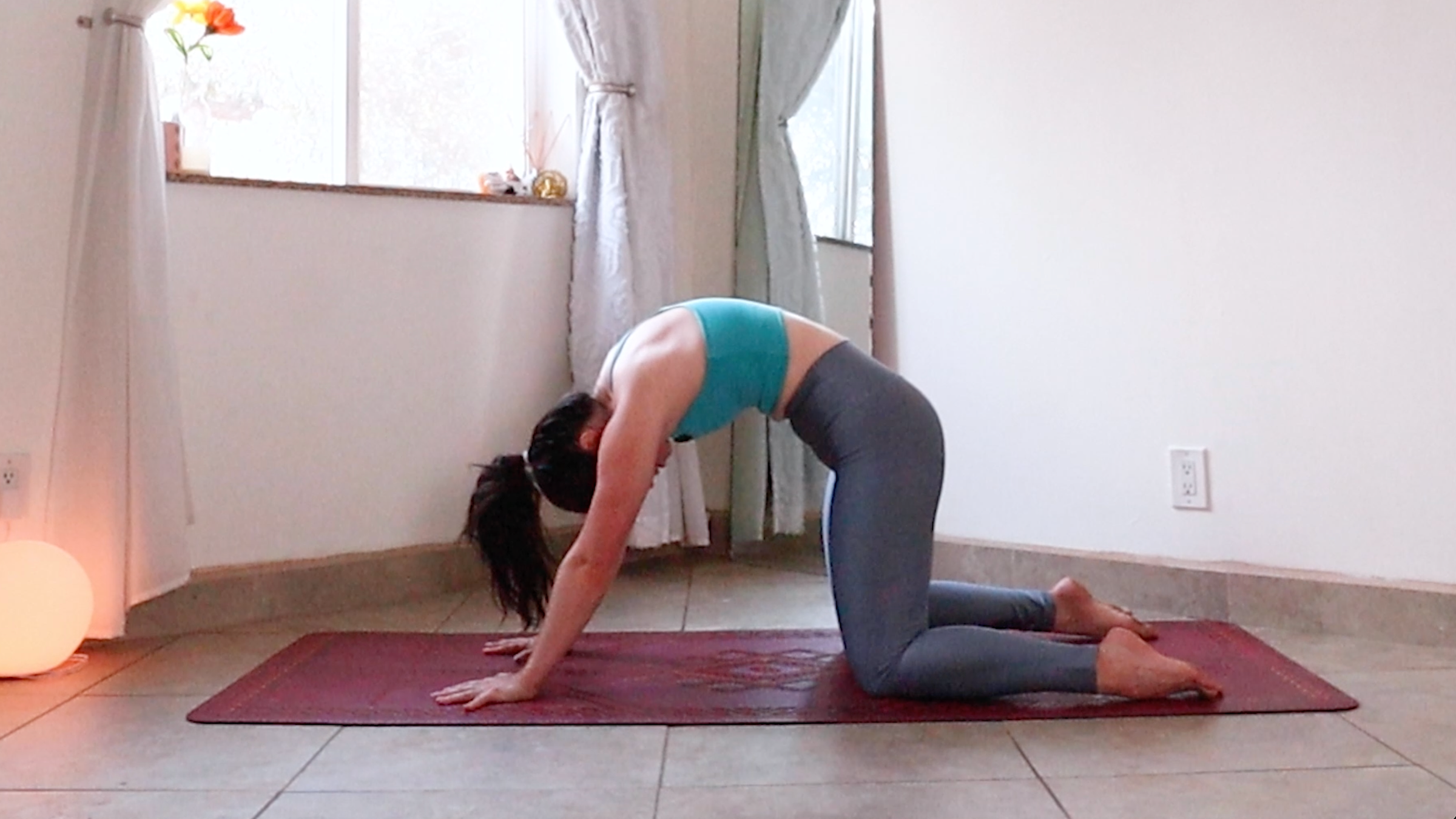
The practice begins in a stable Tabletop position, establishing a baseline of alignment with hands positioned beneath the shoulders and knees directly under the hips. The opening phase utilizes the classic somatic pairing of Cow Pose and Cat Pose. During an inhalation, the practitioner lowers the belly and elevates the chin and chest into Cow Pose, gently opening the front body. Upon exhalation, the movement reverses into Cat Pose, characterized by a rounded spine and a tucked chin. Moving at the individual’s natural breath rate for a total of five cycles, practitioners are encouraged to introduce organic fluidity—such as gentle weight-shifting forward, backward, or laterally—to warm up the spinal column.
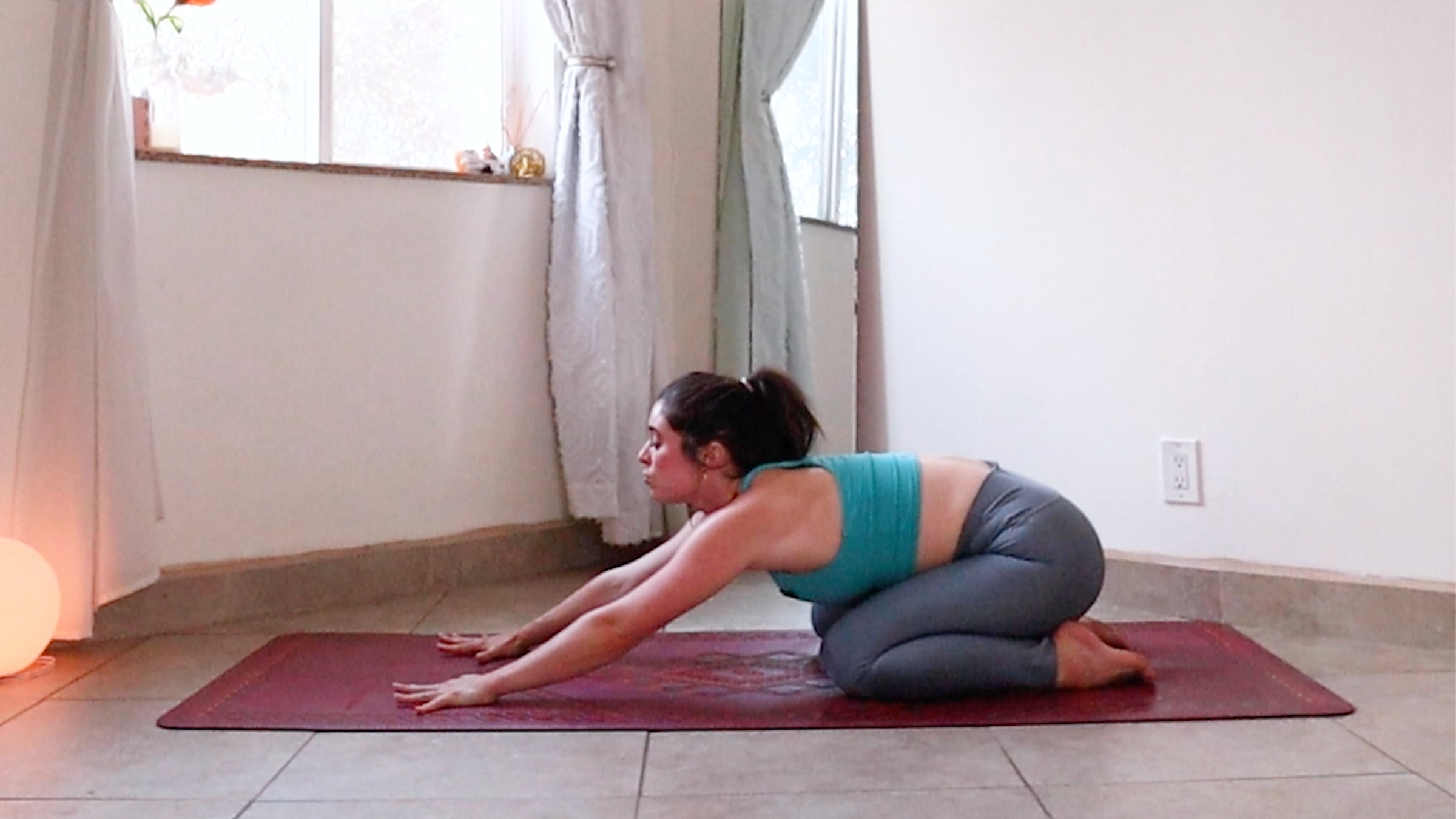
Transitioning from the spinal warm-up, the sequence introduces a Child’s Pose Variation. Inhaling through Cow Pose, the practitioner then exhales while sliding the sit bones back to hover over the heels, maintaining an active posture with an extended spine and a forward-facing gaze. This movement effectively decompresses the lower back while engaging the core stabilizers.
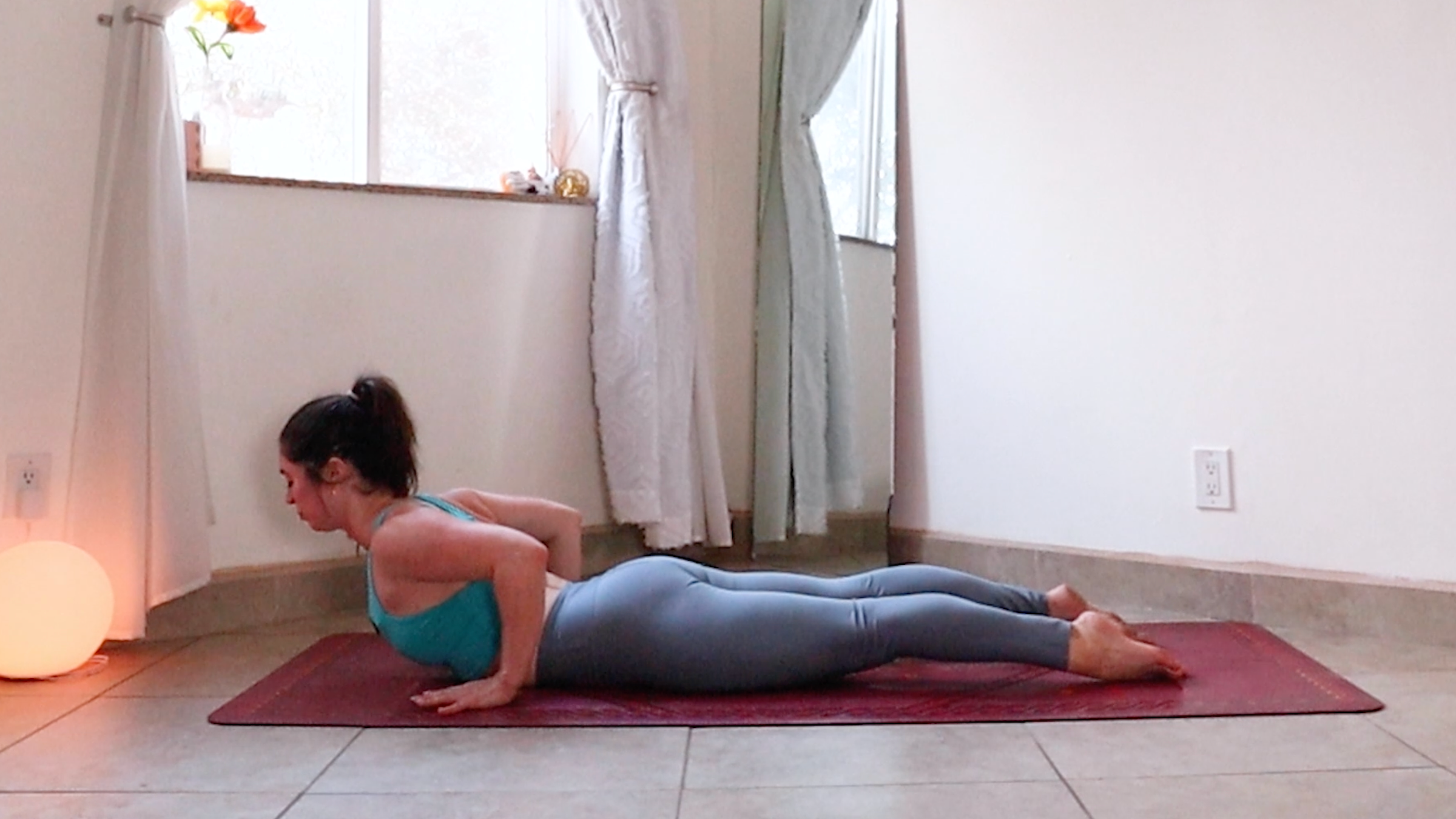
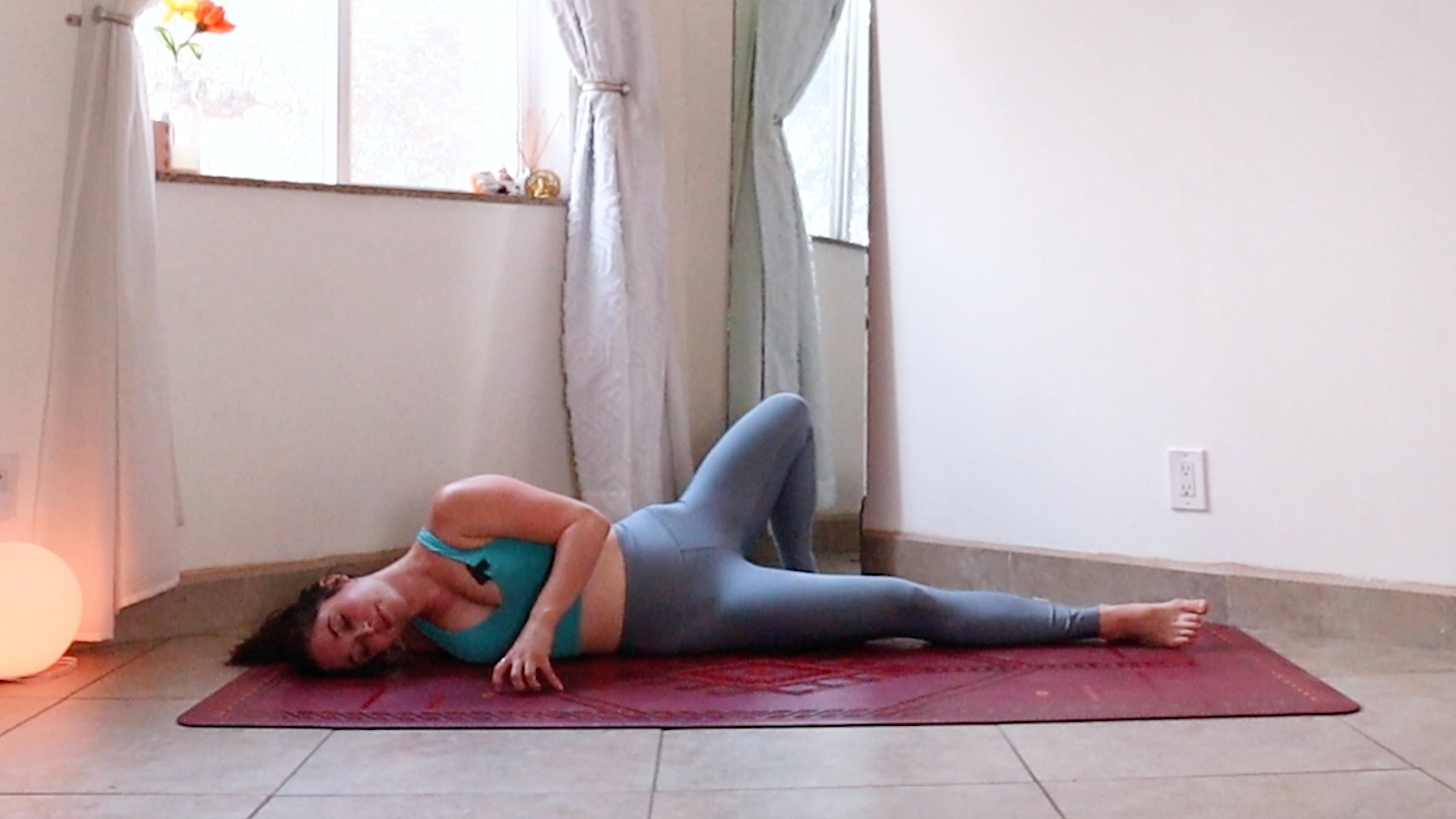
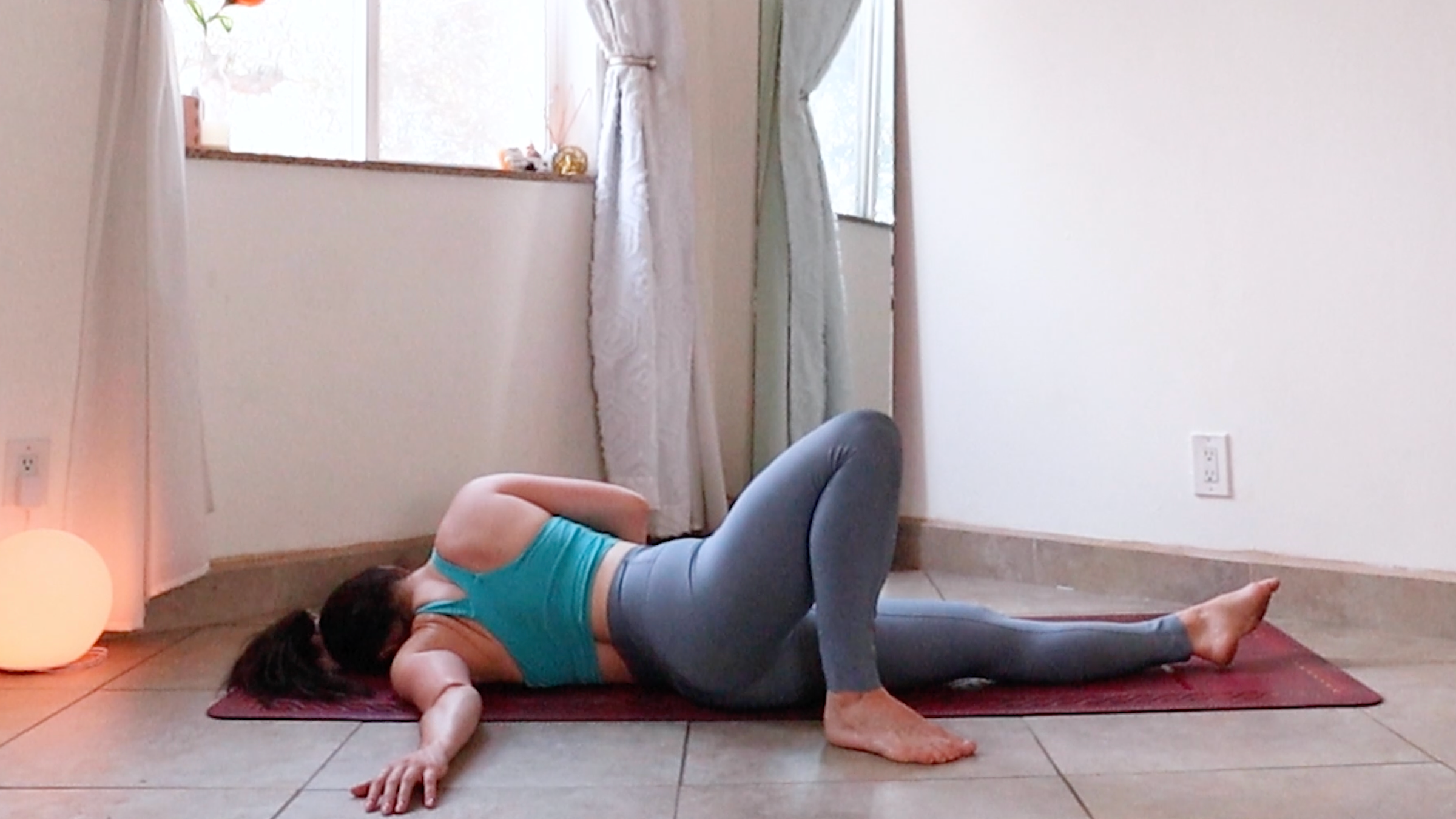
The flow then transitions to the prone positions, beginning with Baby Cobra Pose. Shifting forward through a Cat Pose on an inhalation, the practitioner lowers onto the belly with legs extended. Pressing the palms lightly into the mat allows the chest to lift comfortably, engaging the posterior chain. Following a full breath cycle in Baby Cobra, the sequence advances into a deep shoulder and chest opener known as Broken Wing. The right arm extends straight out to the side in a T-position, while the left hand presses into the mat to roll the body onto the right outer hip. Bending the left knee allows the left foot to plant securely behind the right leg, creating a profound release across the pectoral muscles and anterior deltoids. After holding this position for two breath cycles, the practitioner mirrors the movement on the opposite side.
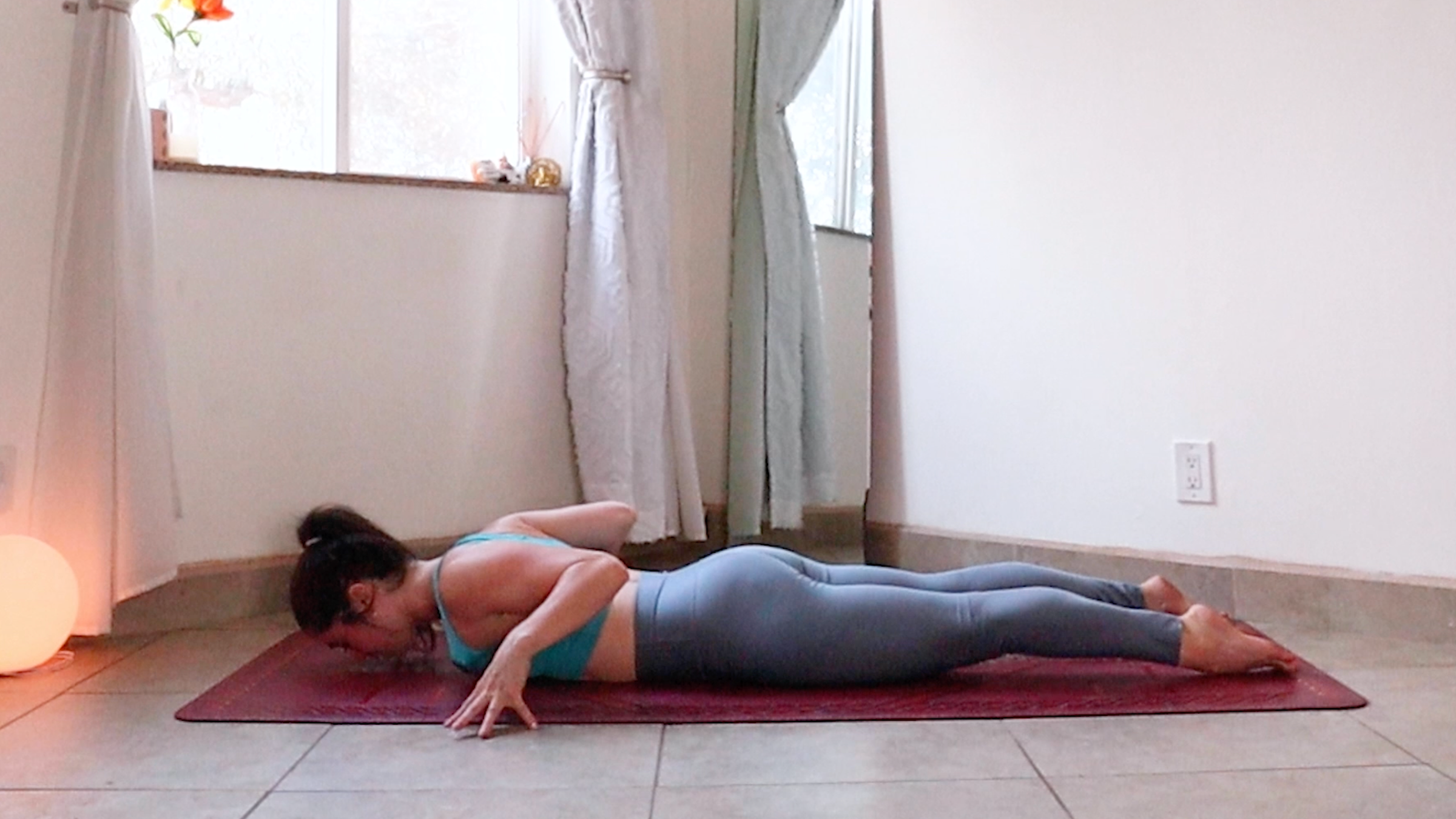
Returning to a prone layout, the routine incorporates High Cobra Lifts. With fingertips tented beside the shoulders, the practitioner inhales to press through the tops of the feet, thighs, and hands, rising into a higher backbend. Modifications are built into this phase, allowing individuals to walk their hands forward or maintain a bend in the elbows to protect the lumbar spine.
The sequence then moves into a Kneeling Side Plank to target the lateral body and obliques. Returning to hands and knees, the practitioner pivots the shins and stacks the feet toward the right side of the mat, extending the left arm upward on an inhalation. Reaching the lifted arm overhead further stretches the lateral fascia before transitioning to the opposing side.
Integrating Dynamic Flow and Waves
As the sequence progresses toward its midpoint, the practice incorporates foundational postures designed to build functional strength and flexibility. Moving from the kneeling position, the practitioner curls the toes under and elevates the hips into Downward-Facing Dog. Held for five breath cycles, this posture allows for organic movement such as pedaling the heels or swaying the hips to release tightness in the calves and hamstrings.
From Downward-Facing Dog, the routine transitions dynamically into Plank Pose by lifting the heels and rounding the spine forward on an inhalation. Returning to the knees or pressing back to Downward-Facing Dog creates a wave-like motion through the spine. Repeating this breath-led undulation three times enhances core stability and lubricates the spinal joints.
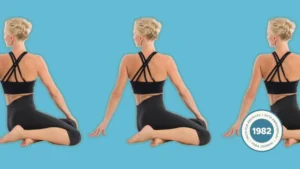
The concluding standing and seated portions of the flow bring the practice back toward a state of internal calm. Walking the feet forward to meet the hands, the practitioner lowers into a comfortable seated position. A Seated Twist follows, with the arms reaching overhead on an inhalation before twisting toward the right, placing the right fingertips behind the body and the left hand on the right thigh. After three breath cycles, the movement is repeated on the left side.
Broader Implications and Expert Insights
Physical therapists and ergonomic specialists emphasize that incorporating short, targeted movement breaks throughout the day can significantly mitigate the long-term musculoskeletal damage associated with sedentary lifestyles. While a 15-minute yoga flow cannot reverse chronic medical conditions, repetitive implementation of breath-synchronized stretching aids in postural awareness and stress reduction.
In her closing remarks for the practice, LeGrand guides participants to unwind by reaching their fingertips skyward before resting their hands on their thighs, palms facing upward or downward. By closing the eyes and turning focus inward for one to five minutes, practitioners allow the nervous system to consolidate the physical benefits of the practice. Concluding with hands at heart center, the routine fosters a sense of self-acknowledgment, encouraging individuals to carry a heightened sense of bodily awareness into the remainder of their day.