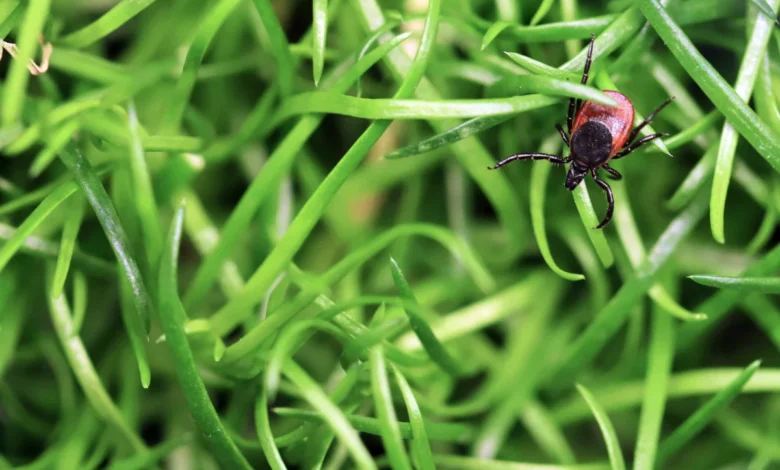
Lyme disease, a complex and often misunderstood illness transmitted by ticks, presents a far more intricate challenge than the simplistic notion of a single tick bite followed by a course of antibiotics. The reality, according to medical professionals specializing in tick-borne illnesses, is a multifaceted condition influenced by bacterial pathogens, co-infections, and the body’s intricate response, demanding a comprehensive diagnostic and treatment approach.
The Elusive Nature of Tick-Borne Illnesses
At its core, Lyme disease is caused by the spirochete bacterium Borrelia burgdorferi. However, the transmission vector—the tick—often carries a host of other microorganisms, including bacteria, parasites, and viruses. These co-infections significantly complicate the diagnostic process and treatment efficacy, making Lyme disease a formidable opponent for both patients and physicians.
"The common perception of Lyme disease is an oversimplification," states Dr. Ronald Stram, founder and medical director of the Stram Center for Integrative Medicine. "Many people believe it’s hard to contract, straightforward to diagnose, and easily treated. In reality, all three of these are significant misconceptions."
Why Lyme Disease Remains Undiagnosed
Several factors contribute to the difficulty in identifying Lyme disease. Ticks, particularly in their nymphal stage, are minuscule—often no larger than a poppy seed or the tip of a ballpoint pen. Their saliva contains an anesthetic, meaning the bite itself is frequently unnoticed. Even when a bite is detected, the initial reaction might be a minor red spot, easily overlooked.
The classic "bullseye" rash, or erythema migrans, while indicative of Lyme, is not universally present. Estimates suggest it appears in only 70-80% of early Lyme disease cases, and even when it does manifest, it can be mistaken for other skin conditions. Furthermore, the Borrelia burgdorferi bacterium reproduces slowly, meaning symptoms can take weeks or even months to emerge, allowing the infection to establish itself before it’s recognized.
The Cascade of Symptoms and Co-Infections
When symptoms finally appear, they can be triggered by Borrelia burgdorferi itself or by the accompanying co-infections. Bacterial co-infections like Anaplasma and Ehrlichia can manifest acutely within days or weeks of a tick bite, presenting with symptoms such as high fever, profound fatigue, and cognitive impairment. Flu-like symptoms, joint pain, and muscle aches are also common initial presentations.
The slow growth rate of Borrelia burgdorferi poses a unique challenge for antibiotic treatment. Antibiotics are most effective against actively replicating bacteria. A short course of antibiotics, typical for many bacterial infections, may not be sufficient to fully eradicate the slow-growing Lyme pathogen. This can lead to persistent symptoms, often mislabeled as "post-treatment Lyme disease syndrome" (PTLDS), when in fact, the initial treatment may have been inadequate.
"If we only focus on Borrelia burgdorferi and overlook the co-infections, those other pathogens can continue to proliferate, contributing to the ongoing symptom burden," explains Dr. Stram. This underscores the critical need for thorough testing and a holistic evaluation of the patient’s entire clinical picture, rather than a singular focus on one pathogen.
Lyme Disease: The Great Imitator
The diverse and systemic nature of Lyme disease has earned it the moniker "the great imitator." It can mimic a wide array of other conditions, affecting multiple organ systems and presenting with a vast spectrum of symptoms, making accurate diagnosis a significant hurdle.
Diagnostic Challenges and Testing Limitations
A primary challenge in diagnosing Lyme disease lies in the nature of the testing itself. Current diagnostic methods primarily rely on detecting the body’s immune response—the production of antibodies—rather than directly identifying the pathogen. This indirect detection method means that diagnostic tests may yield false-negative results, especially in the early stages of infection when antibody levels are still low.
"The tell-tale immune response may not appear until weeks after the infection occurs," notes Dr. Stram. "This means testing can be negative even though pathogens are actually present." This temporal lag necessitates clinical judgment to be paramount, especially when a patient presents with a history of potential tick exposure and a constellation of symptoms consistent with Lyme disease. Repeat testing may be warranted if initial results are inconclusive but clinical suspicion remains high.
Clinical Manifestations and Systemic Impact
Joint pain is a hallmark symptom of Lyme disease, but its migratory nature—shifting from one joint to another—is a key differentiator from other forms of arthritis. However, the disease’s impact extends far beyond the musculoskeletal system. Neurological symptoms, including memory loss, cognitive difficulties, and nerve pain, are common. Patients may also experience pelvic or abdominal pain due to nerve involvement. Cardiovascular manifestations, such as irregular heart rhythms and fainting spells, can also occur, posing serious health risks.
Other prevalent symptoms include muscle pain, cramping, chronic fatigue, headaches, sleep disturbances, and generalized neurological dysfunction. The sheer breadth of these symptoms contributes to Lyme disease’s misidentification as fibromyalgia, chronic fatigue syndrome, multiple sclerosis, or even psychiatric conditions.
A Holistic Approach to Diagnosis and Treatment
Recognizing the complexity of Lyme disease necessitates a comprehensive diagnostic strategy that moves beyond standard protocols. At specialized centers, the initial patient consultation can extend for up to 90 minutes, a deliberate investment in understanding the patient’s full medical history and environmental exposures. This detailed history remains the cornerstone of diagnosis, with laboratory testing serving as a supportive tool rather than a definitive answer.

Practitioners assess risk factors such as outdoor activities, occupation, pet ownership, and geographical location. The evaluation extends to identifying other potential medical conditions and assessing the individual’s overall "biological terrain"—the internal environment of the body that can influence health and disease. This may involve a range of laboratory tests, imaging studies, and other diagnostic modalities to pinpoint all contributing factors to the patient’s illness.
The Crucial Role of Nutrition and Lifestyle
The body’s inflammatory response is a significant driver of symptoms in Lyme disease, making nutritional interventions a vital component of recovery. A thorough dietary assessment is integral to the treatment plan, often involving collaboration with registered dietitians.
General dietary recommendations aim to reduce inflammation and support gut health. This typically involves minimizing processed foods, preservatives, refined carbohydrates, and excessive sugar, which can negatively impact the gut microbiome and exacerbate inflammation. Conversely, a diet rich in whole foods, fruits, vegetables, and lean proteins is encouraged.
Beyond diet, mental health support is equally critical. The chronic nature of Lyme disease can take a significant psychological toll. Counseling and emotional support are recognized as essential elements for overall well-being and recovery.
Hyperbaric Oxygen Therapy: An Emerging Adjunct
Hyperbaric oxygen therapy (HBOT) is increasingly recognized as a valuable adjunct in the comprehensive treatment of Lyme disease. HBOT involves breathing pure oxygen in a pressurized chamber, which significantly increases the oxygen levels in the blood and tissues. This enhanced oxygenation can promote tissue repair and healing.
More importantly for Lyme disease, HBOT may possess antimicrobial properties. Borrelia burgdorferi and certain co-infections struggle to survive in highly oxygenated environments. B. burgdorferi has a remarkable defense mechanism: it forms biofilms, protective layers that shield the bacteria from the immune system and hinder antibiotic penetration. These biofilms allow the bacteria to evade immune surveillance, create chronic inflammation, and persist in a dormant state for extended periods.
"With HBOT, the plasma becomes saturated with oxygen at levels not possible under normal circumstances," explains Dr. Stram. "This significantly elevates tissue oxygenation, bypassing the limitations of oxygen delivery solely through hemoglobin. Bacteria may hide from immune cells in the bloodstream, but they cannot hide from oxygen."
The elevated oxygen levels can also bolster the activity of white blood cells, enhancing their ability to fight infection. Furthermore, HBOT can stimulate angiogenesis, the formation of new blood vessels, which improves circulation to affected tissues. This enhanced blood flow can, in turn, improve the penetration of antibiotics and other therapeutic agents to eradicate the well-protected bacteria.
Patients undergoing HBOT often report improvements in a range of symptoms, including reduced neuroinflammation, enhanced short-term memory, decreased fatigue, fewer headaches, alleviation of depression, better sleep quality, reduced joint and muscle pain, and increased energy levels. When integrated into a multi-modal treatment plan, HBOT can accelerate recovery and improve overall patient outcomes.
Addressing Persistent Misconceptions
The persistence of common misconceptions surrounding Lyme disease continues to hinder effective diagnosis and treatment. The belief that Lyme is difficult to contract is contradicted by its prevalence, particularly in endemic regions. The notion that it is easy to diagnose is challenged by the limitations of current testing and the disease’s ability to mimic other conditions. Similarly, the idea that it is easily treated is often dispelled by the reality of chronic and persistent symptoms.
The reliance on antibody testing, which can be inaccurate in early stages, and the potential for false negatives contribute to diagnostic delays. Furthermore, the slow growth of Borrelia burgdorferi means that short or incomplete antibiotic courses may fail to achieve eradication, leading to lingering symptoms.
The presence of co-infections is another frequently overlooked aspect. For successful recovery, all contributing pathogens must be identified and addressed. Finally, persistent symptoms after treatment are sometimes prematurely dismissed as PTLDS, when they may actually indicate an incomplete treatment or a failure to recognize the full scope of the illness.
"Treatment decisions should be based on clinical judgment, not solely on laboratory results," emphasizes Dr. Stram. "If someone has a high likelihood of exposure and a symptom pattern consistent with Lyme disease, treatment should be considered. Antibiotics, when used appropriately and supported by probiotics and other therapies, are generally safe and can be highly effective."
Ultimately, successful management of Lyme disease hinges on a paradigm shift: recognizing its complexity and adopting a patient-centered approach that addresses the whole person, not just isolated test results. This holistic perspective, integrating advanced diagnostics, targeted therapies like HBOT, and supportive lifestyle interventions, offers the most promising path towards recovery for those affected by this intricate tick-borne illness.