The Clinical Significance of Misleading Lab Results
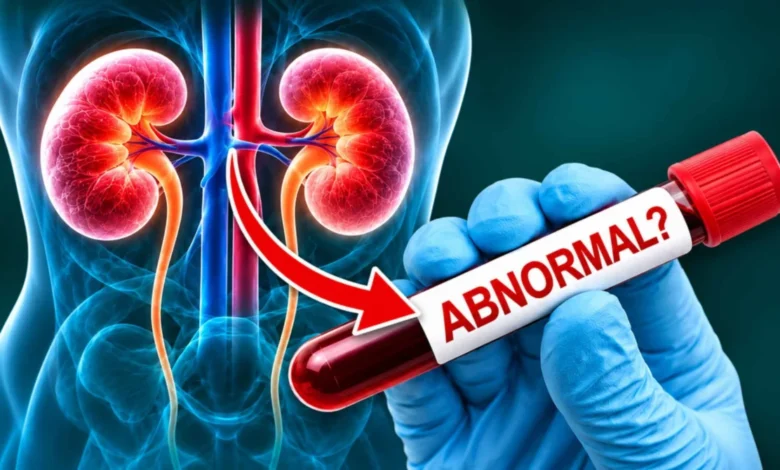
The diagnostic landscape for kidney health is dominated by the Estimated Glomerular Filtration Rate (eGFR), a calculation based on serum creatinine levels. Creatinine is a metabolic byproduct of muscle tissue and protein consumption, filtered from the blood by the kidneys. When clinical reports show a declining eGFR, physicians are often alerted to potential renal failure. However, a "falsely low" eGFR can trigger a cascade of secondary medical decisions, including the inappropriate cessation of vital medications like Metformin—the global gold standard for diabetes management—or the cancellation of necessary diagnostic imaging procedures, such as CT scans that require contrast dyes.
Medical practitioners are increasingly reporting cases where patients were wrongly diagnosed with renal impairment, only for follow-up testing conducted under controlled conditions to reveal normal kidney function. This disconnect highlights a significant gap between laboratory standards and the reality of patient lifestyle factors that influence biochemical markers.
1. Dietary Impact: The Case of High-Protein Intake
The most common, yet under-reported, variable is the consumption of meat the night before a blood draw. When meat is cooked, the naturally occurring creatine within the muscle tissue undergoes a chemical transformation into creatinine. Once ingested, this exogenous creatinine is absorbed by the digestive system and enters the bloodstream. Clinical observations indicate that this spike can occur within two hours, with studies showing that healthy individuals experienced an eGFR drop from 84 to under 60—the threshold for stage 3 chronic kidney disease—following a single meal.
The implications for diagnostic accuracy are significant. Research involving diabetic patients has shown that even those with pre-existing renal issues can see their clinical staging jump from 3A to 3B simply due to dietary intake. The consensus among specialists is that, if permitted by a physician, patients should opt for a plant-based, low-protein meal the evening prior to testing and maintain a 12-hour fast to ensure that the creatinine levels measured are reflective of internal organ function rather than recent dietary choices.
2. The Creatine Supplementation Variable
Creatine monohydrate remains one of the most widely used performance supplements globally. While its safety for kidney function has been established in numerous peer-reviewed studies, its impact on laboratory tests is undeniable. In a study of 36 young men, a daily dose of 3 to 5 grams of creatine over five weeks significantly elevated serum creatinine levels, thereby artificially lowering the eGFR. Importantly, direct measurements of kidney filtration using tracers remained unchanged, proving the kidneys were functioning perfectly while the "lab score" suggested otherwise. For patients already managing kidney disease, the advice remains strict: consult with a nephrologist before starting any supplement regimen and ensure that laboratory personnel are fully informed of any ongoing supplement use.
3. Dehydration and Hemoconcentration
Fasting for a blood test does not imply a total cessation of fluid intake. A common error among patients is the complete avoidance of water during the fasting window, which leads to blood concentration. This state of dehydration increases the concentration of Blood Urea Nitrogen (BUN) and creatinine, which in turn drags the eGFR downward. Unless a patient is on a medically supervised fluid restriction for conditions like congestive heart failure, plain water should be consumed leading up to the test. Hydration ensures that the blood volume is at a baseline level, allowing for an accurate reflection of metabolic waste concentration.

4. Fasting Protocols and Medication Management
Modern diagnostics have evolved, yet many patients adhere to outdated "total fast" protocols. Many cholesterol panels and blood sugar tests (such as A1C) no longer strictly require fasting, as recent clinical data from European cardiovascular societies suggests that the impact of a standard meal on LDL cholesterol is statistically negligible. Patients should proactively ask their healthcare provider if fasting is necessary for their specific panel. Furthermore, the improper management of medications—such as skipping insulin or diabetes medication without clinical guidance—can lead to dangerous hypoglycemic events. Communication with a primary care provider regarding the morning-of-test routine is essential for safety.
5. The Physiological Impact of High-Intensity Exercise
The human body’s response to physical exertion is profound and can mimic symptoms of organ distress. Strenuous exercise, particularly heavy weightlifting or high-intensity interval training, can cause the temporary leakage of muscle enzymes—specifically AST, ALT, and CK—into the bloodstream. These are the same markers used to assess liver and heart health. Clinical research indicates that a single hour of intense lifting can keep these markers elevated for at least one week. Furthermore, exercise can lead to "transient proteinuria," where protein appears in the urine, creating a false-positive indicator of kidney damage. To avoid this, patients are advised to refrain from initiating new or heavy exercise routines in the seven days preceding a scheduled test.
6. The Biotin Interference
Vitamin B7, or biotin, is a ubiquitous ingredient in hair, skin, and nail supplements, often provided in doses far exceeding the body’s daily requirement of 0.03 mg. Because many laboratory immunoassay tests utilize biotin-streptavidin technology, high circulating levels of the vitamin can interfere with test results, leading to both false-high and false-low readings. The FDA has issued warnings specifically regarding troponin tests, which are used to identify heart attacks; a false-low reading due to biotin interference could lead to a missed cardiac event. Experts recommend a 72-hour "washout" period—ceasing all high-dose biotin supplements at least three days before a blood draw.
7. Phlebotomy Technique: The Fist-Clenching Effect
The process of blood collection itself can introduce error. A standard practice for many, encouraged by some phlebotomists, is to clench and unclench the hand to make veins more visible. This action causes forearm muscles to release potassium into the local bloodstream. This localized spike can lead to a diagnosis of hyperkalemia, a serious condition that can result in unnecessary emergency room visits or the improper discontinuation of life-saving heart medications. A study conducted in a Singapore hospital revealed that prohibiting the clenching of fists during blood draws reduced unexplained high-potassium results from 16% to under 4%. Patients should keep their hands relaxed and open during the procedure to ensure accuracy.
8. The Necessity of Cystatin C
When creatinine testing results are ambiguous, the medical community is increasingly turning to Cystatin C. Unlike creatinine, which is heavily influenced by muscle mass, protein intake, and activity levels, Cystatin C is produced by all nucleated cells at a constant rate and is less prone to external interference. The 2024 KDIGO (Kidney Disease: Improving Global Outcomes) guidelines now recommend that clinicians consider adding Cystatin C to the diagnostic panel when creatinine-based eGFR results are questionable. By utilizing both markers, physicians can achieve a more accurate picture of glomerular function, preventing the premature diagnosis of chronic kidney disease.
Implications and Conclusion
The data suggests that the "silent" variables of daily life exert a measurable influence on clinical diagnostics. While the medical community continues to refine these tests, the burden of accuracy rests on a collaborative effort between patient and provider. A single abnormal result should never be the sole basis for a diagnosis. Instead, clinicians are increasingly advocating for repeat testing under standardized conditions—often incorporating Cystatin C—before a patient is labeled with a chronic condition. For patients, the takeaway is clear: before the next blood draw, discuss your lifestyle, supplements, and exercise habits with your healthcare provider. A few days of preparation can prevent a false alarm and ensure that medical interventions are based on reality rather than a misread metric.