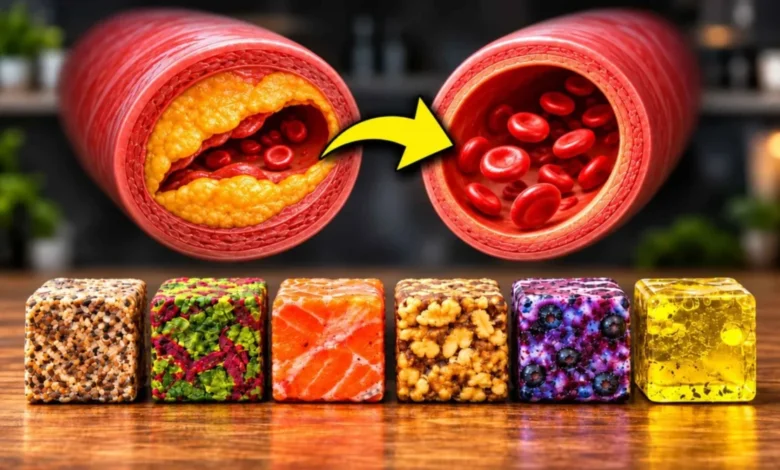
The cardiovascular system is often misunderstood as a passive plumbing network, with many patients envisioning arterial plaque as grease accumulating within a pipe. In reality, atherosclerosis—the buildup of plaque—is a complex, biological process that occurs within the artery wall itself. Understanding this mechanism is the first step toward effective dietary intervention. Clinical research, including insights from experts like Ben Azadi, suggests that while no food acts as a miracle "drain cleaner" for the cardiovascular system, specific nutritional choices can significantly alter the biological environment, potentially slowing the progression of plaque or improving vascular health.
The Mechanics of Atherosclerosis
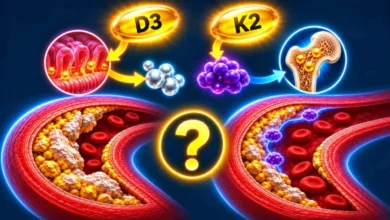
To grasp how diet influences heart health, one must first understand how plaque forms. The process begins with low-density lipoprotein (LDL) particles, which serve as transport vehicles for cholesterol in the bloodstream. Each LDL particle contains a protein known as apoB. When these particles infiltrate the arterial wall, they can become trapped, particularly if the inner lining (the endothelium) is damaged by hypertension, chronic inflammation, high blood sugar, or insulin resistance.
Once trapped, these particles become oxidized, triggering an immune response. The body sends white blood cells to the site to ingest the foreign material. These cells eventually die at the location, creating a lipid-rich core. Over time, the body attempts to seal off this injury, sometimes depositing calcium, which results in the hardening of the arteries. Crucially, modern cardiology recognizes that heart attacks are frequently caused by soft, inflamed plaques—often those that are not large enough to cause significant blockage—rather than the largest, most calcified ones.
The Evolution of Dietary Cardiology: A Chronological Perspective
The shift toward evidence-based nutritional cardiology has been driven by longitudinal trials that moved beyond the "low-fat" dogma of the 20th century. A cornerstone of this shift was the PREDIMED study (Prevención con Dieta Mediterránea), which began in 2003 and spanned several years. The study, involving over 7,400 participants, demonstrated that a Mediterranean-style diet supplemented with extra virgin olive oil or nuts resulted in a 30% reduction in major cardiovascular events compared to a low-fat control group.
This research, combined with smaller targeted trials involving flaxseed and nitrate-rich vegetables, has provided a roadmap for using food as a secondary support mechanism for heart health. These findings do not replace pharmacological treatments, such as statins or antihypertensives, but rather work in tandem to optimize the patient’s metabolic state.
Essential Foods for Vascular Integrity
1. Extra Virgin Olive Oil: The Polyphenol Powerhouse
The PREDIMED trial underscored the importance of high-quality fats. Extra virgin olive oil (EVOO) is distinct because it retains its polyphenols—compounds that prevent the oxidation of LDL cholesterol. A study reanalysis in 2018 confirmed the initial findings: consistent intake (roughly two to four tablespoons daily) provides a cardioprotective effect. The distinct, peppery sting felt in the throat when consuming high-quality EVOO is caused by oleocanthal, a natural anti-inflammatory agent.
2. Ground Flaxseed: Managing Hemodynamic Stress
Hypertension creates physical stress on the arterial lining, accelerating wear and tear. A Canadian clinical trial focusing on flaxseed revealed that daily consumption of approximately three tablespoons of milled flax—rich in lignans and plant-based omega-3s—could lower systolic blood pressure by 10 to 15 points. This result is particularly significant for patients with peripheral artery disease, as it mirrors the efficacy of some pharmacological interventions.
3. Nitrate-Rich Greens: Enhancing Nitric Oxide Production
Vegetables such as arugula, beets, and Swiss chard are high in dietary nitrates, which the body converts into nitric oxide. Nitric oxide is a signaling molecule that prompts blood vessels to dilate, improving circulation. Research from London indicates that a daily glass of beetroot juice can improve vessel dilation by up to 20%. However, this conversion process relies on oral bacteria; notably, the use of strong antiseptic mouthwashes can disrupt these bacteria, potentially negating the benefits of a nitrate-rich diet.

4. Small Fatty Fish (SMASH)
The acronym SMASH—Salmon, Mackerel, Anchovies, Sardines, and Herring—represents a sustainable and nutrient-dense source of EPA and DHA omega-3 fatty acids. While some consumer advice suggests that fish can drastically drop triglycerides, clinical evidence suggests this is only achieved at pharmaceutical doses (4 grams/day). For the average person, consuming these fish several times a week provides essential long-term anti-inflammatory support rather than a rapid therapeutic fix.
5. Walnuts: Reducing Particle Density
A two-year study involving 708 elderly adults highlighted the specific benefit of walnuts. Researchers found that a daily serving (roughly 14 halves) not only lowered LDL cholesterol but also reduced the presence of small, dense LDL particles—the type most prone to slipping into the arterial wall. This suggests that swapping processed snacks for walnuts can have a cumulative, positive impact on blood lipid profiles over time.
6. Berries: Anthocyanins and Vessel Health
Berries, particularly blueberries, are rich in deep-pigment antioxidants. A six-month trial on adults with metabolic syndrome showed that a daily cup of blueberries improved arterial stiffness and endothelial function. The key takeaway here is the dosage; while half-cup servings showed negligible results, the full-cup serving was statistically significant.
Clinical Implications and Expert Guidance
Medical experts emphasize that while these foods are potent, they must be viewed as part of a holistic lifestyle strategy. The broader impact of such a diet is the reduction of systemic inflammation, which is a primary driver of cardiovascular disease.
However, patients must navigate these dietary changes with caution. For instance, those prone to kidney stones should be mindful of the oxalate content in spinach and beet greens, opting for arugula as a safer alternative. Furthermore, the testing of Lipoprotein(a)—a genetically determined cardiovascular risk factor—is increasingly recommended by European guidelines. Since food has minimal impact on Lp(a) levels, medical management remains the primary recourse for high-risk individuals.
The Role of Professional Oversight
It is imperative to state that no dietary modification should be viewed as a substitute for prescribed medical therapy. Patients currently under the care of a cardiologist or primary care physician for heart disease, high blood pressure, or cholesterol management should not adjust their medication regimen based on nutritional trends.
The integration of these six foods into a daily regimen—such as incorporating ground flaxseed into a morning routine and utilizing extra virgin olive oil as a primary fat source—should be discussed during clinical consultations. By shifting the focus from "clearing" arteries to "optimizing the biological conditions" of the vascular system, patients can take a proactive role in maintaining their long-term health.
In summary, the consensus among researchers is clear: while the aging of the cardiovascular system is an inevitable biological process, the rate of decline and the severity of plaque development can be significantly mitigated through sustained, evidence-based nutritional choices. As clinical data continues to evolve, the emphasis remains on consistent, moderate, and high-quality dietary intake, supported by regular screening and medical oversight to ensure that interventions are both safe and effective.