Transforming Your Morning Routine: The Science and Practice of a Seven-Minute Full-Body Yoga Flow

Short-duration wellness interventions have increasingly become a focal point of public health discussions as modern lifestyles demand more efficient ways to maintain physical fitness and mental clarity. Among these, brief morning movement routines designed to alleviate nocturnal stiffness and stimulate the nervous system have gained substantial traction. Recently released instructional guides, such as the seven-minute morning yoga flow demonstrated by prominent instructor Yoga with Kassandra, highlight a growing shift toward micro-workouts. These compact routines offer measurable physiological benefits without requiring significant time commitments or specialized equipment, catering to time-constrained individuals seeking holistic health maintenance.
Background Context and the Rise of Micro-Workouts
The contemporary wellness landscape has experienced a notable pivot toward micro-workouts—bouts of physical activity lasting ten minutes or less. Historically, public health guidelines emphasized continuous, moderate-to-vigorous physical activity sessions lasting at least 30 minutes to confer cardiovascular and musculoskeletal benefits. However, contemporary kinesiology research increasingly supports the accumulation of shorter bouts of movement throughout the day. For morning routines, the primary physiological challenge is overcoming sleep-induced hypokinesis, a state of reduced physical activity during sleep that leads to fluid pooling, fascial tightening, and reduced joint lubrication.
When individuals sleep, synovial fluid production in the joints decreases, and muscles remain in relatively static positions for hours. Consequently, waking up is frequently accompanied by stiffness in major muscle groups, particularly the hamstrings, hip flexors, and thoracic spine. A targeted morning stretching sequence addresses these localized areas of tension, increases core body temperature, and enhances blood circulation to peripheral tissues. By incorporating focused breathwork alongside dynamic stretching, practitioners can stimulate the parasympathetic or sympathetic nervous systems depending on the desired outcome, though morning routines typically aim to elevate alertness and mental focus.
Anatomy of a Seven-Minute Morning Sequence
The structured seven-minute sequence developed by Yoga with Kassandra utilizes a blend of traditional hatha yoga postures and modern mobility drills. Designed to flow seamlessly from one movement to the next, the routine prioritizes areas of the body most susceptible to postural stress: the hips, hamstrings, and shoulders.
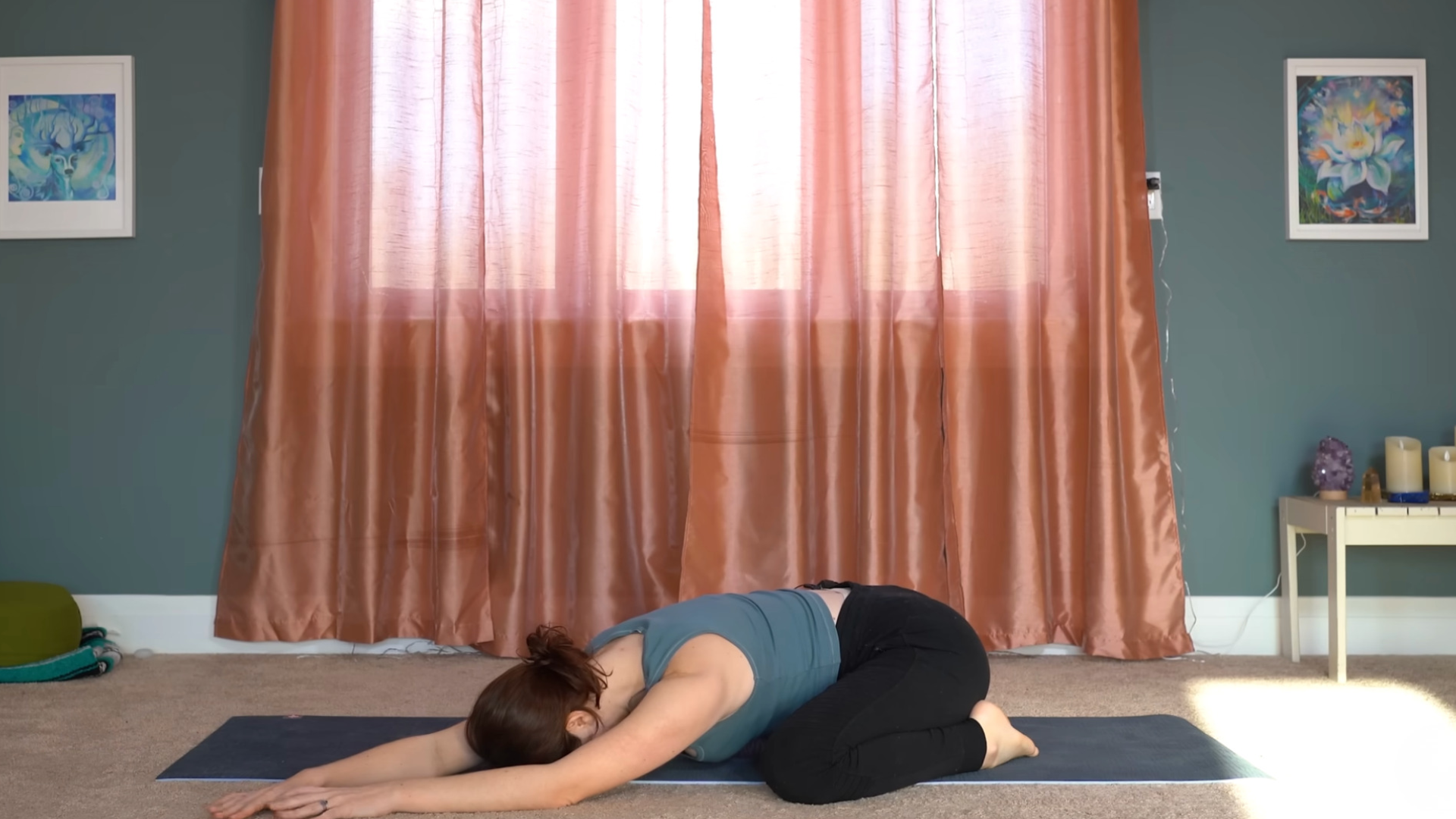
The practice commences with a specialized variation of Child’s Pose (Balasana). Rather than folding directly forward, practitioners initiate a lateral stretch by walking the fingertips toward the upper left corner of the mat. This movement elongates the latissimus dorsi and the intercostal muscles along the right flank. Holding the position for three deep diaphragmatic breaths encourages expansion in the thoracic cage, facilitating optimal oxygen exchange. Repeating the movement on the opposite side ensures bilateral symmetry in releasing fascial tension.
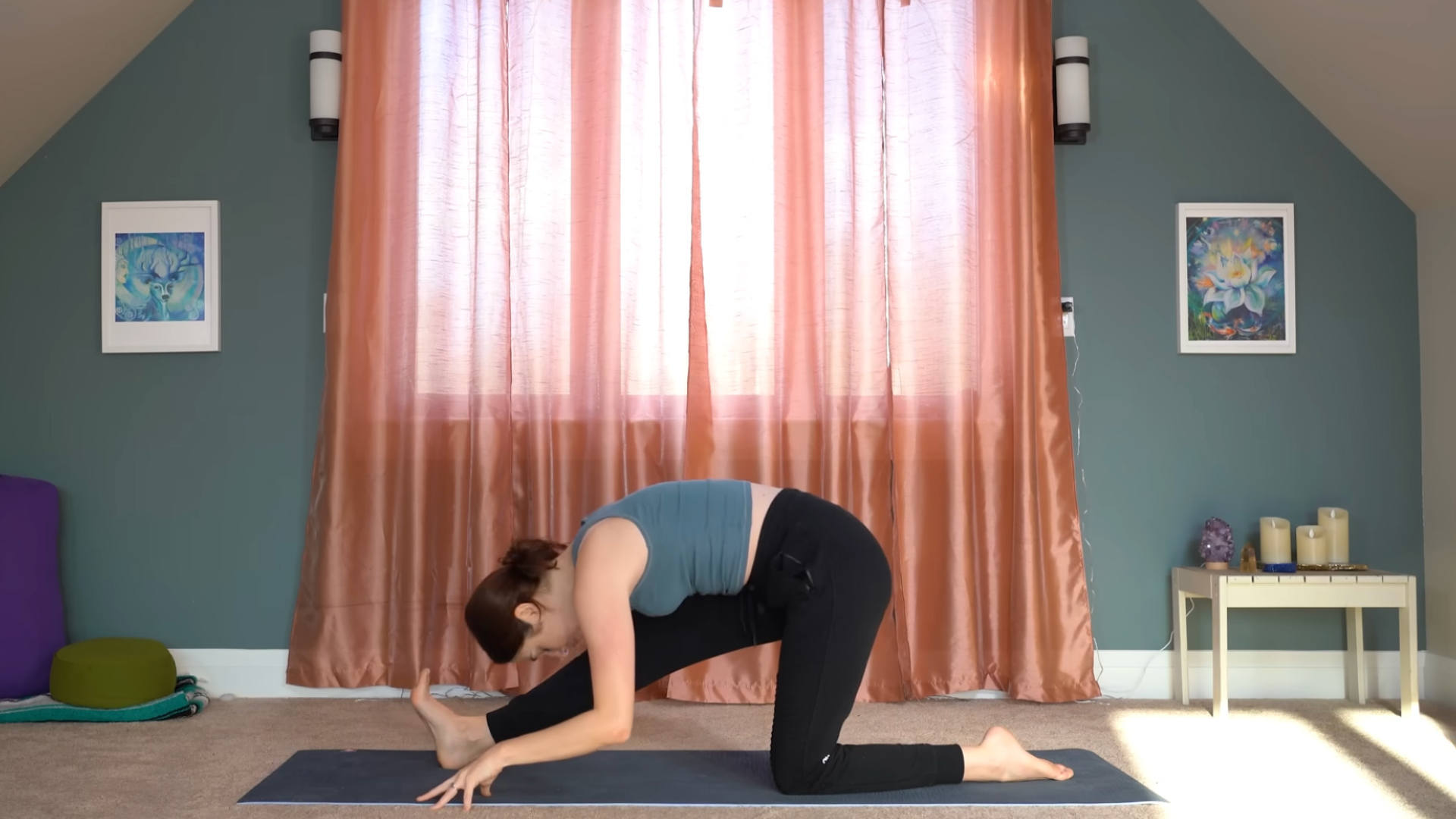
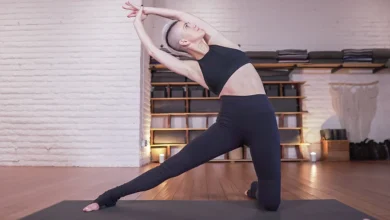
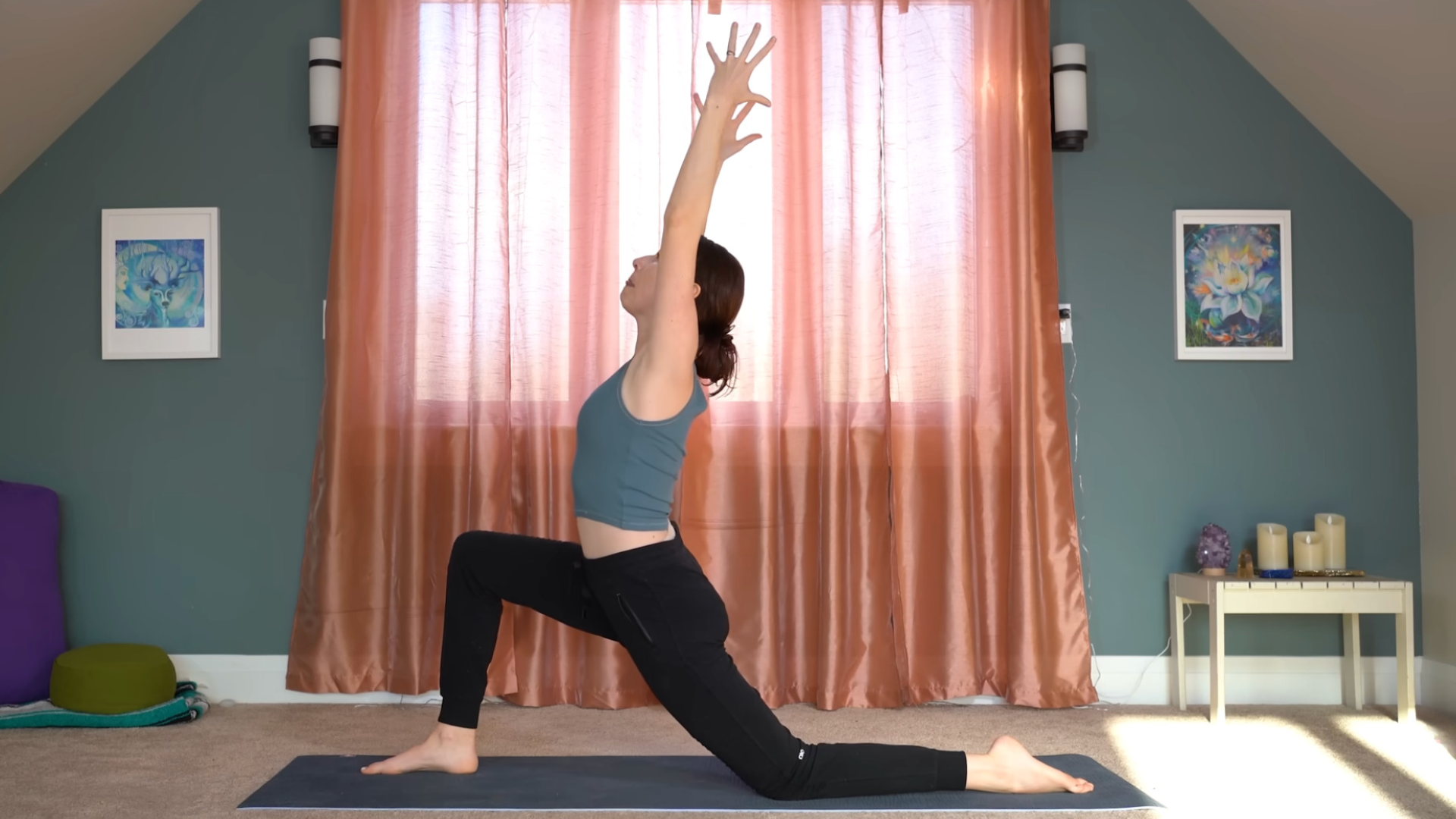
Transitioning from the floor, the sequence moves into Low Lunge (Anjaneyasana) and Half Splits (Ardha Hanumanasana). These poses target the hip flexors—predominantly the iliopsoas—which often shorten due to prolonged sitting, and the hamstrings. Maintaining alignment with the front knee stacked directly above the ankle prevents excessive shear stress on the patellar tendon, while engaging the core stabilizes the lumbar spine. In Half Splits, folding over the extended front leg provides a controlled, passive stretch for the hamstrings, mitigating the risk of microscopic muscle tears by utilizing gravity and steady exhalations.
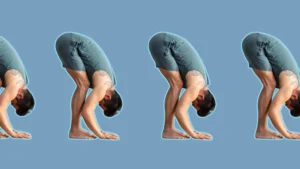
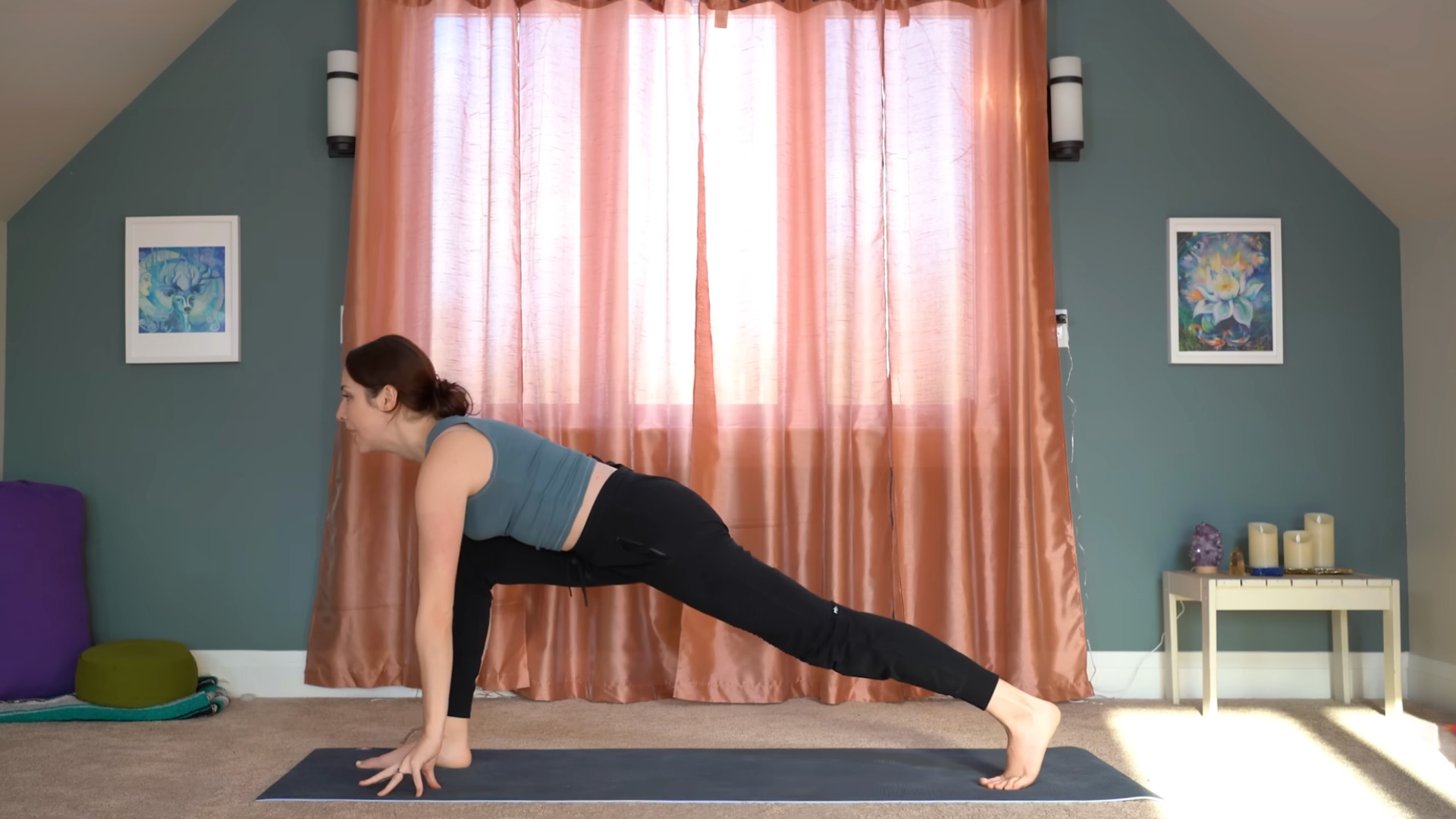
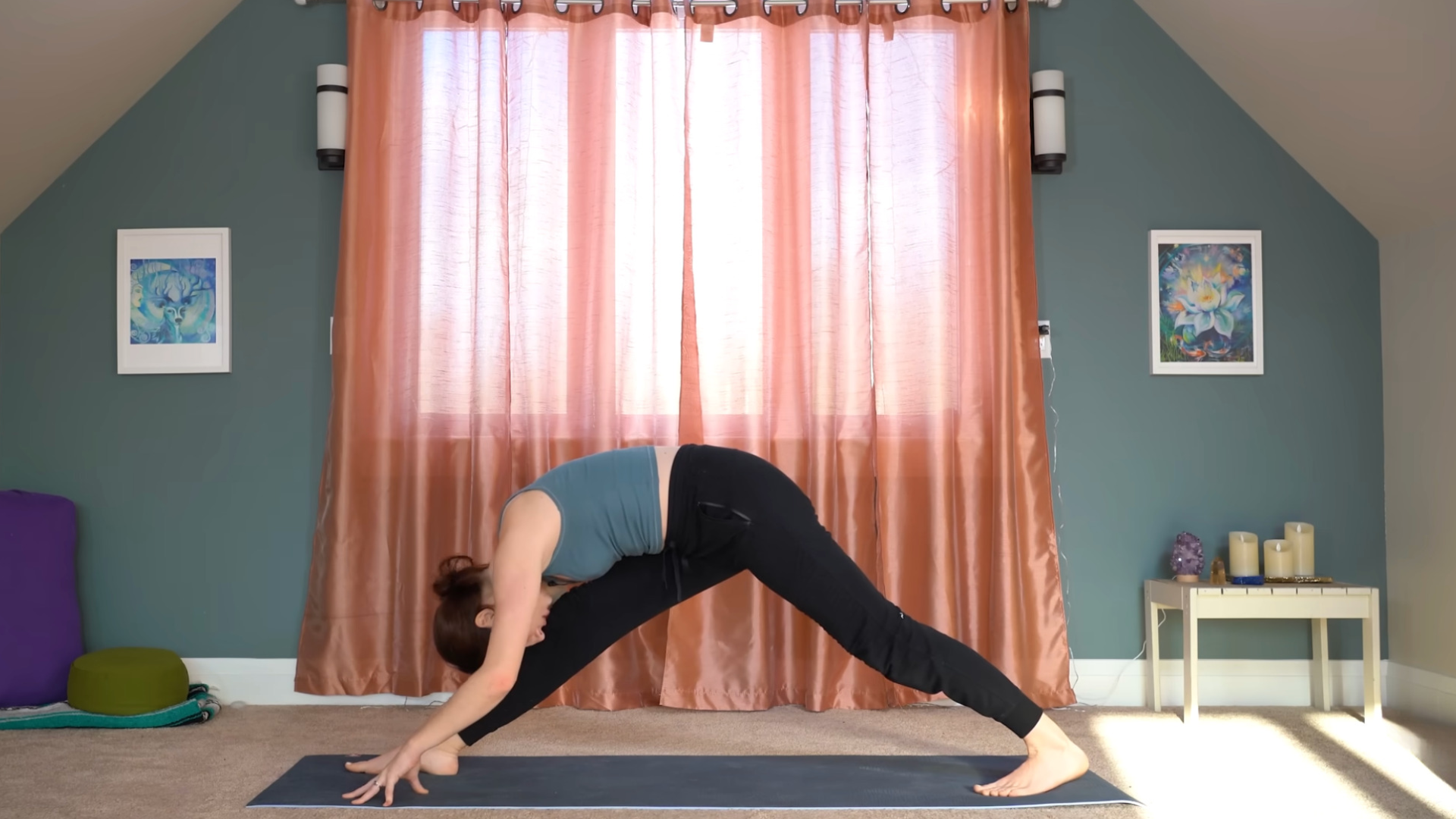
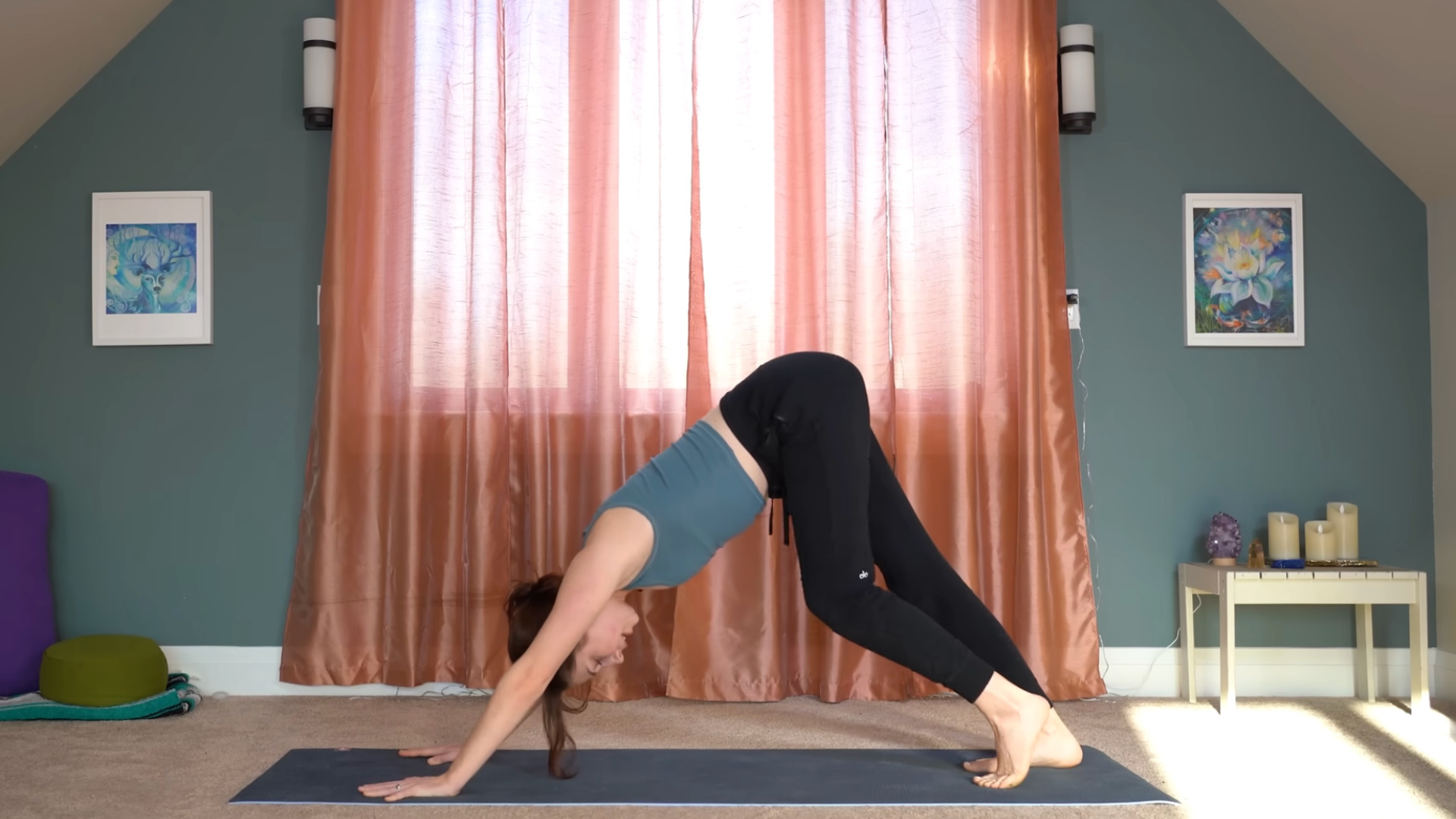
The routine then accelerates slightly with Runner’s Lunge and a Pyramid Pose variation. By lifting the back knee and pressing the heel backward, the practitioner engages the calves and stabilizes the pelvis, creating an integrated lower-body stretch. Transitioning into Downward-Facing Dog (Adho Mukha Svanasana) introduces an inversion that decompresses the spine, strengthens the shoulder girdle, and stretches the posterior kinetic chain. Alternating heel presses in Downward-Facing Dog dynamically flushes synovial fluid through the ankle joints and calves.
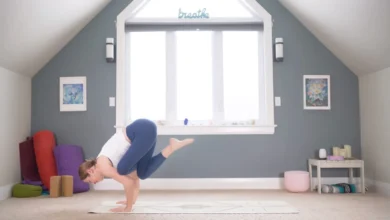
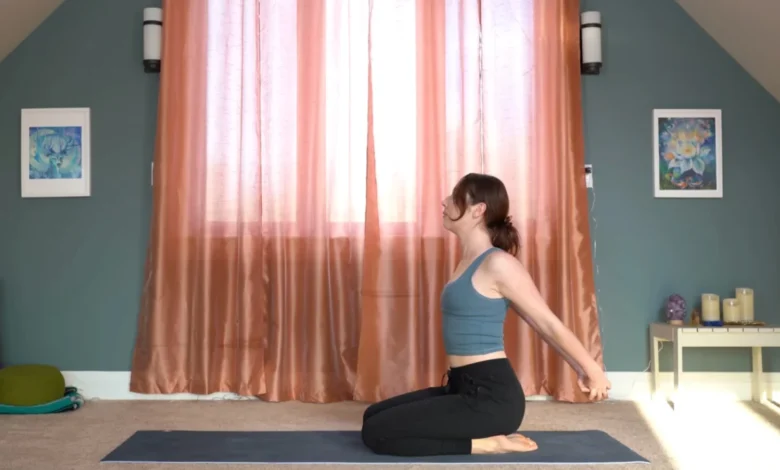
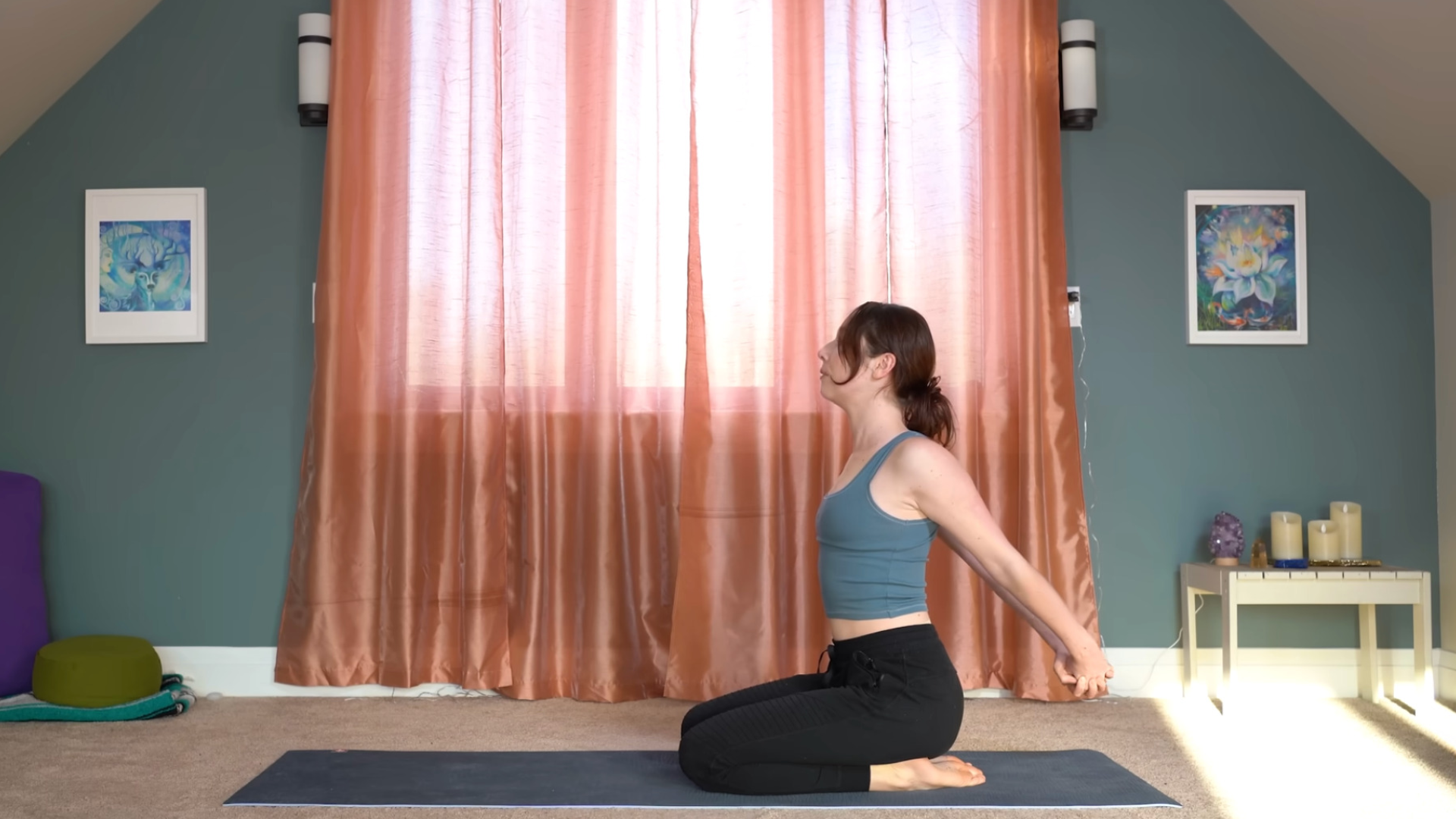
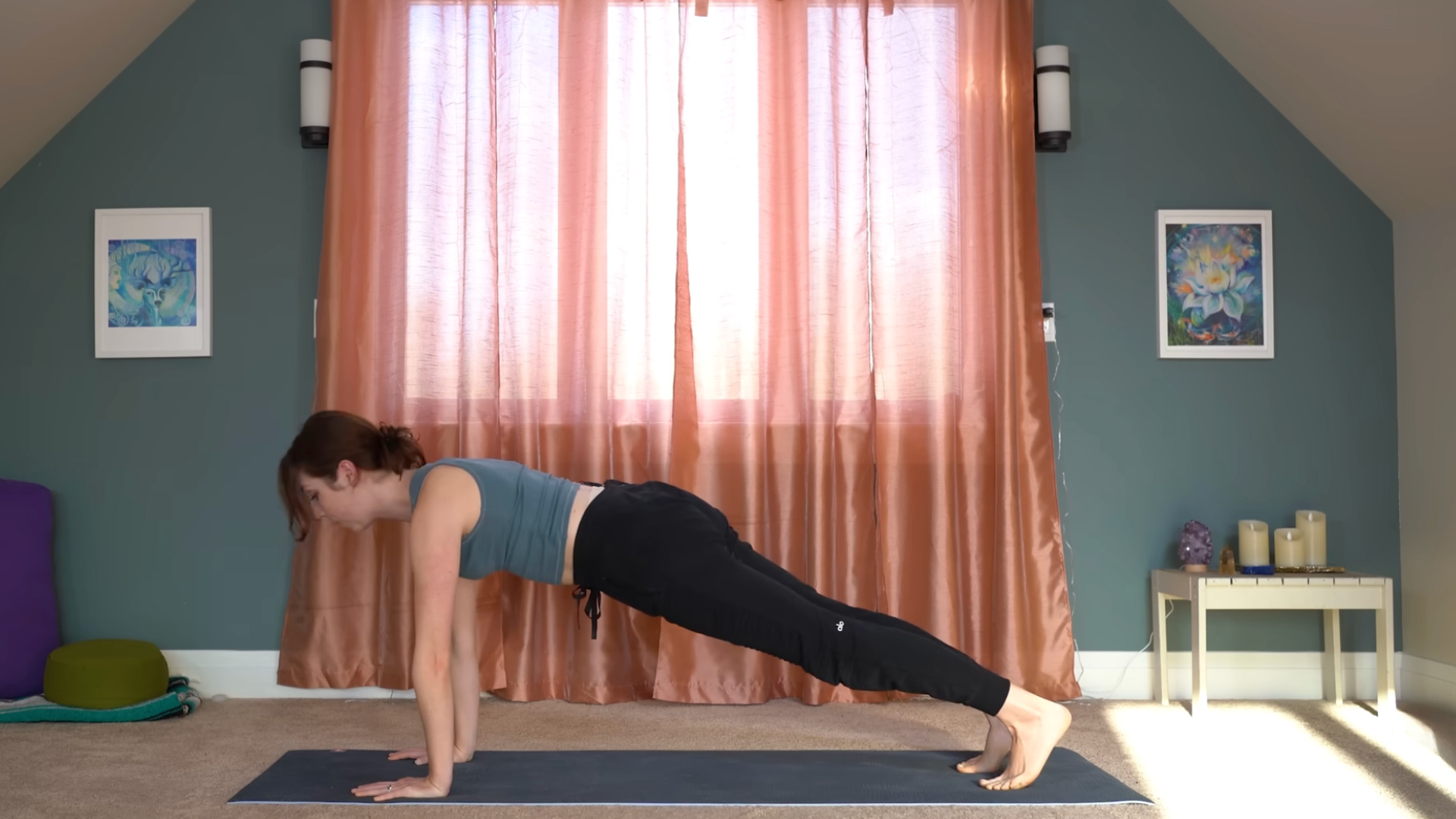
To engage the upper body and anterior chain, the sequence incorporates Plank Pose and Cobra Pose (Bhujangasana). Plank engages the deep transversus abdominis and shoulder stabilizers, while Cobra provides a gentle spinal extension that counteracts the forward-slumping posture common during desk work. The routine concludes with a Three-Legged Dog variation for deeper hip opening, followed by a Kneeling Shoulder Stretch or Rabbit Pose (Sasangasana) to release tension in the cervical and thoracic spine before a final seated meditation.
Physiological Analysis and Implications
From a physiological perspective, a seven-minute movement practice operates primarily on the principles of neuromuscular facilitation and myofascial release. Morning stiffness is largely a viscoelastic property of connective tissue; when muscles and fascia are immobile for extended periods, they exhibit increased stiffness and resistance to stretch. Gentle, progressive loading through yoga postures alters the viscosity of the extracellular matrix, allowing tissues to slide more freely over one another.
Furthermore, integrating controlled breathing (pranayama) with physical stretching influences autonomic nervous system regulation. Deep nasal inhalations stimulate the vagus nerve, promoting heart rate variability and mental composure, which serves as a psychological buffer against daily stressors. While a seven-minute routine does not replace cardiovascular conditioning or heavy resistance training, sports medicine specialists note that consistent daily mobility work significantly reduces the incidence of musculoskeletal injuries, improves postural alignment, and enhances functional range of motion over time.
Industry Reactions and Broader Market Impact
The widespread availability of digital instructional content for micro-routines has democratized access to physical therapy and yoga principles. Fitness industry analysts observe that consumers increasingly favor accessible, equipment-free formats that fit into demanding schedules. Instructors and physical therapists have widely praised these scalable routines for lowering the barrier to entry for physical fitness.
Critics and ergonomics experts, however, caution that individuals with pre-existing musculoskeletal conditions or acute injuries should modify poses to prevent overextension. Proper alignment—such as avoiding hyperextension in the lower back during lunges or protecting the cervical spine in inversion postures—remains paramount, even in abbreviated sessions. As digital platforms continue to proliferate home-based wellness solutions, routines like the seven-minute morning stretch exemplify the intersection of time efficiency and evidence-based physical conditioning, setting a benchmark for accessible daily health practices.