How to Effectively Relieve Chronic Neck and Shoulder Tension Through Targeted Movement and Yoga

Neck and shoulder tension has emerged as a pervasive public health concern in the modern workforce, driven by a global shift toward sedentary desk-bound environments and the ubiquity of handheld digital devices. Clinical data indicates that musculoskeletal discomfort in the cervical and thoracic regions is among the most common complaints reported to physical therapists and orthopedic specialists, with studies suggesting that nearly 70% of office workers experience recurrent neck pain at some point in their professional careers. This phenomenon is largely attributed to "tech neck," a postural condition characterized by the repetitive forward flexion of the cervical spine, which places exponential mechanical stress on the musculature of the upper body.
The Anatomy of Modern Tension
The physiological reality of cervical strain is rooted in simple physics. The average adult human head weighs between 10 and 12 pounds when held in a neutral, upright position. However, when an individual tilts their head forward to view a smartphone or laptop screen at a 60-degree angle, the gravitational force exerted on the cervical spine increases to approximately 60 pounds. This sustained force requires the muscles of the neck, trapezius, and rhomboids to remain in a constant state of contraction to stabilize the weight.
Over time, this repetitive stress leads to the development of trigger points, myofascial tightness, and decreased blood flow to the affected tissues. Beyond the physical mechanics, the role of the nervous system cannot be overstated. Chronic stress activates the sympathetic nervous system—the body’s "fight or flight" response—which triggers a subconscious tightening of the shoulders and a shallowing of the breath. This creates a feedback loop where physical discomfort induces mental stress, and mental stress manifests as further physical constriction in the upper body.

A Chronology of Postural Decay
The rise of this issue can be mapped alongside the rapid digitization of the workplace. In the early 2000s, the introduction of widespread high-speed internet and the transition from desktop to laptop computing initiated the first wave of workplace ergonomic challenges. By the mid-2010s, the mass adoption of smartphones and tablet devices exacerbated the trend, leading to a significant increase in orthopedic consultations for cervical disc issues and chronic shoulder impingement syndrome in younger populations.
Today, health organizations are increasingly advocating for "micro-breaks" and active recovery strategies as a standard of workplace wellness. The shift from a purely curative medical approach—which focuses on addressing pain once it has become chronic—to a preventative, movement-based approach represents a significant evolution in how physical therapists and movement educators treat upper-body mobility.
Clinical Perspectives on Movement Integration
Medical professionals often emphasize that the body is designed for dynamic movement, not static load-bearing. Research published in journals of physical medicine suggests that controlled, mindful stretching facilitates the "release" of tension by lengthening shortened muscle fibers and stimulating the Golgi tendon organs, which help the muscles relax.
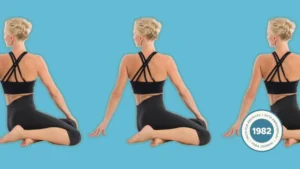
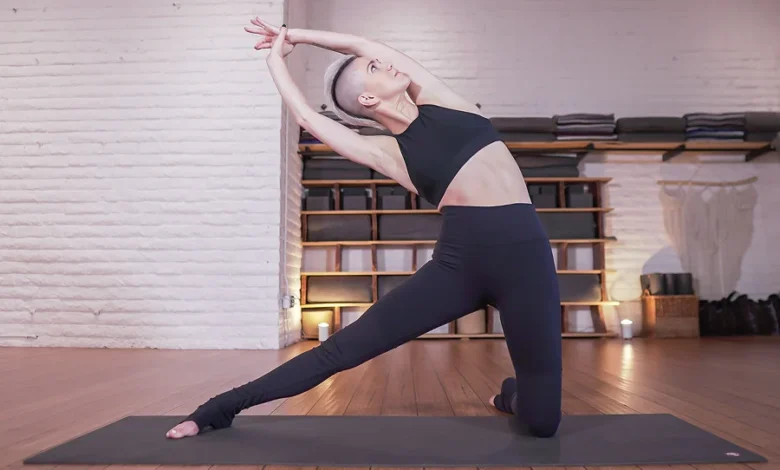
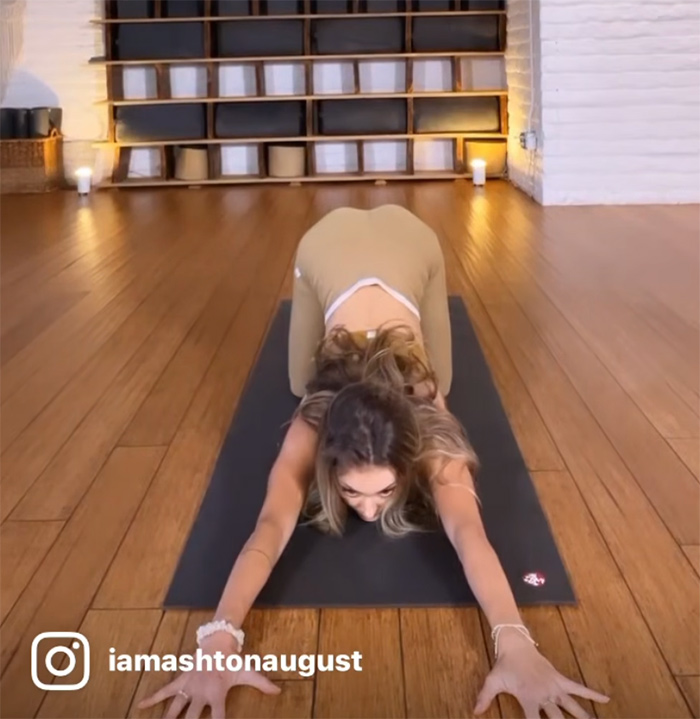
When individuals engage in yoga-based interventions, they are performing more than just physical movement; they are engaging in a process of proprioceptive retraining. By focusing on alignment during poses such as the Neck and Side Body Stretch or the Puppy Pose, practitioners learn to identify the exact moments when they begin to slump or tense their shoulders. This heightened awareness serves as a form of biofeedback, allowing the individual to self-correct their posture before structural damage occurs.

Targeted Techniques for Myofascial Relief
For those seeking to mitigate the onset of chronic pain, experts recommend a systematic approach to stretching. The following methods are frequently cited in clinical practice for their efficacy in targeting the lateral and posterior chains of the upper body:
- Lateral Cervical Release: By stabilizing the scapula and gently tilting the head laterally, one can target the levator scapulae and upper trapezius. This is essential for counteracting the "hunching" reflex associated with typing.
- Thoracic Extension and Rotation: The "Seal Pose" or similar thoracic openers are designed to address the stiffness that develops in the mid-back. Because the shoulder blades sit on the rib cage, thoracic mobility is the foundation of shoulder health. If the upper back is rigid, the shoulders must compensate, leading to chronic impingement.
- The "Thread the Needle" Mechanism: This specific rotational movement assists in decompressing the space between the scapulae, which is often neglected in standard exercise routines.
Broader Implications for Occupational Health
The economic impact of neck and shoulder pain is substantial, contributing to billions of dollars in lost productivity and healthcare expenditures annually. Corporations have begun to recognize the value of integrating movement protocols into their wellness programs. By providing employees with the tools to manage tension, companies are finding that they can reduce the incidence of stress-related leaves and improve overall morale.
However, the efficacy of these interventions is entirely dependent on consistency. The cumulative effect of five minutes of mindful movement performed daily far outweighs the impact of an hour-long, infrequent session. The objective is to disrupt the cycle of tension at regular intervals, preventing the accumulation of lactic acid and myofascial adhesions.
Expert Recommendations and Safety Protocols
While yoga and stretching are highly effective tools for long-term maintenance, they are not a substitute for professional medical intervention in cases of acute injury or neurological involvement. If an individual experiences numbness, tingling, or radiating pain that extends down the arms, these symptoms may indicate cervical radiculopathy or disc herniation. In such instances, self-directed stretching may be contraindicated and could potentially exacerbate the injury.
The consensus among healthcare practitioners is that movement should always occur within a pain-free range of motion. "No pain, no gain" is an outdated and dangerous mantra when applied to the delicate structures of the cervical spine. Instead, the focus should be on "functional ease"—a state of moving through a range of motion that feels lengthening rather than straining.
Future Directions in Workplace Ergonomics
Looking ahead, the integration of technology and physical health is likely to continue. We are seeing the development of ergonomic software that tracks user posture via webcam and prompts the user to perform specific stretches when it detects prolonged periods of static, forward-leaning posture. This synergy between digital monitoring and physical practice may represent the next frontier in preventing the "tech neck" epidemic.
In conclusion, the relief of neck and shoulder tension requires a multifaceted approach that addresses the physical, neurological, and environmental triggers of discomfort. By shifting from a sedentary, screen-dependent lifestyle to one that prioritizes mobility, breathwork, and postural awareness, individuals can effectively counteract the strains of modern life. While the path to recovery is individual, the scientific consensus remains clear: intentional, consistent movement is the most reliable defense against the long-term degradation of the cervical and thoracic musculoskeletal systems. Consistent application of these protocols—whether through structured yoga sequences or simple daily habits—is the key to ensuring that the body remains resilient in an increasingly demanding digital landscape.