There are 5 common moments when your blood pressure reading is probably wrong — and 2 that actually work

Millions of individuals globally engage in daily blood pressure monitoring, a critical practice for managing cardiovascular health. However, a significant number of these self-measurements yield inaccurate results, not due to faulty equipment, but because the timing and methodology employed fundamentally compromise their reliability. Understanding the precise moments and conditions under which blood pressure should and should not be measured is paramount to obtaining a trustworthy reading that accurately reflects one’s true physiological baseline. This article, building on insights from medical experts like Dr. Mitch Rice, delves into the common pitfalls that lead to misleading numbers and outlines the scientifically supported windows that provide the most accurate assessment of blood pressure.
The Pervasive Challenge of Hypertension and the Importance of Accurate Monitoring
Hypertension, or high blood pressure, remains a silent killer, affecting an estimated 1.28 billion adults aged 30-79 worldwide, according to the World Health Organization (WHO). In the United States, the Centers for Disease Control and Prevention (CDC) reports that nearly half of all adults have hypertension, with many unaware of their condition or failing to manage it effectively. Uncontrolled high blood pressure significantly elevates the risk of severe health complications, including heart attack, stroke, kidney disease, heart failure, and vision loss. Given these grave implications, consistent and accurate blood pressure monitoring is a cornerstone of both diagnosis and ongoing management.
Home blood pressure monitoring has been increasingly advocated by major health organizations, including the American Heart Association (AHA) and the European Society of Hypertension (ESH), as it provides a more comprehensive picture of a patient’s blood pressure trends outside the clinical setting. This helps to identify "white coat hypertension" (elevated readings only in a medical environment) and "masked hypertension" (normal readings in clinic but high at home), both of which require distinct management strategies. However, the efficacy of home monitoring hinges entirely on the accuracy of the readings, which, unfortunately, are often skewed by easily avoidable mistakes in timing and technique.
Five Common Errors That Skew Blood Pressure Readings
1. The Middle of the Day: A Cocktail of Elevated Hormones and Activity
Measuring blood pressure during active daytime hours is perhaps the most frequent and impactful error, often leading to unnecessarily high readings and undue patient anxiety. The human body’s physiology is subject to a natural circadian rhythm, influencing various biological processes, including hormone secretion and nervous system activity. Cortisol, the body’s primary stress hormone, naturally peaks in the morning and remains elevated throughout the middle of the day. This hormonal surge, combined with heightened sympathetic nervous system activity – the "fight or flight" response – significantly raises heart rate and constricts blood vessels. During waking hours, the brain constantly processes demands, reacts to environmental stimuli, and manages daily stressors, all of which contribute to a sustained state of physiological arousal.
Adding to this, constant small fluctuations from walking, standing, and general movement, coupled with the accumulated mental and physical stress of a busy morning, create an environment where cortisol and adrenaline levels are consistently elevated. This "stress response" directly translates to a blood pressure reading that is meaningfully above an individual’s true resting baseline. Research published in the Journal of Clinical Hypertension has consistently demonstrated that blood pressure readings taken during active daytime hours are not only significantly higher but also exhibit greater variability compared to readings obtained under standardized resting conditions. This variability and elevation often lead to a higher rate of false hypertension classification in home monitoring, prompting unnecessary medical interventions or anxiety. Therefore, medical consensus strongly advises against checking blood pressure in the middle of the day.
2. Within 30-60 Minutes of Caffeine Consumption: A Stimulant’s Transient Impact
For many, the morning ritual includes a cup of coffee, often followed shortly by a blood pressure check. This sequence, however, is a common pitfall. Caffeine, a potent stimulant, directly interacts with the cardiovascular system. Its primary mechanism involves blocking adenosine receptors in the brain, which leads to increased neuronal firing and the release of neurotransmitters like norepinephrine, epinephrine, and dopamine. These catecholamines stimulate the sympathetic nervous system, resulting in an elevated heart rate and vasoconstriction (narrowing of blood vessels).
Within 30 to 60 minutes of consuming caffeine, individuals, particularly those sensitive to its effects, can experience a transient rise in systolic blood pressure ranging from 5 to 15 mmHg. This sensitivity varies considerably among individuals due to genetic factors influencing caffeine metabolism. While the effect is typically temporary, it can significantly inflate a single reading, potentially pushing it into an elevated or hypertensive category when the true baseline is normal. The American Heart Association advises avoiding caffeine for at least 30 minutes before measurement. To ensure a truly representative reading, a more conservative waiting period of at least 60 minutes, and ideally up to two hours, is recommended after caffeine intake before proceeding with a blood pressure check.
3. With a Full Bladder: The Unexpected Reflex Arc
This particular factor often surprises individuals, yet a full bladder can significantly and reliably elevate blood pressure readings. The mechanism involves the activation of the sympathetic nervous system through stretch receptors located in the bladder wall. As the bladder fills, these receptors send signals to the nervous system, which, in turn, increases overall alertness and arousal. This physiological response is part of a complex reflex arc known as the "vesico-pressor reflex."
Numerous studies have quantified this effect. Research published in the Journal of Human Hypertension, among others, has found that bladder fullness can elevate systolic blood pressure by an average of 10 to 15 mmHg. This magnitude of increase is substantial enough to shift a reading from a healthy range into the elevated or even Stage 1 hypertension category, leading to potential misdiagnosis. This easily rectifiable oversight underscores the importance of proper preparation. Ensuring the bladder is fully emptied before taking a blood pressure measurement is a simple yet profoundly impactful step toward obtaining an accurate reading.
4. Within an Hour of Hard Exercise: The Body’s Post-Exertion Response
Regular physical activity is widely recognized as one of the most effective long-term strategies for maintaining healthy blood pressure levels and reducing the risk of cardiovascular disease. However, checking blood pressure immediately after a workout is almost guaranteed to yield a misleading result. During exercise, the heart works significantly harder, pumping a greater volume of blood, and consequently, blood pressure rises substantially. For healthy adults engaged in intense effort, systolic blood pressure can temporarily reach levels as high as 180-200 mmHg.
While blood pressure begins to drop within the first 3-5 minutes after cessation of exercise, it does not fully return to its resting baseline for approximately 60 minutes. Within this 30-60 minute post-exercise window, readings can be highly unpredictable. Some individuals may experience paradoxically high readings due to residual sympathetic activation that has not yet resolved, while others might exhibit paradoxically low readings due to post-exercise vasodilation (widening of blood vessels) temporarily dropping pressure below their true resting baseline. Neither of these scenarios represents the individual’s true resting state. Therefore, it is crucial to allow the body ample time to recover and stabilize. A waiting period of at least 60 minutes after any moderate to hard exercise is essential before taking a blood pressure reading.

5. Relying on a Single Reading: The Illusion of a Static Number
Perhaps the most crucial, albeit not time-specific, error is the over-reliance on a single blood pressure reading. Blood pressure is a dynamic physiological parameter that fluctuates constantly throughout the day and even from moment to moment. These fluctuations are a normal response to myriad variables, including breathing patterns, changes in posture, environmental temperature, emotional states, and minor physical activities. A single reading merely captures one fleeting moment in this continuous fluctuation and may land anywhere along the spectrum surrounding an individual’s actual baseline.
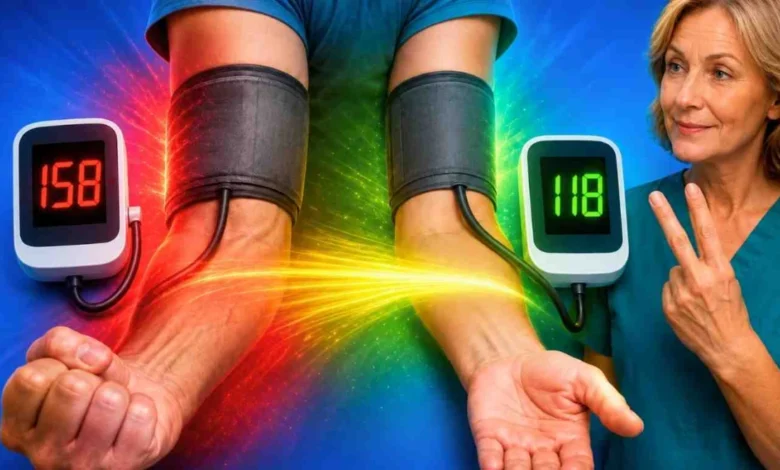
Consider an individual who obtains a reading of 158/90 mmHg, experiences panic, and then records 134/82 mmHg just two minutes later, leading to confusion. This scenario exemplifies completely normal moment-to-moment variability. Neither reading is inherently "wrong," but neither, on its own, tells the complete story of the individual’s blood pressure. The American Heart Association and other medical bodies emphasize the importance of taking multiple readings over time to establish a reliable average. The recommended protocol for each measurement session involves sitting quietly for a full five minutes with feet flat on the floor, back supported, bladder empty, and the arm supported at heart level, avoiding any talking. Two readings should be taken one minute apart, and the lower of the two should be recorded. Consistent daily adherence to this protocol and then averaging all recorded numbers over several days (e.g., 7-10 days) provides a far more accurate representation of one’s true baseline blood pressure.
The Gold Standard: Optimal Times and Techniques for Reliable Measurement
To circumvent the inaccuracies detailed above, medical professionals advocate for specific windows and a rigorous protocol to ensure the most reliable blood pressure readings. These practices are designed to capture blood pressure when the body is in its most stable, resting state, free from the transient influences of activity, stimulants, or physiological stress.
The Two Best Windows for Accurate Measurement:
-
First Thing in the Morning (Before Medication, Food, or Caffeine): This is widely considered the prime time for blood pressure measurement. Upon waking, before consuming any food, coffee, or medication, and prior to engaging in any strenuous activity or stressful tasks, the body is typically in a state closest to its true resting baseline. Readings taken at this time are particularly valuable for identifying the "morning surge" in blood pressure, which, if excessively high, can be an independent risk factor for cardiovascular events. It’s crucial that the bladder has been emptied, and a quiet, relaxed state is achieved for at least five minutes before the measurement.
-
In the Evening (Before Dinner or Several Hours After Lunch): The second optimal window occurs in the evening, ideally before dinner or at least two to three hours after the last significant meal and any strenuous activities. Similar to the morning measurement, the goal here is to capture blood pressure after a period of rest and relaxation, away from the immediate effects of digestion, physical exertion, or the day’s peak stress. This timing helps to assess how blood pressure behaves as the body prepares for rest, offering another valuable data point for understanding overall trends.
Standardized Protocol for Each Reading Session:
For each of these two windows, adhere strictly to the following steps to ensure consistency and accuracy:
- Prepare Your Environment: Find a quiet, comfortable place where you can sit undisturbed.
- Rest: Sit quietly with your back supported and feet flat on the floor for at least 5 minutes before taking the first reading. Avoid talking, using your phone, or watching television.
- Empty Bladder: Ensure your bladder is completely empty.
- Positioning: Place your arm on a flat surface, such as a table, with the cuff at heart level. Do not take measurements over clothing.
- Correct Cuff Size: Use a blood pressure cuff that is the correct size for your arm. An ill-fitting cuff (too small or too large) can lead to significantly inaccurate readings. The cuff should fit snugly but not too tightly.
- Multiple Readings: Take two readings, waiting one minute between them. Record both readings, noting the time and any unusual circumstances. For your daily record, prioritize the lower of the two systolic and diastolic numbers.
- Consistency: Aim to take your blood pressure at approximately the same times each day.
Averaging Data for True Baseline:
To establish a truly reliable baseline blood pressure, follow this protocol for approximately 7 to 10 consecutive days. Then, calculate the average of all your recorded systolic numbers and all your diastolic numbers. This combined average provides a far more accurate and clinically relevant representation of your true blood pressure than any single reading taken at a random point in the day.
Expert Recommendations and Broader Implications for Public Health
Leading medical organizations like the American Heart Association (AHA) and the European Society of Hypertension (ESH) have developed comprehensive guidelines for home blood pressure monitoring, all of which align with the principles outlined above. These guidelines underscore that proper technique is as crucial as the monitor itself. Without adherence to these protocols, the data collected, however diligently, can be misleading.
The implications of inaccurate blood pressure readings are profound. False high readings can lead to misdiagnosis of hypertension, prompting unnecessary medical anxiety, lifestyle changes, and potentially the prescription of antihypertensive medications that are not needed. Conversely, false low readings can lead to missed diagnoses of actual hypertension, delaying crucial treatment and leaving individuals vulnerable to the long-term cardiovascular complications of uncontrolled high blood pressure. This misdiagnosis and mismanagement not only impact individual health outcomes but also place an avoidable burden on healthcare systems through inappropriate treatment pathways and follow-up.
Patient education is therefore a critical component of effective hypertension management. Healthcare providers have a responsibility to thoroughly instruct patients on the correct methodology for home blood pressure monitoring, moving beyond simply handing out a device. Furthermore, technological advancements, such as smart blood pressure monitors with integrated apps, can aid in tracking and averaging readings, but they cannot compensate for improper measurement technique.
In conclusion, while home blood pressure monitoring is an invaluable tool for cardiovascular health management, its utility is entirely dependent on the accuracy of the readings obtained. By avoiding the common pitfalls of midday measurements, post-caffeine or post-exercise checks, and the reliance on single readings, and instead adhering to scientifically validated timing and techniques, individuals can gain a true understanding of their blood pressure. This informed approach empowers patients and healthcare providers alike to make accurate diagnoses and tailor effective treatment strategies, ultimately contributing to better long-term health outcomes and a reduction in the global burden of hypertension. If consistently high readings are obtained even with meticulous adherence to these protocols, or if symptoms such as chest pain, severe headache, or vision changes occur, prompt consultation with a medical professional is imperative.