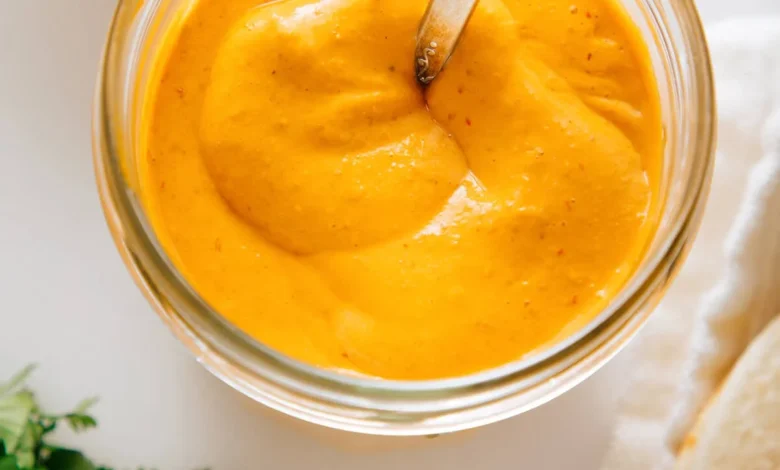
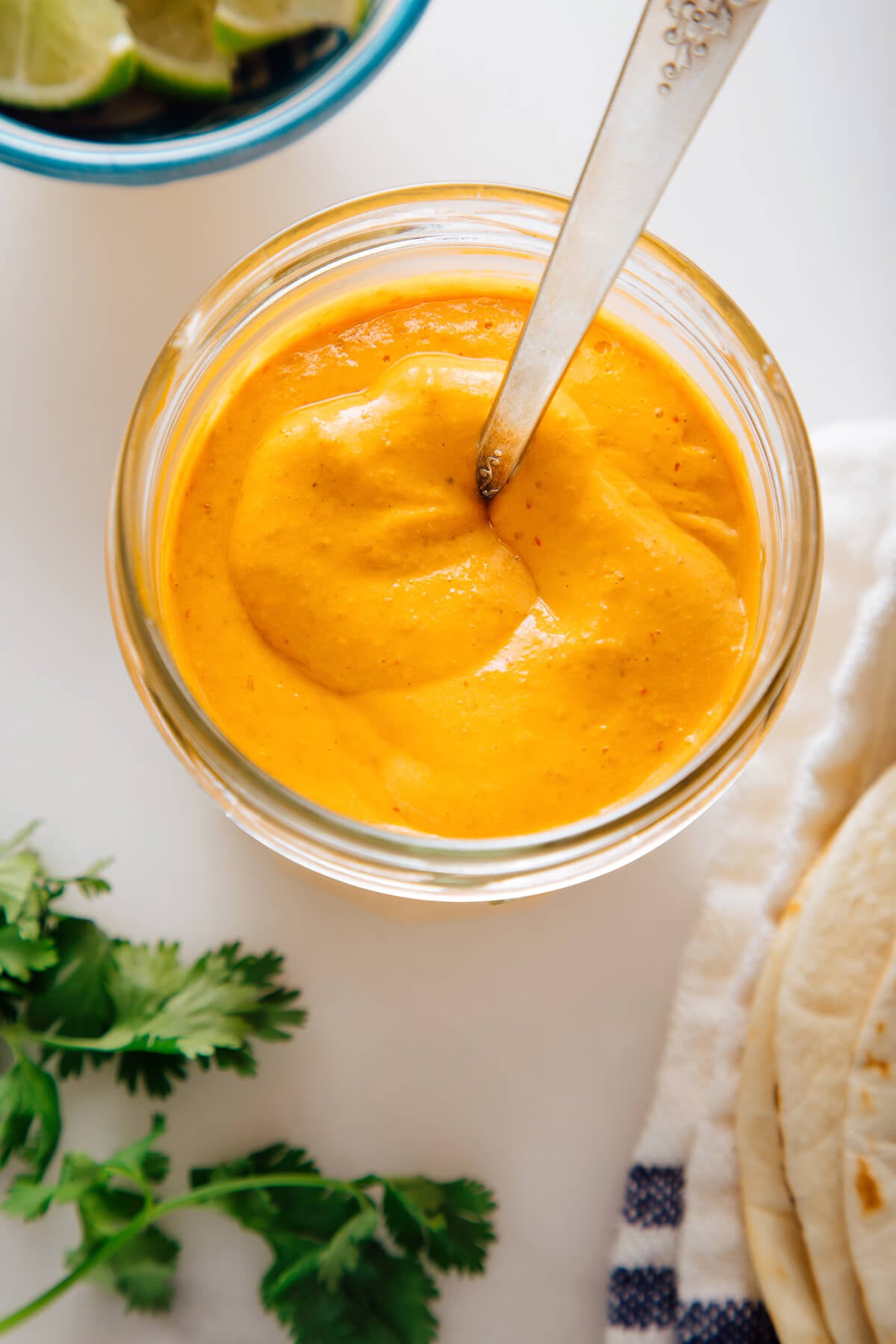
The rising demand for artisanal condiments in home kitchens has placed a spotlight on versatile, flavor-forward additions like creamy chipotle sauce. As consumers increasingly prioritize component-based cooking—the practice of assembling meals from pre-prepared, high-quality foundational elements—this specific sauce has emerged as a staple for elevating standard dishes, from street-style tacos to complex burrito bowls. Unlike traditional chipotle mayonnaise, which often relies on a heavy oil base, the contemporary culinary standard for this sauce favors a dairy-forward profile that offers a superior, velvety texture and a more nuanced flavor profile.
The Science and Composition of Chipotle Sauce
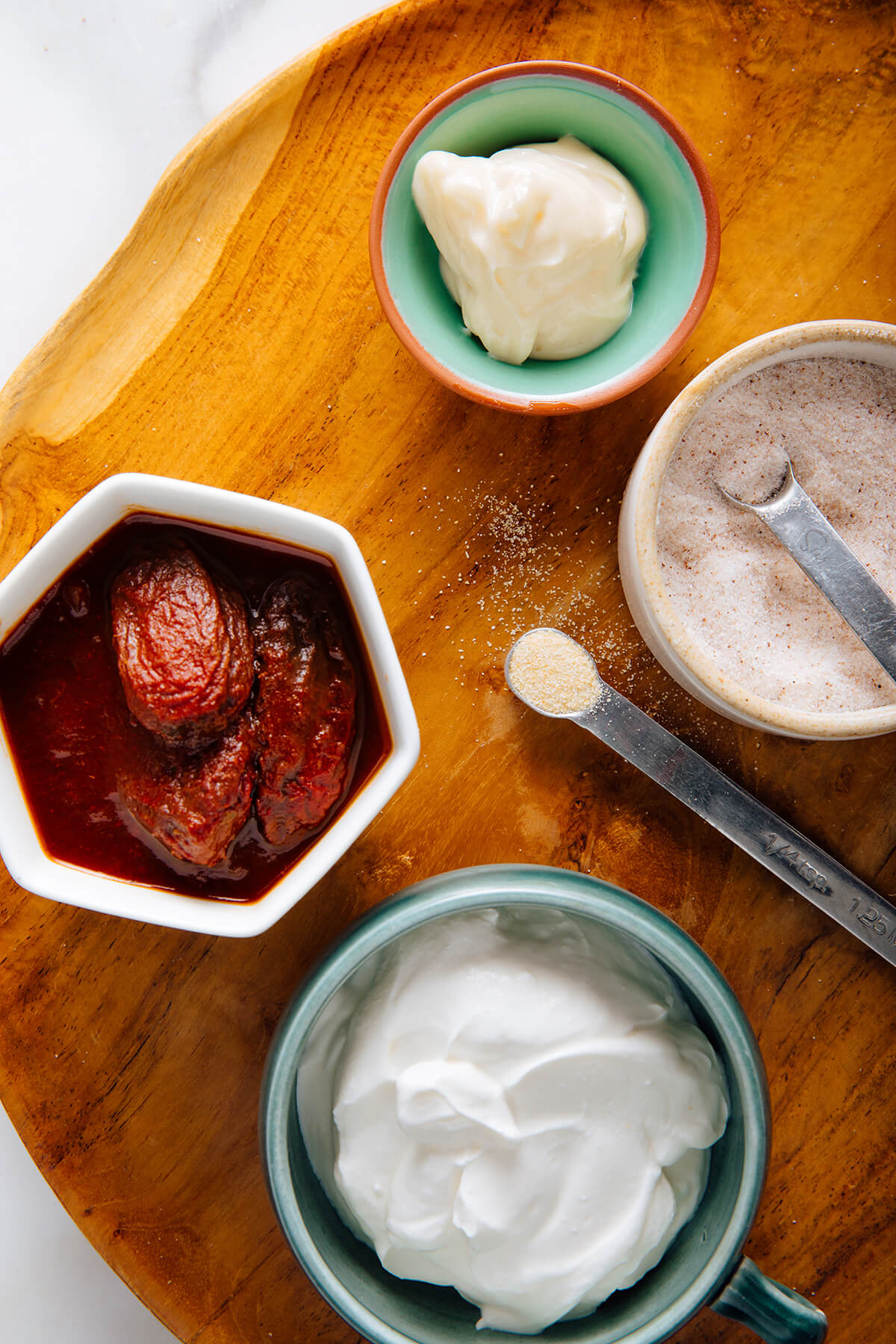
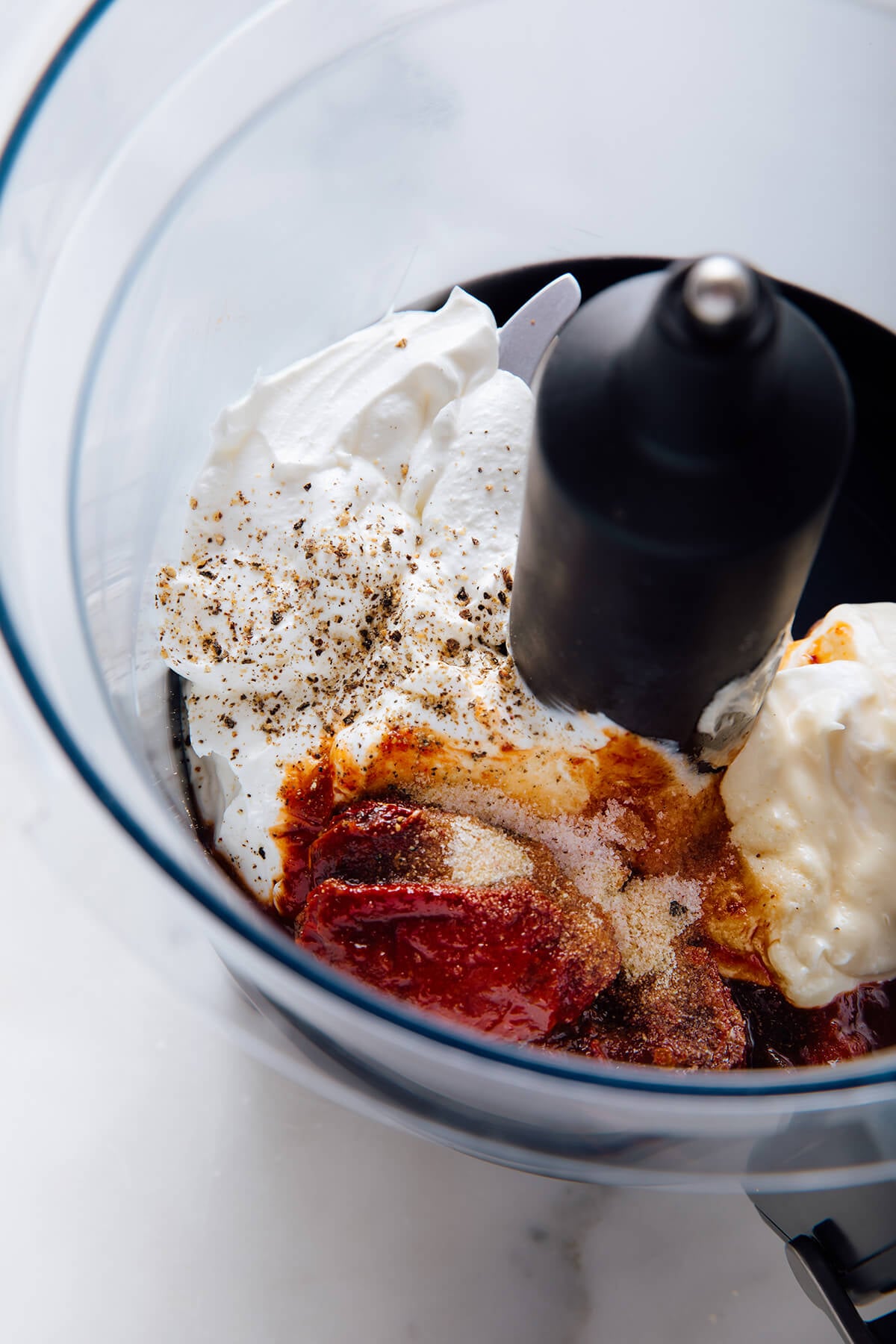
At its core, a professional-grade chipotle sauce relies on a balance between fat, acidity, and smoked aromatics. The base typically utilizes sour cream or full-fat Greek yogurt, which provides the necessary body and a slight tang to cut through the intensity of the peppers. A secondary addition of mayonnaise is often employed to emulsify the mixture, resulting in a silkier mouthfeel that clings better to ingredients during plating.
The defining element is the chipotle pepper in adobo sauce. These are, by definition, ripe red jalapeños that have undergone a smoke-drying process. The adobo, a rich sauce comprised of tomato paste, vinegar, herbs, and spices, serves as the primary rehydration agent for the dried peppers. This combination creates a deep, earthy heat that is distinct from the bright, acidic profile of fresh chili sauces.
Historical Context and Culinary Evolution
The integration of chipotle peppers into Western culinary trends dates back to the late 20th century, coinciding with the broader popularization of Tex-Mex and fusion cuisines. Initially relegated to specialized Mexican grocery outlets, the ingredient has seen a significant surge in market availability over the past two decades. According to retail data, the shelf-space allocated to canned chipotles in adobo has increased by approximately 25% in major supermarket chains since 2015, reflecting a shift in domestic consumption habits.
Culinary experts note that the transition of this sauce from restaurant kitchens to the home environment is a byproduct of the "restaurant-quality at home" movement. The ability to customize spice levels—a luxury often unavailable with mass-produced, store-bought bottled sauces—has been a primary driver for home cooks seeking to refine their condiment collection.
Preparation Methodology and Technical Considerations
Achieving the ideal consistency for chipotle sauce requires careful attention to blending techniques. While a standard food processor is the industry standard for achieving a perfectly smooth emulsion, culinary professionals often utilize immersion blenders for smaller batches to reduce equipment cleanup and minimize oxidation.
The preparation process involves:
- Base Assembly: Combining the dairy or dairy-alternative base with the mayonnaise.
- Infusion: Introducing the chipotle peppers and adobo sauce. Chefs recommend starting with a minimal amount of pepper—typically half a unit—and adjusting incrementally to ensure the heat profile remains balanced rather than overwhelming.
- Flavor Stabilization: Incorporating dried garlic granules, which provide a consistent, uniform flavor distribution compared to fresh garlic, which can sometimes introduce bitter notes when blended into dairy.
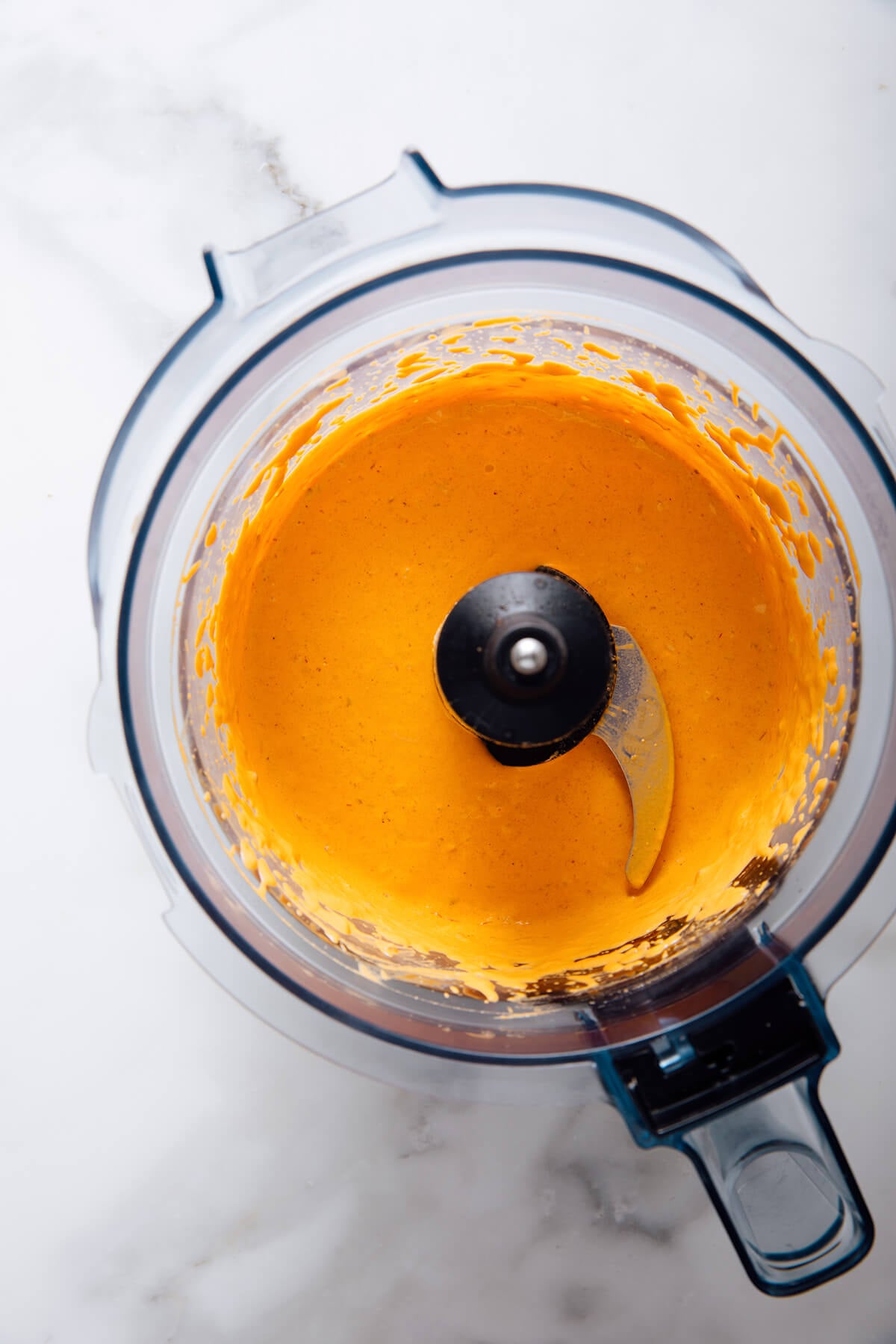
- Final Emulsification: Using mechanical force to ensure the fibers of the chipotle pepper are fully integrated, preventing textural inconsistencies.
Handling and Preservation Protocols
Proper storage is critical to maintaining the integrity of the sauce. Due to the high moisture content of the dairy base, the sauce is susceptible to spoilage if not stored correctly. In a professional kitchen setting, the sauce should be transferred to a sanitized, airtight glass container.
When refrigerated at temperatures below 40°F (4°C), the sauce maintains its peak flavor profile for approximately seven to ten days. For longer-term storage, the peppers themselves can be frozen in their adobo sauce. Industry best practices for home storage suggest freezing the contents of the can in thin, flat-packed plastic bags. This allows for the removal of small, precise quantities of the potent base, ensuring that the remainder of the supply remains preserved for up to six months.
Broader Market Implications
The proliferation of such recipes signals a broader shift toward "pantry-friendly" cooking. As inflation and supply chain fluctuations impact the price of prepared foods, there is a measurable trend toward consumers utilizing versatile, shelf-stable ingredients like canned peppers to create gourmet-level sauces at a fraction of the retail cost.
Nutritional analysts point out that by utilizing Greek yogurt as a primary base, home cooks can significantly alter the macronutrient profile of their condiments. Compared to commercial alternatives that often contain high concentrations of seed oils, modified food starches, and preservatives, the homemade version allows for the elimination of unwanted additives. This aligns with a growing consumer demand for "clean label" ingredients, where the source and processing of every component are transparent.
Culinary Applications and Versatility
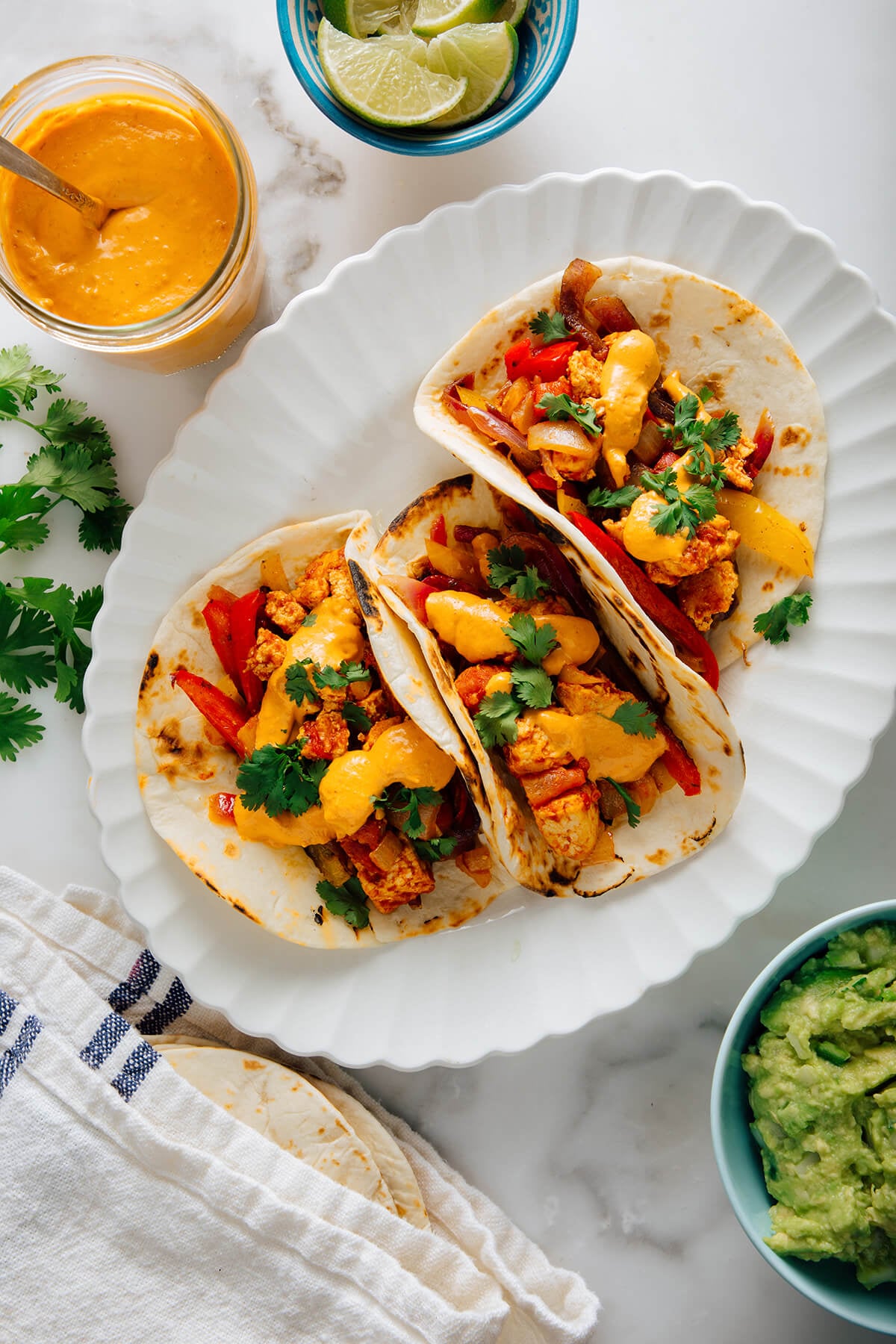
The utility of chipotle sauce extends well beyond its traditional association with Mexican-inspired fare. Current trends show a cross-application of the sauce in various culinary sectors:
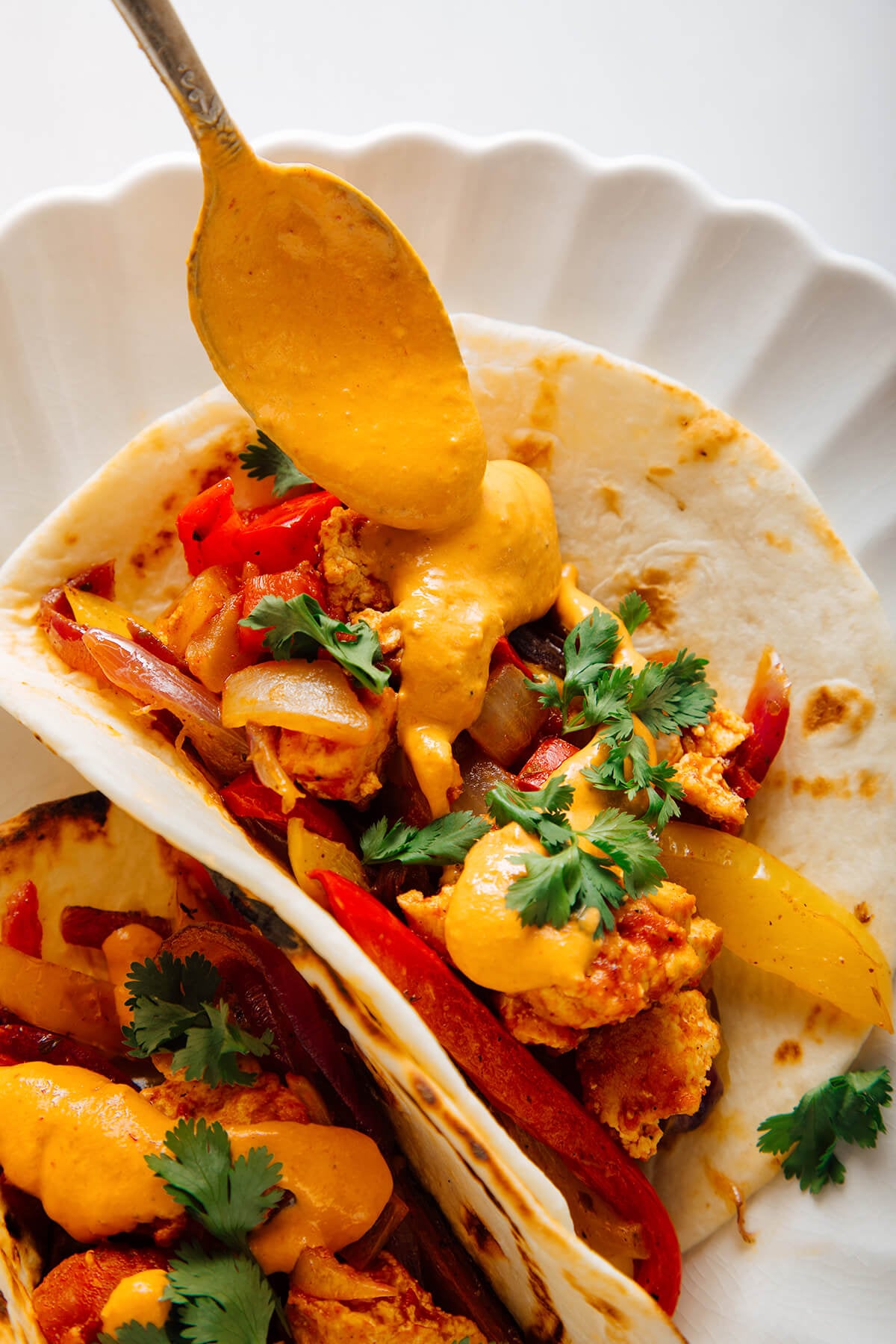
- Protein Enhancement: Serving as a marinade or finishing glaze for grilled poultry, fish, and tofu.
- Vegetable Pairing: Acting as a dip for roasted root vegetables, particularly sweet potatoes or butternut squash, where the smoke profile of the chipotle complements the natural sweetness of the produce.
- Sandwich Assembly: Replacing standard condiments in wraps and sandwiches to provide a "premium" flavor profile.
Industry Feedback and Future Trends
Culinary influencers and recipe developers have noted that the "build-your-own" approach to sauces is likely to remain a dominant trend in the coming years. By providing a framework—such as the 3:1 ratio of cream to fat and the gradual addition of chili—these recipes empower users to experiment with their own heat tolerance.

Looking forward, experts anticipate that the demand for these types of condiments will continue to climb as home cooks become more comfortable with incorporating complex, smoked, and fermented ingredients. The accessibility of these products in major retail chains ensures that the barrier to entry for the home cook remains low, further cementing the status of chipotle sauce as a fundamental element of the modern pantry.
As this trend matures, the focus will likely shift toward sustainable sourcing of the peppers and the development of plant-based alternatives that match the creamy, decadent mouthfeel of traditional dairy-based versions. For the present, however, the focus remains on the foundational technique: balancing the bold, smoky intensity of the chipotle with the cooling, velvety texture of a well-emulsified dairy base.