Free 7-Day Healthy Meal Plan (Oct 26 – Nov 1) Bridges Spooky Season Celebrations With Nutritious, Budget-Conscious Eating


As the calendar turns toward the end of October, households across the country find themselves balancing the celebratory indulgence of Halloween with the practical realities of autumn meal preparation and household budgeting. In response to these seasonal shifts, culinary platforms and nutrition resources have introduced structured dietary guides designed to streamline home cooking. A prominent example is the newly released free, flexible seven-day weight loss meal plan running from October 26 through November 1, curated to help families maintain health goals while navigating the financial pressures of rising grocery costs.
The intersection of holiday festivities and everyday nutrition often presents a challenge for consumers. Industry data consistently shows that autumn months see a spike in spending on convenience foods, confectionery, and specialized party ingredients. By integrating thematic, wholesome recipes—such as festive appetizers and portion-controlled seasonal dishes—into a comprehensive weekly agenda, nutritionists and meal-planning advocates aim to curb food waste, reduce dining-out expenses, and alleviate the cognitive load associated with daily dinner decisions.
Structuring the Week: A Chronological Overview of the October 26 – November 1 Meal Plan
The newly published nutritional schedule provides a systematic blueprint covering breakfast, lunch, and dinner, complete with corresponding macro-nutritional breakdowns and Weight Watchers points. Designed with adaptability in mind, the program establishes baseline nutritional frameworks while encouraging users to customize their intake based on individual caloric requirements.
Monday, October 26: The week begins with a high-protein breakfast featuring chorizo egg bites paired with fresh cherry tomatoes. Lunch transitions to a sardine salad served on a single slice of sourdough bread alongside pomegranate seeds. The day concludes with a hearty dinner of spicy Sriracha tofu rice bowls, establishing a flavorful, plant-forward start to the week.
Tuesday, October 27: Maintaining continuity in morning routines, breakfast repeats the chorizo egg bites and cherry tomatoes. Lunch features the remaining sardine salad and pomegranate seeds. For the evening meal, the plan introduces turkey and black bean enchiladas served with a light sour cream dollop and a vibrant corn, tomato, and avocado salad.
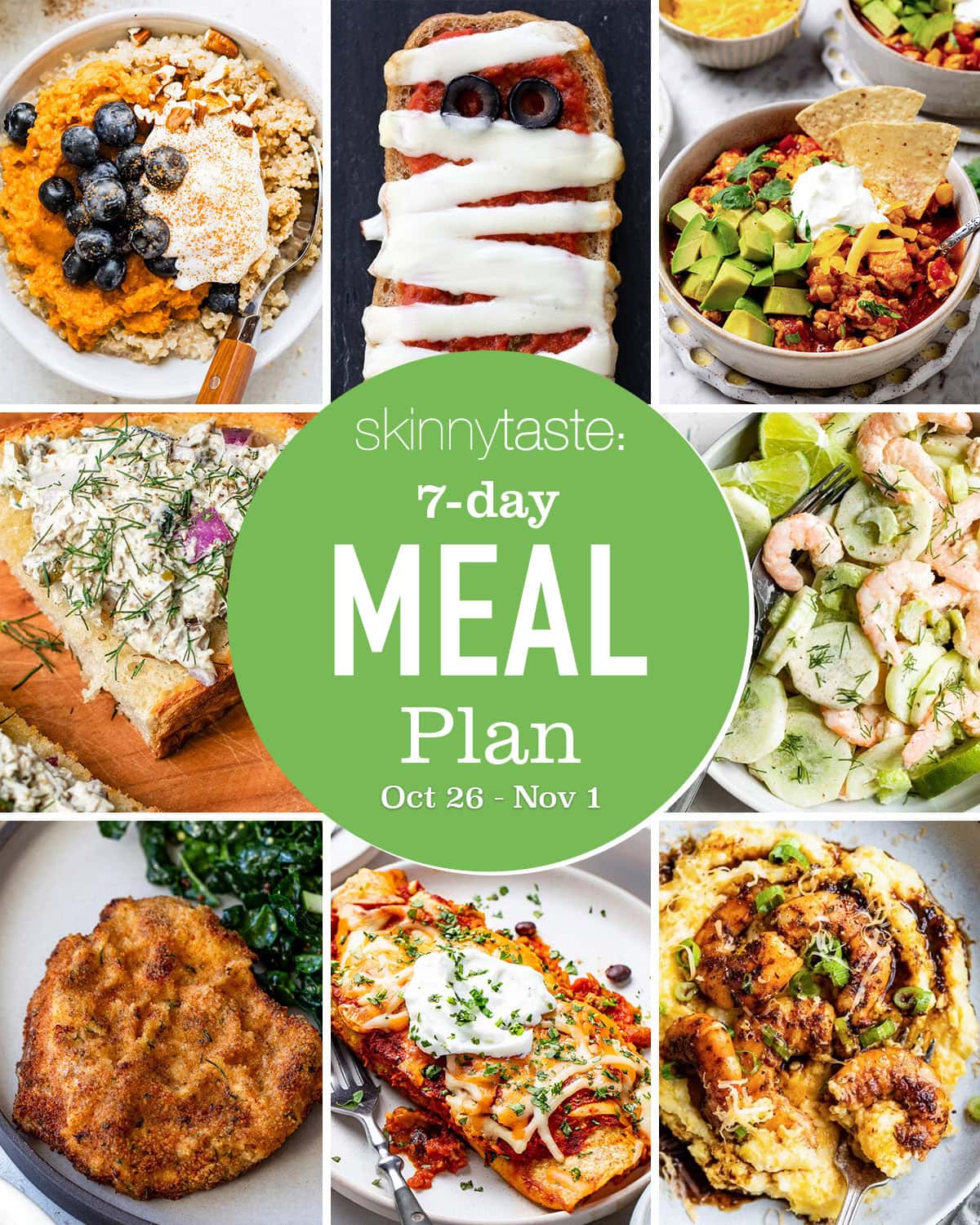
Wednesday, October 28: Breakfast continues with the egg and tomato pairing, while lunch utilizes the previous evening’s surplus by featuring leftover turkey and black bean enchiladas. The dinner menu shifts international flavors with a comforting chicken curry served over turmeric basmati rice infused with peas.
Thursday, October 29: Thursday morning keeps the established breakfast routine. Lunch provides an opportunity to enjoy leftover chicken curry and rice. The evening meal presents a sophisticated yet accessible dinner: pork Milanese accompanied by a crisp, seasonal kale and apple salad.
Friday, October 30: Approaching the weekend, breakfast offers a slight variation with four-ingredient flourless banana nut pancakes. Lunch features a final serving of the chicken curry and rice. Friday dinner brings a seafood option, consisting of blackened shrimp and grits paired with garlic-infused wilted baby spinach.
Saturday, October 31: Halloween day features creative, themed modifications. Breakfast offers a burst tomato cottage cheese caprese bowl. Lunch incorporates kid-friendly holiday fare with French bread pizza mummies, served alongside baby carrots and light ranch dressing. The evening celebration culminates in a slow-cooker turkey chili garnished with shredded Mexican cheese and avocado, accompanied by freshly baked pumpkin cornbread muffins.
Sunday, November 1: Kicking off the month of November, Sunday breakfast introduces a sweet potato quinoa breakfast bowl. Lunch consists of a creamy shrimp and celery salad paired with a warm bowl of broccoli cheddar soup. True to many modern meal-planning philosophies that advocate for flexibility and social engagement, Sunday dinner is designated as a dining-out experience, allowing individuals and families a respite from home cooking.
Economic Pressures and the Rising Value of Strategic Grocery Planning
The release of structured weekly menus coincides with broader economic trends affecting consumer spending on food. According to recent economic indicators from labor and consumer price agencies, food-at-home costs have experienced sustained volatility over recent years, prompting widespread behavioral shifts among shoppers. Consumers increasingly rely on advance meal preparation, inventory management, and precise grocery lists to mitigate the impact of inflation at checkout counters.

Financial analysts specializing in retail and consumer goods emphasize that pre-planned shopping lists serve as an effective defense against impulse purchasing. By auditing pantry staples and purchasing only the quantities required for a specific seven-day menu, households can significantly decrease weekly food waste. Furthermore, structured plans inherently minimize reliance on last-minute restaurant deliveries and takeout, which carry substantial markups compared to home-prepared meals.
Nutritional Flexibility and Individualized Caloric Goals
While the featured menu outlines specific daily dishes, health professionals stress that standardized meal plans must serve as flexible guides rather than rigid prescriptions. The baseline caloric counts embedded within the daily schedules typically hover near the 1,000-to-1,300-calorie mark for the specific items listed; however, nutritionists explicitly design these frameworks with significant margin for expansion.
For adults—particularly women whose baseline maintenance and weight-management goals often target approximately 1,500 calories per day, depending on physical activity levels, age, and metabolic rate—supplementing the core menu with additional whole foods is standard practice. The integration of morning coffee, afternoon fruit snacks, hydrating beverages, occasional desserts, or evening glasses of wine ensures that the plan remains sustainable over the long term. Sustainable weight management, health experts note, relies heavily on dietary patterns that accommodate personal preferences and social routines without inducing feelings of deprivation.
Community Engagement and Digital Tools in Modern Diet Culture
The evolution of digital meal planning has transformed how consumers interact with nutritional content. Rather than relying solely on static cookbooks, modern adherents participate in active online communities where culinary ideas, modifications, and photographic evidence of prepared dishes are shared in real time. Platforms such as dedicated social media groups and interactive email newsletters foster a sense of accountability and shared motivation among participants.
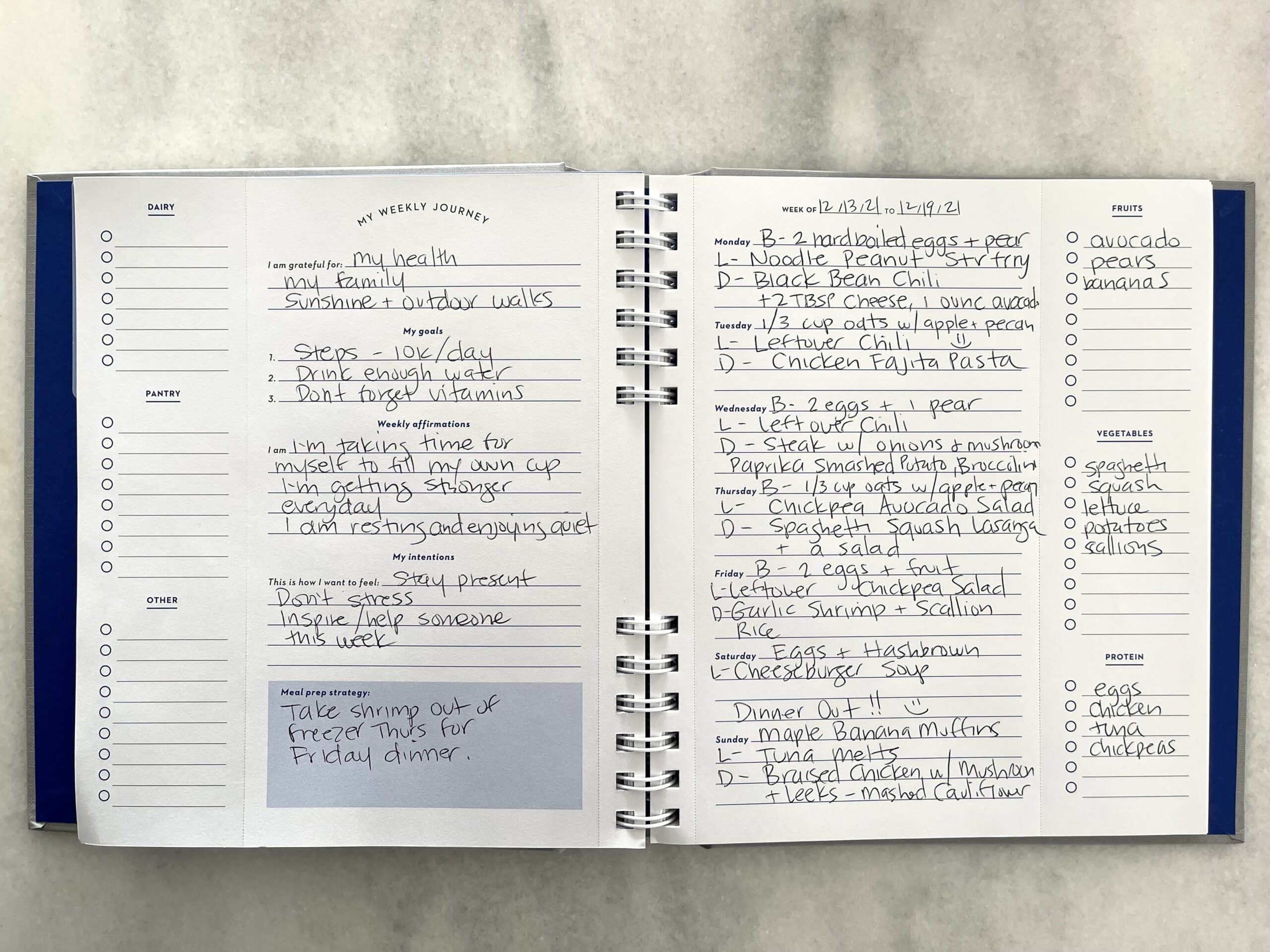
In addition to digital communities, physical organization tools have experienced a resurgence. Products such as specialized weekly meal planners—featuring tear-away grocery lists, magnetic refrigerator grids, and dedicated spaces for daily goal-setting, gratitude, and intentions—cater to consumers seeking a tactile approach to organization. Behavioral psychologists suggest that the physical act of writing down meal schedules and shopping lists reinforces cognitive commitment to health and financial objectives.
Implications for Public Health and Family Nutrition
Public health initiatives increasingly emphasize the role of home cooking in improving overall dietary quality. Prepared and processed foods frequently contain higher levels of sodium, refined sugars, and saturated fats compared to meals assembled from fresh produce, lean proteins, and whole grains. By providing balanced recipes that incorporate diverse food groups—ranging from antioxidant-rich pomegranate seeds and nutrient-dense kale to lean turkey and heart-healthy seafood—weekly meal plans quietly guide consumers toward meeting broader dietary recommendations.
Moreover, involving family members in themed seasonal meals, such as preparing wholesome Halloween-inspired snacks or batch-cooking chili for autumn gatherings, establishes positive culinary associations among younger demographics. Developing these habits early contributes to lifelong nutritional literacy and reduces the prevalence of diet-related chronic conditions.
Looking Ahead: Sustaining Healthy Habits Through the Holiday Season
As the autumn season transitions into the winter holidays, maintaining dietary consistency becomes increasingly challenging. Nutrition experts recommend utilizing structured weekly guides as an anchor during periods of heightened social activity and celebratory dining. By planning ahead, maintaining disciplined grocery habits during the week, and allowing measured flexibility for special occasions, individuals can successfully navigate seasonal milestones without compromising their long-term health and wellness objectives.