Late Summer Vegetable Enchilada Casserole Delivers a Meatless Twist on a Mexican-American Classic


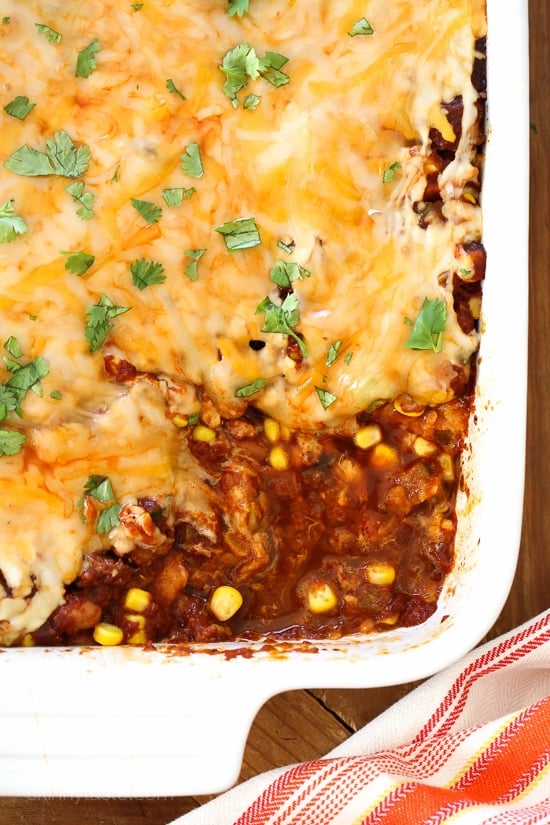
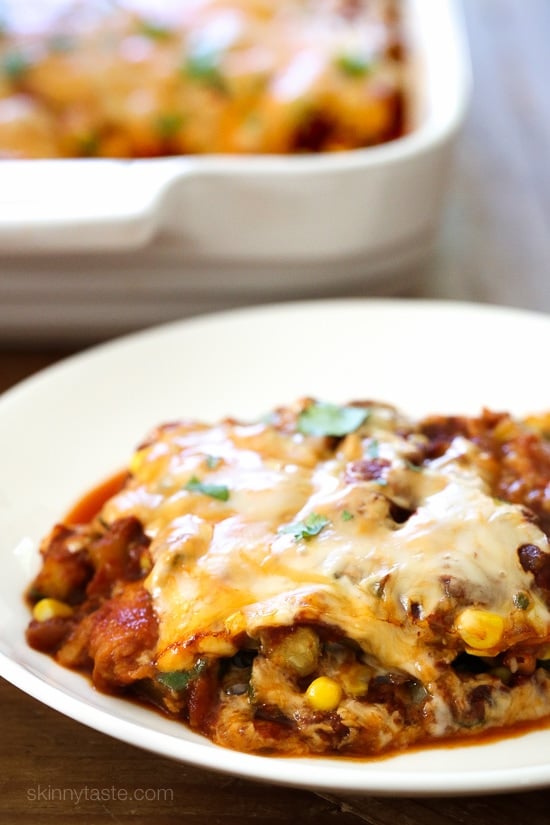
Culinary trends and home-cooking preferences have increasingly gravitated toward hearty, plant-forward meals that do not sacrifice flavor or comfort. Among the myriad seasonal recipes that capture this shift, the Late Summer Vegetable Enchilada Casserole has emerged as a standout dish for home cooks seeking innovative ways to utilize late-season produce. Reminiscent of a lasagna in its structural assembly, this meatless casserole replaces traditional rolled enchiladas with stacked layers of corn tortillas, fresh zucchini, sweet corn, savory beans, and rich enchilada sauce. Originally adapted from the cookbook Modern Potluck: Beautiful Food to Share, the dish has gained widespread traction across digital culinary platforms for offering a lighter, nutrient-dense alternative to heavier, meat-based Mexican-American comfort foods.
Evolution and Background of the Recipe
The concept of transforming traditional rolled enchiladas into a layered casserole—often referred to in home-cooking communities as an enchilada pie or lasagna—originated from the need for culinary efficiency and portion control. Rolling individual enchiladas can be time-consuming, particularly for weeknight dinners or large gatherings. By layering ingredients in a baking dish, home cooks can achieve the same flavor profile with significantly less labor.
The incorporation of late-summer produce such as zucchini and fresh corn addresses a perennial challenge for gardeners and agricultural markets: managing an abundance of summer harvest. According to agricultural extension data, zucchini and sweet corn peak simultaneously during the late summer months, making them prime candidates for bulk culinary applications. Food writers and recipe developers have increasingly focused on utilizing these seasonal gluts in ways that appeal to both vegetarian and flexitarian diets. By reducing the quantity of cheese and incorporating fiber-rich beans and fresh vegetables, this specific casserole formulation bridges the gap between indulgent comfort food and modern nutritional guidelines.
Nutritional Profile and Dietary Implications
From a dietary standpoint, the Late Summer Vegetable Enchilada Casserole offers a balanced macronutrient profile that aligns with contemporary health-conscious cooking trends. Standard nutritional analysis for a single one-eighth slice of the casserole indicates an approximate yield of 237 calories, 23.5 grams of carbohydrates, 16 grams of protein, and 12 grams of fat. Furthermore, the inclusion of beans, corn, and zucchini contributes 4.5 grams of dietary fiber per serving, supporting digestive health and satiety.
Dietary analysts note that meatless iterations of classic comfort foods often succeed in reducing saturated fat intake without compromising on protein, primarily due to the inclusion of legumes and dairy components like cheese. With 5.5 grams of saturated fat and 22.5 milligrams of cholesterol per serving, the dish accommodates moderate dietary plans while maintaining the rich, savory qualities expected of Mexican-inspired cuisine. The sodium content, measured at approximately 532 milligrams per serving, reflects the use of seasoned sauces and cheese, though home cooks retain the flexibility to adjust sodium levels by utilizing low-sodium canned beans or homemade, controlled-sodium enchilada sauces.
Culinary Methodology and Preparation Chronology
The preparation of the Vegetable Enchilada Casserole follows a structured culinary timeline designed to maximize flavor development while minimizing active kitchen time. The total preparation and cooking duration is estimated at one hour and fifteen minutes, broken down into fifteen minutes of active prep work and one hour of cooking and baking.
- Sauce Preparation or Selection: The foundation of the dish relies on enchilada sauce. Culinary traditionalists may opt for a homemade ancho chile enchilada sauce, which imparts a deep, smoky flavor profile. Alternatively, time-constrained home cooks frequently substitute approximately five cups of commercial red enchilada sauce or quick-prep homemade variants.
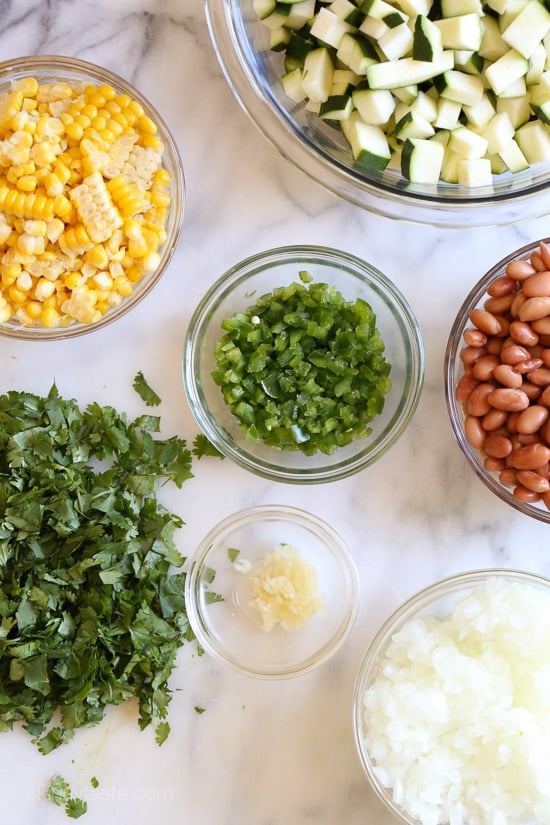
- Filling Assembly: The vegetable component requires sautéing or combining fresh late-summer produce, including diced zucchini, freshly cut corn kernels, and cooked or canned beans (such as black beans or pinto beans), seasoned with standard Mexican spices like cumin, garlic, and chili powder.
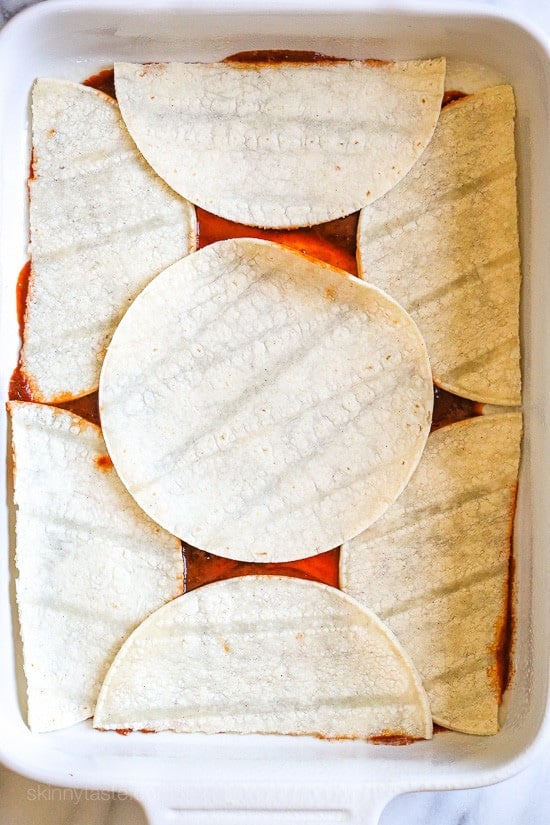
- Layering Process: Mirroring the assembly of a traditional lasagna, the baking dish is coated lightly with sauce, followed by a layer of corn tortillas. The vegetable and bean filling is distributed evenly across the tortillas, accompanied by a moderate application of cheese and additional sauce. This layering sequence is repeated until the ingredients are exhausted, culminating in a final topping of sauce and melted cheese.
- Baking and Resting: The casserole is baked until the cheese is thoroughly melted and bubbly, and the structural elements are heated through. Allowing the casserole to rest for a brief period before slicing is critical, as it enables the starches in the tortillas and the melted cheese to set, ensuring clean portions upon serving.
Broader Impact on Modern Home Cooking and Food Trends
The enduring popularity of recipes like the Vegetable Enchilada Casserole highlights several broader shifts in contemporary consumer behavior regarding home economics and meal planning. As grocery prices fluctuate, consumers increasingly seek versatile recipes that can stretch seasonal produce and pantry staples into satisfying, multi-serving meals. Casseroles inherently offer high yield and excellent refrigeration or freezing capabilities, making them optimal for meal-prep enthusiasts and busy households.
Moreover, the adaptability of the recipe reflects a growing trend toward customizable home cooking. While the standard formulation emphasizes zucchini and corn, home cooks frequently substitute seasonal alternatives such as bell peppers, yellow squash, or spinach depending on availability. This flexibility reduces food waste by encouraging the utilization of surplus refrigerator ingredients.
Culinary educators and media platforms have also noted the psychological appeal of "comfort food makeovers." Dishes that emulate heavier, indulgent meals while incorporating nutrient-dense vegetables allow consumers to enjoy familiar flavor profiles without compromising their nutritional objectives. As plant-based and flexitarian eating patterns continue to influence mainstream culinary culture, recipes that successfully merge seasonal agriculture with accessible, family-friendly preparation methods will remain a staple of modern domestic kitchens.