The Physics and Physiology of Yoga Inversions: Exploring the Cardiovascular, Lymphatic, and Safety Impacts of Reversing Gravity

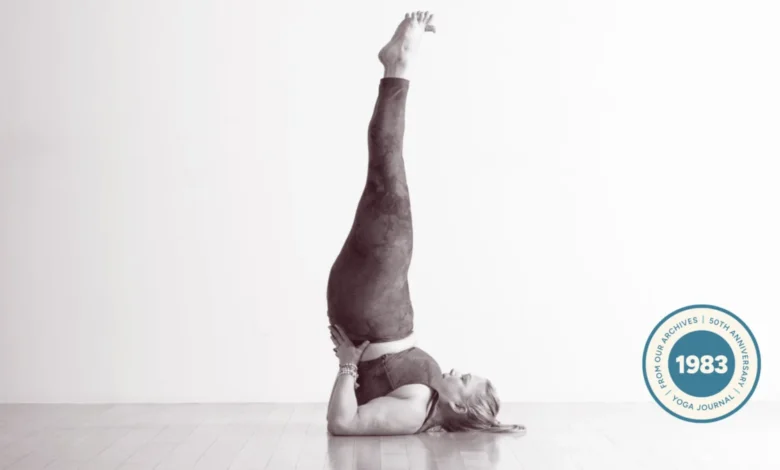
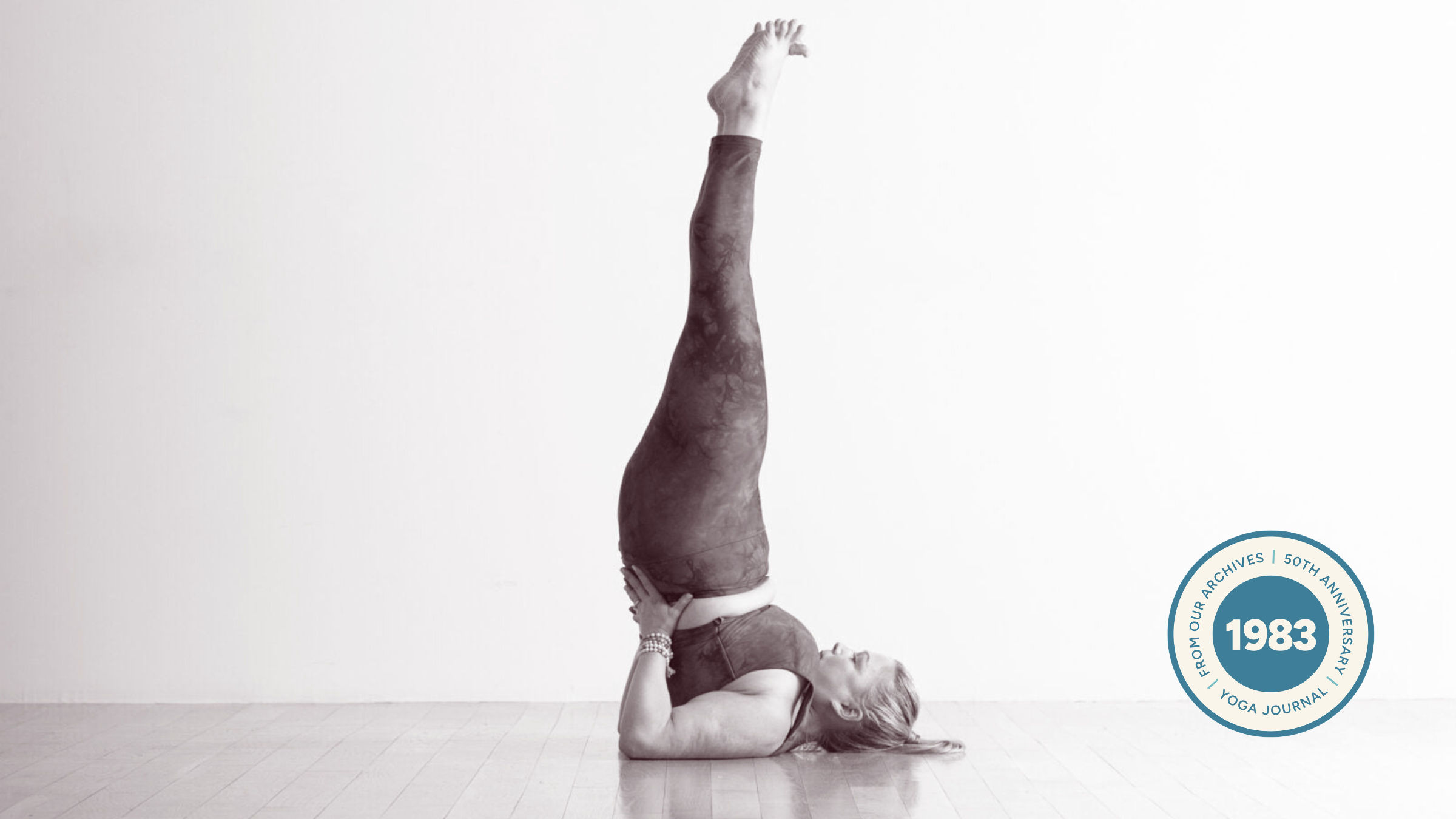
In the architectural hierarchy of yoga asanas, few postures command the foundational reverence of the Supported Headstand (Sirsasana) and Supported Shoulderstand (Sarvangasana). Long designated by traditional practitioners as the king and queen of postures, these foundational inversions fundamentally alter the human body’s conventional relationship with gravity. By inverting the torso and lower extremities relative to the heart and cranium, these movements instigate a cascade of physiological shifts across the cardiovascular, respiratory, and lymphatic systems. As wellness research increasingly intersects with ancient somatic practices, contemporary physiologists and yoga scholars continue to examine the precise mechanisms through which gravitational reversal impacts human anatomy—balancing profound therapeutic benefits with essential clinical precautions.
The Mechanical Dominance of Gravity on Human Fluid Dynamics
To understand the physiological significance of inversions, one must first examine the constant physical force that governs terrestrial human movement: gravity. The human body is composed of approximately 75 to 80 percent water, existing primarily as intracellular and extracellular fluids. Just as water flows unceasingly down a geological gradient, the internal liquids of the human body are constantly pulled downward toward the earth.
While the skeletal system provides rigid structural resistance, and soft tissues offer localized support, internal fluid distribution is entirely at the mercy of this gravitational pull. The cardiovascular system must perpetually adapt to maintain homeostasis against this downward vector. In a standard upright posture—whether sitting or standing—the brain resides significantly higher than the central pump of the body: the heart. Consequently, the cardiac muscle must exert considerable mechanical energy to pump arterial blood upward against the resistive force of gravity.
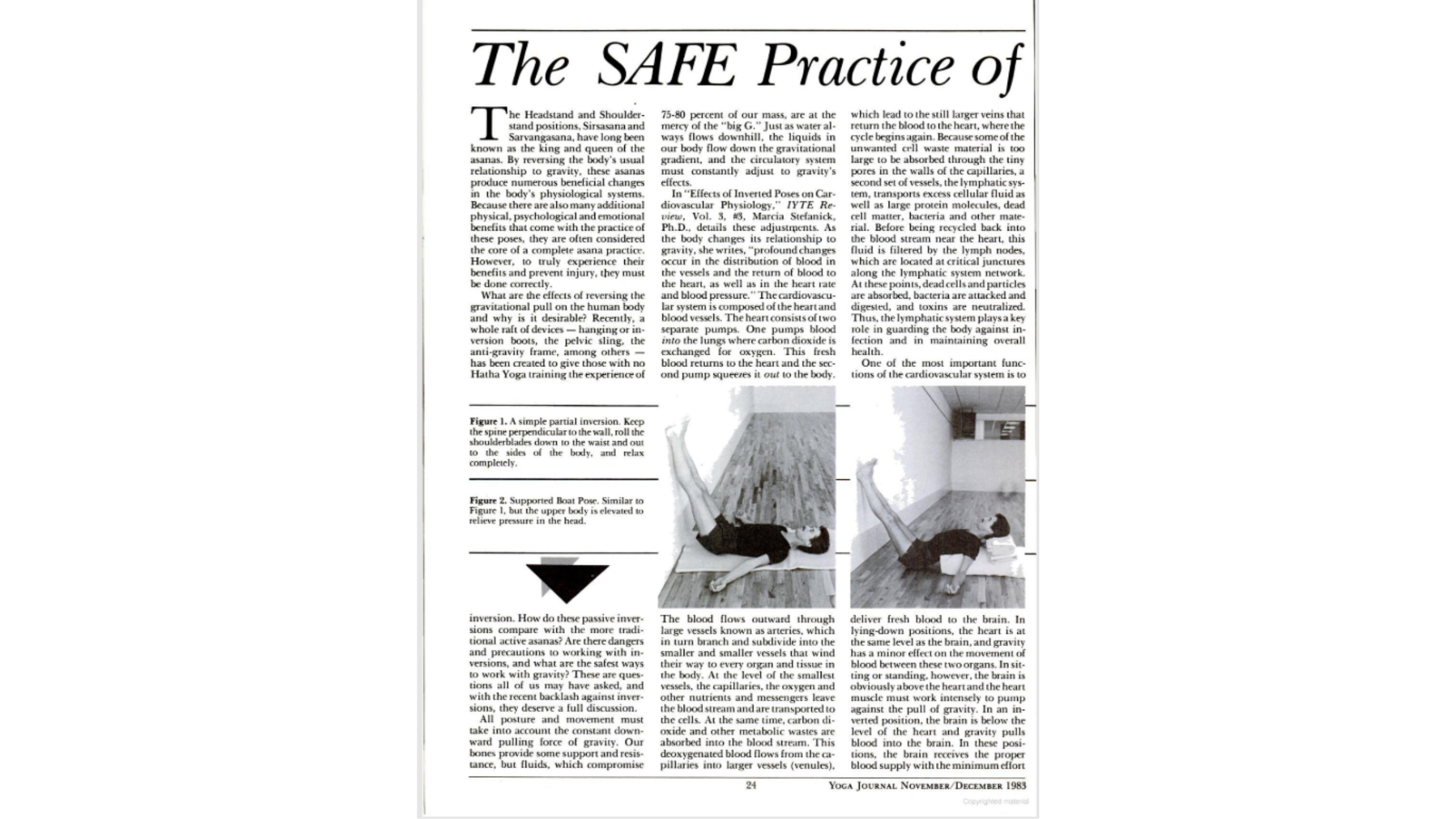
Historical physiological studies underscore this workload disparity. Research cited in classical yoga science literature, including evaluations by investigator Shanker Rao, demonstrates distinct heart rate variations relative to body orientation. When subjects assume a supine (lying down) position, where the heart and brain share a horizontal plane, the average heart rate remains stable, typically hovering around 67 beats per minute. Upon transitioning to a standing position, the heart rate increases to compensate for gravitational resistance, averaging roughly 84 beats per minute. Interestingly, when the same subjects enter a controlled Headstand, the average heart rate registers at approximately 69 beats per minute. This comparative data illustrates how inversions temporarily alleviate the heart’s continuous workload by utilizing gravity to assist cranial blood perfusion.
Cardiovascular Mechanics and Vascular Elasticity
The cardiovascular network functions as a closed-loop hydraulic system driven by the dual-chambered heart. The first pump directs deoxygenated blood into the pulmonary system, where it offloads carbon dioxide and absorbs fresh oxygen. This oxygenated blood returns to the heart to be driven outward through the arterial tree by the second pump. Arteries branch progressively into microscopic capillaries, where cellular respiration occurs—nutrients and oxygen are delivered to tissues, while metabolic wastes are absorbed into the bloodstream.
When the body enters an inversion, such as Sirsasana or Sarvangasana, the brain is positioned physically beneath the heart. Gravity naturally assists the flow of arterial blood into the cranial vault, ensuring adequate perfusion with minimal exertion from the myocardium. According to cardiovascular physiologist Dr. Marcia Stefanick, whose research on inverted postures outlines these profound hydraulic adjustments, changing the body’s spatial orientation alters intravascular pressure distributions, venous return rates, and systemic blood pressure.
This rhythmic fluctuation in internal fluid pressure is not merely benign; it serves an active physiological purpose. Regular, controlled increases in pressure within the vascular beds of the head, neck, and thorax help maintain the elasticity of blood vessel walls and surrounding soft tissues. Vascular resilience is a critical biomarker of long-term circulatory health, protecting against arterial stiffening and supporting overall cardiovascular integrity.
Lymphatic Drainage and Venous Return
While arterial blood is forcefully driven by the heart, the return of deoxygenated venous blood—along with the circulation of lymphatic fluid—relies on entirely different mechanisms. The venous and lymphatic systems must work upward against gravity to return fluids from the lower extremities and pelvic basin back to the thoracic cavity.
The human body accomplishes this via three primary mechanisms:
- Gravitational Drainage: In horizontal or inverted positions, gravity actively assists the drainage of venous and lymphatic fluids from regions situated above the heart.
- The Respiratory Pump: Changes in pressure within the thoracic cavity during respiration—particularly coordinated exhalations—create a vacuum effect that draws fluids upward toward the heart.
- Skeletal Muscle Contractions: The rhythmic contraction and relaxation of skeletal muscles compress deep veins, propelling fluids forward. One-way valves within these vessels prevent backflow, ensuring directional movement toward the heart.
Despite these adaptations, the human lifestyle often creates systemic bottlenecks. Modern humans typically spend 16 or more hours each day with the head elevated above the pelvis and lower limbs. Over time, this chronic vertical posture causes blood and lymphatic fluid to pool in the lower body due to prolonged gravitational drag.
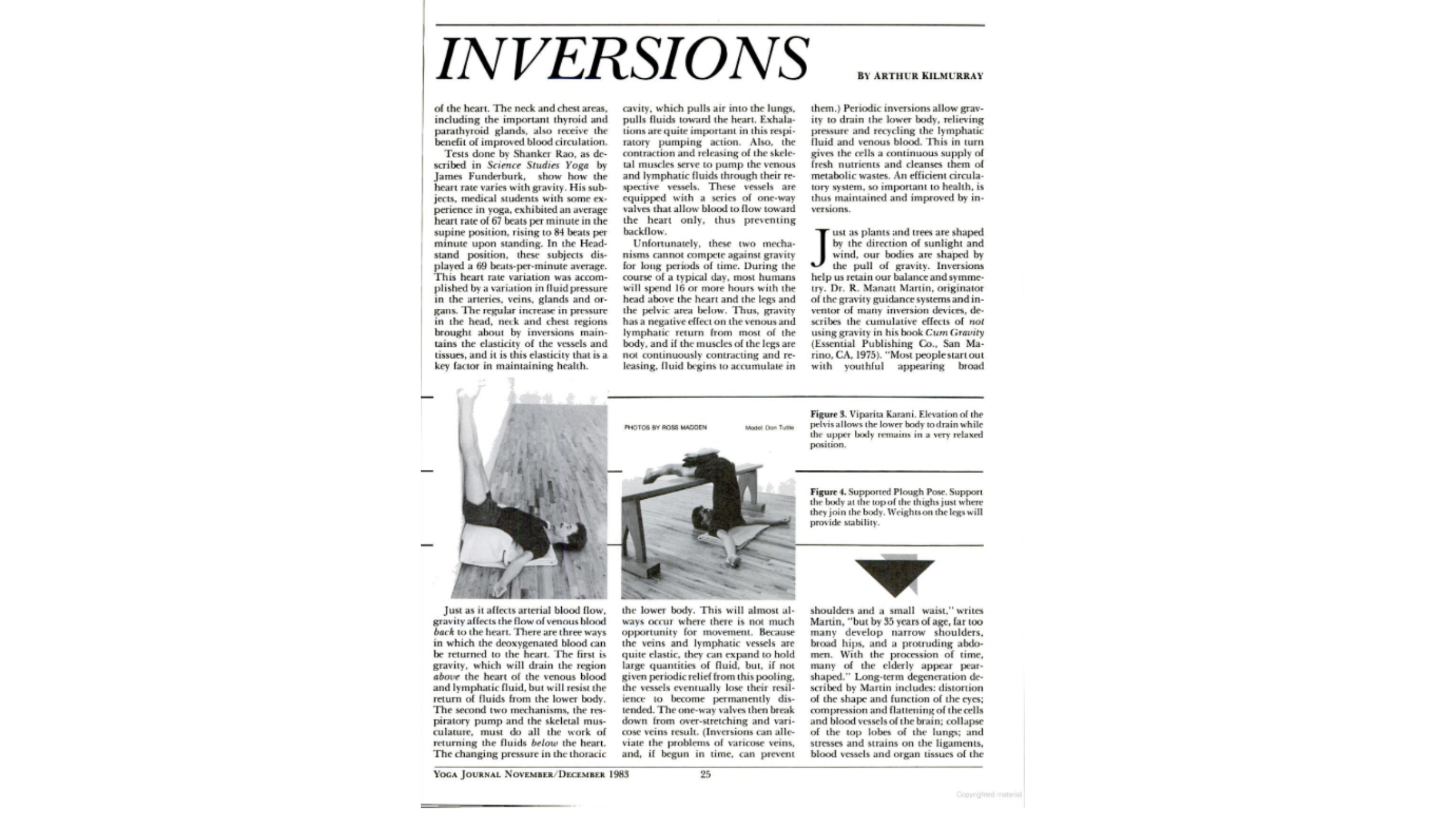
Without continuous muscular contraction to propel the fluid upward, the elastic walls of veins and lymphatic vessels stretch to accommodate the excess volume. If this pooling occurs chronically without periodic relief, the vessel walls lose their natural resilience, becoming permanently distended. The internal one-way valves eventually fail from overextension, resulting in clinical presentations such as varicose veins and chronic venous insufficiency.
By incorporating periodic inversions into a physical regimen, practitioners allow gravity to reverse its vector, draining the lower body, decompressing pelvic structures, and facilitating the clearance of stagnant fluids. This gravitational shift unburdens the lymphatic network, which is responsible for filtering cellular debris, neutralizing toxins via the lymph nodes, and defending the body against pathogens. Consequently, regular inversions support systemic cellular cleansing and optimize immune function.
Clinical Contraindications and Safety Precautions
Despite the extensive physiological benefits associated with reversing gravitational forces, inversions are not universally appropriate. In recent decades, medical professionals and advanced yoga educators have emphasized the necessity of rigorous safety protocols, cautioning against unguided or aggressive execution of advanced asanas.
A distinct cohort of individuals must strictly avoid unmonitored or active inversions due to the acute cardiovascular and intraocular pressure changes they induce. These contraindications include:
- Hypertension (High Blood Pressure): The abrupt alteration in vascular pressure can exacerbate elevated blood pressure, creating hazardous stress on cerebral and cardiovascular tissues.
- Ophthalmologic Conditions: Individuals diagnosed with glaucoma or a history of retinal detachment must avoid inversions, as the increased fluid pressure within the head can negatively impact intraocular structures.
- Neurological and Vascular Disorders: Those with a history of stroke, transient ischemic attacks (TIAs), epilepsy, seizure disorders, or acute brain trauma should abstain from positions that alter cranial blood flow.
- Spinal Pathology: Severe structural injuries to the cervical or lumbar spine preclude active inversions unless prescribed and monitored within a clinical physical therapy framework.
- Internal Structural Conditions: Conditions such as hiatal hernias can be aggravated by the inversion of abdominal contents against the diaphragm.
Furthermore, certain physiological states demand temporary cessation or careful modification of inversion practices. Practitioners are traditionally advised to avoid active inversions during menstruation. During pregnancy, inversions should only be attempted by experienced practitioners under the direct supervision of a qualified instructor. Similarly, older adults diagnosed with osteoporosis—particularly those with a documented history of vertebral compression fractures—must avoid loaded inversions to protect fragile bone density in the spinal column.
Broader Implications and Modern Practice Standards
The enduring legacy of the Headstand and Shoulderstand within physical culture bridges ancient somatic tradition with modern exercise science. As empirical research continues to validate the systemic effects of gravitational adjustments on vascular elasticity and lymphatic clearance, the pedagogical approach to yoga has evolved. Modern teacher training programs increasingly emphasize anatomical literacy, individualized assessment, and progressive sequencing over the dogma of advanced postures.
Ultimately, while Sirsasana and Sarvangasana offer remarkable physiological enhancements for the circulatory and immune systems, their safe execution relies on a nuanced understanding of human anatomy. By respecting individual physical limitations, recognizing clinical contraindications, and approaching gravity with intentional preparation, practitioners can safely harness the therapeutic potential of these foundational asanas.