The Sacred Geometry of the Spine: Understanding the Anatomical and Esoteric History of the Sacrum


The Latin etymology of the word sacer encompasses dual and contradictory meanings, translating simultaneously to "holy" and "cursed." This root serves as the linguistic ancestor for modern English terms such as "sacred" and "sacrifice," as well as the anatomical designation for the triangular bone situated at the base of the spine and the rear of the pelvis. Identified in medical nomenclature as the os sacrum, or "holy bone," historical and anthropological records suggest this terminology arose from ancient beliefs regarding the bone’s presumed indestructibility and its status as the physiological seat of human resurrection.
Beyond clinical osteology, esoteric hatha yoga traditions locate the terminus of the sacrum as the geographic site of the muladhara, or root chakra, often described as the fundamental wheel of subtle energy. Historically documented in classical yogic texts and preserved through decades of somatic exploration, this anatomical region acts as a bridge between structural mechanics and metaphysical philosophy. Modern movement science and physical therapists increasingly examine this intersection, recognizing that a comprehensive understanding of pelvic architecture is essential for mitigating chronic lower back pain, optimizing spinal alignment, and ensuring biomechanical efficiency across diverse physical disciplines.
Anatomical Overview and Structural Mechanics
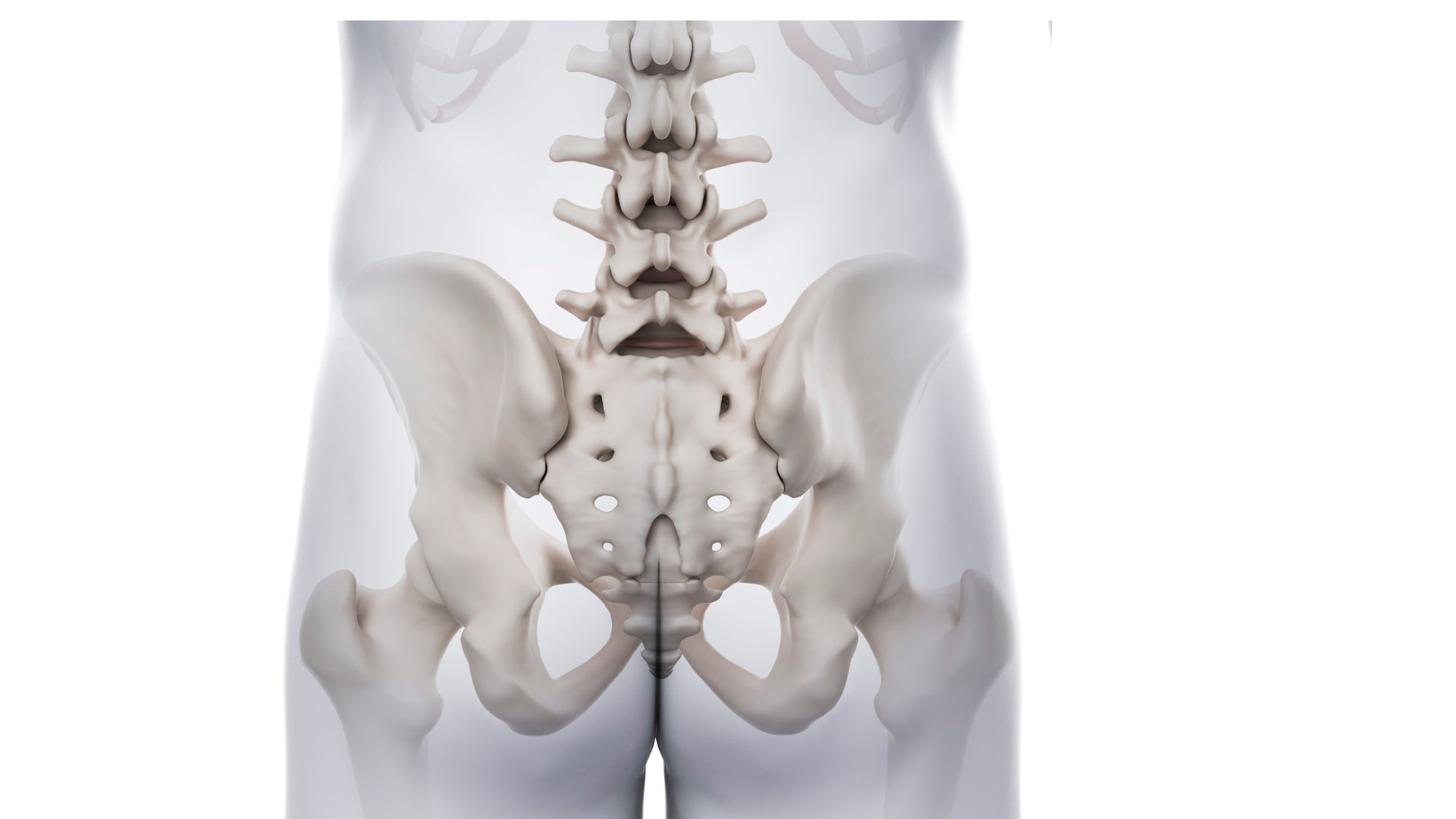
From an objective clinical perspective, the sacrum is a large, triangular bone formed by the fusion of five sacral vertebrae (S1 through S5), situated between the two hip bones of the pelvis. Its broad upper surface, known as the base, articulates with the final lumbar vertebra (L5), while its inferior tapering point, the apex, connects to the coccyx. The bone functions primarily as a critical load-bearing structure, translating the mechanical forces of the upper body, torso, shoulders, and head downward through the pelvic girdle and into the lower extremities. Simultaneously, it receives and absorbs the reciprocal ground reaction forces transmitted upward from the feet and legs.

Clinical data from orthopedic specialists indicate that pelvic misalignment—specifically involving the orientation and tilt of the sacrum—frequently correlates with lumbar pathology. When the sacrum is properly aligned, compressive and tensile forces distribute evenly across the vertebrae, preserving the natural lordotic and kyphotic curves of the spine. Conversely, anterior or posterior pelvic tilting can isolate excessive stress onto localized vertebrae, accelerating degenerative disc disease, muscle strain, and chronic axial back pain. Ergonomic specialists and yoga therapists emphasize that re-establishing neutral pelvic alignment reduces mechanical disadvantage and restores physiological equilibrium to the kinetic chain.
Chronological Context and Archival Evolution
The integration of ancient somatic wisdom with contemporary anatomical education has evolved significantly over the past century. During the late 20th century, particularly within the 1970s and 1990s, western publication platforms such as Yoga Journal began systematically documenting traditional movement principles, translating esoteric Eastern philosophies into accessible biomechanical frameworks. Archivists note that the November-December 1993 publication of foundational somatic studies marked a turning point in how practitioners approached structural alignment, shifting the focus from purely aesthetic postures to functional internal awareness.
Throughout the subsequent decades, sports medicine and physical therapy have corroborated many of these empirical observations. The historical timeline of postural analysis reveals a gradual transition from rigid, one-size-fits-all anatomical rules to individualized, dynamic assessments of pelvic mobility. By the early 2000s, clinical integration of yoga-based movement therapies demonstrated quantifiable improvements in patient outcomes concerning chronic lower back pain, highlighting the efficacy of targeted sacral awareness and muscular release techniques.
Biomechanical Analysis: Functional Implications
Analyzing the implications of sacral positioning reveals direct correlations between pelvic stability and overall kinetic function. When individuals engage in physical activities without conscious integration of the sacrum, compensatory muscular recruitment patterns often develop. Over time, these compensations manifest as hypertonicity in the lumbar extensors, tightness in the hip flexors, and diminished core engagement.
From a physiological standpoint, maintaining spatial awareness of the sacrum during movement encourages the recruitment of deeper stabilizing musculature, including the transversus abdominis and the pelvic floor complex. This distributed load-sharing mechanism prevents premature fatigue and diminishes the incidence of acute athletic injuries. Furthermore, healthcare analysts note that preventative somatic education reduces long-term reliance on pharmaceutical interventions for mechanical back pain, offering a cost-effective, patient-administered modality for musculoskeletal health maintenance.
Practical Application: Somatic Exercises for Sacral Awareness
To translate structural theory into functional practice, movement specialists utilize targeted exercises designed to enhance proprioception and neuromuscular coordination within the pelvic region. These practices emphasize three primary directions of movement: neutral positioning, forward flexion, rotational twisting, and extension.
-
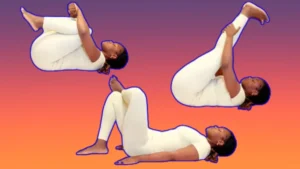
Reclining Pelvic Awareness (Neutral Position)
Reclining supine with bent knees and feet parallel allows the practitioner to observe the natural convexity of the sacrum against a flat surface. Gentle, micro-movements—utilizing the floor as tactile feedback—help identify lateral rotation or uneven weight distribution across the left and right sacroiliac joints. Controlled breathing synchronized with pelvic tilt exercises encourages the release of chronic tension in the thoracolumbar fascia.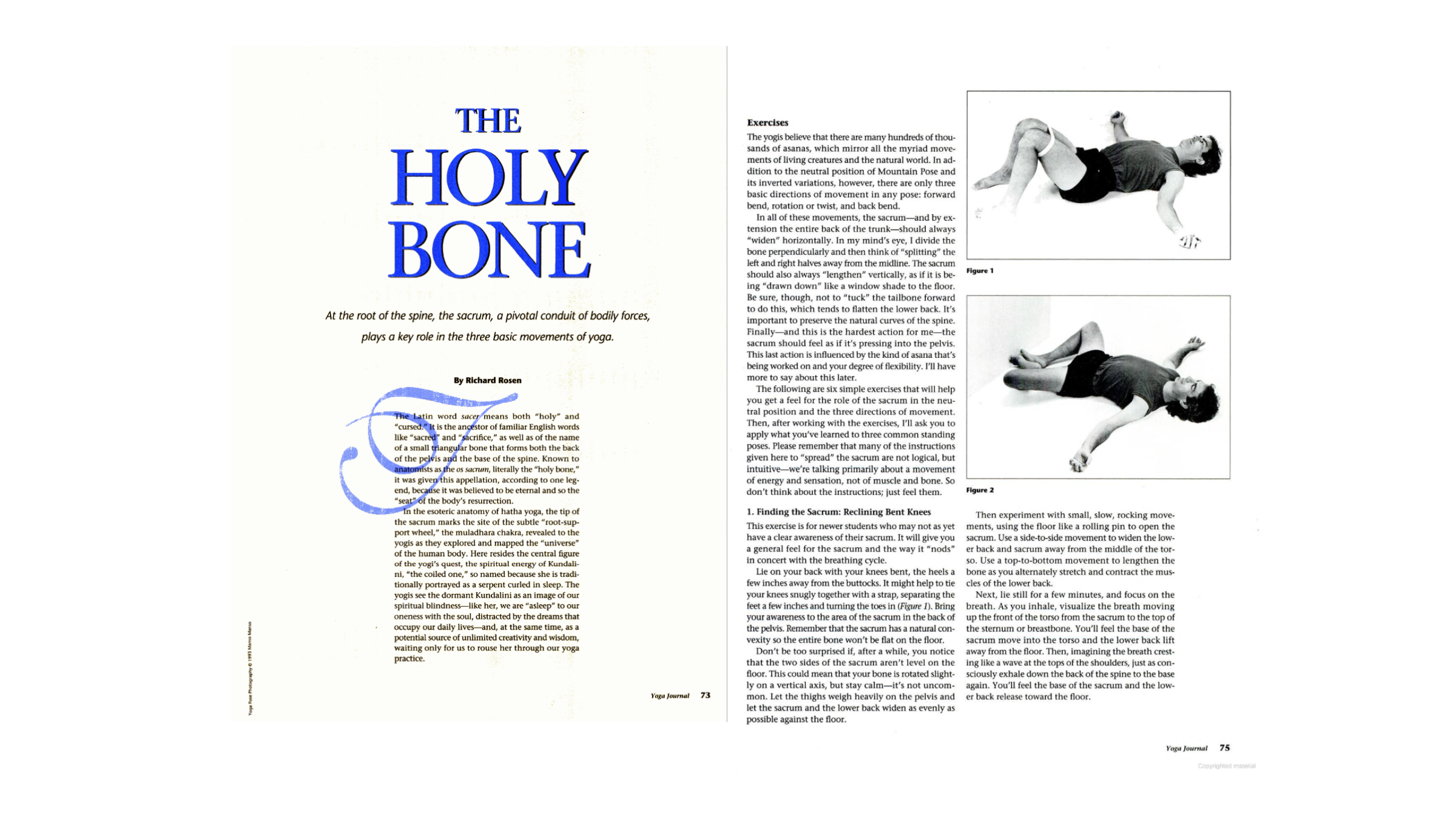
-
Reclining Bound Angle (Internal Stabilization)
Performed in a supine position with the soles of the feet touching and knees dropped outward, this movement facilitates the integration of the sacrum into the pelvic bowl. By utilizing breathwork and maintaining softness in the abdominal wall, practitioners cultivate stability without inducing excessive muscular tension, aligning with the physiological definition of dynamic strength. -
Seated Cross-Legged Extension (Forward Bending Preparation)
Seated variations challenge the pelvis to fold from the true hip joints rather than the lumbar spine. By manually stabilizing the flesh of the buttocks away from the sacrum, practitioners create horizontal width and vertical elongation, protecting the intervertebral discs from excessive shear stress during forward folding actions. -
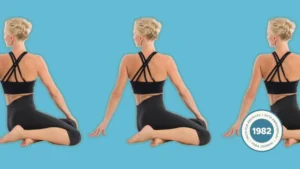
Reclining Spinal Twists (Rotational Mechanics)
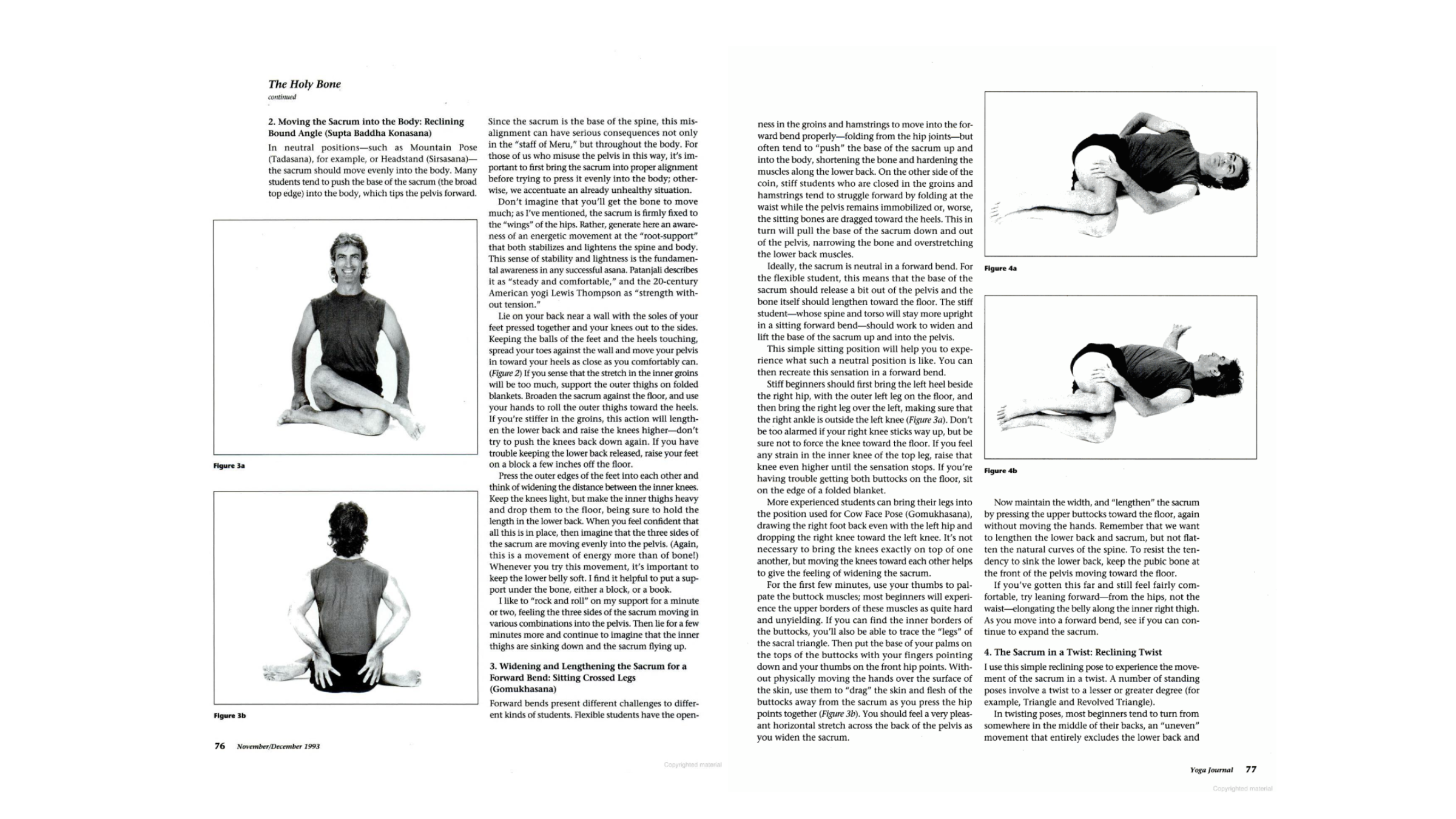
Rotational movements originate structurally from the base of the spine. Executing controlled twists from a supine or seated position ensures that the rotation is distributed evenly across the entire vertebral column rather than isolating torque to vulnerable mid-back segments. -
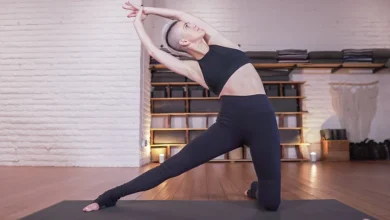
Half Hero and Low Lunge Variations (Extension and Preparation)
Kneeling and lunging preparations address tightness in the iliopsoas and quadriceps groups. By stabilizing the apex of the sacrum downward and broadening the base, practitioners can safely explore extension in the anterior hip complex while safeguarding the lower back against hyperextension.
Broader Impact and Public Health Implications
The enduring relevance of integrating sacral awareness into physical conditioning underscores a broader shift in modern healthcare toward integrative medicine. As chronic musculoskeletal disorders remain a leading cause of global disability and lost productivity, preventative educational frameworks that prioritize structural biomechanics and body awareness offer substantial public health benefits.
Medical professionals and movement educators continue to advocate for interdisciplinary approaches that combine evidence-based physical therapy with somatic disciplines. By fostering a deeper anatomical and experiential understanding of foundational structures like the sacrum, individuals are better equipped to navigate physical rehabilitation, enhance daily functional movement, and maintain long-term spinal health.