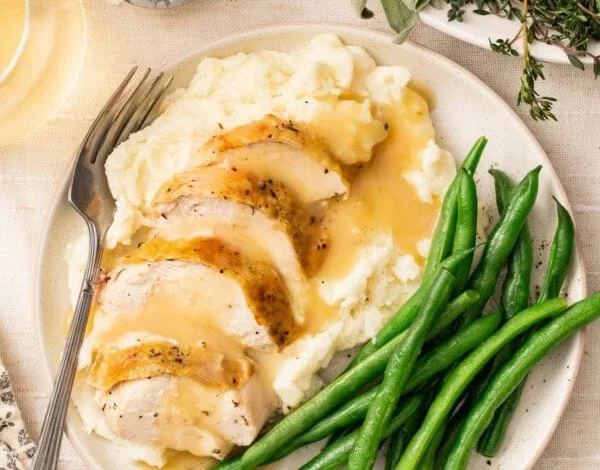
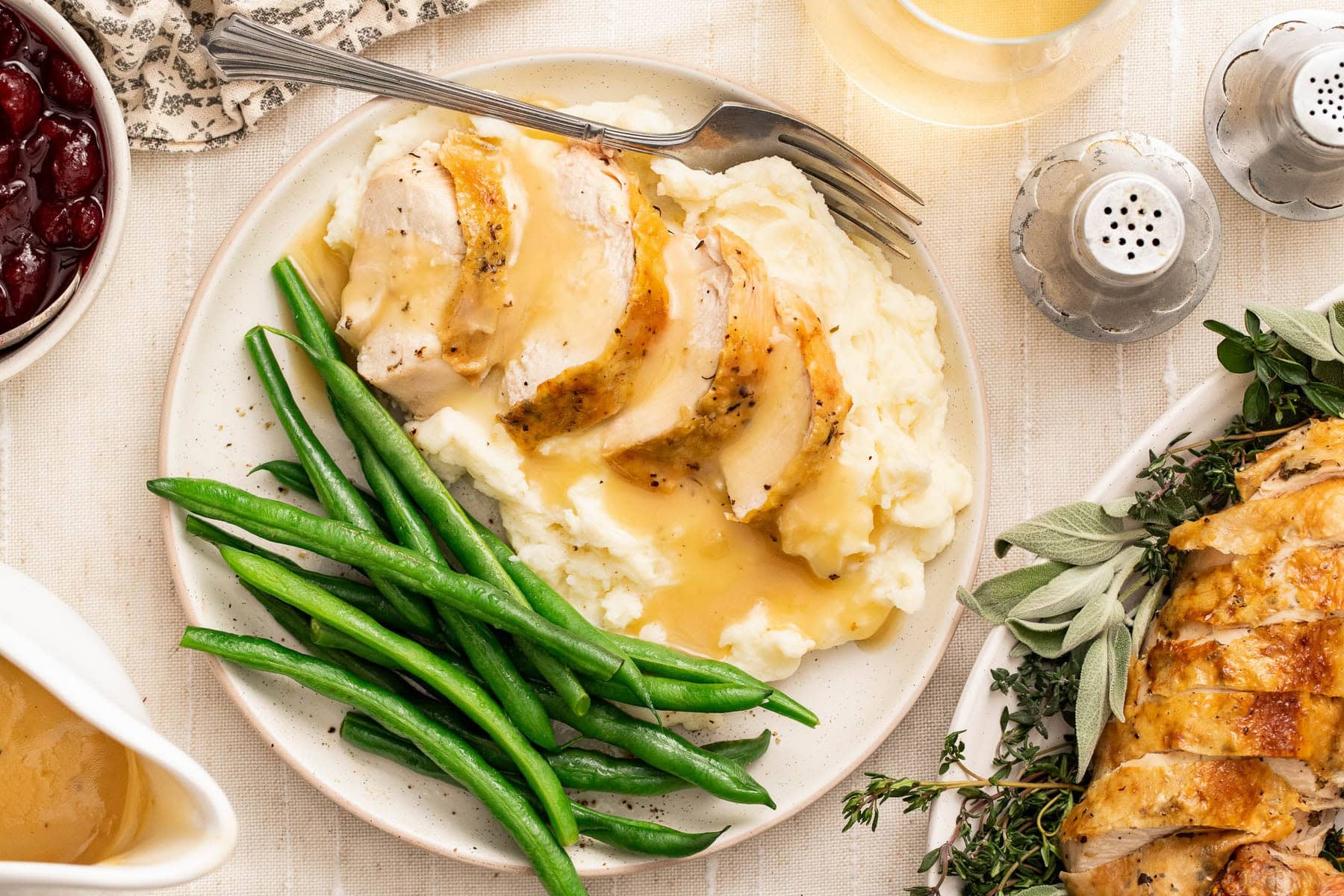
The culinary landscape of North American holiday traditions is undergoing a subtle yet significant shift, driven by changing household demographics, economic factors, and evolving consumer preferences. While the traditional whole-roasted turkey remains the undisputed centerpiece of the classic Thanksgiving table, a growing segment of the population is pivoting toward alternative poultry options. This trend is particularly evident among smaller households, urban dwellers, and hosts seeking to streamline holiday preparation without sacrificing traditional flavors. Central to this culinary pivot is the development of specialized recipes designed to replicate the nostalgic tastes of the holiday season using more manageable cuts of poultry, exemplified by contemporary interpretations of roasted chicken paired with artisanal homemade pan gravy.
Background Context and Cultural Shift
For generations, the Thanksgiving holiday has been synonymous with the multi-pound, whole-roasted turkey. Historical data compiled by agricultural and culinary institutions indicate that the average household size in North America has steadily declined over the past several decades. Consequently, the preparation of a massive turkey often results in excessive leftovers, significant food waste, and hours of intensive labor for hosts cooking for gatherings of four or fewer people.
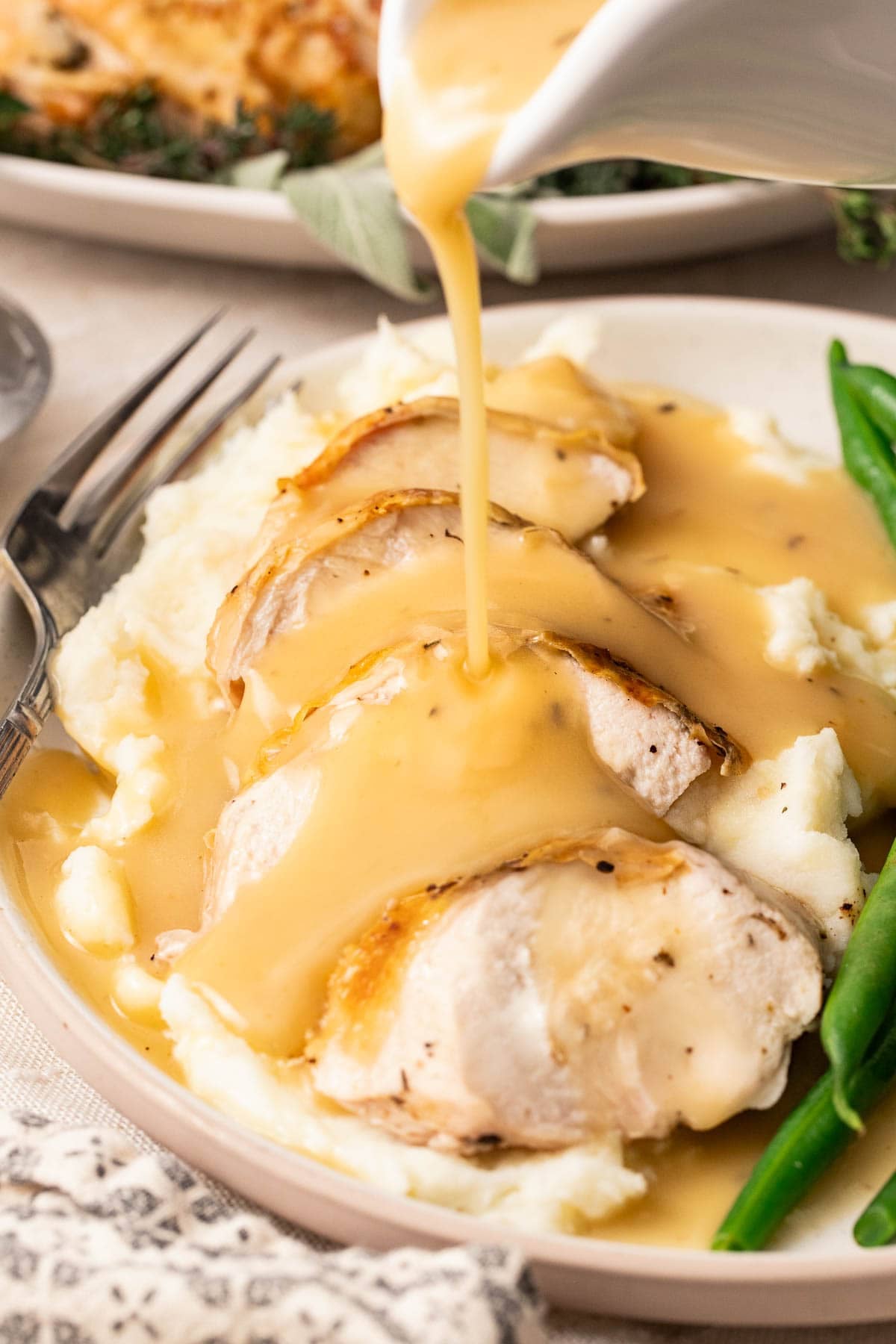
Culinary experts and food media platforms have increasingly reported a surge in demand for scaled-down holiday menus. Consumers are actively seeking dishes that deliver the sensory experience of a traditional feast—featuring crispy skin, seasoned aromatics, and rich, savory pan gravies—while fitting more practical cooking timeframes and kitchen footprints. This shift has elevated the status of the whole-roasted chicken from an ordinary weeknight meal to a viable, celebrated centerpiece for intimate holiday celebrations.
Chronology of Preparation and Culinary Methodology

Achieving a holiday-worthy roasted chicken requires specific culinary techniques that elevate the bird beyond standard preparation methods. Food scientists and professional chefs emphasize the importance of systematic preparation timelines to ensure both food safety and optimal texture.
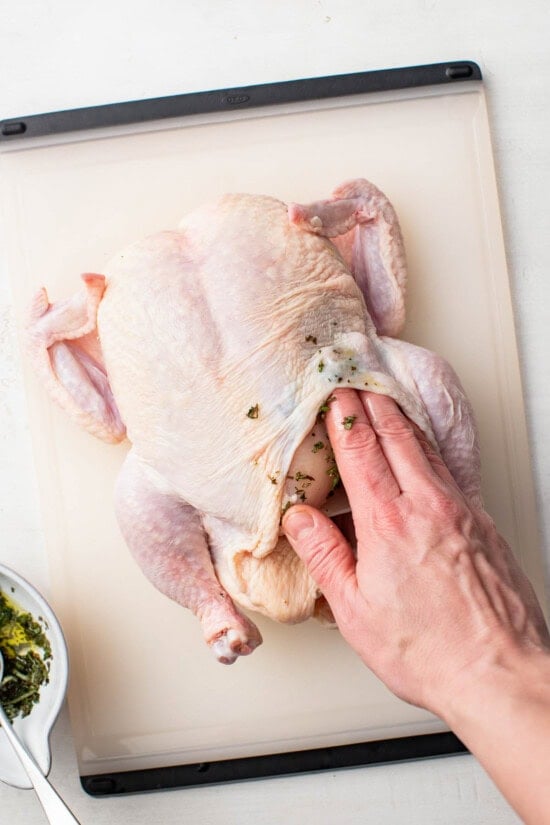
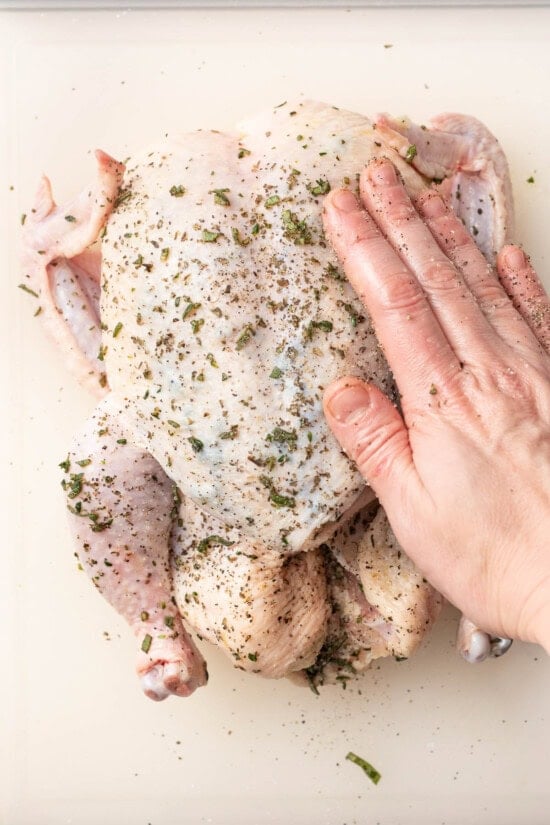
The preparation process typically begins up to 24 hours prior to cooking through the application of a dry brine. This technique involves coating the poultry with an exact proportion of salt and preferred aromatics, allowing the seasoning to penetrate the muscle tissue over several hours of refrigeration. This step not only seasons the meat throughout but also draws out surface moisture, a critical prerequisite for achieving crisp, golden skin during roasting.

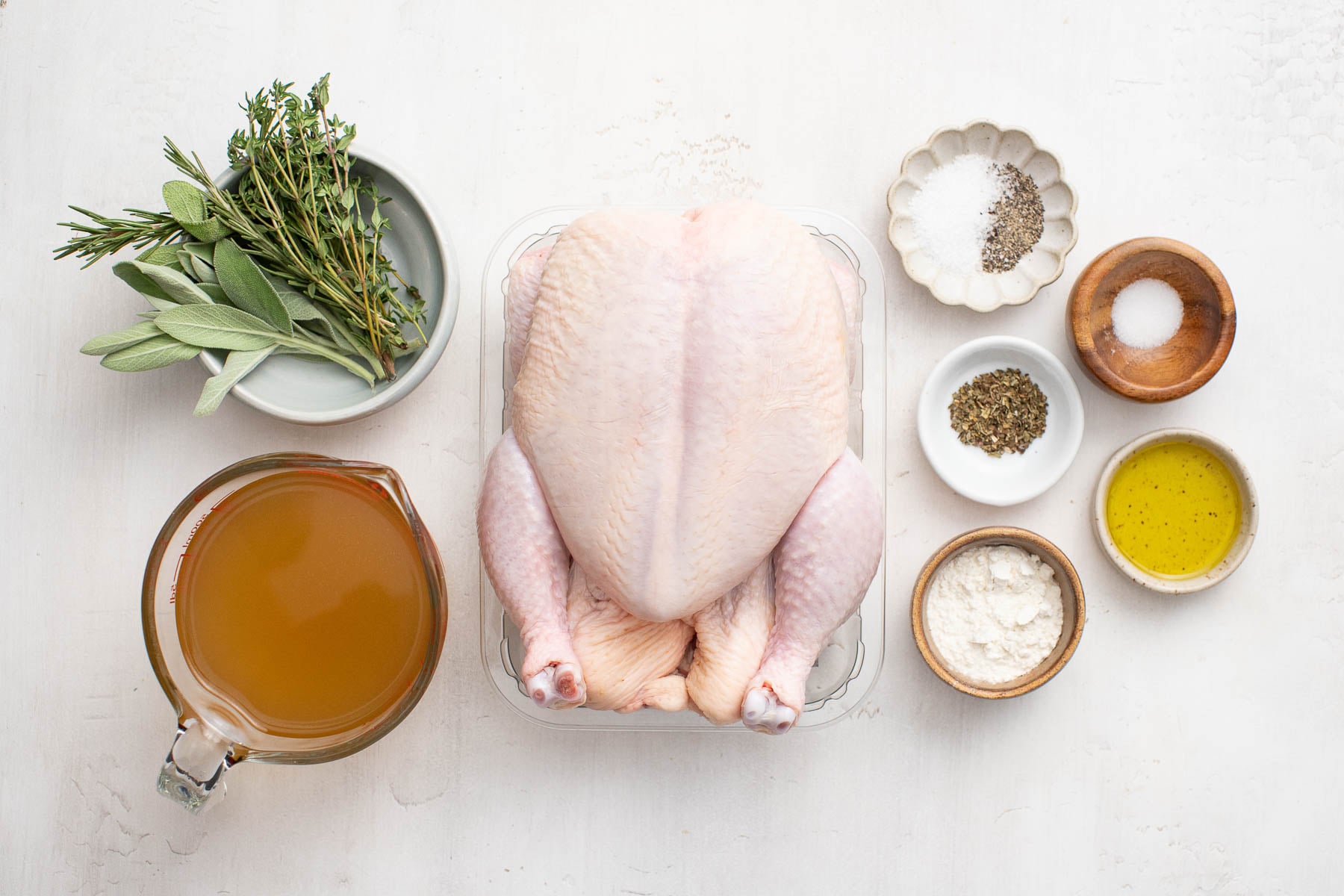
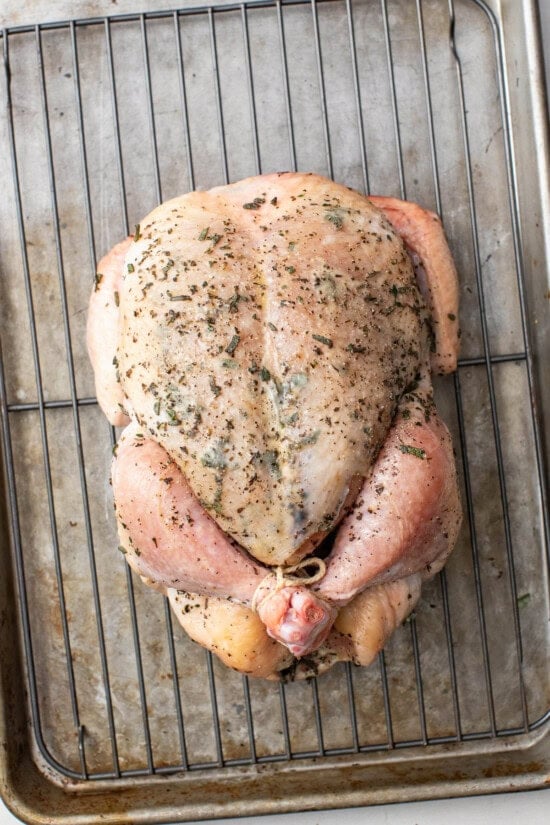
On the day of preparation, the chronological sequence moves from tempering the poultry at room temperature to prevent uneven cooking, stuffing the cavity with traditional holiday herbs such as rosemary, thyme, and sage, and trussing the limbs to promote uniform heat distribution. Modern culinary guidelines strongly advocate for the use of precision tools, such as wireless meat thermometers inserted into the deepest section of the breast meat, removing the poultry from the heat source precisely when internal temperatures reach targeted safety benchmarks. Following the thermal cooking phase, a mandatory resting period allows the internal juices to redistribute evenly throughout the tissue before carving.
Nutritional Profiles and Dietary Implications
As consumer awareness regarding dietary health continues to influence purchasing decisions, nutritional transparency has become a cornerstone of modern recipe development. Traditional holiday meals are frequently associated with high caloric density and elevated sodium levels. In contrast, alternative poultry dishes offer distinct nutritional advantages while retaining comfort-food appeal.
Nutritional analyses of standard whole-chicken preparations indicate significant protein efficiency. A typical serving—calculated at approximately four ounces of skin-on breast meat—provides robust protein content alongside controlled fat metrics. For instance, standard culinary formulations yield roughly 291 kilocalories per serving, paired with approximately 31.5 grams of protein and 15 grams of total fat. Carbohydrate intake remains minimal, primarily originating from the thickening agents utilized in the accompanying pan gravy. This balance appeals to health-conscious consumers aiming to maintain dietary goals during seasonal celebrations without feeling excluded from traditional holiday feasts.
Economic and Market Implications
The growing preference for roasted chicken over turkey during major holidays carries broader economic implications for the poultry supply chain, retail grocers, and the broader food service sector. Agricultural economists note that whole chickens offer greater year-round price stability compared to turkeys, which experience severe seasonal price spikes and supply constraints centered strictly around November and December.
For retail grocers and supermarket chains, promoting scaled-down holiday recipes encourages diversified inventory turnover. Consumers facing inflationary pressures on grocery bills often welcome the lower price point of a standard whole chicken relative to a premium heritage turkey. Furthermore, the reliance on accessible pantry staples—such as flour, broth, and standard root vegetables—for the accompanying homemade gravy aligns with current consumer trends favoring budget-friendly, high-yield meal planning.
Industry Expert Analysis and Future Outlook
Culinary researchers and food industry analysts suggest that the popularization of alternative holiday centerpieces is more than a passing fad; it represents a permanent diversification of cultural traditions. As multicultural households blend global flavors with domestic holidays, and as single-person households continue to represent the fastest-growing demographic segment in housing statistics, the demand for adaptable, scalable recipes will only accelerate.
Food safety authorities and culinary educators continue to emphasize the importance of adhering to standardized cooking metrics, regardless of the poultry species selected. Educational campaigns focusing on proper defrosting protocols, cross-contamination prevention, and the reliance on digital food thermometers remain vital as home cooks experiment with alternative holiday menus. Ultimately, the integration of elevated roasted chicken dishes into Thanksgiving traditions underscores a broader movement toward pragmatic, stress-free entertaining that prioritizes flavor, efficiency, and shared culinary enjoyment over rigid adherence to historical norms.