Rebuilding Your Core: A Comprehensive Guide to Postpartum Recovery Through Pilates Principles

The journey to restoring core function following childbirth is a complex physiological process that requires patience, informed guidance, and a shift in perspective. For many individuals, the immediate postpartum period—the months following delivery—is characterized by significant musculoskeletal changes, including the stretching of the abdominal wall, a shift in the body’s center of gravity, and the management of increased pelvic floor pressure. As the body transitions from pregnancy to the recovery phase, the re-establishment of core stability is not merely a fitness goal but a fundamental necessity for managing daily physical demands, from lifting a newborn to navigating basic mobility.
Clinical research into maternal health consistently highlights that pregnancy induces profound anatomical shifts. During gestation, the rectus abdominis muscles—the "six-pack" muscles—often separate to accommodate the growing uterus, a condition clinically recognized as diastasis recti. While this separation is a natural physiological adaptation, its persistence beyond the immediate postpartum period can lead to decreased core support, back pain, and pelvic floor dysfunction. Recent data from the American College of Obstetricians and Gynecologists (ACOG) emphasizes that postpartum recovery is highly individualized, contingent upon factors such as mode of delivery, pre-pregnancy fitness levels, and the presence of any obstetric complications.
The Anatomy of Postpartum Core Dysfunction
To understand the necessity of targeted recovery exercises, one must first define the core. It is not merely the abdominal wall; it is a complex, integrated system comprised of the pelvic floor, the diaphragm, the multifidus muscles in the back, and the transverse abdominis. During pregnancy, these components are placed under sustained, high-pressure loads. Following birth, these muscles often exhibit weakness or altered neural activation patterns.
The primary objective of early postpartum intervention is not the rapid return to high-intensity training, but rather the retraining of these muscles to function in concert. Medical professionals often suggest that the timeline for returning to exercise is dictated by the healing of connective tissues and the resolution of any surgical recovery, particularly in cases involving Cesarean sections. A 2022 study published in the Journal of Women’s Health Physical Therapy suggests that early, guided rehabilitation focusing on diaphragmatic integration and pelvic floor engagement significantly reduces the long-term incidence of urinary incontinence and chronic pelvic girdle pain.
A Chronology of Recovery: From Breath to Movement
Recovery is a non-linear process that should be approached with a structured, phased methodology. The initial phase, typically occurring within the first six weeks postpartum, focuses on stabilization and nervous system regulation.
- Diaphragmatic Breathing (Weeks 1-4): This foundational practice serves as the cornerstone of core rehabilitation. By engaging the diaphragm, individuals can manage intra-abdominal pressure, which is essential for protecting the pelvic floor. The practice involves rhythmic, controlled breathing that encourages the rib cage to expand, facilitating a "neutral" core state without forced abdominal bracing.
- Pelvic Tilts and Gentle Engagement (Weeks 4-8): Once basic breath control is established, practitioners move toward small-range spinal movements. Pelvic tilts assist in reconnecting the brain to the pelvic muscles, improving postural awareness without the stress associated with traditional high-impact abdominal exercises.
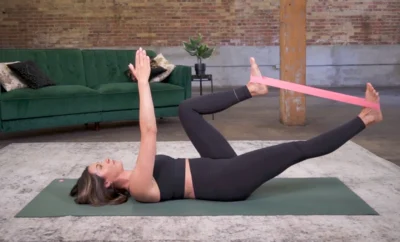
- Stability-Focused Integration (Weeks 8+): As the individual gains confidence and clears medical hurdles, exercises such as heel slides, bent-knee fallouts, and glute bridges are introduced. These movements require the core to maintain stability while the limbs move, effectively simulating the demands of carrying an infant or performing household chores.
The Role of Pilates in Modern Maternal Health
Pilates, originally developed by Joseph Pilates, has gained significant traction within the medical community as a preferred modality for postpartum recovery. Its core tenets—concentration, control, centering, precision, and breath—align perfectly with the requirements of the postpartum body. Unlike traditional strength training, which may focus on the hypertrophy of superficial muscles, Pilates emphasizes the deep stabilizers.
Evidence suggests that mat-based Pilates is particularly beneficial for the postpartum population due to its accessibility. Research indicates that participants who engage in regular, controlled movement sessions report higher levels of physical self-efficacy and improved functional recovery. The movement patterns, such as the "Modified Bird Dog" and "Side-Lying Clamshells," serve a dual purpose: they strengthen the posterior chain (the glutes and back) while protecting the vulnerable anterior abdominal wall.
Analysis: Moving Beyond the "Crunch"
A persistent misconception in maternal fitness is the prioritization of crunches and planks as the primary indicators of recovery. However, clinical experts argue that these movements, if performed prematurely, can exacerbate diastasis recti and increase downward pressure on the pelvic floor.
The shift in the fitness industry is currently moving away from these universal "ab-builders" toward functional, breath-led rehabilitation. A pelvic health physical therapist would typically assess a patient’s ability to manage pressure before recommending more intense movements. The presence of a visible abdominal gap or "doming" during a movement is often a clinical signal to regress the exercise, focusing instead on lower-intensity activation. The implication here is clear: the quality of the contraction far outweighs the quantity of repetitions.
Practical Guidelines for Safe Implementation
For those looking to begin a routine, the primary recommendation from the medical community is to secure clearance from an obstetrician or midwife, especially if the birth involved surgical intervention or significant tearing.
- Listen to the Body: Pain, pelvic heaviness, or increased vaginal bleeding are definitive signs to cease activity and consult a healthcare provider.
- The Power of Small Increments: A ten-minute session focused on quality movement is more effective than an hour of erratic, high-pressure exercise. Consistency, rather than intensity, dictates the rate of recovery.
- The Holistic View: Postpartum strength is multifaceted. It is the ability to stand, walk, and lift without fatigue. It is the restoration of postural alignment that may have been altered by months of carrying extra weight.
Broader Impact and Public Health Perspectives
The democratization of postpartum exercise information—through digital platforms, guided programs, and increased public awareness—is bridging the gap between clinical physical therapy and general fitness. Organizations such as the International Pelvic Pain Society advocate for better postpartum support, noting that the "fourth trimester" is often a period where individuals feel isolated and unsupported in their physical rehabilitation.
By providing educational content that emphasizes anatomy, safety, and the gradual return to function, the fitness industry is contributing to a significant shift in maternal wellness. When individuals are empowered with the knowledge of how their core functions, they are better equipped to advocate for their own health and navigate the complex recovery process with greater confidence.
Conclusion: Redefining Strength
True postpartum strength is not defined by a timeline or a visual standard, but by the functional integrity of the body. The journey involves a transition from the exhaustion of the immediate postnatal period to a state of sustained physical resilience. By utilizing evidence-based, Pilates-inspired movements, individuals can honor the work their bodies performed during pregnancy while laying the groundwork for a healthy, active future. Whether through professional guidance or at-home practice, the objective remains constant: to facilitate a recovery that is as sustainable as it is effective, ensuring that the body is prepared for the unique and rigorous demands of parenthood.