The Elusive Embrace of Sleep: Yoga Offers a Gentle Pathway to Rest in a World That Never Stops


Published July 19, 2026, 09:09 AM
By nighttime, many find themselves physically present in bed yet mentally adrift, caught in a relentless cycle of rumination. Conversations are replayed, unfinished tasks loom, the next day’s demands are rehearsed, loved ones are fretted over, and hypothetical future problems are dissected. This pervasive inability to truly rest, to switch off the active mind, is a growing concern, impacting millions globally and contributing to a rise in sleep disorders and associated health issues. The traditional approach to sleep often mirrors our general approach to life: a challenge to be conquered, optimized, and perfected. We track sleep duration, analyze sleep quality, and search for the elusive "perfect" sleep formula. However, this very pursuit of control can paradoxically heighten alertness, keeping the nervous system on edge and making sleep more difficult to attain. This article explores how a mindful approach, rooted in ancient yogic principles, offers a gentler, more effective path to reclaiming restful nights.
The Paradox of Effort in Sleep Attainment
The modern pursuit of sleep often involves a host of technological aids and behavioral modifications. Wearable devices diligently record sleep cycles, apps offer guided meditations and sleep stories, and a burgeoning industry provides specialized pillows, blackout curtains, and white noise machines. While these tools can offer some benefit, the underlying philosophy of "achieving" sleep can be counterproductive. As experts in sleep science and contemplative practices note, sleep is not a task to be completed but a state to be allowed. The more we strive to force sleep, the more it recedes, akin to trying to grasp water – the tighter the grip, the faster it slips away.
This struggle is deeply intertwined with the demands of contemporary life. We are constantly engaged in a mode of "doing," driven by productivity, problem-solving, and the management of multiple roles. The identities we inhabit – parent, professional, caregiver, student, planner – are carried into the bedroom, preventing the necessary mental disengagement required for sleep. The mind, accustomed to constant activity, finds it difficult to transition from the active "doing" state to the passive "being" state that underpins restorative sleep.
Yoga Nidra’s Ancient Wisdom for Modern Sleeplessness
Yoga, a practice that has evolved over millennia, offers profound insights into the nature of consciousness and the body’s innate capacity for rest. Within the yogic tradition, particularly in the practice of Yoga Nidra (yogic sleep), there are teachings designed to help individuals release the burdens of identity and effort. These teachings are often distilled into three powerful Sanskrit phrases:
- Akinchan (I am nothing): This phrase invites a temporary detachment from the ego and the roles one embodies. It’s not about self-denial but about recognizing that one’s true essence is not solely defined by external labels or accomplishments.
- Aprayatan (I do nothing. I make no effort): This speaks to the relinquishing of the need to actively control or force outcomes. In the context of sleep, it means letting go of the effort to fall asleep and instead allowing it to happen naturally.
- Achaha (I want nothing. I desire nothing): This principle encourages a state of contentment and freedom from craving or yearning. For those struggling with sleep, it can mean releasing the intense desire to sleep, which often creates anxiety.
These phrases, when contemplated, offer a profound sense of release from the constant pressure of "becoming" or achieving. They create a mental space where one can simply be, free from the obligations and expectations of the day. This profound shift in perspective is key to preparing the mind and body for sleep.
The Science Behind Mindful Movement for Sleep
The nervous system plays a critical role in our ability to sleep. When we are stressed or constantly engaged in problem-solving, the sympathetic nervous system (responsible for the "fight or flight" response) remains activated. This leads to increased heart rate, heightened alertness, and difficulty in initiating and maintaining sleep. Yoga, through its emphasis on breath awareness and gentle movement, helps to shift the nervous system towards the parasympathetic state, often referred to as the "rest and digest" mode.

The gentle stretches and mindful breathing techniques common in yoga for sleep work by:
- Reducing Physiological Arousal: Slow, deep breathing and gentle movements can lower heart rate and blood pressure, signaling to the body that it is safe to relax.
- Releasing Muscular Tension: Many individuals carry physical tension in their bodies, particularly in the neck, shoulders, and back, due to stress and prolonged sitting. Yoga poses help to release this tension, which can contribute to a feeling of physical ease conducive to sleep.
- Calming the Mind: By focusing attention on the breath and bodily sensations, yoga interrupts the cycle of anxious thoughts. This redirection of mental energy helps to quiet the "monkey mind" that often prevents sleep.
- Promoting Body Awareness: Developing a connection with the body can help individuals recognize the subtle signals of fatigue and relaxation, further facilitating the transition to sleep.
Research in the field of sleep medicine and complementary therapies has increasingly validated the benefits of mind-body practices. Studies have shown that regular engagement in yoga can lead to significant improvements in sleep quality, reduced insomnia symptoms, and decreased daytime sleepiness. For instance, a meta-analysis published in the Journal of Clinical Sleep Medicine in 2022 reviewed multiple studies and concluded that yoga interventions are effective in improving sleep quality in adults, particularly those with insomnia. The mechanisms proposed include the regulation of the hypothalamic-pituitary-adrenal (HPA) axis, which is central to the stress response, and the modulation of neurotransmitters involved in sleep regulation.
A 10-Minute Bedtime Yoga Sequence for Natural Sleep
The following gentle yoga routine is designed to be practiced in bed, requiring no special equipment and focusing on ease and release rather than exertion. The intention is to create a bridge between the wakeful state of the day and the restful state of sleep. The pace should be dictated by the breath, with each movement flowing into the next without force or urgency.
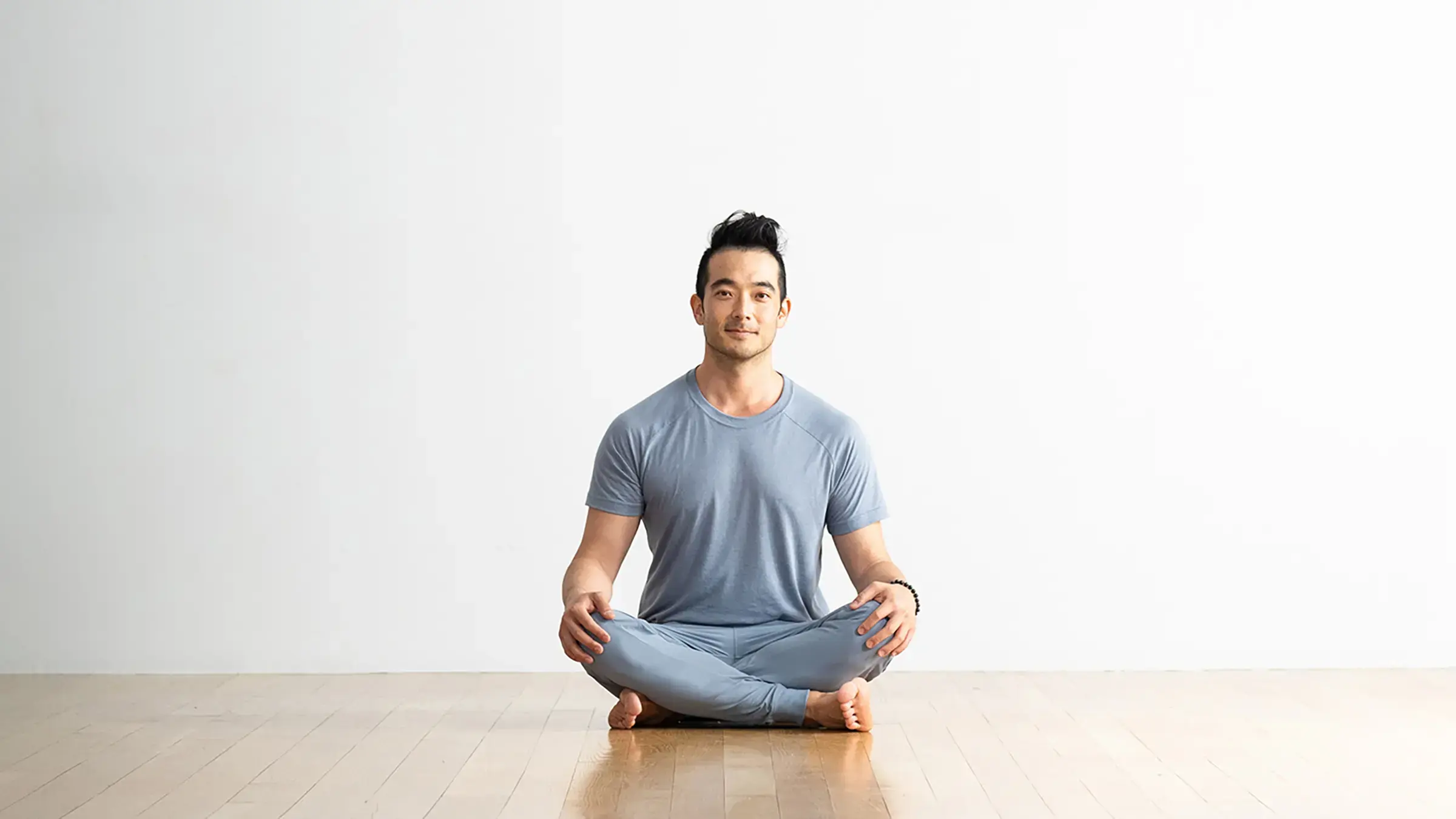
1. Arrive in Stillness: Grounding the Body and Mind
Begin by sitting comfortably on your bed, legs crossed in a relaxed posture. Place your hands gently on your thighs. Sit tall, feeling your spine lengthen naturally, as if a gentle string is drawing you upward from the crown of your head. Close your eyes and take several slow, unhurried breaths. With each exhalation, consciously release a little tension. Observe any thoughts that arise – a lingering conversation, a nagging worry, a to-do list item – without judgment or the need to solve them. Simply acknowledge their presence and allow them to pass like clouds. This initial grounding exercise, lasting approximately 30 seconds, helps to shift your focus from the external world to your internal experience.
2. Seated Side Bend: Releasing Spinal Tension
From your seated position, with your next exhale, gently lean to your left. Hold this gentle stretch for about 30 seconds, allowing your breath to flow easily. The goal is to feel a softening and yielding in your side body, rather than a forceful stretch. Notice how your breath expands the space on your right side. Slowly return to the center. Then, gently lean to your right, again without striving. Settle into the sensation, allowing your body to find its natural resting place in the pose. Hold for several slow breaths before returning to the center. This movement helps to release tension along the sides of the torso, often a reservoir for stored stress.
3. Seated Cat-Cow: Connecting Breath and Movement
Gently straighten your legs and rest your hands lightly on your thighs. As you inhale, arch your spine slightly, lifting your chest and broadening across your collarbones, mimicking the Cow pose. As you exhale, gently round your spine, tucking your chin towards your chest, like the Cat pose. Move slowly through two or three rounds of this gentle spinal flexion and extension, dedicating about 20 seconds to each inhale-exhale pairing. Imagine your breath guiding the movement, rather than muscular effort. This rhythmic motion helps to synchronize the breath and body, fostering a sense of calm and preparing the nervous system for rest.
4. Knees to Chest: Soothing the Lower Back
Transition to lying comfortably on your back. Draw one knee gently towards your chest, holding it lightly with your hands. Hold for five breaths, feeling the gentle compression in your hip and the subtle release in your lower back. Release and repeat on the other side. Then, draw both knees gently toward your chest, hugging them softly. Notice the sensation of your lower back settling into the supportive surface of your bed. This pose can relieve tension in the lumbar region and promote a sense of being held and supported.
5. Reclining Twist: Gentle Spinal Detoxification
Keeping your knees bent, allow them to fall slowly to one side. Pause here for several breaths, feeling a gentle twist through your spine. Keep your shoulders grounded as much as possible. Bring your knees back through the center and then let them fall to the opposite side. Repeat this gentle rocking motion from side to side a few times. The key is to move without force, allowing the natural rhythm of the movement to soothe your nervous system. This gentle twist can aid in releasing tension held in the spine and abdominal organs.
6. Full-Body Stretch: Releasing Dormant Energy
Return to the center and extend your legs comfortably on your bed. Reach your arms overhead, stretching your entire body as if you are just waking up from a deep sleep. Lengthen from your fingertips all the way to your toes. Repeat this full-body stretch three or four times, savoring the sensation of expansion. Then, consciously let everything go. Allow your arms to rest by your sides, your legs to relax, and any sense of effort to dissolve completely. This final expansive movement helps to release any lingering physical tension and promotes a sense of spaciousness.
7. Rest and Remember: Embracing Stillness
Close your eyes and bring your attention to the natural, effortless flow of your breath. The inhalation arrives, and the exhalation departs. There is no need to control or alter it. If thoughts arise, silently repeat with understanding: "I am nothing." Pause. Then, "I do nothing." Pause. Finally, "I want nothing." Allow these phrases to settle into your awareness, creating a space of profound release.
In these moments, you are not defined by your roles or responsibilities. You do not need to accomplish anything or strive for improvement. You are simply allowed to rest. Continue breathing naturally, and with each exhalation, visualize any remaining tension from the day melting away. Feel your jaw soften, your shoulders release their grip, and your mind gradually loosen its hold on the day’s concerns.
The Broader Impact and Implications
The pervasive nature of sleep disturbances has significant public health implications. Chronic sleep deprivation is linked to an increased risk of a multitude of health problems, including cardiovascular disease, diabetes, obesity, weakened immune function, and mental health disorders such as depression and anxiety. The economic impact is also substantial, stemming from lost productivity, increased healthcare costs, and accidents related to fatigue.
The adoption of practices like gentle bedtime yoga can serve as a powerful, accessible, and cost-effective intervention. By empowering individuals to take an active, yet non-striving, role in managing their sleep hygiene, these practices can contribute to improved well-being on a large scale. Furthermore, the principles of "being" over "doing" promoted by these yogic techniques can extend beyond the bedroom, fostering a more balanced and less stressful approach to daily life.
As more individuals and healthcare providers recognize the limitations of purely pharmacological or technologically driven approaches to sleep, mind-body practices are poised to play an increasingly vital role in comprehensive sleep health strategies. The gentle wisdom of yoga, when integrated into our nightly routines, offers a potent reminder that true rest is not a prize to be won, but a natural state to be welcomed. Somewhere between one exhale and the next, as the body and mind surrender to stillness, sleep may indeed arrive as a natural consequence, carrying away not just the day’s fatigue, but the accumulated burdens of a life lived in constant motion.