Unlocking Joint Health and Body Literacy: How Controlled Articular Rotations Are Transforming Modern Yoga Practices


The traditional practice of yoga has long prioritized breath awareness and bodily attunement, frequently guiding practitioners to observe the quality and pace of their inhalations before slowly deepening them. Following this breath-centric foundation, instructors routinely prompt students to tune into their physical selves. Yet, a fundamental question has lingered for both novices and seasoned yogis alike: how exactly does one effectively listen to and interpret the physical body?
In contemporary fitness and wellness spaces, the answer increasingly points toward a structured approach known as joint hygiene. While many yoga classes traditionally commence with simple, unscripted circular movements such as wrist rotations, hip circles, and neck rolls, physical therapists and movement specialists are now advocating for a more precise evolution of these practices. By integrating Controlled Articular Rotations—commonly referred to as CARs—into standard sequences, instructors are providing practitioners with a concrete methodology to improve joint health, establish physical baselines, and dramatically enhance body literacy.
The Origins and Philosophy of Controlled Articular Rotations
Controlled Articular Rotations are rooted in the Functional Range Systems (FRS) joint-health training framework. Developed to systematically address joint mechanics, the methodology focuses on moving a specific joint slowly and deliberately through its entire available range of motion while actively minimizing extraneous movement in the rest of the body.
Jen Hosler, a physical therapist and mobility specialist, emphasizes the accessibility of the practice in modern wellness routines. "CARs are a really low-hanging fruit for a lot of people because they’re highly accessible," Hosler explains. "I like to use it as a body literacy tool for people because everybody tells us to ‘just listen to your body,’ and that advice is good, but nobody teaches you how to actually do it."
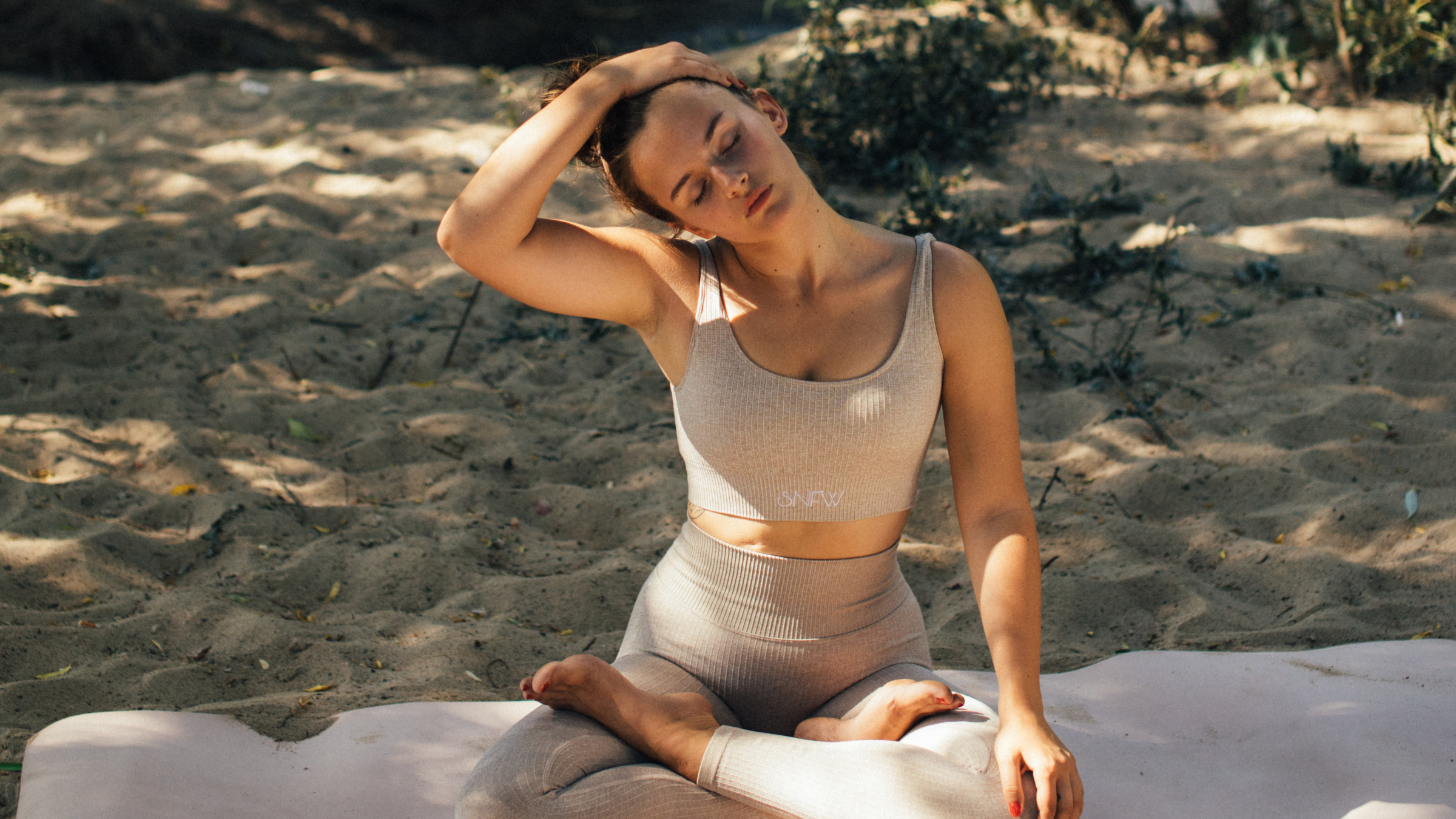
For decades, modern exercise science has recognized that joints—the vital points of connection between bones that facilitate bending, twisting, and rotating—naturally undergo degenerative stiffening as part of the human aging process. Without targeted intervention, this gradual loss of mobility can compromise movement efficiency and increase the risk of injury. By introducing structured joint hygiene into daily movement regimens, practitioners can systematically maintain tissue resilience and joint longevity.
The Physiological Impact: Fluid Dynamics and Neurological Baselines
From a physiological standpoint, practicing CARs on a regular basis yields measurable benefits for the musculoskeletal system. One of the primary functions of these deliberate rotational movements is the circulation of synovial fluid. Synovial fluid acts as a natural lubricant within the joint cavity, reducing friction between articular cartilages while simultaneously supplying essential nutrients required to keep the joint capsules healthy and functional.
Furthermore, daily engagement with CARs establishes a reliable neurological and physical baseline. When practitioners move their joints through complete ranges of motion consistently, they create an internal map of their current physical capacity. This baseline makes it significantly easier to detect subtle changes, early-onset stiffness, or structural asymmetries before they manifest as chronic pain or injury.
Physical therapists categorize CARs into three distinct progressive levels, allowing individuals to scale the practice according to their specific needs and current physical condition. Level one involves "unchallenged" CARs—free movements in open air, such as unweighted wrist circles, which serve as an ideal daily maintenance staple. Level two incorporates "blocking," utilizing props like yoga blocks, foam rollers, or the floor itself to immobilize neighboring joints. This strategic limitation prevents other parts of the body from compensating, ensuring that the stretch and work are isolated exclusively to the targeted joint to systematically expand the range of motion. Level three introduces external resistance, such as a light dumbbell, which is particularly beneficial for hyper-mobile individuals who require targeted loading to build neuromuscular control and stability.
Safety Guidelines and Clinical Recommendations
While the implementation of CARs requires a high degree of mindfulness, movement experts stress that perfection is never the objective. Instead, the practice prioritizes consistency and conscious engagement—principles that already align closely with traditional yoga philosophy.
Professionals note that mild, painless clicking or popping sounds within the joints can be entirely normal, particularly for individuals who are new to targeted articulation. However, if a practitioner experiences sharp pinching, compression pain, or joint instability, modifications must be made immediately. Clinicians recommend reducing the radius of the circular movement to stay within a comfortable threshold, and advising individuals to seek professional medical guidance if pain persists. The ultimate goal of CARs is not to force an unnatural increase in flexibility, but rather to preserve, protect, and thoroughly understand the functional range of motion an individual already possesses.
Integrating CARs into Classic Yoga Sequences
Rather than requiring an entirely separate training session, CARs can be seamlessly woven into existing yoga practices. By strategically placing these movements within familiar asanas, practitioners can isolate specific joints and eliminate habitual compensatory movement patterns. Below are five targeted methods for integrating CARs into a standard yoga sequence.
-
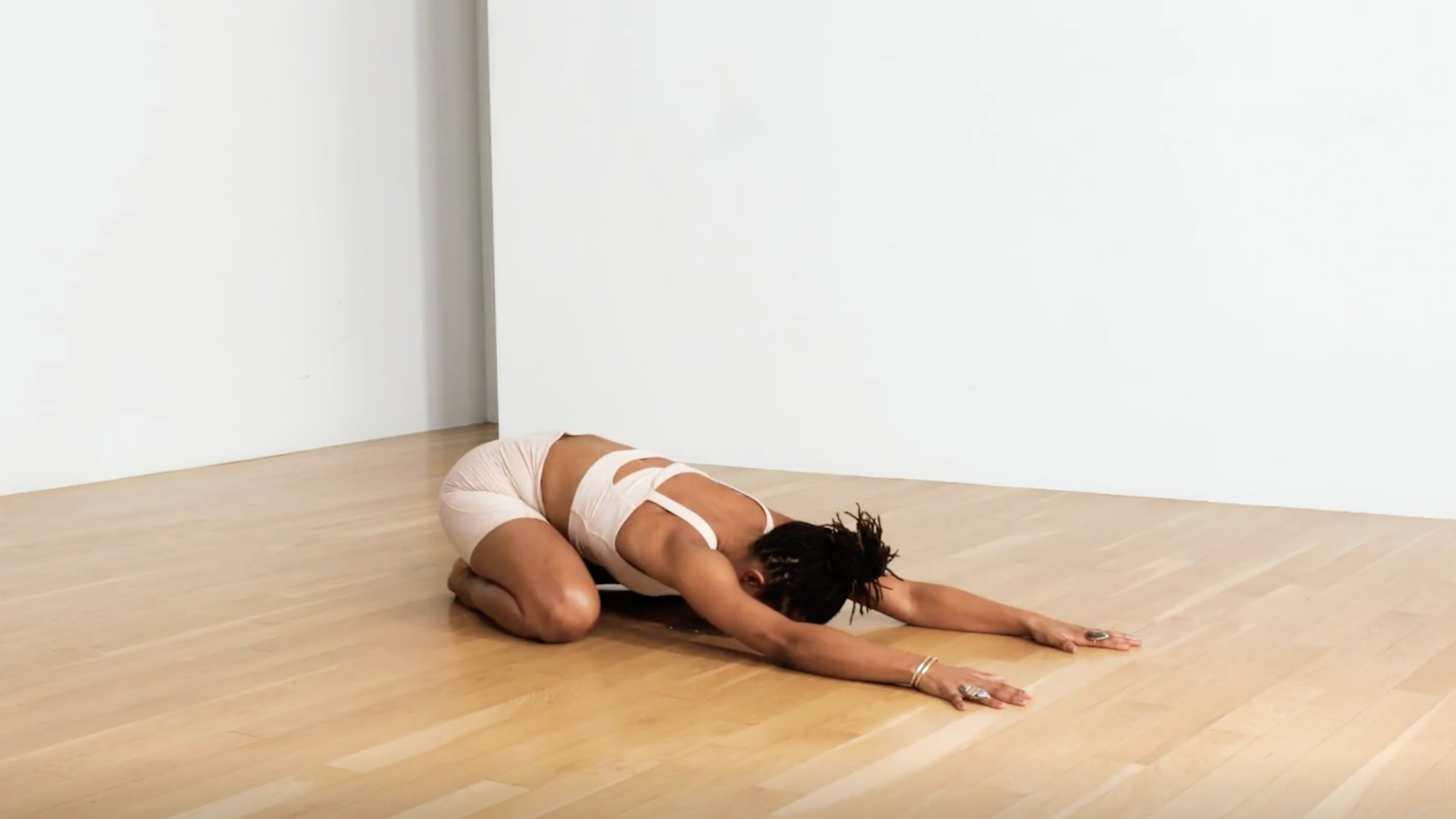
Shoulder Circles in Child’s Pose (Balasana)
Child’s Pose serves as an intuitive starting point on the mat, providing a stable foundation to work on upper-body mobility. The natural geometry of the pose limits compensation from the thoracic spine, allowing for effective isolation of the shoulder joint.
Execution: Begin with the forehead resting comfortably on the mat. Push firmly against the floor with the left hand to stabilize the back, then slowly lift the right arm off the mat. Sweep the arm out to the side and rotate it backward, keeping the elbow pointed toward the ceiling. Reverse the movement smoothly and complete several repetitions before switching to the opposite side. -
Hip Circles in Tabletop Pose
Tabletop pose is widely recognized as a foundational alignment shape, frequently utilized in sequences transitioning between Cat and Cow poses. Physical therapists note that it also provides an ideal platform for exploring hip articulation.
Execution: Ground down evenly through both hands and knees. Draw the right knee forward toward the chest while keeping the abdomen squared and facing the mat. Open the left knee out to the side, continuing the rotation of the thigh as the foot reaches backward and upward, mimicking a motion that stamps the sole toward the ceiling. Return the knee underneath the torso before reversing the directional flow. Perform multiple repetitions on each side.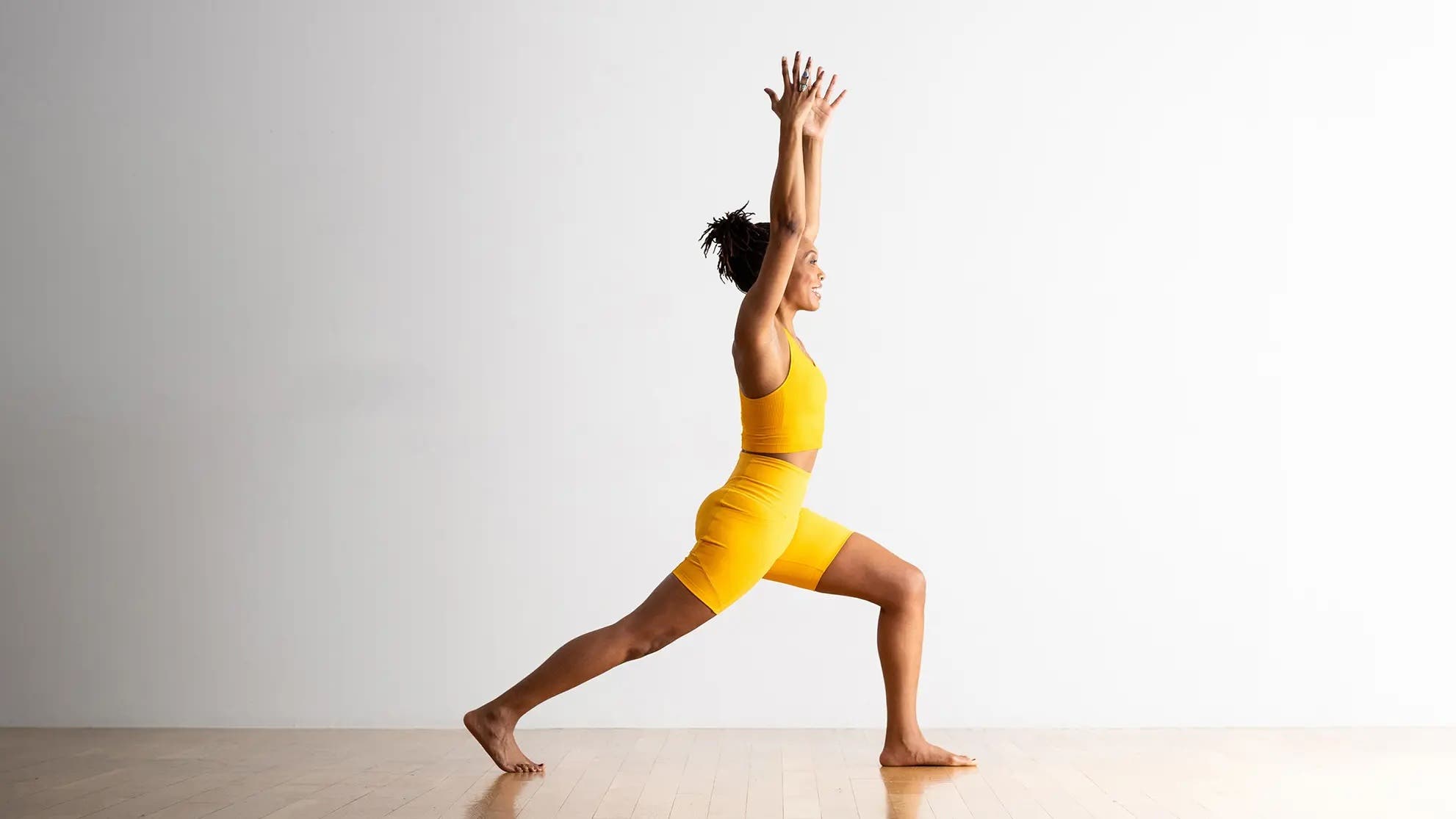
-
Wrist Circles in High Lunge
Wrist health is paramount for practitioners who regularly engage in arm balances, inversions, and handstands. Incorporating wrist CARs into a demanding posture like a High Lunge offers both functional preparation and a welcome distraction from lower-body fatigue.
Execution: From a stable High Lunge, extend both arms forward, aligning them parallel to the shoulders. Begin rotating one wrist by tracing smooth circles in the air, moving the joint sequentially through flexion, lateral deviation, and extension while keeping the forearm entirely motionless. For enhanced isolation, practitioners can use the opposite hand to gently grasp and steady the forearm. Experimenting with both open fingers and closed fists can help identify the most effective variation. Switch sides upon completion. -
Ankle Circles in Half Split (Ardha Hanumanasana)
While standard yoga practices frequently utilize foot flexion and dorsiflexion, multi-planar ankle mobility is often overlooked. Active ankle rotations in a Half Split position allow for a comprehensive exploration of the joint’s complete mechanical capacity.
Execution: From a Half Split posture, extend one leg forward with the heel firmly grounded on the mat, utilizing yoga blocks beneath the hands for structural support if necessary. Flex the foot by drawing the toes back toward the shin, then articulate the foot outward and downward, pointing the toes away from the body. Continue the circular trajectory by rolling the foot inward as it returns to a neutral position. Maintain contact between the heel and the floor throughout the movement, utilizing the opposite hand to stabilize the shin if necessary. Reverse directions and repeat on both legs. -
Knee CARs in Heron Pose (Krounchasana)
While the full expression of Heron Pose demands advanced hamstring flexibility, a modified, bent-knee variation offers a safe and effective environment to explore internal and external tibial rotation at the knee joint.
Execution: Sit in an upright posture, hugging a forearm beneath the left knee or clasping the hands securely behind the thigh to restrict unwanted movement in the hip and femur. With the leg elevated off the mat and the ankle stabilized, externally rotate the shin and extend the leg upward, then transition into internal rotation of the shin as the leg lowers back to a neutral position. Reverse the directional pattern for several repetitions before transitioning to the other leg.
Clinical Note: Knee CARs are subtle and demand high levels of mindfulness to prevent the ankle from substituting for the knee’s rotation. Placing a hand lightly over the kneecap can provide tactile feedback, allowing the practitioner to physically feel the bone shifting from side to side.
Broader Implications for the Wellness Industry
The integration of Controlled Articular Rotations into yoga and mainstream fitness reflects a broader shift toward evidence-based movement education. As physical therapists, biomechanics specialists, and yoga instructors continue to collaborate, the fitness landscape is moving away from purely aesthetic or performance-driven goals and toward longevity, structural integrity, and injury prevention.
By demystifying anatomical concepts and translating complex clinical frameworks into accessible mat-based exercises, movement professionals are successfully bridging the gap between rehabilitation and physical culture. Ultimately, the adoption of CARs empowers practitioners to take an active role in their physical well-being, transforming vague advice about listening to the body into a tangible, measurable, and lifelong practice of joint care.