In recent years, the global food industry and public health sectors have engaged in an intensive search for alternative sweeteners that can replicate the sensory and functional properties of sucrose—table sugar—without contributing to the epidemics of obesity, type 2 diabetes, and cardiovascular disease. Among the leading candidates emerging from this search is allulose, a rare sugar that has transitioned from a biochemical curiosity existing in microscopic quantities in nature to a mass-produced commercial food ingredient. While initial findings from laboratory and animal studies have generated significant excitement among food scientists and nutrition researchers, a comprehensive evaluation of human clinical trials reveals a more nuanced reality regarding its long-term health implications.
Understanding Allulose: Origins and Production
D-allulose, also known chemically as psicose, is classified as a rare sugar because it occurs naturally in only small quantities in select foods such as figs, raisins, jackfruit, and maple syrup. Structurally, it is a C-3 epimer of D-fructose, meaning it shares an identical chemical formula with fructose but differs in the spatial orientation of a single hydroxyl group. This minor structural variation has profound biological consequences. When humans consume regular sugar or high-fructose corn syrup, digestive enzymes break down the disaccharides and polysaccharides, and the body metabolizes the monosaccharides to produce energy, yielding approximately four calories per gram.
Allulose, however, behaves differently in the human digestive tract. Although the small intestine absorbs approximately 70 to 84 percent of ingested allulose, the human body lacks the specific enzymatic machinery required to fully metabolize it into energy. Consequently, the absorbed allulose is excreted largely unchanged through the urine within 24 hours, while the unabsorbed fraction passes into the large intestine. As a result, allulose provides only a fraction of the caloric value of traditional sugar—typically estimated at roughly 0.2 to 0.4 calories per gram—while retaining about 70 percent of sucrose’s sweetness. This unique metabolic profile has positioned allulose as an attractive sugar substitute, drawing comparisons to erythritol and other polyols, though its chemical classification remains that of a monosaccharide sugar rather than a sugar alcohol.
Chronology of Scientific Investigation and Preclinical Findings
The scientific inquiry into allulose has evolved over the past two decades, moving from basic in vitro chemistry to animal models and, more recently, human clinical evaluations.
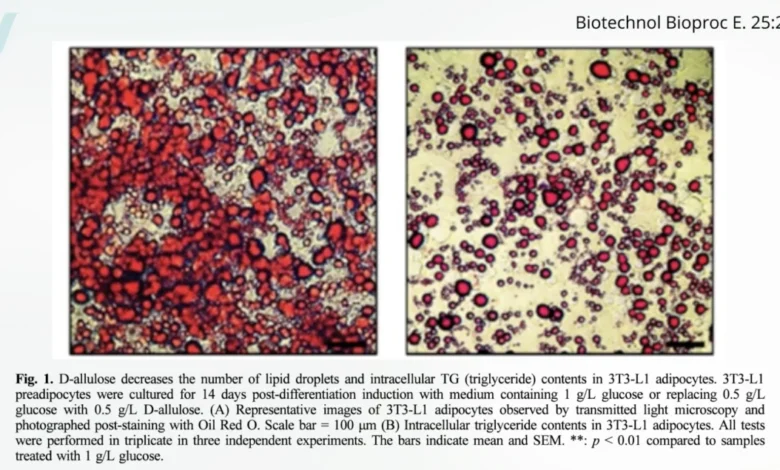
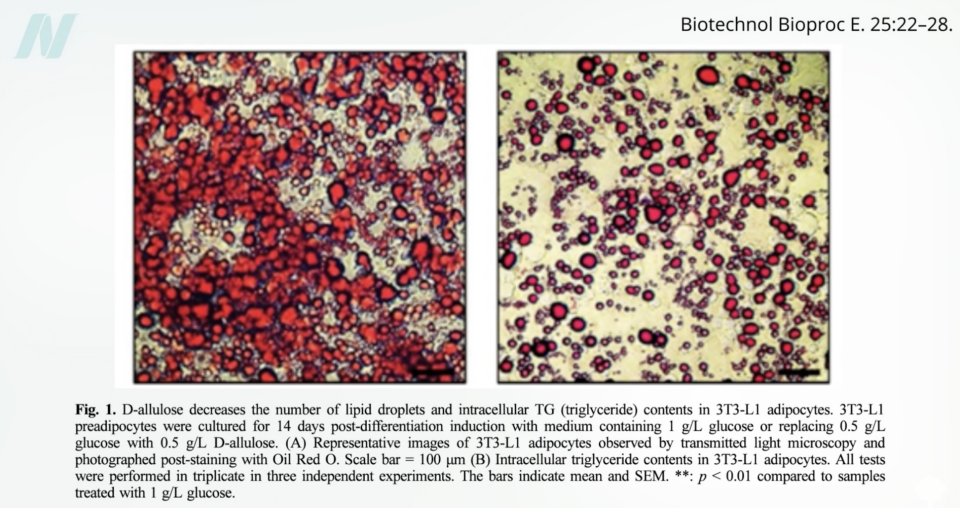
Initial laboratory studies conducted in the late 2000s and throughout the 2010s focused on cellular mechanisms. In petri-dish experiments utilizing preadipocyte cell lines (such as 3T3-L1 cells), researchers observed that allulose inhibited the differentiation of fat cell precursors into mature adipocytes and suppressed lipid accumulation within existing fat cells. These cellular studies suggested that allulose might interfere with lipogenesis—the biological process of forming fat—leading early investigators to hypothesize that the compound could serve as a valuable anti-obesity agent.
Following these cellular insights, researchers expanded their investigations to animal models, yielding similarly provocative results. Studies involving rodents and hamsters fed high-fat or high-lard diets demonstrated that allulose supplementation could significantly reduce body weight, lower overall body fat mass, and decrease low-density lipoprotein (LDL) cholesterol levels. Furthermore, animal studies investigating metabolic health reported potential anti-diabetic effects, noting improvements in insulin sensitivity and glycemic control in obese mice.
However, the transition from animal models to human clinical trials introduced necessary scientific skepticism. While animal studies provide controlled environments to observe physiological pathways, researchers recognize that murine and human metabolisms diverge significantly. Consequently, the nutrition and medical research communities initiated human trials to determine whether the promising reductions in body fat, cholesterol, and blood glucose observed in hamsters and mice would translate to human populations.
Human Clinical Trials: Body Composition and Metabolic Effects
Human clinical research on allulose has focused primarily on three physiological domains: body composition and fat oxidation, glycemic response, and systemic markers of cardiovascular and metabolic health.
In investigations examining energy metabolism, researchers evaluated whether allulose consumption alters substrate utilization following a meal. In a notable human feeding study, participants ingested approximately one teaspoon of allulose thirty minutes prior to consuming a test meal. Compared to a control group receiving no sugar, the allulose group exhibited an increase in fat oxidation, meaning their bodies burned a higher proportion of fat calories rather than carbohydrate calories over a four-hour observation period.
However, closer analysis of the data contextualized these findings: the total energy expenditure did not increase, and the shift represented a temporary redirection in fuel selection rather than a net deficit in total daily calorie burn. Whether this acute shift in substrate utilization translates into sustained weight loss over months or years required longer-term intervention trials.
To address this, subsequent human trials investigated the effects of allulose supplementation over extended periods. A landmark 12-week randomized controlled trial evaluated more than one hundred human subjects assigned to either a placebo control (sucralose) or varying doses of allulose (ranging from one teaspoon to nearly two teaspoons twice daily). The study maintained consistent physical activity and baseline caloric intake across all groups.
The results indicated a statistically significant decrease in total body fat mass among participants receiving allulose, despite no conscious restriction in calorie consumption. Advanced imaging via computed tomography (CT) scans allowed researchers to pinpoint the anatomical origin of the fat loss. The analysis revealed that the reduction in abdominal fat was predominantly composed of subcutaneous fat—the superficial layer situated just beneath the skin—rather than visceral fat, the deeper adipose tissue surrounding internal organs that is more closely linked to metabolic disease risk. Moreover, unlike the findings in high-fat-fed hamsters, human trials did not consistently demonstrate significant reductions in LDL cholesterol across allulose-supplemented groups, highlighting discrepancies between animal models and human physiology.
Blood Glucose Regulation and Glycemic Response
The impact of allulose on blood glucose and insulin dynamics has been another major focus of clinical research, given the global burden of prediabetes and type 2 diabetes.
When healthy individuals consume beverages containing allulose in isolation, the compound generally exerts no direct influence on fasting blood glucose or insulin concentrations. However, when allulose is consumed concurrently with rapidly digestible carbohydrates or refined starches, clinical studies have observed a notable suppression of postprandial (post-meal) glycemic and insulinemic spikes. In certain experimental settings, co-ingestion of allulose with refined carbohydrates resulted in a substantial attenuation—approaching a 30 percent reduction—in blood sugar and insulin elevations over a two-hour window.
This blunting effect is mechanistically attributed to competitive inhibition. Allulose appears to occupy or interfere with the specialized glucose transporters lining the intestinal brush border, temporarily slowing the absorption of co-ingested sugars into the bloodstream.
Despite these acute physiological observations, broader clinical consensus remains cautious. Trials examining individuals with borderline diabetes or established type 2 diabetes have yielded mixed results. While some studies documented modest, statistically significant reductions in post-meal blood glucose spikes when allulose was added to tea or meals, others found no appreciable long-term improvement in glycemic control over 12-week intervention periods. A systematic review and meta-analysis of controlled feeding trials characterized the acute benefits of allulose on blood glucose as being of "borderline significance," leaving open the question of whether incorporating allulose into an otherwise unhealthful diet yields meaningful clinical outcomes. Nutrition scientists frequently emphasize that adding a rare sugar to a diet high in processed foods is insufficient; true metabolic health requires addressing the underlying dietary pattern.
Cardiovascular Health and Cellular Longevity Markers
Beyond macroscopic weight management and glycemic control, recent biochemical investigations have explored the molecular interactions of allulose within human cells, particularly regarding oxidative stress and endothelial function.
Chronic hyperglycemia and the excessive consumption of refined sugars are well-known drivers of oxidative stress, characterized by the proliferation of reactive oxygen species (free radicals) that damage cellular structures and promote inflammation within the vascular system. Laboratory studies utilizing human coronary artery endothelial cells—the specialized cells lining the interior of blood vessels—have investigated whether rare sugars possess antioxidant properties.
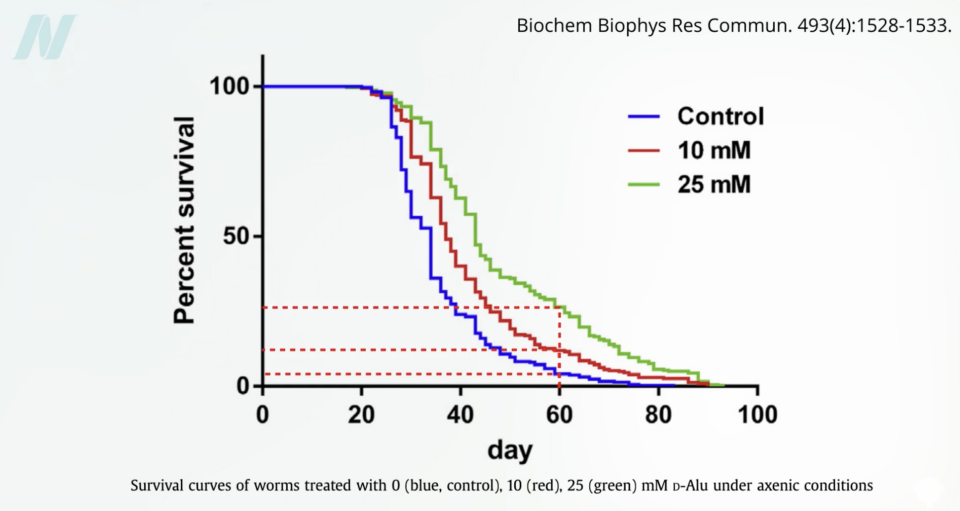
In these cellular models, exposing endothelial cells to high concentrations of conventional sugars triggers a surge in free radical production and upregulates inflammatory markers associated with the development of atherosclerotic plaque. However, when allulose was introduced alongside the sugar load, researchers observed a pronounced scavenging effect, neutralizing the oxidative spike and inhibiting the expression of specific inflammatory proteins. Similar studies investigating organismal aging models, such as the nematode Caenorhabditis elegans, suggested that allulose could extend lifespan through mechanisms resembling dietary restriction, mediated by the upregulation of endogenous antioxidant enzymes.
While these cellular and animal model findings offer fascinating insights into the fundamental biochemistry of rare sugars, biomedical researchers consistently caution against extrapolating direct clinical benefits from petri dishes and roundworms. The translation of these cellular antioxidant properties into meaningful reductions in human cardiovascular events remains unproven, and comprehensive clinical trials in humans are required to establish safety and efficacy.
Expert Analysis and Public Health Implications
As allulose gains regulatory approval in various global jurisdictions—including GRAS (Generally Recognized as Safe) status granted by the United States Food and Drug Administration—food manufacturers have increasingly incorporated the ingredient into low-calorie ice creams, baked goods, beverages, and tabletop sweeteners.
From a regulatory and food science perspective, allulose represents an engineering triumph, offering food developers a tool to reduce sugar content and caloric density on nutrition facts labels without triggering the gastrointestinal distress frequently associated with traditional sugar alcohols like xylitol or sorbitol when consumed in large quantities.
However, public health authorities and academic researchers urge a balanced perspective. Current evaluations from systematic reviews conclude that while allulose currently stands out as one of the most promising rare sugars due to its favorable metabolic and toxicological profile, the existing body of human clinical data remains relatively sparse. Most human studies have been short-term, involving modest participant cohorts, meaning that the long-term safety profile of chronic, large-scale industrial consumption is not yet fully mapped.
Prominent lifestyle medicine and nutrition experts emphasize that technological substitutions in the food supply—while helpful for harm reduction—should not overshadow fundamental dietary principles. Whole foods, particularly fresh, frozen, and dried fruits such as dates, remain the dietary gold standard for natural sweetness, providing essential dietary fiber, micronutrients, and phytochemicals that isolated rare sugars cannot replicate.
Ultimately, while allulose may serve as a valuable transitional tool for individuals seeking to reduce their reliance on refined sucrose and high-fructose corn syrup, it is not a standalone magic bullet for metabolic health. Navigating the modern food landscape requires a comprehensive approach centered on whole, nutrient-dense foods rather than reliance on novel food technology alone.