Panisses: The Culinary Evolution of a Provençal Chickpea Staple into a Global Gourmet Trend


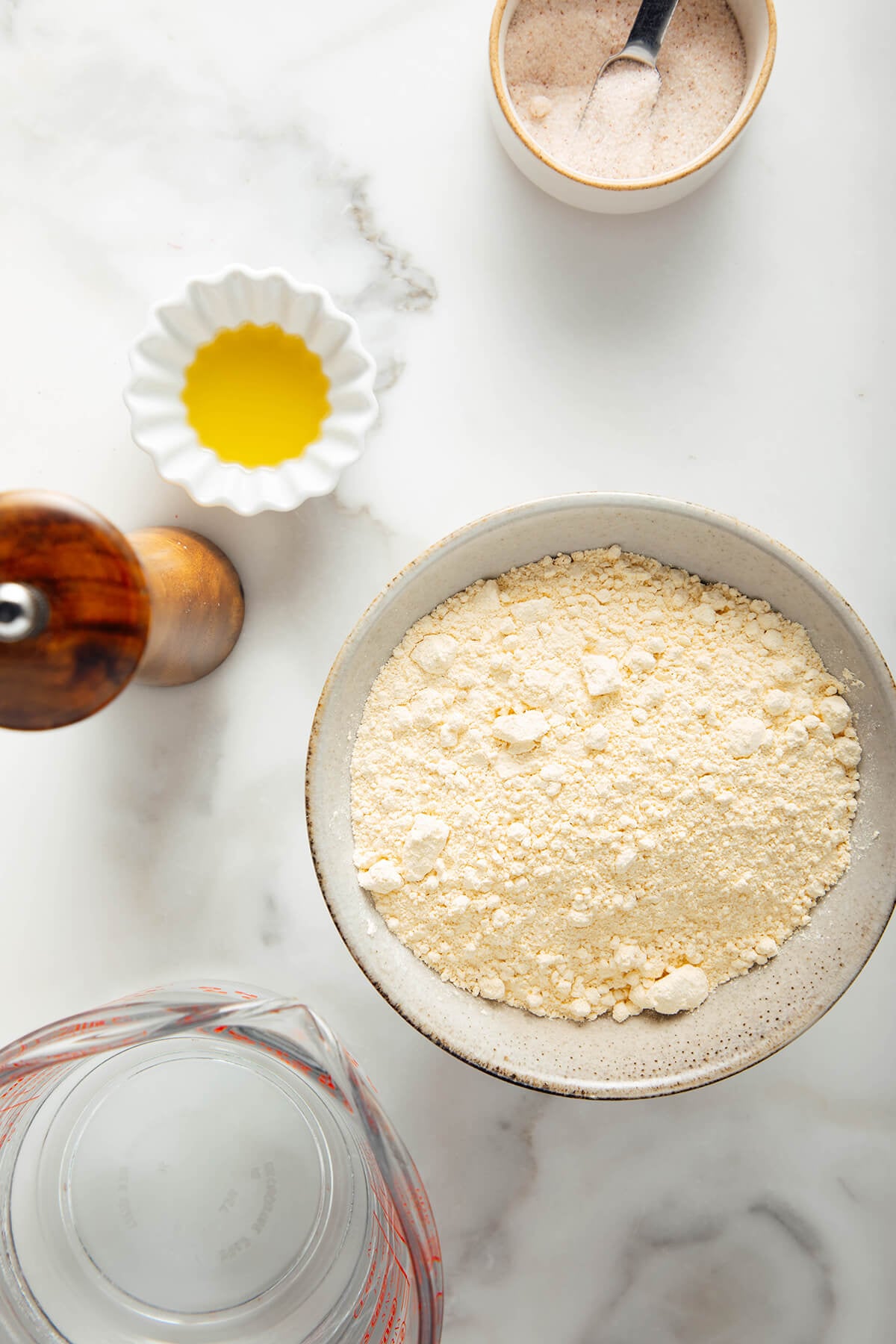
Originating from the sun-drenched coastal towns of Provence, France, the panisse—a savory, chickpea-based fritter—has recently transitioned from a regional street food delicacy to a sought-after staple in international culinary circles. Often described as a Mediterranean cousin to the traditional potato fry, this dish relies on a fundamental mixture of chickpea flour, water, olive oil, and seasoning. As interest in plant-based, gluten-free, and protein-dense alternatives to conventional fast food grows, the panisse has emerged as a focal point for home cooks and professional chefs alike, offering a sophisticated, nutritionally superior profile compared to its starch-heavy counterparts.
Historical Context and Regional Significance
The panisse shares a lineage with several other chickpea-based Mediterranean dishes, most notably socca and farinata. These dishes are deeply rooted in the history of the Ligurian Sea region, spanning the border between Italy and France. Historically, chickpea flour was a common, affordable staple for working-class populations. Because chickpeas are rich in protein and fiber, these dishes provided necessary sustenance for laborers in port cities like Nice and Marseille.
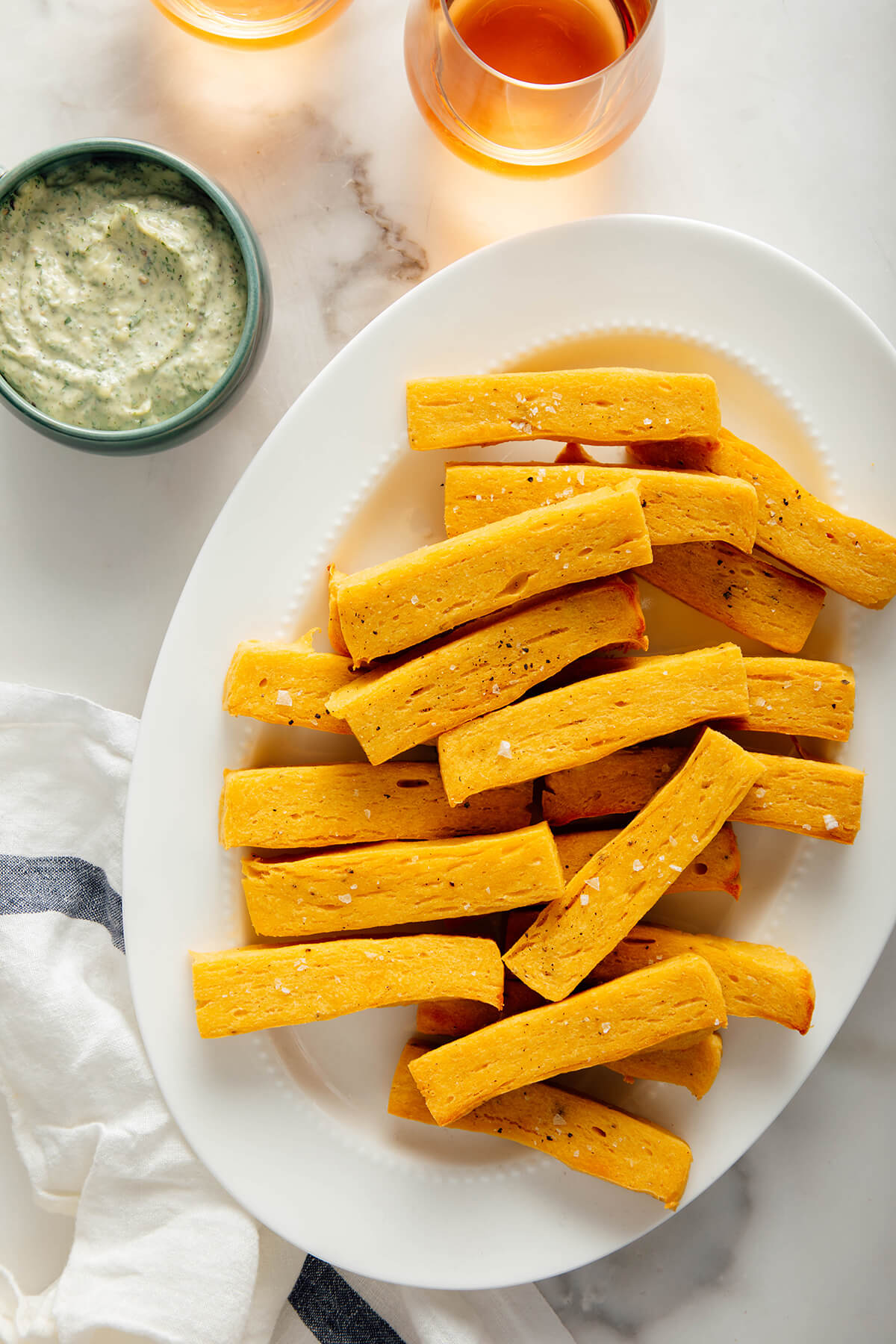
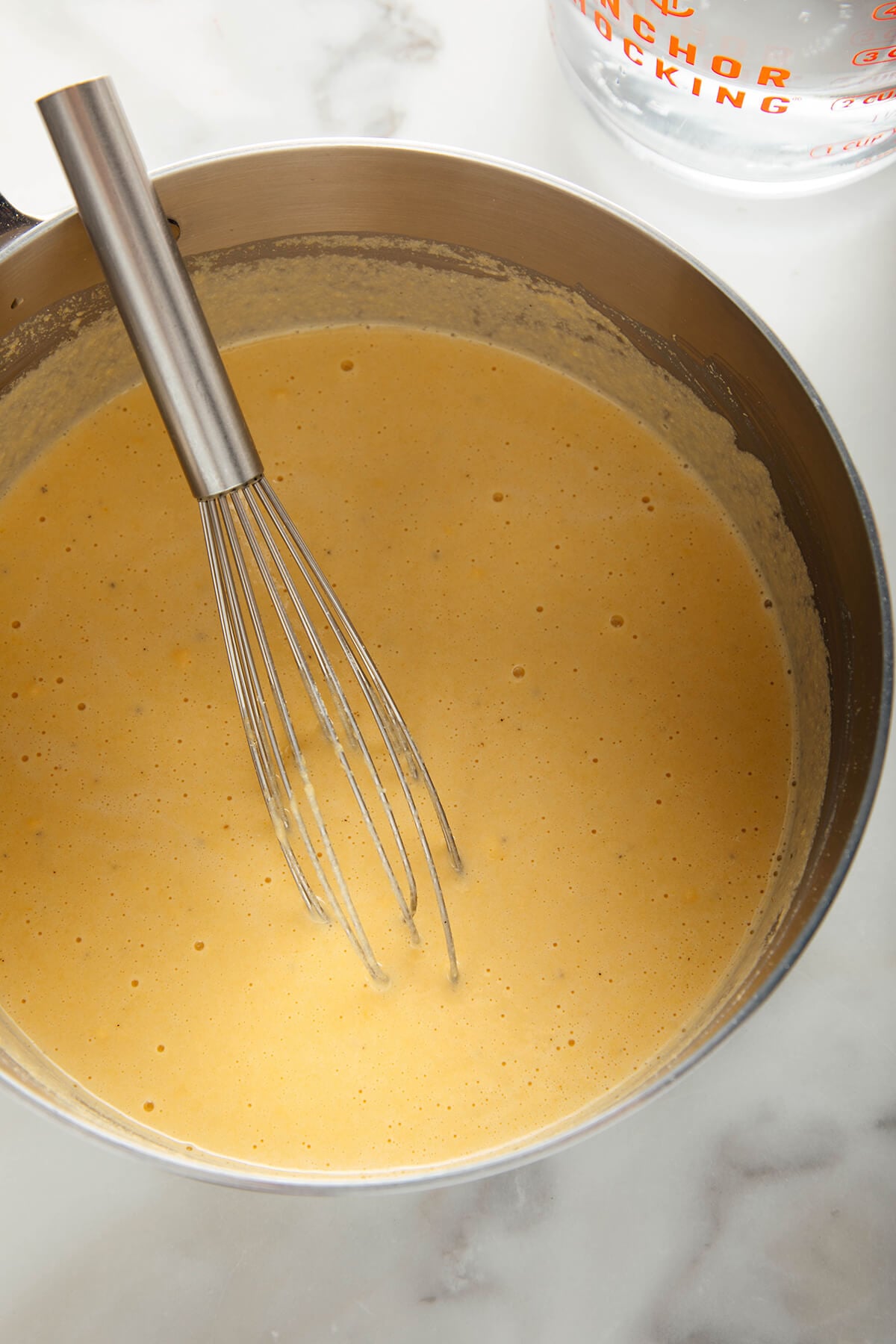
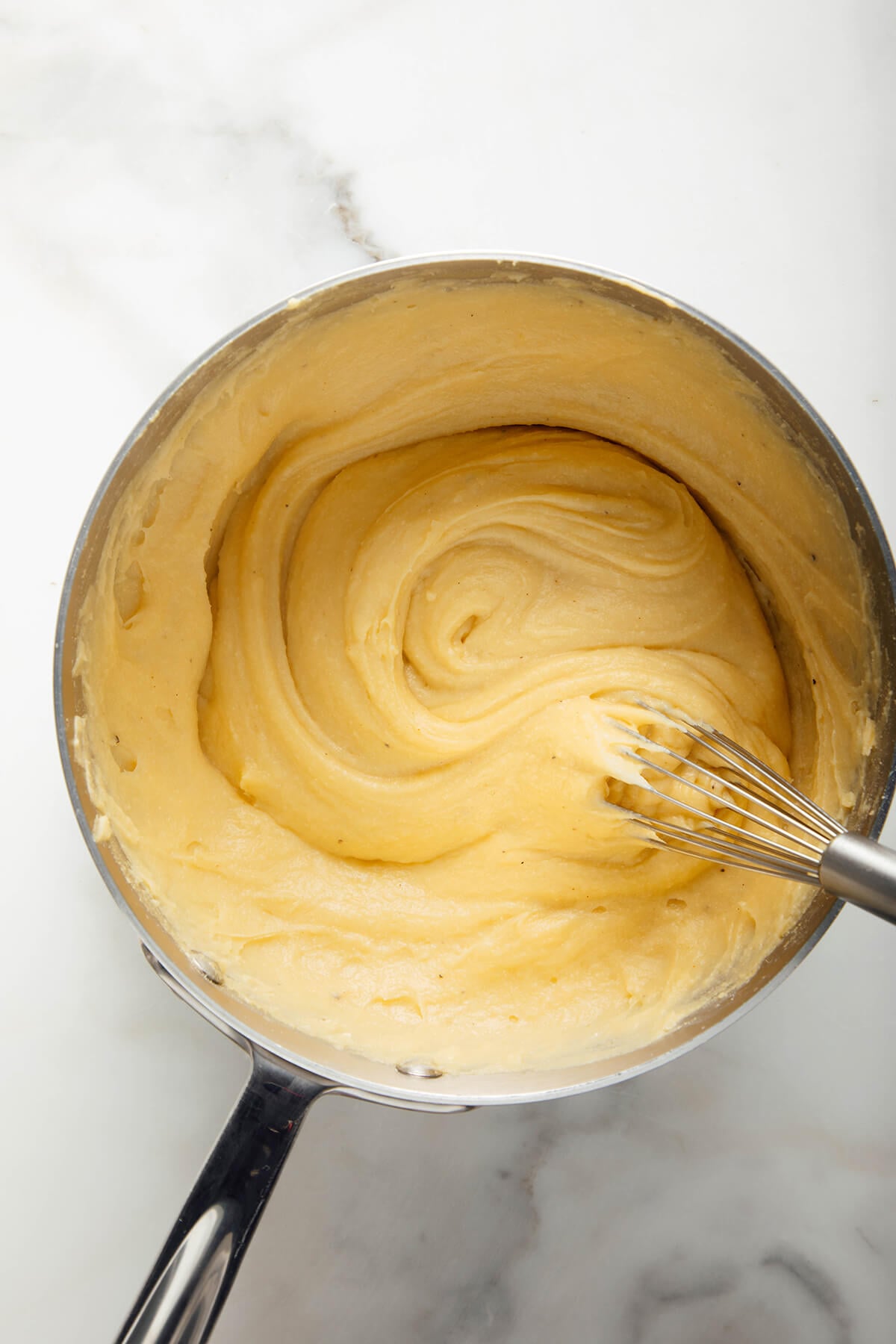
Over the last century, the dish moved from a peasant staple to a gourmet appetizer. The process involves creating a thick, porridge-like batter from chickpea flour, which is then allowed to cool and set into a firm block. Once solidified, the batter is sliced into sticks or rounds and prepared via frying or baking. This versatility has allowed the dish to survive modernization, adapting to contemporary dietary preferences without losing its authentic, rustic character.
Nutritional Analysis and Dietary Implications
From a nutritional standpoint, the shift toward chickpea-based snacks is supported by growing consumer awareness regarding glycemic impact and nutrient density. Traditional potato-based French fries are typically high in simple carbohydrates and lack significant fiber. In contrast, chickpea flour is characterized by a lower glycemic index and a substantial protein content.
A standard serving of panisses provides a significant amount of plant-based protein and iron. Furthermore, because the primary fat source in traditional preparation is olive oil, the dish is a source of heart-healthy monounsaturated fats. For those with dietary restrictions, the panisse serves as an ideal substitute, being naturally gluten-free, egg-free, and vegan. As more households move away from processed wheat-based snacks, the inclusion of legumes in such a recognizable format provides a viable path for health-conscious meal planning.
Comparative Methodology: Frying Versus Baking
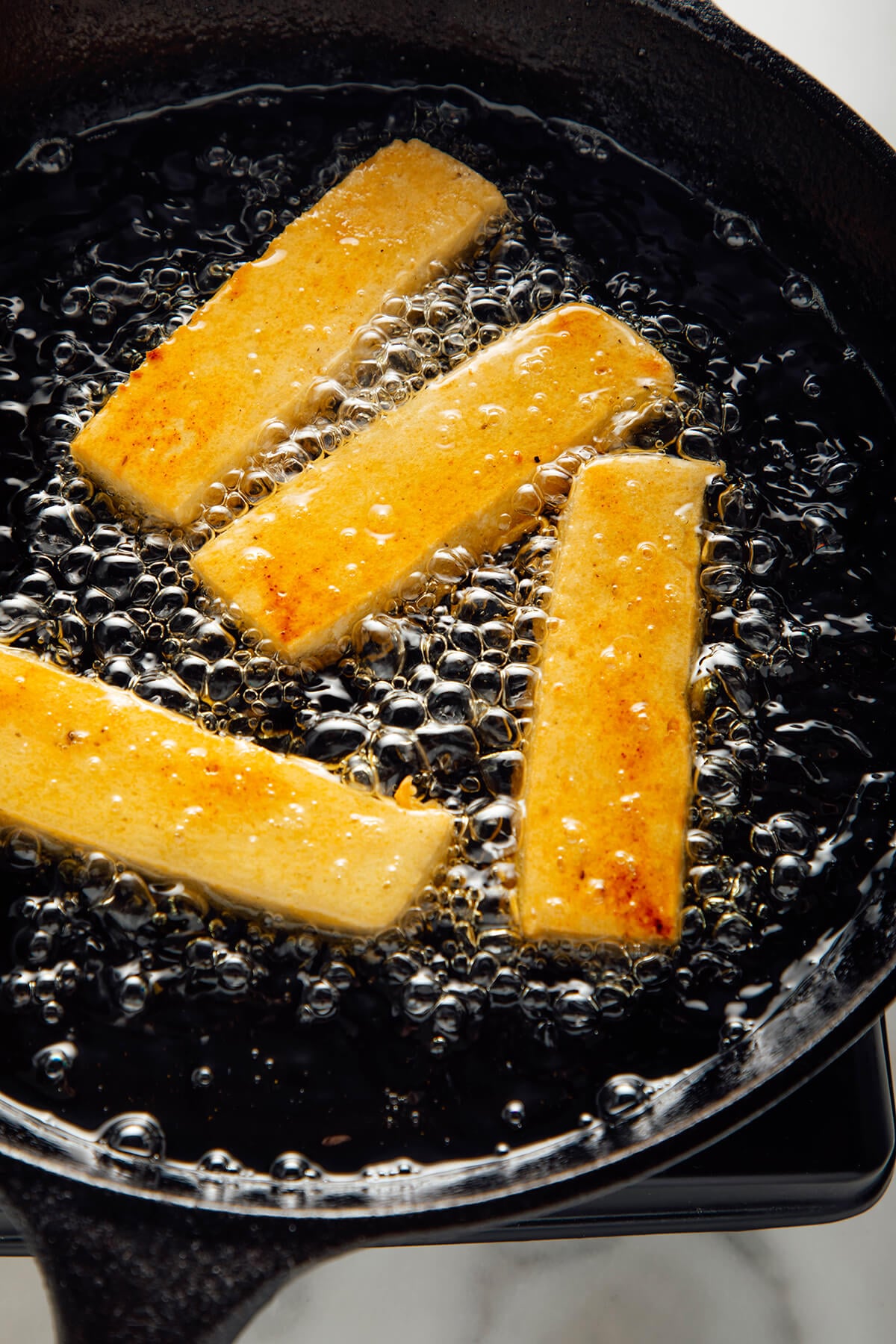
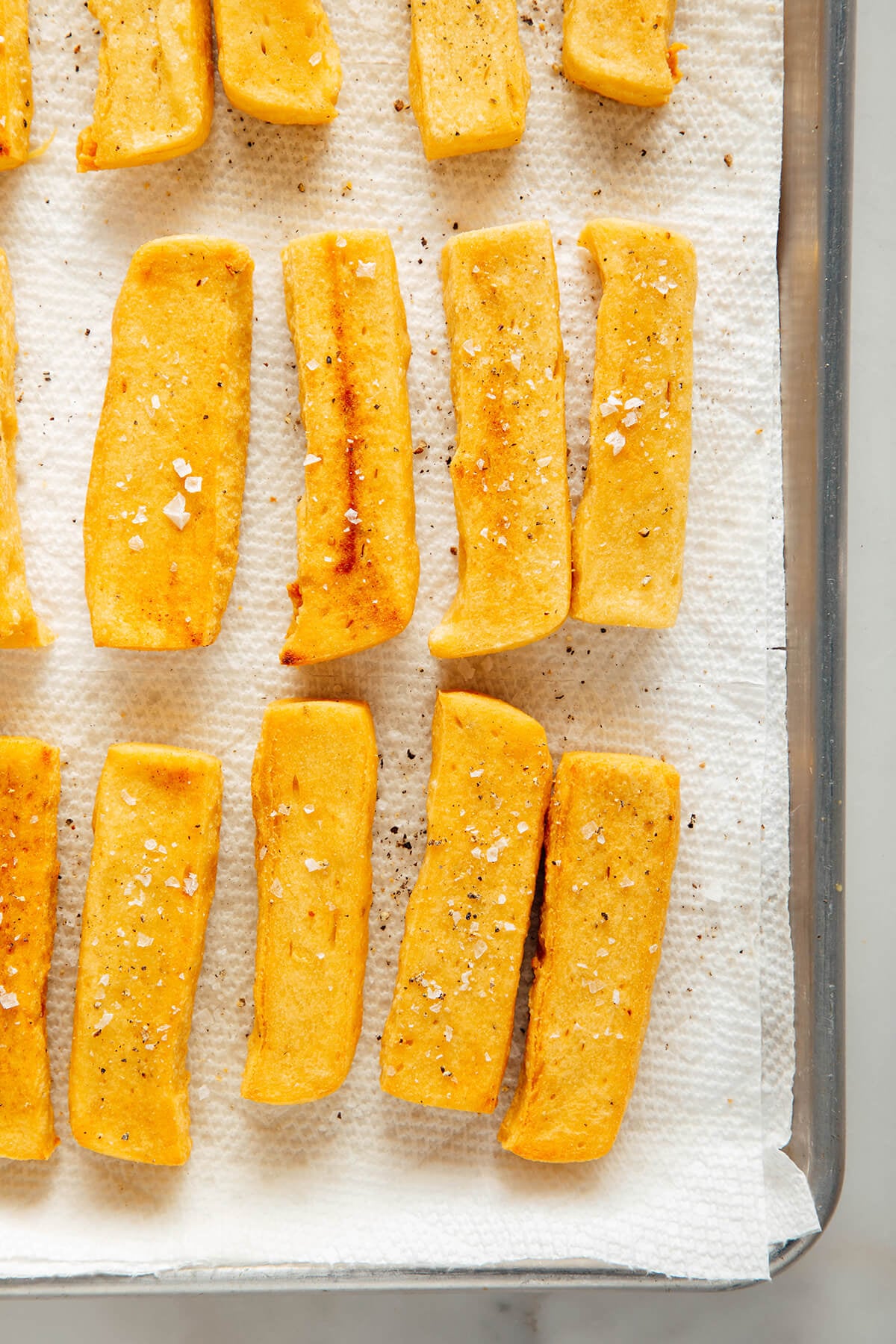
The culinary debate surrounding the preparation of panisses often centers on the contrast between traditional deep-frying and contemporary baking methods. In authentic Provençal kitchens, deep-frying in high-quality olive oil remains the gold standard. This method ensures the Maillard reaction occurs rapidly, resulting in a distinctively crisp, golden-brown exterior and a creamy, custard-like interior. However, the high-heat requirement necessitates careful temperature control to avoid burning the oil or the flour.
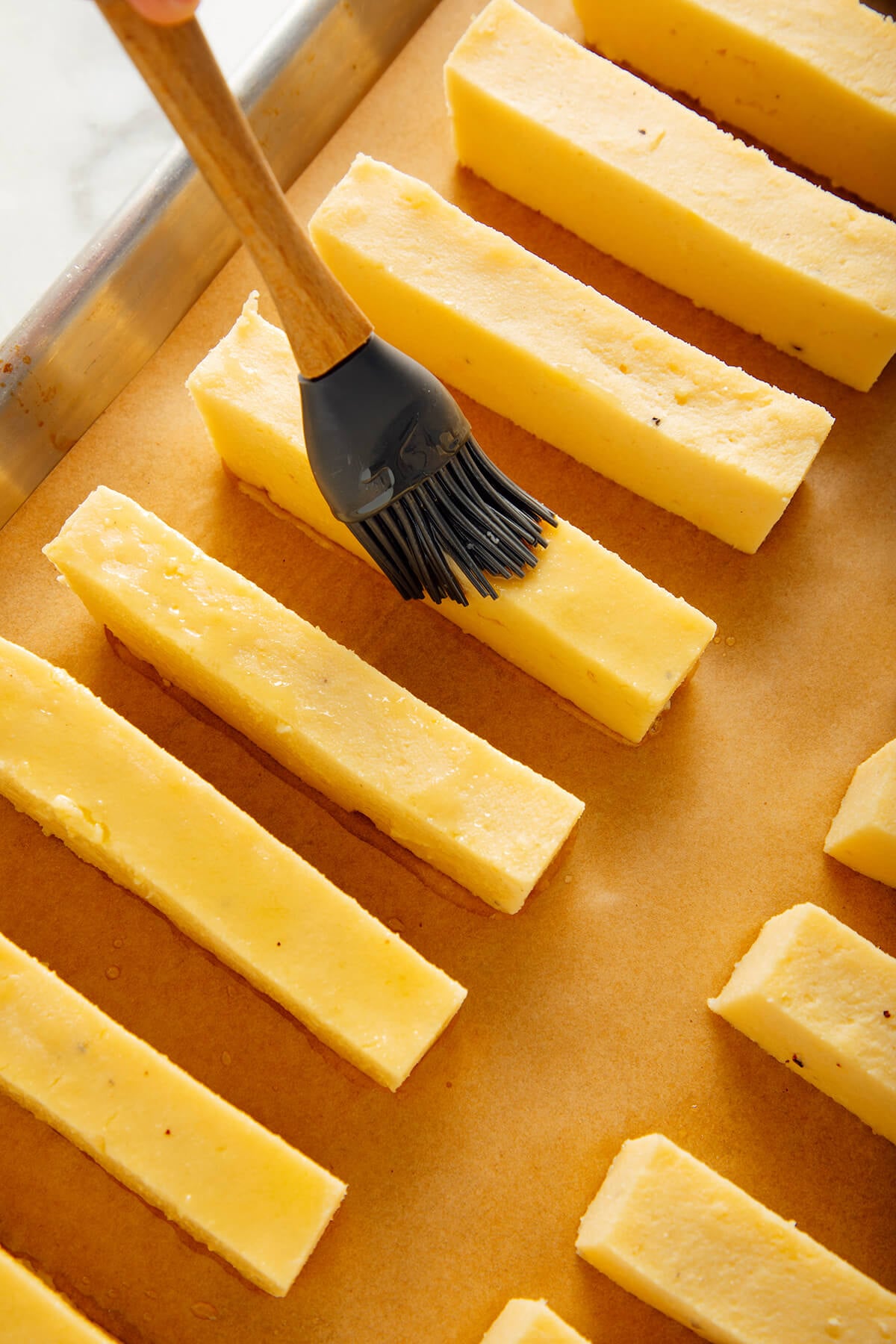
Modern home cooking techniques have introduced the oven-baked approach as a viable, less labor-intensive alternative. Recent culinary testing indicates that brushing or drizzling the panisses with high-quality olive oil before baking produces a texture that mimics the crunch of deep-fried versions while significantly reducing the oil content and the risk of kitchen smoke. This development has democratized the dish, making it accessible to amateur chefs who may be intimidated by the technical requirements of stovetop frying.
Global Adoption and Culinary Integration
The integration of panisses into non-traditional markets—such as the United States—has been accelerated by the proliferation of tapas-style dining. Restaurants in major metropolitan areas, including Kansas City and New York, have begun featuring these chickpea sticks as a centerpiece for mezze platters or as a standalone appetizer paired with complex, emulsified sauces.
Professional chefs often pair panisses with sauces that balance the earthy, nutty profile of the chickpea. Commonly used accompaniments include basil-infused mayonnaise, harissa-spiked aioli, or romesco sauce. This adaptability makes the panisse a versatile candidate for fusion cuisine, where it is increasingly served alongside Mediterranean salads, roasted vegetables, or as part of a charcuterie-inspired spread.
Economic and Supply Chain Considerations
The rise in the popularity of panisses coincides with a broader increase in the global demand for chickpea flour. As a result, the supply chain for pulse crops has seen increased stability and variety. While chickpea flour was once an obscure specialty item in most North American supermarkets, it is now widely available, driven by the popularity of gluten-free baking and the growing influence of Indian and Mediterranean cuisines.
This economic shift has lowered the barrier to entry for home consumers. A single bag of chickpea flour can produce multiple batches of panisses, making it a cost-effective alternative to pre-packaged, processed appetizers. Given the shelf stability of chickpea flour, the dish also aligns with the current trend of "pantry-friendly" cooking, where long-lasting staples are prioritized over fresh, perishable goods.
Culinary Best Practices: From Batter to Table
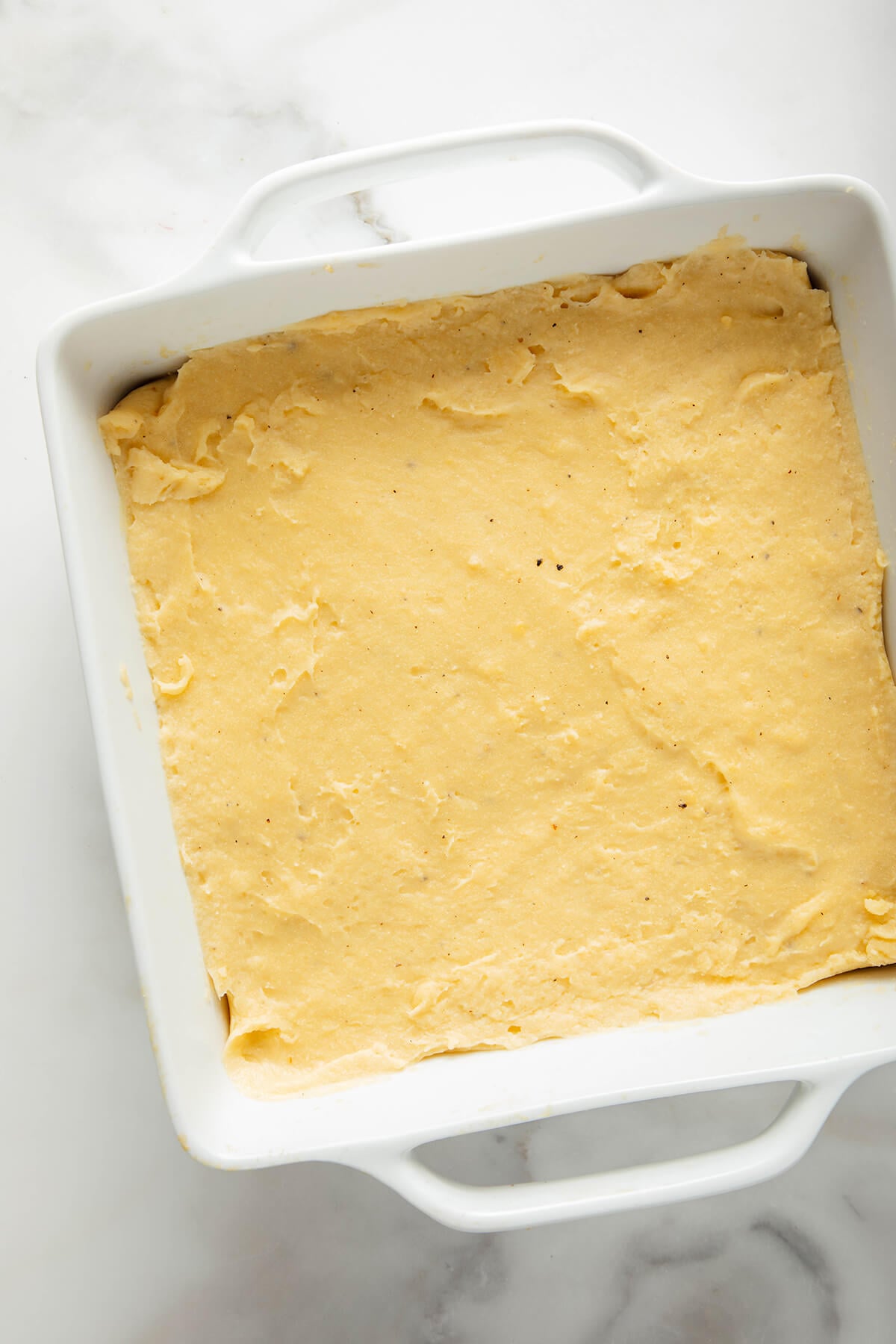
For those interested in preparing panisses at home, the process requires patience. The primary hurdle for most home cooks is the resting period of the batter. Once the flour and water are cooked into a dense paste, the mixture must be spread into a container and refrigerated until completely firm. This step is critical; without adequate cooling, the batter will lack the structural integrity required to hold its shape during the secondary cooking phase.
Experts recommend a minimum of two hours of refrigeration, though an overnight rest is often preferred to allow the starches to fully hydrate and set. Once set, the slicing process should be precise to ensure uniform cooking. Whether frying or baking, the goal is to achieve a uniform golden crust while maintaining the internal texture that differentiates a well-made panisse from a standard fry.
Broader Impact on Modern Diets
The enduring appeal of the panisse lies in its simplicity. In an era of complex, multi-ingredient processed foods, the panisse stands out for its minimalist ingredient list. It represents a return to traditional methods where the quality of the legume—the chickpea—is the defining factor in flavor and texture.
As public health officials continue to emphasize the importance of whole-food, plant-based diets, the panisse serves as a bridge between indulgence and nutrition. It satisfies the psychological craving for a "fry" while providing a nutrient profile that is inherently more beneficial for long-term health. The continued evolution of this dish, from a Provençal street snack to a global culinary favorite, underscores a broader cultural shift toward valuing heritage-based, nutrient-dense ingredients in the modern kitchen.
As the community of home cooks continues to experiment with these recipes, further innovations are expected, including the addition of dried herbs, spices, or even cheese to the batter to create localized variations. Regardless of the regional adaptation, the core essence of the panisse remains a testament to the versatility of the humble chickpea. Whether served at a sophisticated tapas bar or a casual family dinner, the panisse remains a symbol of the successful synthesis of tradition and modern culinary science.