Mayo-Roasted Spatchcock Turkey Offers Faster, Juicier Holiday Results Without Overnight Marining

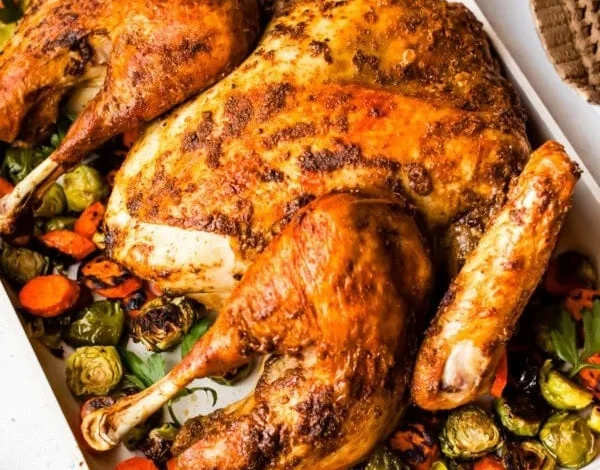
The culinary approach to preparing the traditional Thanksgiving centerpiece has undergone a significant modernization, shifting focus away from time-consuming multi-day brining processes toward efficiency and moisture retention. At the forefront of this seasonal shift is the spatchcocked, or butterflied, roast turkey coated in a seasoned mayonnaise layer. Culinary experts and home cooks alike are increasingly embracing this technique to bypass traditional culinary hurdles—such as dry white meat and extended oven times—while still delivering a deeply flavorful, golden-brown holiday roast.
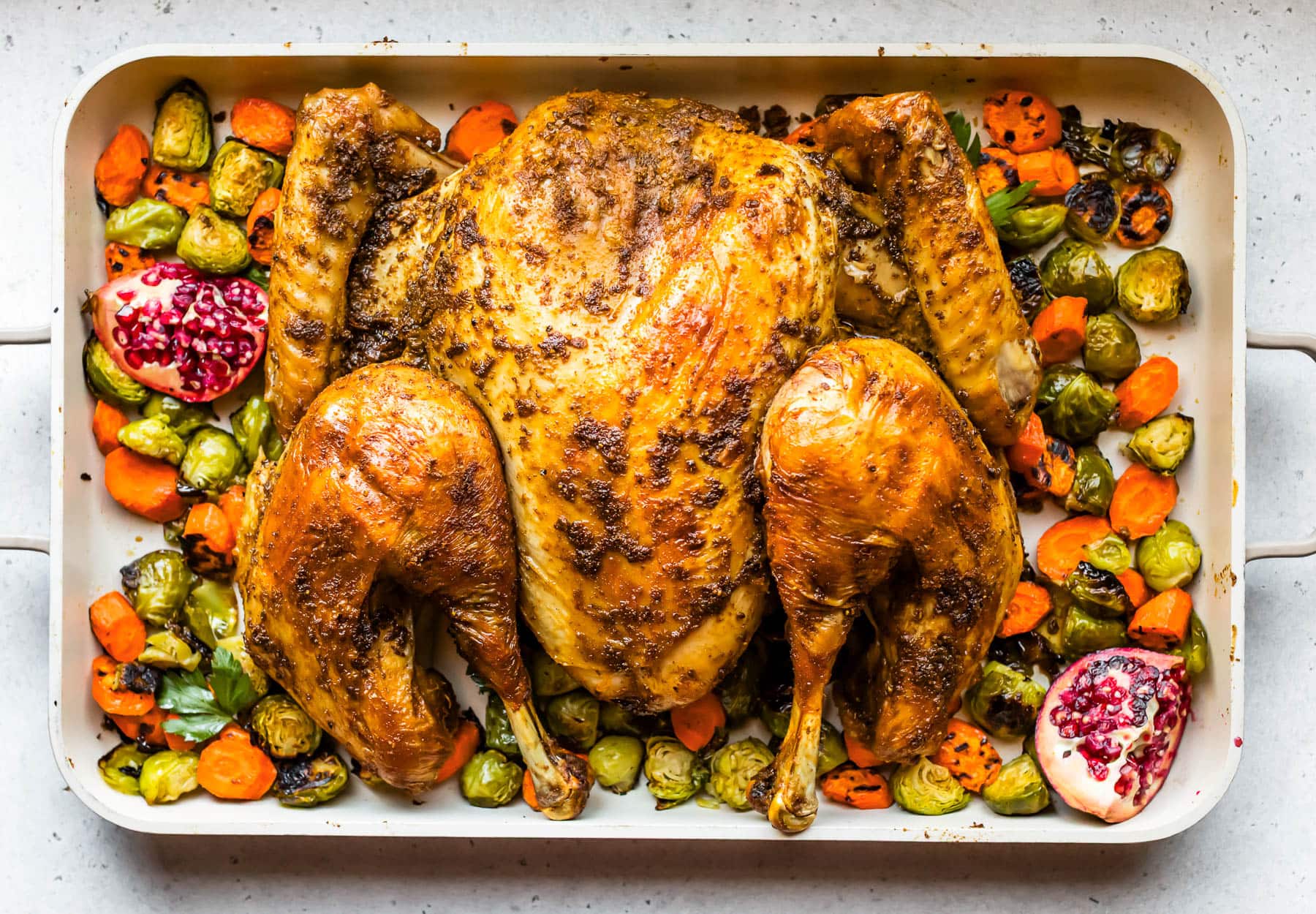
Background and Evolution of the Spatchcock Technique
The term "spatchcock" historically traces back to 18th-century Ireland, originally used as a descriptor for quickly grilling or roasting poultry by splitting it open along the backbone. While the method has long been a staple for cooking chickens and smaller game birds, applying the practice to a full-sized holiday turkey represents a more recent evolution in domestic cooking.
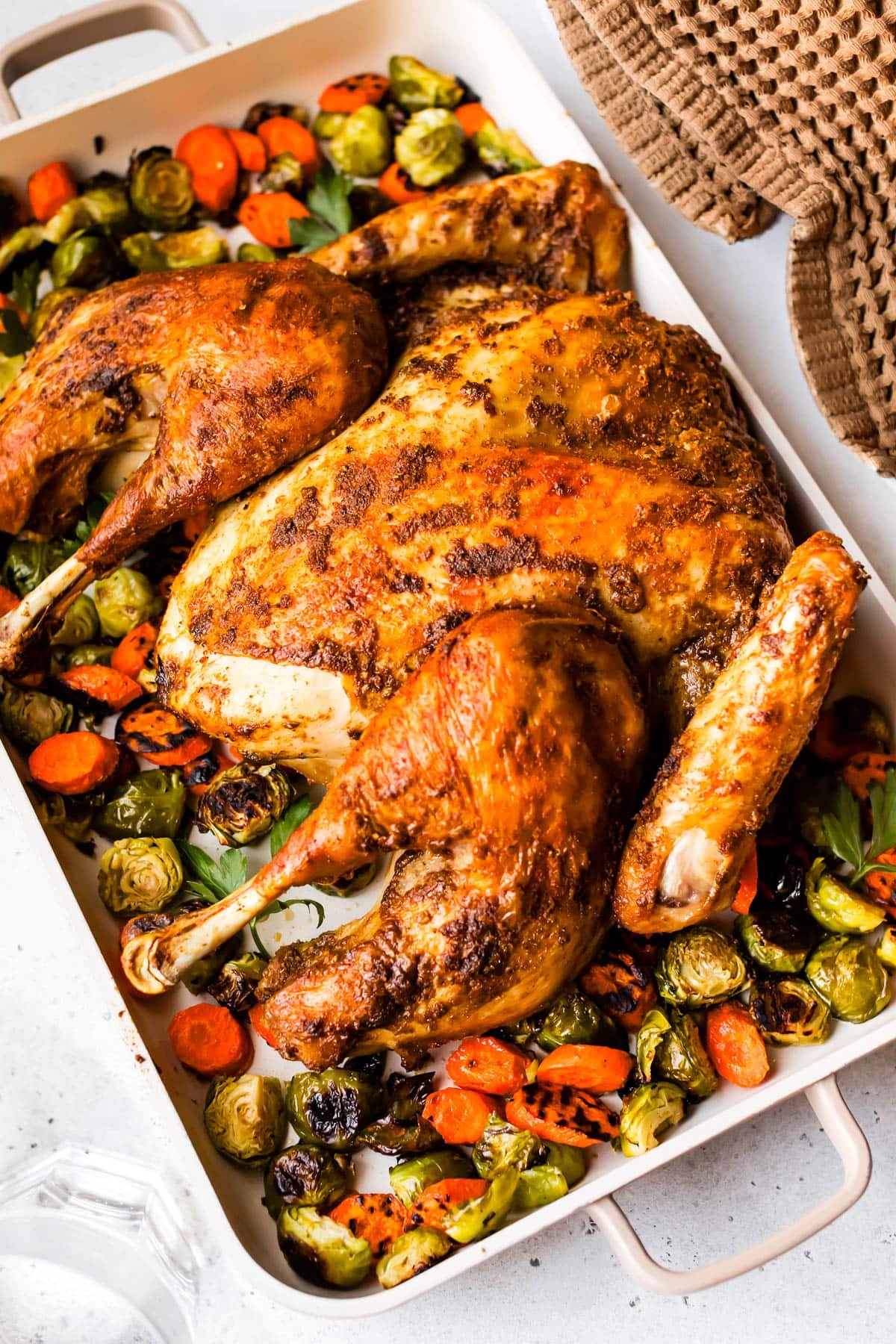
Traditionally, roasting a whole, intact turkey presents a well-documented thermodynamic challenge: the delicate white breast meat requires a lower internal temperature than the denser dark meat of the thighs and legs. Because a whole bird retains its natural spherical shape, the breast meat frequently overcooks and dries out by the time the dark meat reaches a safe and tender consistency.
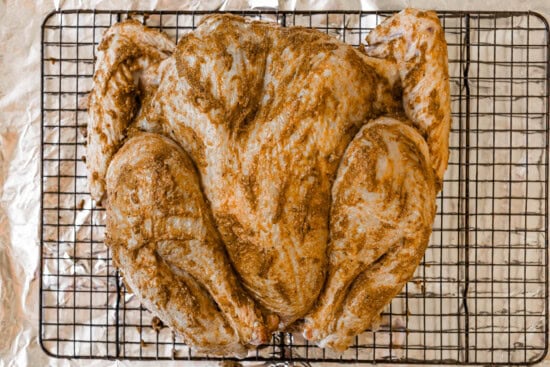
By removing the backbone and flattening the bird, the surface area exposed to heat increases dramatically. This structural alteration allows the entire turkey to lie flat in a roasting pan or on a wire rack, ensuring uniform heat distribution. Consequently, the white and dark meats reach their optimal internal temperatures concurrently, largely eliminating the risk of dry breast meat.

Culinary Mechanics of the Mayonnaise Coating
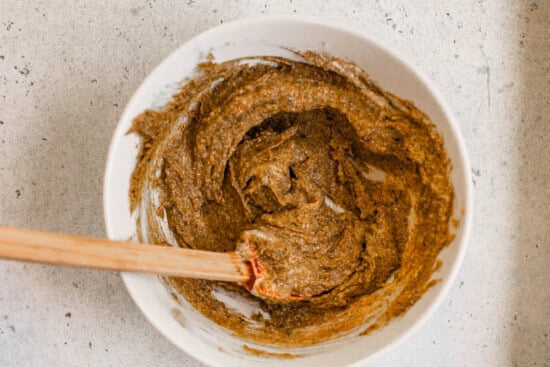
A central component of this modern recipe is the application of a seasoned mayonnaise coating prior to roasting. While traditional methods rely on butter, oil, or continuous basting with pan drippings, mayonnaise introduces a scientifically advantageous emulsion of oil, egg yolks, and vinegar or lemon juice.

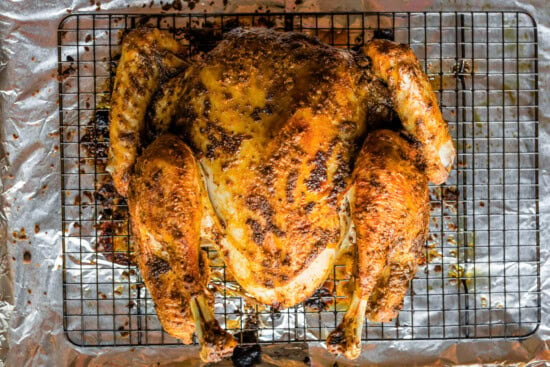
From a culinary science perspective, mayonnaise acts as an exceptionally effective vehicle for browning and moisture preservation. The oil and protein matrix adheres closely to the poultry skin, promoting the Maillard reaction—the chemical reaction between amino acids and reducing sugars that gives browned food its distinctive flavor. Furthermore, the fat content insulates the delicate skin and underlying tissue, yielding a crisp exterior while locking natural juices inside the muscle fibers. Crucially, this method completely eliminates the need for overnight dry brining or wet salt solutions, drastically reducing the advance preparation timeline typically associated with holiday dinners.
Preparation Chronology and Cooking Timeline
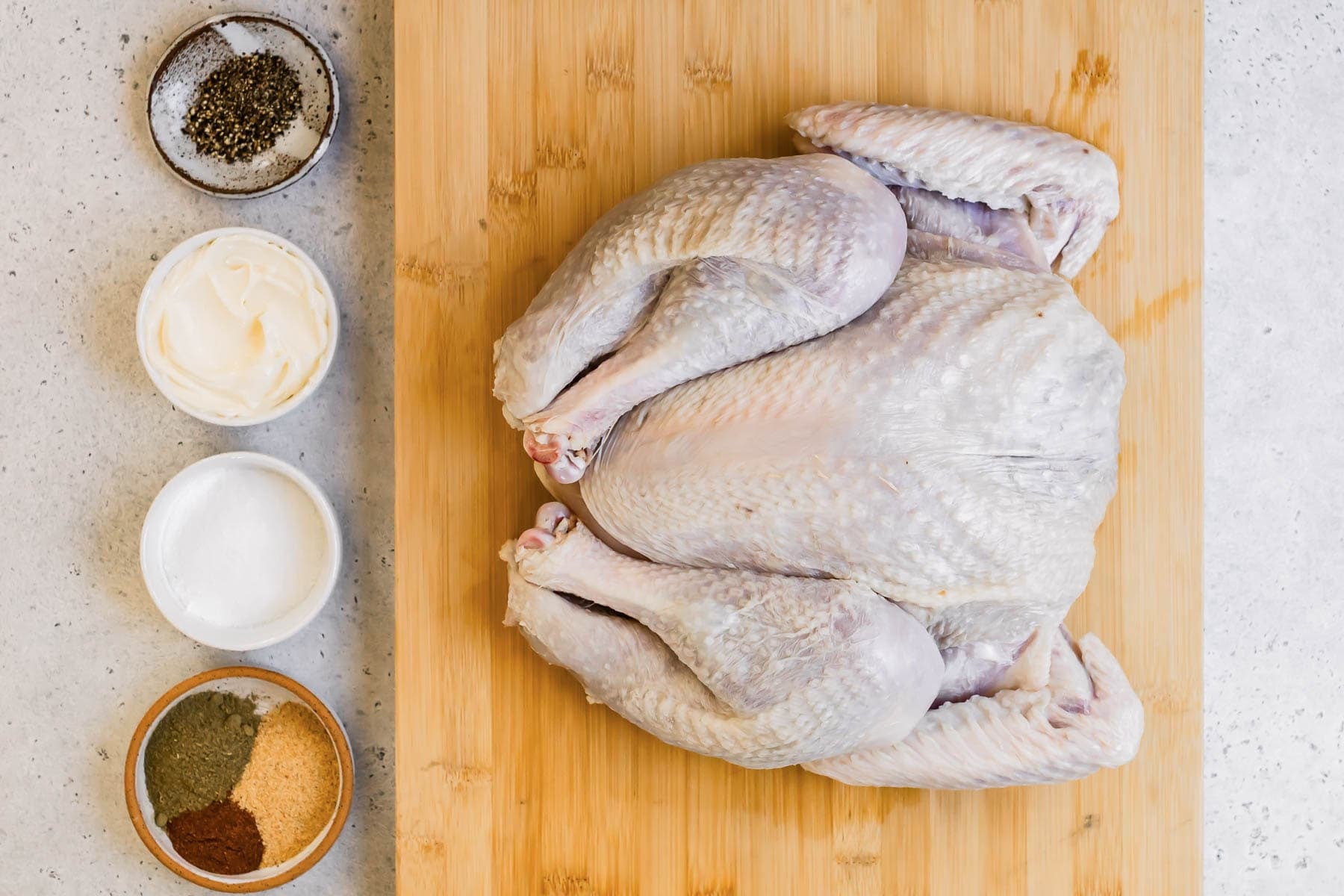
Streamlining the preparation of a holiday meal requires precise timing. The spatchcock method reduces total active kitchen hours significantly compared to traditional roasting routines.
- Pre-Preparation and Thawing: For those utilizing a frozen bird, standard food safety guidelines dictate a thawing timeline of approximately 24 hours for every four to five pounds of turkey in a refrigerator maintained at or below 40°F (4°F).
- Backbone Removal: Using sturdy poultry shears or a sharp chef’s knife, the backbone is excised from tail to neck. The rib cage is then gently cracked to allow the bird to lay entirely flat.
- Seasoning Application: The flattened turkey is patted completely dry to ensure optimal skin crisping. A uniform layer of the seasoned mayonnaise mixture is massaged across all exposed surfaces.
- Roasting Sequence: Culinary testing indicates that initiating the roast at a higher temperature—typically 425°F for the initial 30 minutes—rapidly initiates the browning process. The oven temperature is subsequently reduced to 350°F for the remaining 60 to 90 minutes, depending on the bird’s exact weight.
- Verification and Resting: A digital meat thermometer inserted into the thickest part of the breast and inner thigh must register a minimum internal temperature of 165°F. Following removal from the oven, a mandatory 30-minute resting period allows the internal juices to redistribute throughout the muscle tissue before carving.
Nutritional Profile and Dietary Considerations
Modern dietary preferences frequently prioritize lean protein sources and transparent nutritional tracking. For health-conscious consumers, a standard six-ounce serving of skinless spatchcocked turkey breast delivers approximately 283 kilocalories, 51.5 grams of protein, and only 7 grams of total fat.
While the mayonnaise coating contributes to the overall fat and sodium content during the initial roasting phase, discarding the skin or controlling the quantity of added kosher salt allows individuals to tailor the dish to specific dietary frameworks. Recipe developers emphasize that adjustments must be made depending on whether the raw turkey has been injected with a sodium-enhanced solution by the manufacturer, as pre-brined commercial birds require significantly less added salt in the seasoning rub.
Broader Impact and Implications for Holiday Entertaining
The rising popularity of spatchcocked poultry reflects broader cultural shifts in home cooking, where consumers increasingly value time efficiency without sacrificing quality. Modern households face growing scheduling constraints during the autumn holiday season, making multi-day meal preparation protocols less practical.
By reducing total roasting times by up to thirty to forty percent compared to traditional whole-bird roasting, hosts can optimize oven space—a critical bottleneck during major holiday gatherings. Furthermore, the simplified equipment requirements, which generally necessitate only standard kitchen shears and a rimmed baking sheet or roasting pan, lower the barrier to entry for novice home cooks intimidated by traditional holiday culinary traditions.
As culinary science continues to inform domestic practices, techniques once confined to professional restaurant kitchens are becoming standard household knowledge. The mayo-roasted spatchcock turkey demonstrates how minor structural adjustments and unconventional ingredient pairings can fundamentally improve classic recipes, offering a practical pathway to a reliable, flavorful, and time-efficient holiday feast.