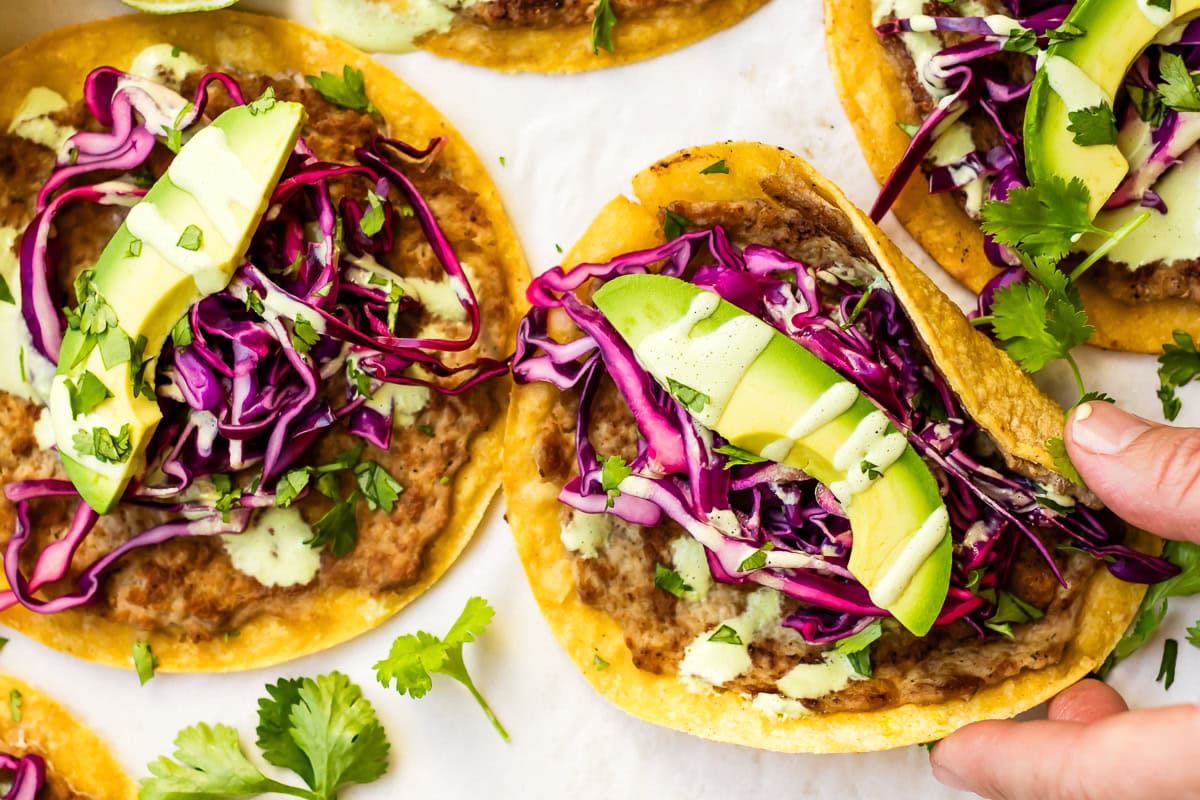
Crispy Chicken Smash Tacos with Creamy Jalapeño Sauce and Lime Cabbage Slaw Offer a High-Protein Weeknight Dinner Solution


The culinary landscape has witnessed a significant evolution in quick, home-cooked meal preparation, heavily influenced by viral internet food trends. Among the most enduring concepts to emerge from social media platforms is the "smash burger taco," a hybrid dish that marries the savory crust of a traditional smashed hamburger with the handheld convenience of a corn tortilla. Building upon the early success of turkey-based iterations, recipe developers and home cooks have introduced a new variation: Chicken Smash Tacos topped with a vibrant lime-cabbage slaw and a creamy jalapeño sauce. This dish has quickly gained traction as a practical, nutrient-dense solution for weeknight dinners, balancing high protein and fiber content with preparation times under thirty-five minutes.
Background and Evolution of the Smash Taco Phenomenon
The smash burger technique—pressing a ball of ground meat onto a blazing hot surface to maximize the Maillard reaction, creating a deeply browned, crispy exterior—became a dominant force in American kitchens and restaurant menus alike. Culinary innovators soon realized that pressing raw ground meat directly onto a pliable tortilla before placing it face-down on a griddle yielded a dual-textured masterpiece: a crisp, caramelized meat crust on one side and a softened, pan-toasted tortilla on the other.
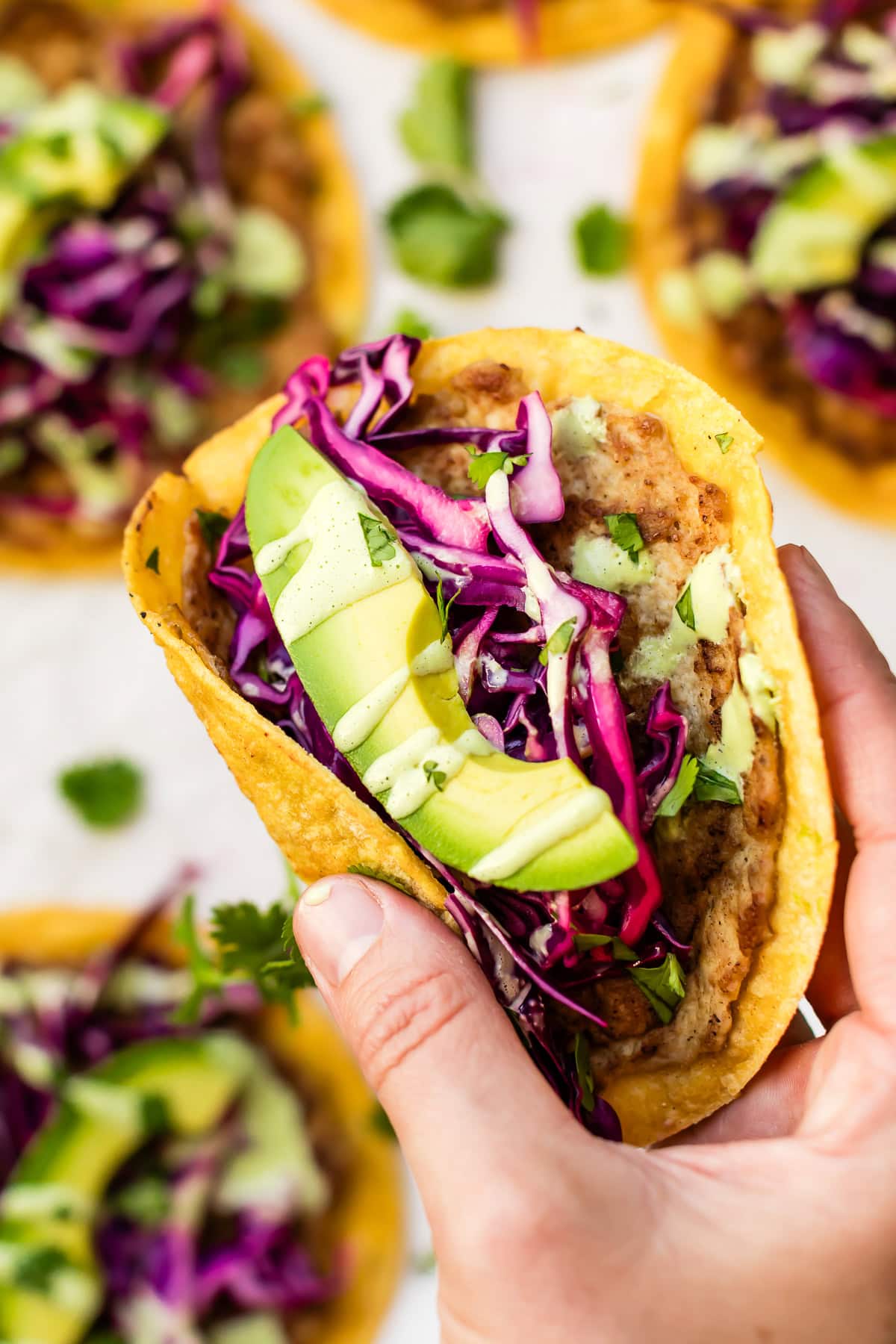
While the initial trend favored beef and later ground turkey, poultry alternatives like ground chicken have surged in popularity due to consumer demand for leaner protein sources. Ground chicken provides a neutral canvas for bold seasonings, making it an ideal vehicle for Mexican-inspired flavor profiles. By embedding the poultry directly into the tortilla and searing it on a hot skillet or flat-top griddle, home cooks achieve a fully cooked, structurally sound taco in a matter of minutes without the need for pre-cooking or complex assembly steps.
Nutritional Profile and Dietary Implications

From a nutritional standpoint, the chicken smash taco aligns with contemporary dietary guidelines emphasizing lean proteins and dietary fiber. Standard nutritional metrics for a serving of three tacos indicate an average caloric load of approximately 445.5 kilocalories, paired with 27.5 grams of protein and 7.5 grams of fiber. The inclusion of a cabbage-based slaw introduces essential micronutrients and roughage, while the controlled use of fats in the creamy jalapeño sauce keeps saturated fat content moderate at roughly 4.5 grams per serving.
Dietitians and culinary analysts note that dishes incorporating lean poultry and fiber-rich vegetables satisfy consumer demand for meals that support active lifestyles and weight management without sacrificing flavor or culinary satisfaction. The substitution of ground chicken for higher-fat red meats reduces overall lipid consumption while retaining the textural appeal that drives the smash taco’s popularity.

Preparation Methodology and Technical Insights
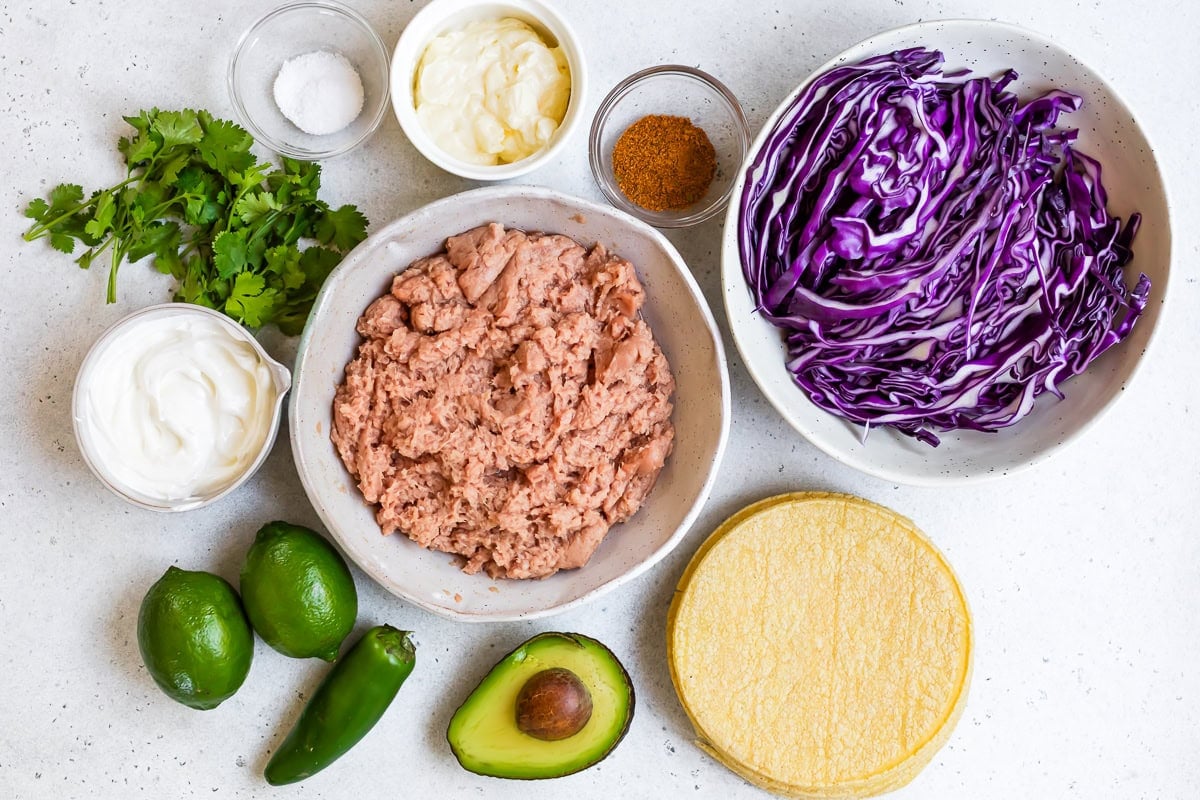
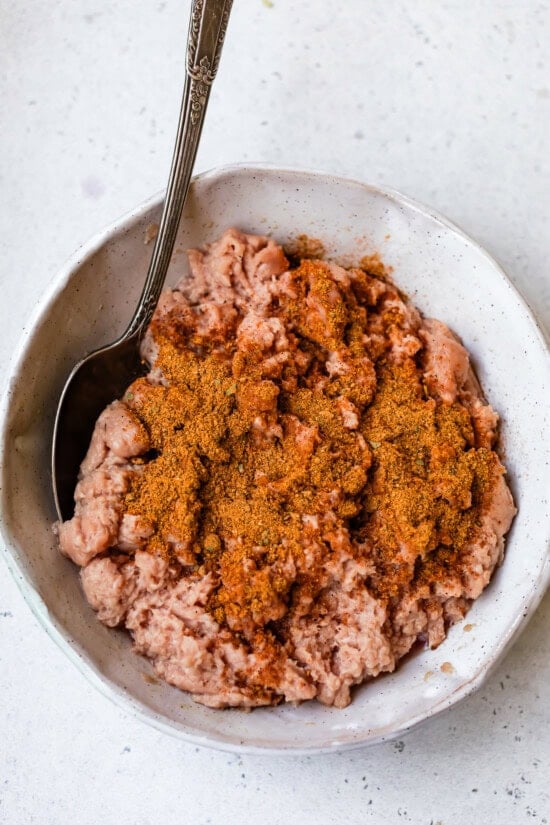
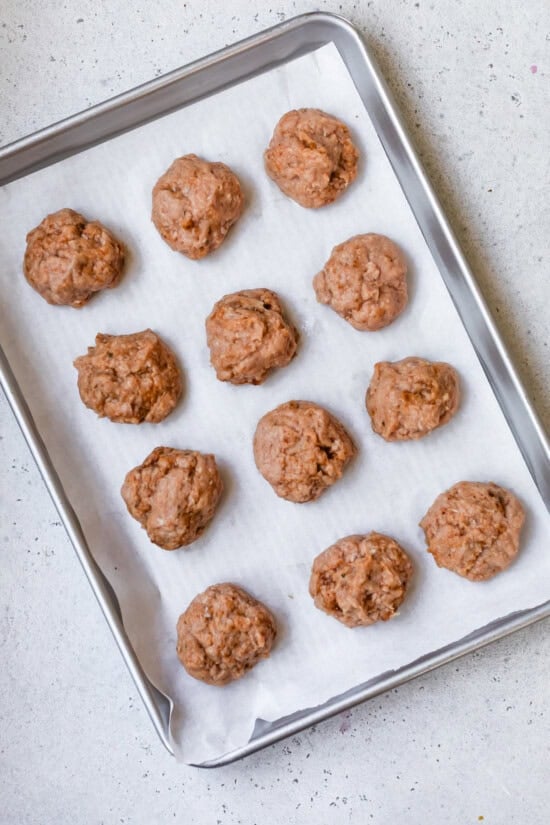
Preparing chicken smash tacos requires a specific sequence of culinary steps designed to ensure food safety and optimal texture. Unlike traditional tacos where pre-cooked meat is added to a finished shell, smash tacos require raw ground chicken to be seasoned, divided into equal portions, and pressed thinly across the surface of a corn tortilla.
Culinary experts in test kitchens emphasize that despite the meat touching only one side of the cooking surface during the initial phase, the thinness of the layer—typically requiring only a few minutes per side—ensures thorough cooking and safe internal temperatures. The use of a large skillet, flat-top griddle, or specialized outdoor cooking surface such as a Blackstone griddle is strongly recommended to maximize surface area, prevent overcrowding, and facilitate effortless flipping. Additionally, lightly spraying the tortilla exterior prior to flipping enhances the crispness of the grain.
Accompanying Condiments: Slaw and Sauce Architecture
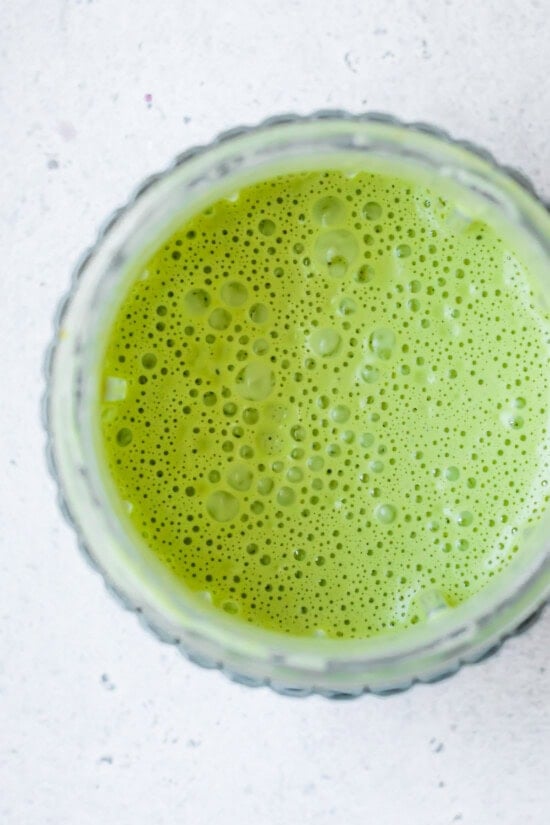
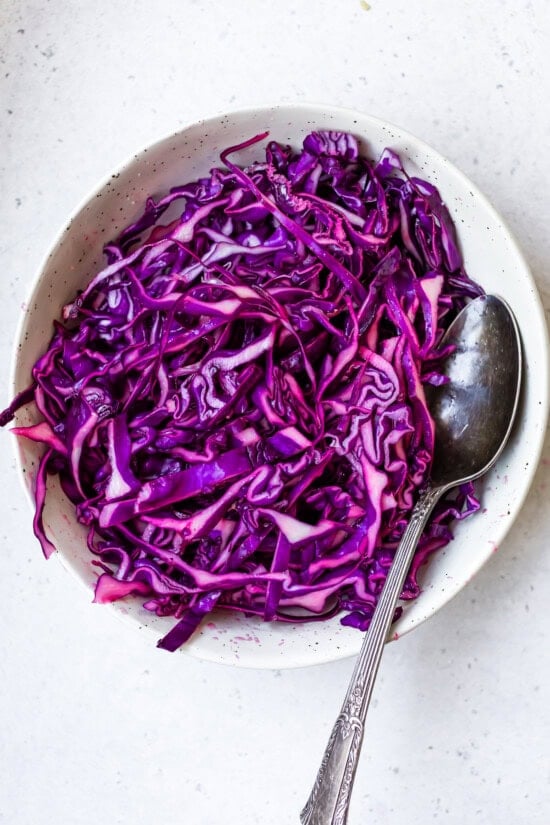
The sensory appeal of the dish relies heavily on contrasting temperatures, textures, and flavor profiles provided by the accompanying toppings. The lime-cabbage slaw introduces crunch, acidity, and hydration, which cut through the richness of the seared chicken and toasted tortilla. Cabbage, a cruciferous vegetable rich in vitamins C and K, maintains its structural integrity longer than delicate greens, making it an optimal choice for meal-prep applications.
Concurrently, the creamy jalapeño sauce bridges the gap between heat and cooling dairy elements. By balancing the capsaicin kick of fresh jalapeños with creamy bases, the sauce delivers a complex flavor profile that elevates the dish beyond a standard weeknight meal. This duality of bright acidity and creamy heat has become a hallmark of modern fusion street food adapted for home kitchens.
Storage, Meal Prep, and Practical Scaling
As consumer interest in efficient home economics grows, the adaptability of recipes for meal preparation has become a critical evaluation metric. The components of the chicken smash taco lend themselves well to batch cooking and advance preparation. The jalapeño sauce and lime-cabbage slaw can be prepared days in advance and stored in airtight containers, with the acid in the slaw acting as a natural preservative to maintain crispness.
However, culinary specialists advise against fully assembling the tacos ahead of time to prevent the tortillas from becoming soggy. Instead, the seasoned meat can be portioned, and the cooking process executed rapidly just prior to consumption. For households seeking variety, the foundational technique accommodates numerous modifications, including the substitution of alternative proteins, the incorporation of different cheese blends, or the adjustment of spice levels within the sauce to cater to diverse palates.
Broader Industry Impact and Future Outlook
The proliferation of hybrid culinary creations like the chicken smash taco underscores the shifting dynamics of modern home cooking, where social media acts as a primary catalyst for recipe dissemination. Food media analysts observe that recipes offering high visual appeal combined with streamlined preparation methods consistently outperform traditional, time-intensive formats.
As home cooks continue to seek out approachable ways to incorporate lean proteins and fresh produce into their daily routines, techniques that merge street food culture with healthy home cooking are expected to remain prominent. The enduring success of the smash taco format highlights a broader culinary shift toward accessible innovation, proving that home-cooked meals can successfully emulate restaurant-quality textures and flavors within the span of a standard weeknight schedule.