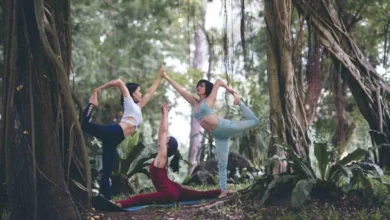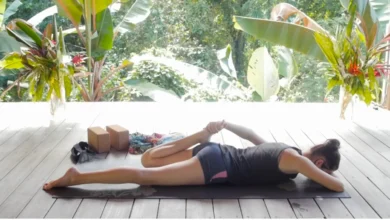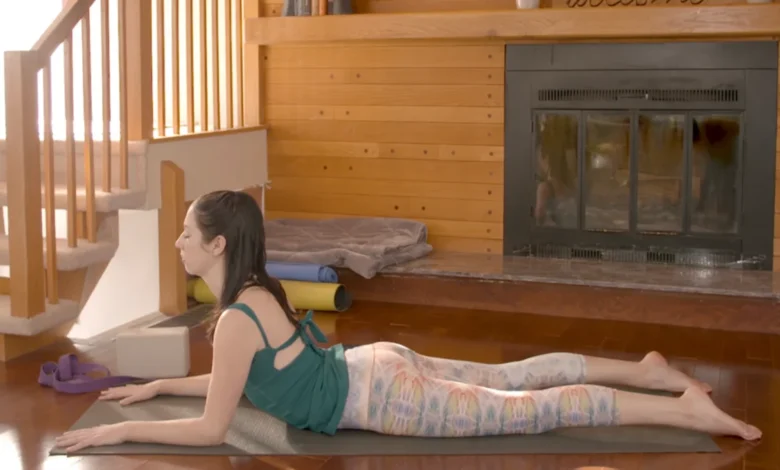
The global wellness landscape continues to experience a profound structural shift toward low-impact, restorative physical practices, with Yin Yoga emerging as a dominant modality for mitigating the physiological effects of sedentary lifestyles and chronic stress. As modern professionals log unprecedented hours seated at desks or engaged with digital screens, health practitioners have increasingly pointed to the deterioration of connective tissues, chronic joint stiffness, and shortened hip flexors as primary contributors to musculoskeletal discomfort. In response to this public health trend, wellness educators have prioritized accessible, at-home routines designed to target deep fascial networks without requiring specialized studio memberships or costly equipment. A prominent example of this movement is a newly released 35-minute full-body Yin Yoga sequence led by renowned instructor Yoga with Kassandra, which provides a methodical framework for practitioners of all experience levels to engage in passive stretching from a domestic environment.
Understanding the Physiological Mechanics of Yin Yoga
Unlike dynamic or "yang" styles of yoga—such as Vinyasa or Ashtanga—which focus on muscular strength, cardiovascular conditioning, and internal heat generation, Yin Yoga operates on entirely different mechanical principles. The practice is defined by the prolonged holding of relatively simple, floor-based shapes ranging from two to five minutes per posture, during which the practitioner applies zero muscular effort.
According to sports science and kinesiology experts, this absence of muscular engagement is crucial. When muscles are relaxed, the mechanical load of the posture bypasses superficial muscle tissue and transfers directly into the body’s deeper structures: the ligaments, tendons, joints, and fascial networks. Fascia, a dense web of connective tissue surrounding muscles and organs, responds positively to sustained, gentle pressure by increasing tissue hydration and elasticity.
Crucially, instructors emphasize the concept of finding one’s "edge"—the point at which a stretch is genuinely felt without triggering a protective muscular contraction or breath-holding response. Pain is strictly contraindicated in Yin Yoga; because poses are held for extended periods, any sensation crossing the threshold into discomfort or sharp pain can cause micro-tears in connective tissue or nervous system overload. By utilizing gravity rather than active force, practitioners allow their bodies to gradually open, making the practice an effective complement to high-intensity cardiovascular training or strength programs.
The Role of Household Props in Accessible Wellness
A primary barrier to entry for home-based physical fitness is the perceived financial and logistical requirement for specialized equipment. Historically, yoga studios have popularized proprietary blocks, bolsters, and straps, which can deter budget-conscious participants. However, modern instructional sequences actively democratize the practice by demonstrating how ordinary household items can serve as functional substitutes for traditional props.
For instance, yoga blocks can be easily replaced by sturdy stacks of hardcover books or firm cushions from a living room sofa. Yoga straps—frequently utilized in reclined stretches to maintain spinal alignment—are functionally interchangeable with standard cotton belts, bathrobes ties, or heavy sweatshirts. By lowering the economic threshold for participation, wellness platforms have noted a significant surge in home-based consistency among demographics previously alienated by the commercialization of wellness culture.
An In-Depth Breakdown of the 35-Minute Full-Body Sequence
The newly published routine is structured systematically to guide the practitioner from grounding centring movements through targeted joint releases, culminating in deep integration. Below is an analytical overview of the primary postures included in the sequence, their anatomical targets, and methodological guidelines for execution.
Child’s Pose (Balasana)
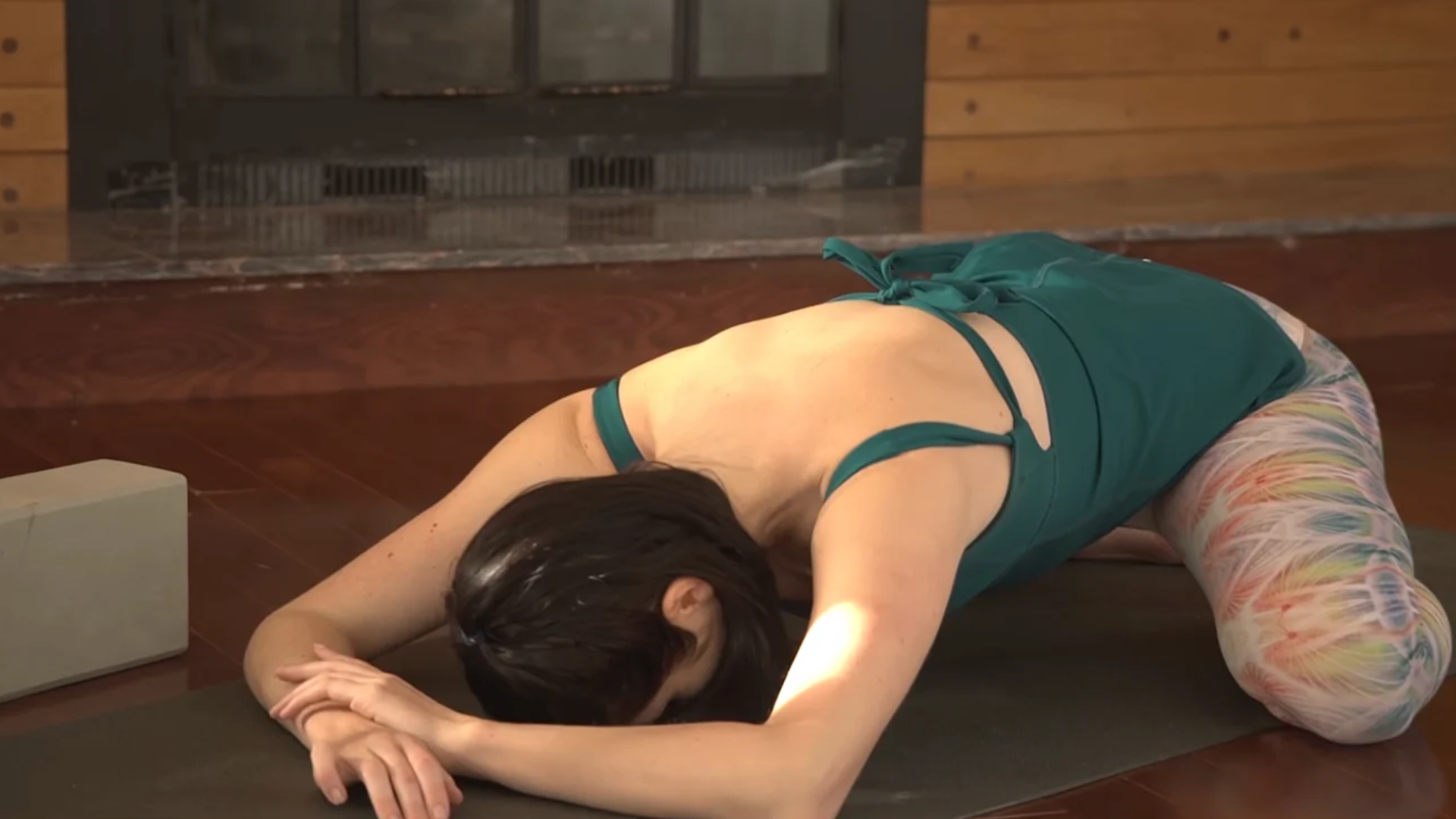
As an initial grounding posture, Child’s Pose initiates the parasympathetic nervous system response, signaling the body to transition away from a state of acute alertness.
- Execution: The practitioner kneels on a mat, bringing the big toes together while separating the knees to a comfortable width. The upper body folds forward, resting the chest and forehead toward the mat.
- Anatomical Focus: This shape gently decompresses the lumbar spine while introducing a mild internal rotation and opening of the hips and inner thighs.
- Modifications: Instructors recommend placing a bolster or stacked pillows beneath the torso to completely eliminate muscular effort in the shoulders and neck, holding the position for approximately two minutes.
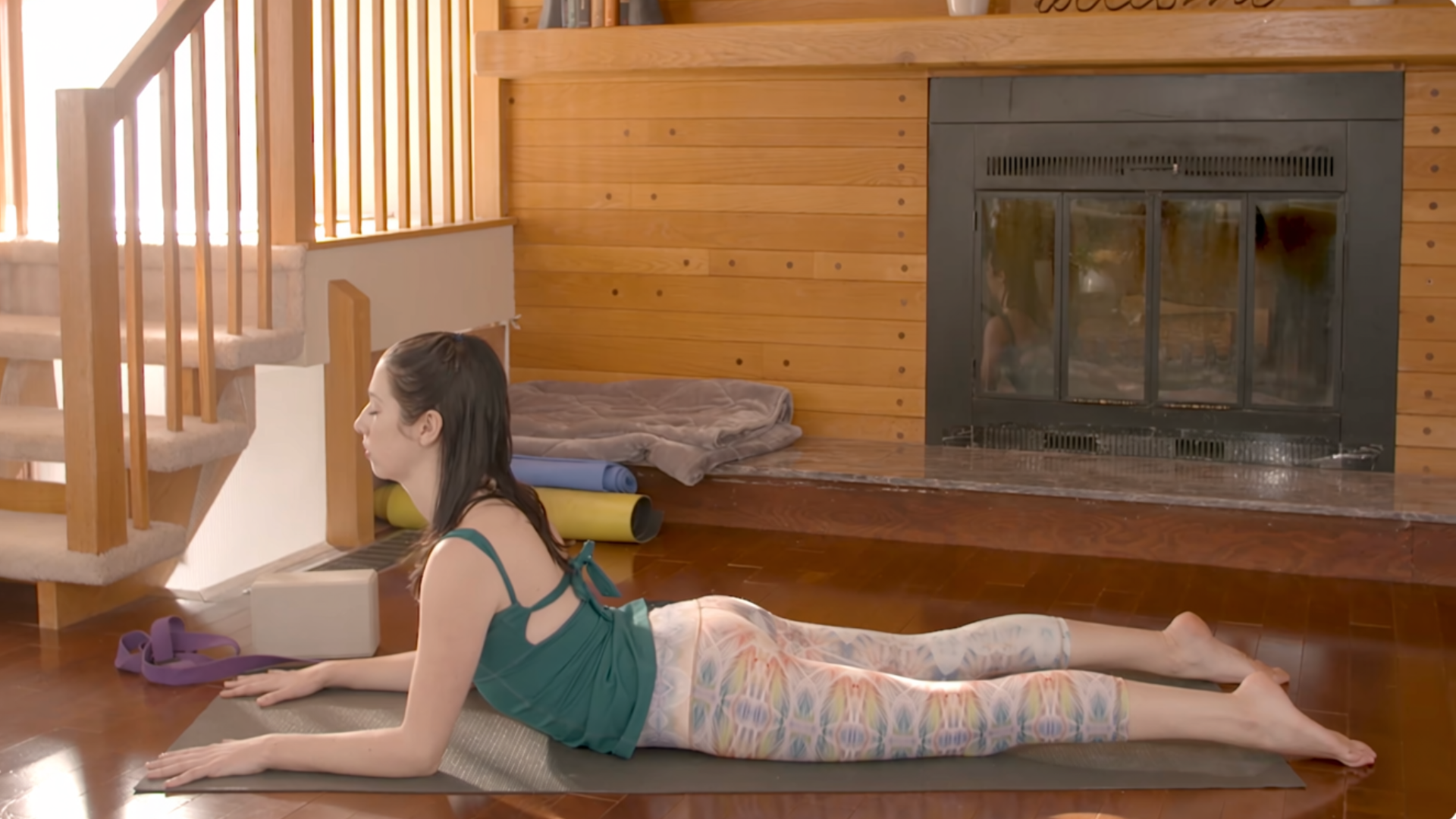
Sphinx Pose
To counteract the epidemic of forward-head posture and thoracic kyphosis caused by desk work, the sequence incorporates a mild, accessible backbend.
- Execution: Lying prone on the belly, the practitioner aligns their forearms parallel on the mat, placing elbows slightly forward of or directly under the shoulders.
- Anatomical Focus: Sphinx Pose gently compresses the lumbar vertebrae while opening the anterior chest wall, abdominal muscles, and hip flexors.
- Modifications: Intensity is entirely self-regulated; sliding the elbows further forward reduces the arch in the lower back, ensuring that practitioners with pre-existing lumbar sensitivities can participate safely without experiencing compression pain.
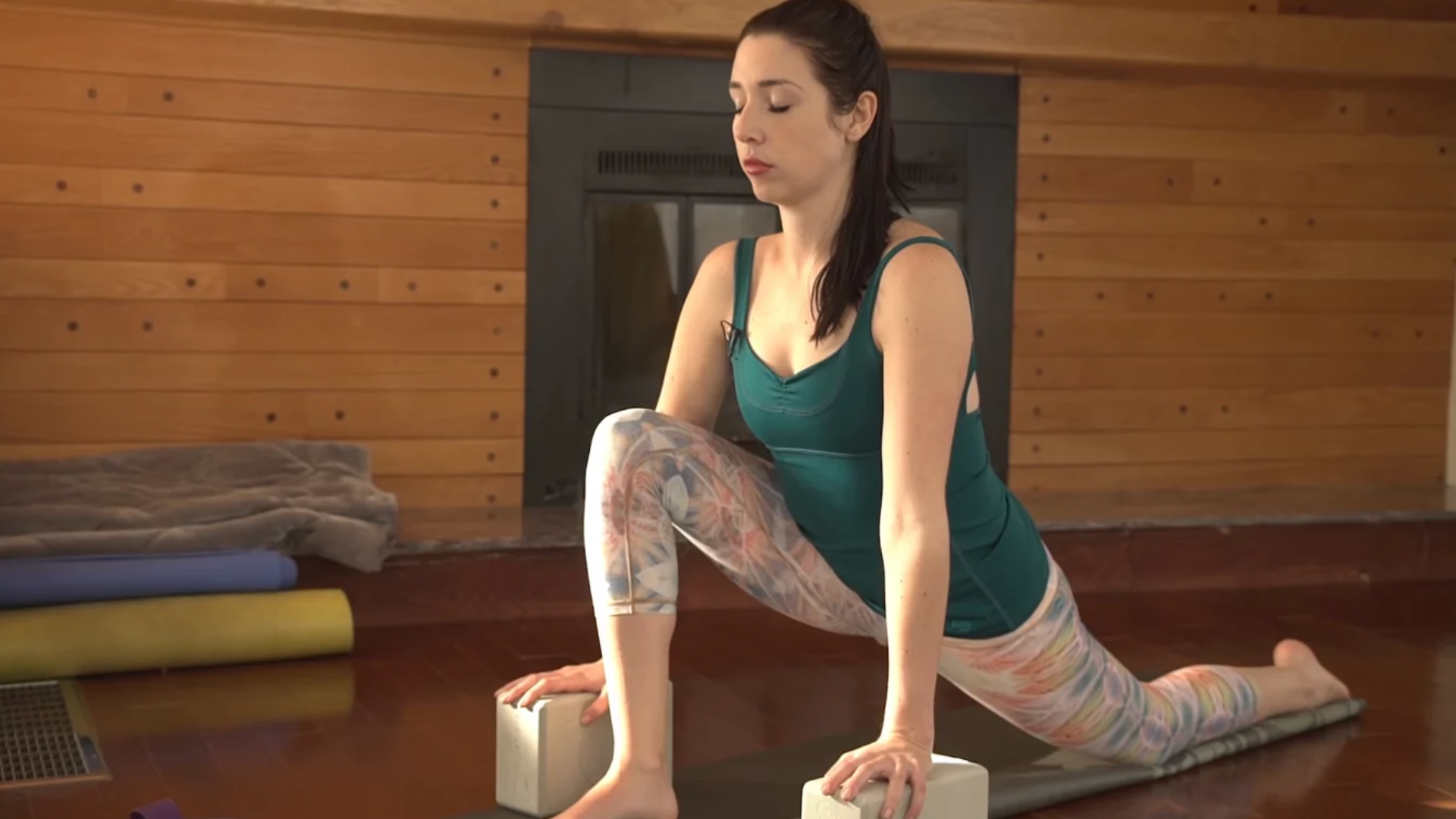
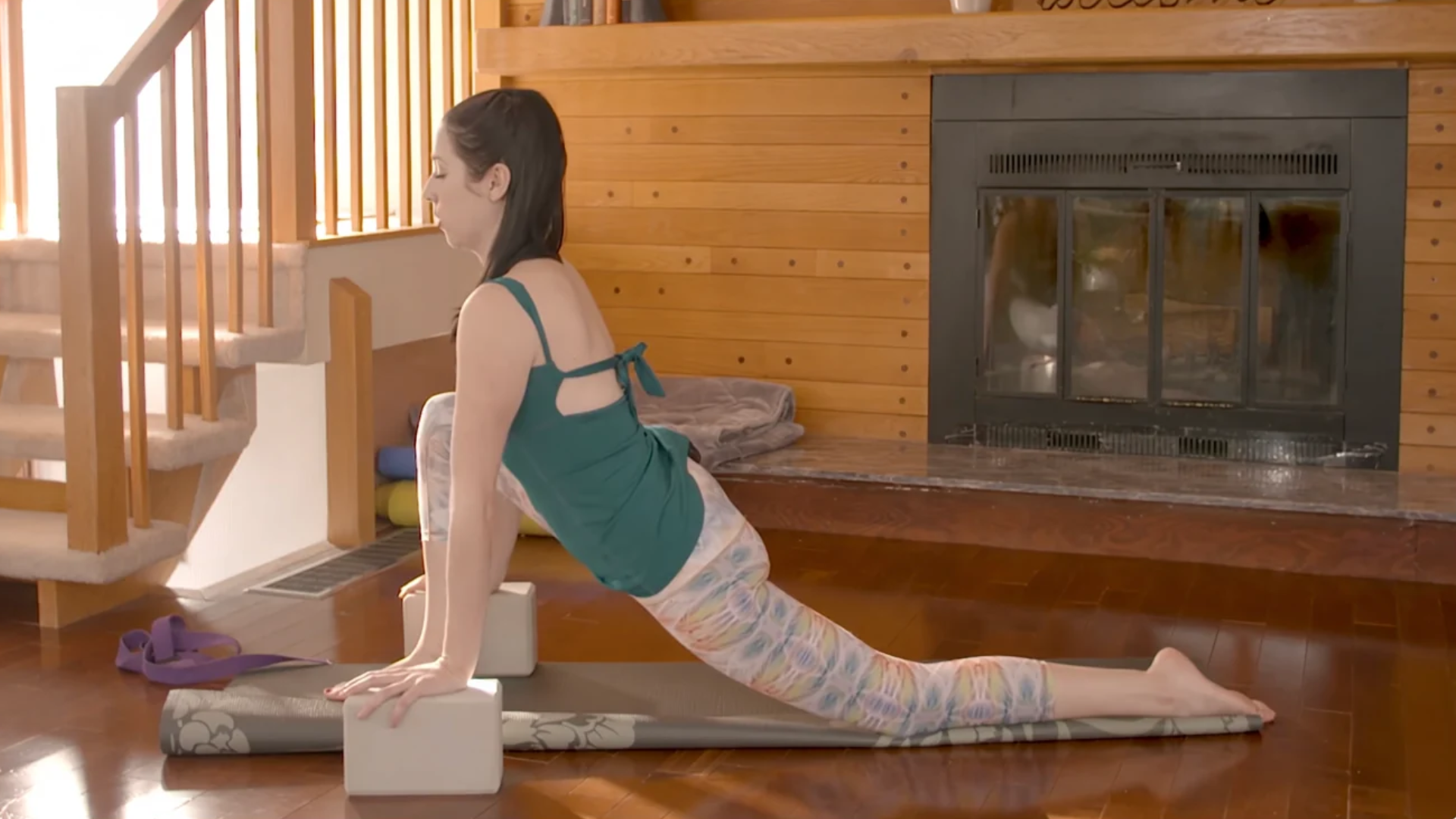
Baby Dragon / Low Lunge
Hip mobility remains one of the most critical metrics of functional longevity, particularly for individuals who sit for extended periods daily.
- Execution: Stepping one foot forward from a quadruped position into a low lunge, the practitioner allows the pelvis to sink toward the mat under the influence of gravity.
- Anatomical Focus: This posture targets the iliopsoas complex and the rectus femoris of the back leg, areas notoriously prone to adaptive shortening.
- Modifications: Given the duration of the hold, padding the rear knee with a folded blanket or a doubled edge of the yoga mat prevents patellar discomfort. Utilizing blocks beneath the hands prevents weight-bearing strain on the wrists.
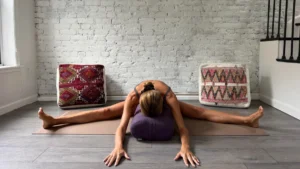
Caterpillar Pose
Seated forward folds test the nervous system’s capacity to tolerate prolonged sensations along the posterior kinetic chain.
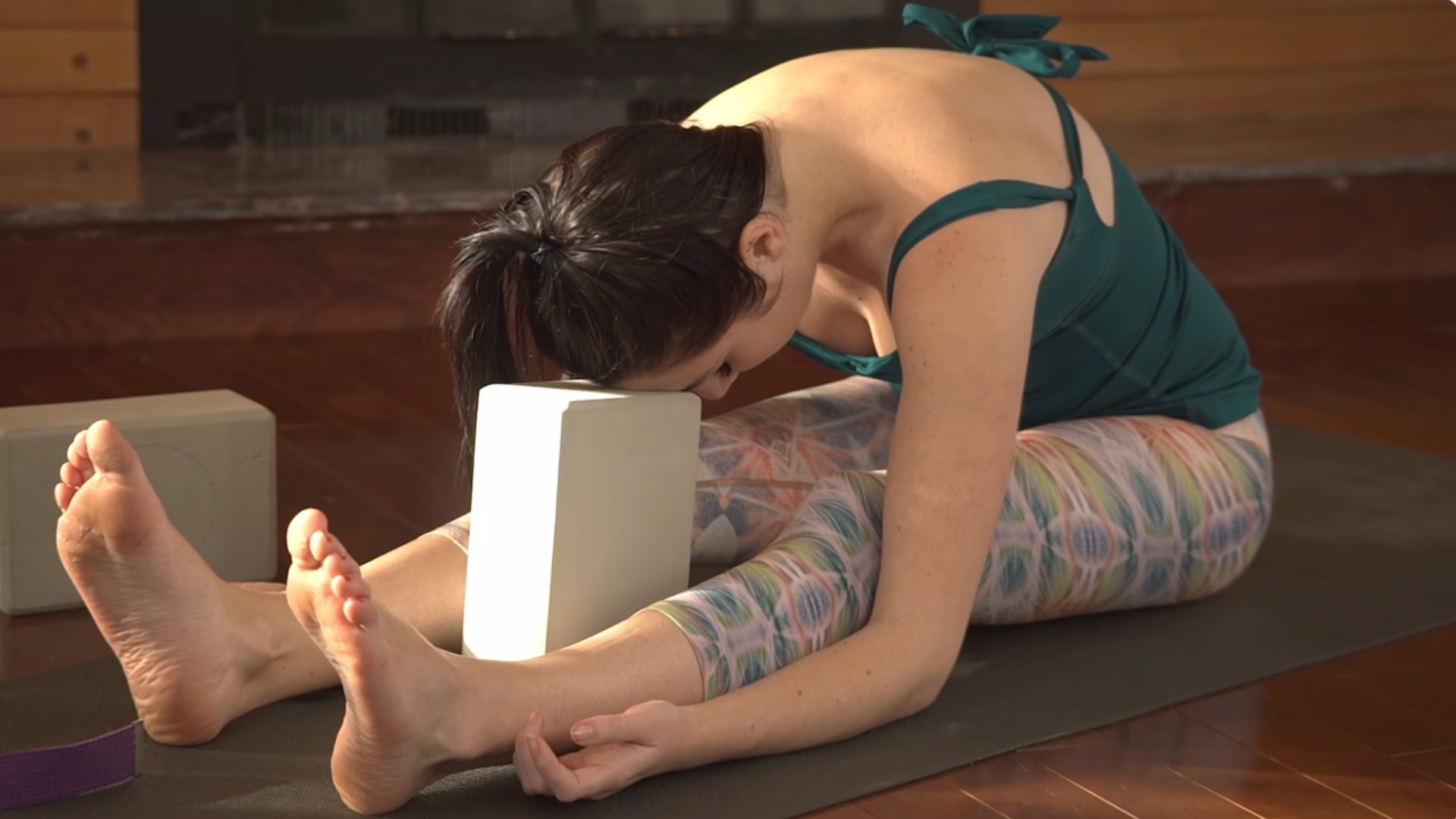
- Execution: With legs extended straight (or comfortably micro-bent) in a seated position, the torso is allowed to round gently forward without reaching or pulling. Palms are turned upward to discourage gripping.
- Anatomical Focus: The stretch engages the entire posterior line of the body, from the suboccipital muscles at the base of the skull down through the erector spinae, gluteus maximus, hamstrings, and gastrocnemius.
- Modifications: Stacking blocks beneath the forehead provides a physical target for the head, permitting complete cervical relaxation.
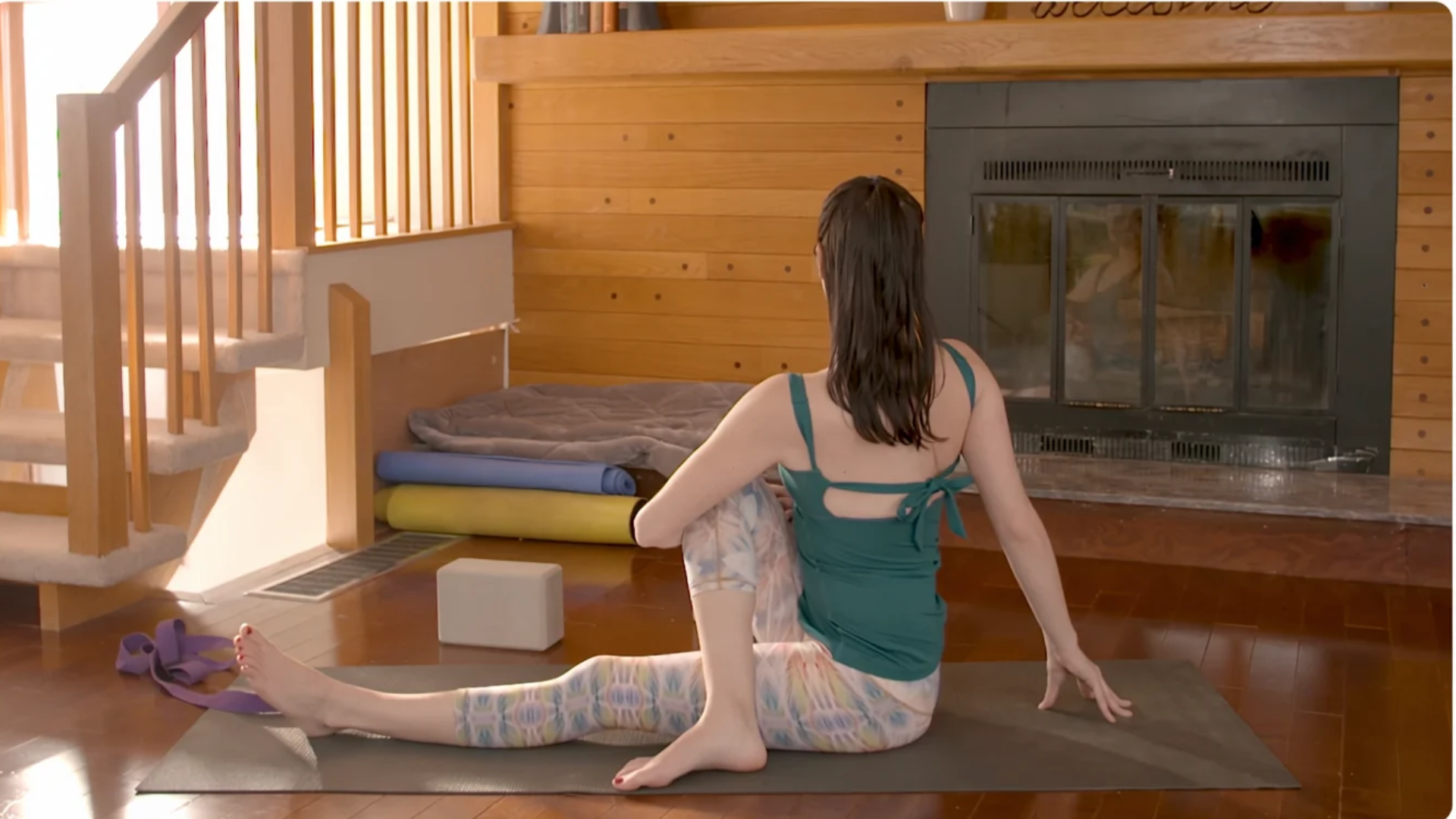
Seated Spinal Twist
Rotational mobility is frequently neglected in conventional linear exercise regimes such as running or cycling.
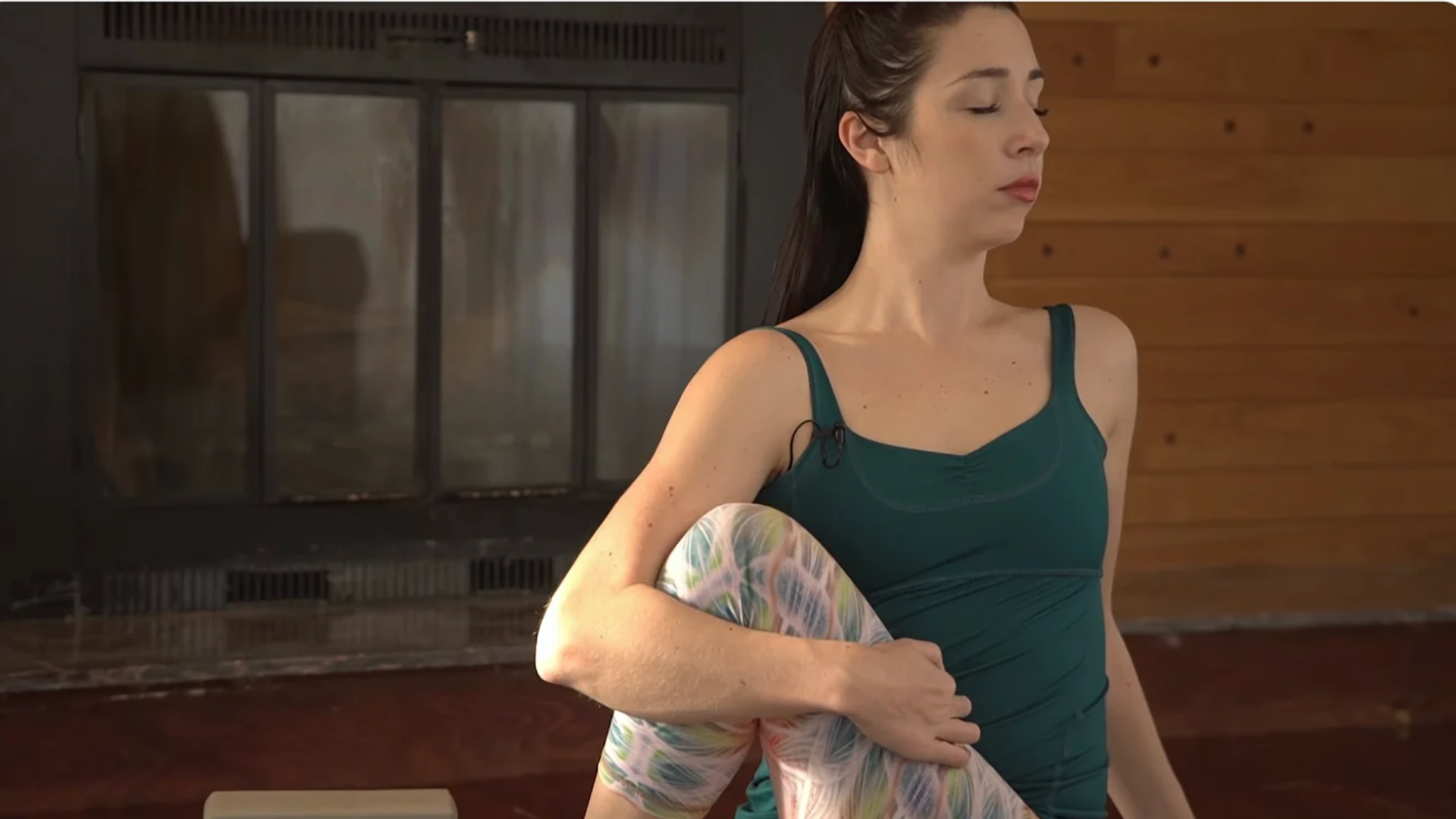
- Execution: From a seated position, one knee is bent and crossed over the opposite thigh, while the torso rotates gently away from the midline.
- Anatomical Focus: This posture maintains the rotational integrity of the thoracic spine, stimulates digestive organs via gentle internal compression, and relieves tension in the outer gluteal muscles.
- Modifications: Emphasizing an upward elongation of the spine with each inhalation prevents spinal compression during the rotational hold.
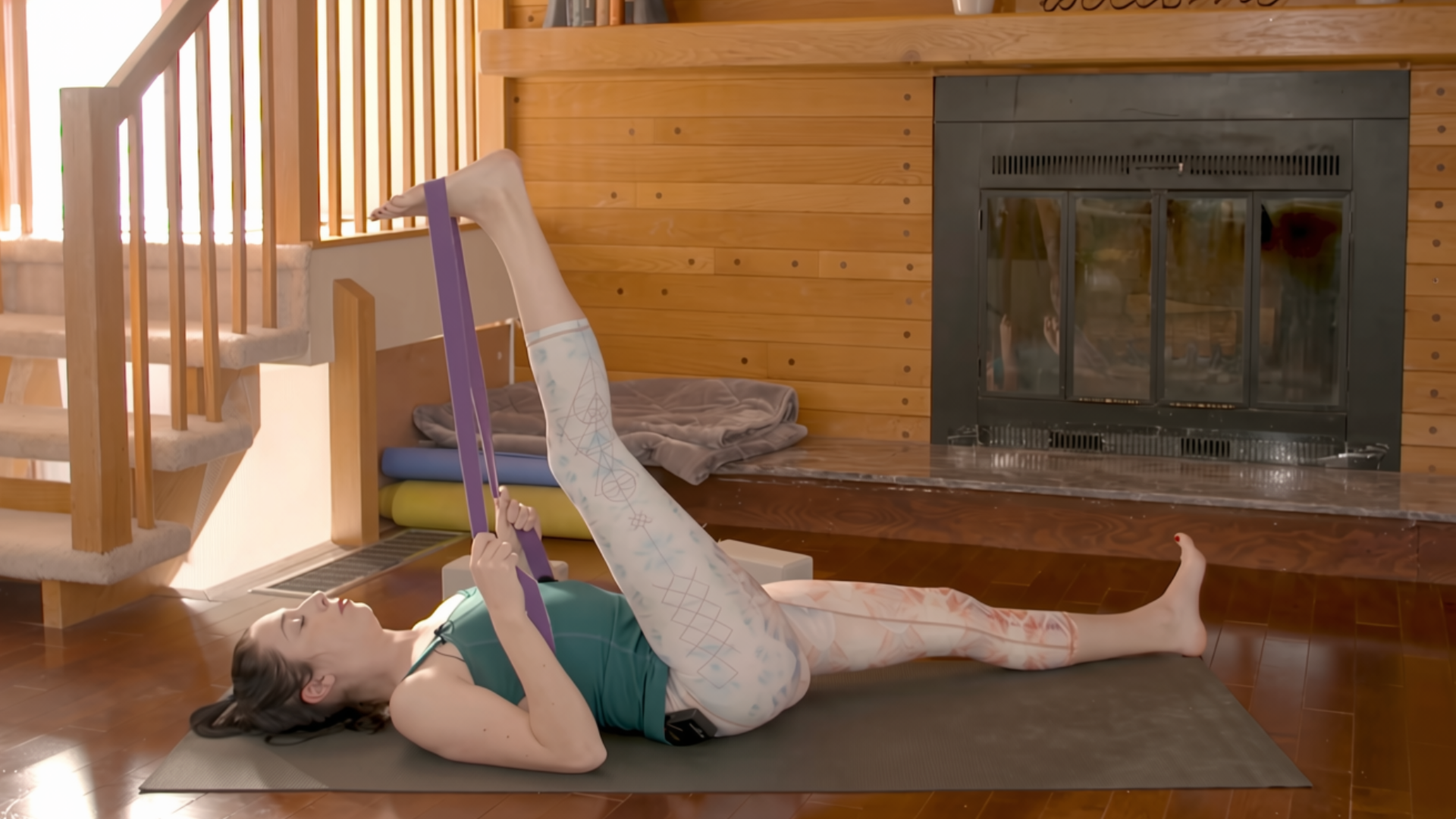
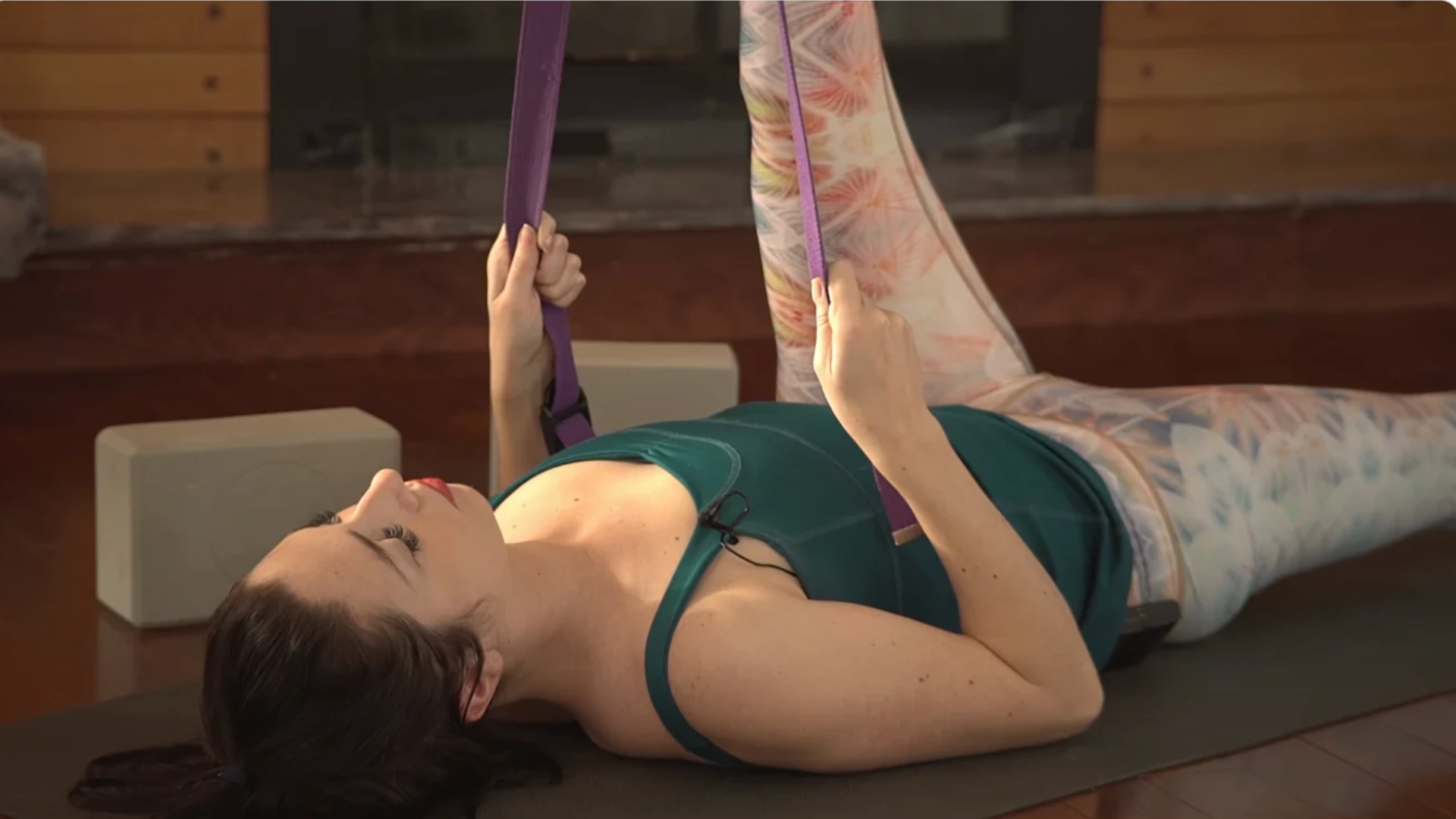
Reclined Hamstring Stretch
Leveraging the floor for structural support allows for deep posterior leg opening with minimal core stabilization required.
- Execution: Lying supine, a strap is looped around the ball of one foot, extending the leg toward the ceiling while the upper arms rest heavily on the mat.
- Anatomical Focus: Isolates the hamstring group and calves, reducing lower back tension that often stems from inflexible posterior chains.
- Modifications: Keeping the opposing leg bent with the foot flat on the floor protects the lower back; extending the opposing leg flat onto the mat increases the intensity of the hip flexor stretch on the grounded side.
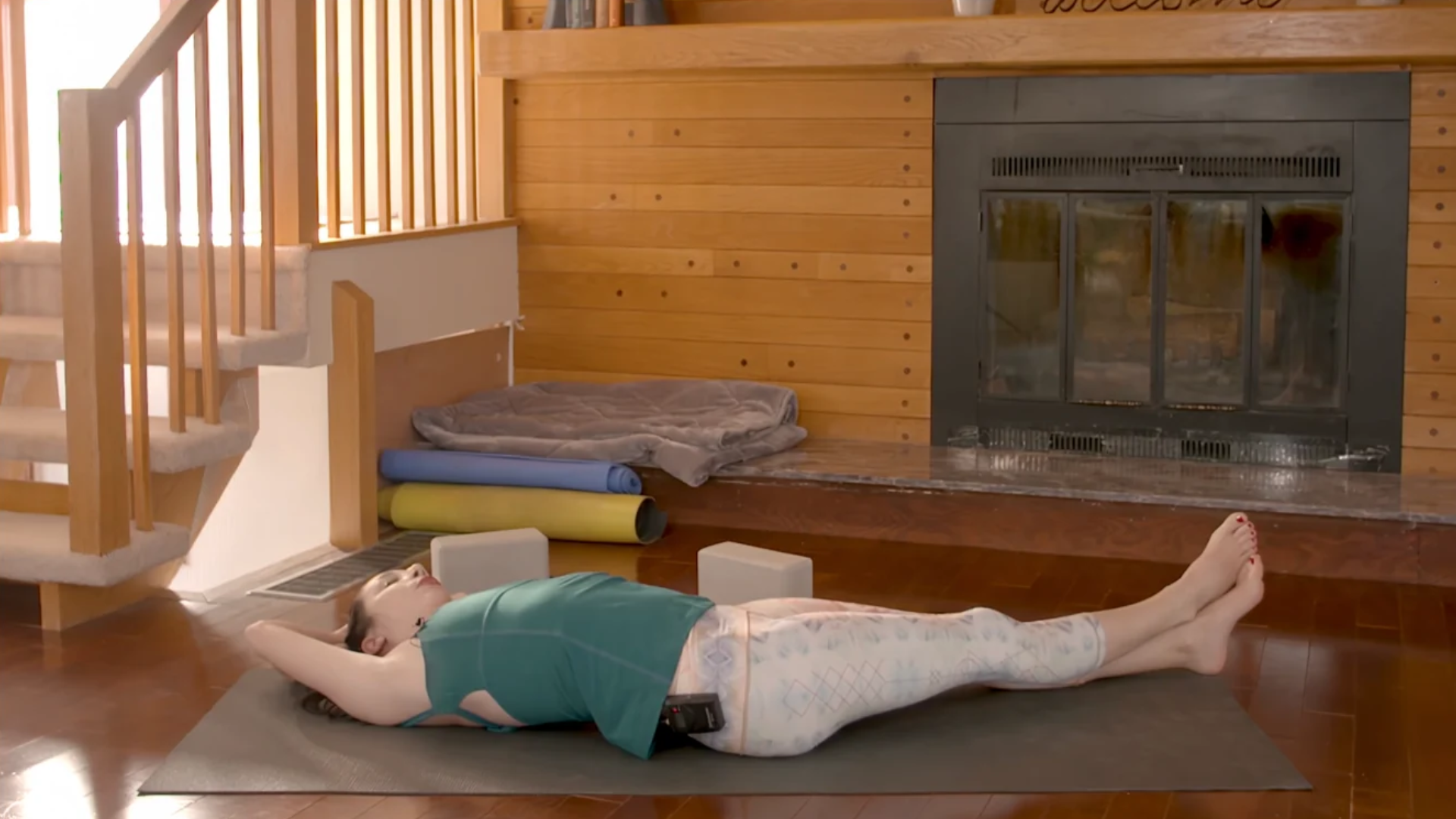
Banana Pose (Bananasana)
Lateral flexion is rare in daily movement patterns, making lateral body openers uniquely valuable for overall spinal health.
- Execution: Lying on the back, the hips are shifted to one side while the shoulders and ankles curve in the same direction, creating a crescent or "banana" shape.
- Anatomical Focus: Opens the lateral fascial lines, including the oblique abdominal muscles, intercostal muscles between the ribs, and the iliotibial (IT) band running down the outer thigh.
- Modifications: Practitioners can cross their ankles or clasp opposite elbows overhead to deepen the arc, provided the pelvis remains grounded.
Reclined Butterfly Pose (Supta Baddha Konasana)
Serving as a transitional rest posture, this shape invites passive opening of the adductor muscles.
- Execution: Lying supine, the soles of the feet are brought together while the knees drop open laterally.
- Anatomical Focus: Releases tension in the adductor longus, gracilis, and pectineus muscles of the inner thighs while opening the chest.
- Modifications: Placing blocks or cushions directly beneath the outer thighs prevents excessive strain on the internal groin tissues during extended holds.
Savasana (Corpse Pose)
The sequence concludes with total neurological integration.
- Execution: Lying fully extended on the back, limbs resting slightly away from the torso with palms facing upward.
- Anatomical Focus: Facilitates nervous system recovery, blood pressure regulation, and the physiological processing of the preceding physical stimulation.
Broader Industry Implications and Public Health Impact
The proliferation of accessible routines like this 35-minute Yin Yoga sequence reflects a broader democratization of physical therapy and preventative self-care. Healthcare economists note that corporate wellness initiatives and public health agencies are increasingly encouraging home-based movement practices to combat rising rates of chronic musculoskeletal disorders, which cost healthcare systems billions annually in lost productivity and treatment expenses.
Furthermore, the emphasis on mental well-being embedded within Yin Yoga—specifically breath-awareness and mindfulness—aligns closely with clinical recommendations for anxiety reduction and stress management. By stripping away performance-based metrics common in modern fitness culture, Yin Yoga validates a slower, highly individualized approach to physical health, ensuring that restorative practices remain available to aging populations, rehabilitating athletes, and stressed professionals alike.