Hidden Immune Shifts Surface a Decade Before Inflammatory Bowel Disease Diagnosis Opens New Avenues for Early Intervention

Groundbreaking research presented at UEG Week 2026 has revealed that subtle, yet profound, alterations occur within the human immune system up to ten years before the clinical manifestation and subsequent diagnosis of inflammatory bowel disease (IBD). This monumental discovery indicates that specific antibody patterns circulating in the bloodstream could eventually empower physicians to identify asymptomatic individuals at elevated risk of developing conditions such as Crohn’s disease and ulcerative colitis, while simultaneously offering predictive insights into the prospective severity of the illness.
Inflammatory bowel disease encompasses a spectrum of chronic, debilitating disorders characterized by persistent, relapsing inflammation of the gastrointestinal tract. Comprising primarily Crohn’s disease and ulcerative colitis, these conditions arise when the immune system malfunctions, mounting an inappropriate and destructive attack against the digestive system. Millions of people worldwide suffer from the physical toll of these chronic ailments, which frequently manifest with severe abdominal pain, persistent diarrhea, fatigue, and unintended weight loss. For decades, medical consensus has held that IBD begins its pathological journey long before clinical presentation triggers an official diagnosis. However, the precise immunological shifts occurring during this elusive, asymptomatic latency period have largely remained a mystery, cloaked behind the complexity of human immunology.
Unraveling a Decade of Immunological History
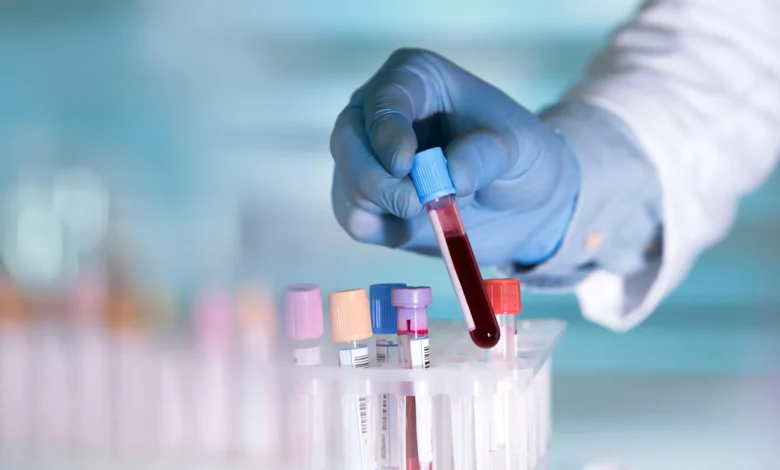
To bridge this critical knowledge gap and peer deep into the pre-diagnostic window, a dedicated team of researchers embarked on an extensive retrospective and prospective analysis. They examined a meticulously curated repository of 2,000 blood serum samples harvested from a cohort of 500 distinct participants. This cohort was strategically balanced to include 200 individuals who eventually developed Crohn’s disease, 200 who developed ulcerative colitis, and a control group of 100 healthy individuals matched for age and sex distribution.
The availability of longitudinal blood samples—spanning the exact moment of diagnosis as well as retrospective time points approximately two, four, and a decade prior—offered scientists a rare retrospective lens. This longitudinal framework permitted the research team to track backward through ten years of immune activity, charting the exact trajectory of immunological changes that predated the clinical recognition of the disease.
The analytical scale of the investigation was immense. The research team evaluated antibody reactions directed against approximately 357,000 distinct antigens. These antigens represented a vast array of biological entities, including environmental pathogens, bacteria, viruses, dietary components, and even the body’s own autoantigens. Antigens are defined as foreign or native substances capable of provoking an immune response, whereas antibodies are specialized Y-shaped proteins synthesized by the immune system to neutralize these specific targets. Across the entire repository of 2,000 samples, the investigators successfully cataloged and detected 123,980 unique antibodies, painting an unprecedentedly comprehensive picture of the pre-disease humoral immune landscape.
Distinct Immunological Signatures of Crohn’s Disease and Ulcerative Colitis
As the vast dataset was parsed, a striking and uniform pattern emerged. Individuals who were destined to develop either Crohn’s disease or ulcerative colitis exhibited a significantly diminished antibody diversity compared to their healthy counterparts. This restricted immunological repertoire implied that their immune systems operated with a remarkably narrower spectrum of antibody responses years before any overt intestinal inflammation became clinically apparent.
Furthermore, the data revealed clear bifurcations in the immunological signatures of the two primary forms of IBD, indicating distinct pathogenic pathways operating beneath the surface. Among participants who later developed Crohn’s disease, researchers observed notably elevated antibody responses directed against herpesviruses and bacterial flagellin. Flagellin serves as the primary structural protein comprising the flagella—the microscopic, tail-like appendages utilized by various motile bacteria for locomotion. Notably, these heightened immune reactions were particularly pronounced among individuals who eventually progressed to complicated phenotypes of Crohn’s disease or experienced pathology specifically localized to the ileum, the terminal segment of the small intestine.
Simultaneously, the study documented a progressive decline in antibody responses targeting encapsulated bacteria as the point of clinical diagnosis drew closer. Encapsulated bacteria possess a specialized protective outer polysaccharide coating that inherently shields them from standard immune surveillance and clearance mechanisms.
In contrast, participants who subsequently developed ulcerative colitis displayed a different immunological blueprint. While their antibody responses to herpesviruses and autoantigens exhibited a marked increase, their reactivity toward encapsulated pathogens experienced a corresponding decline. Autoantigens represent native macromolecular components of the host’s own tissues that, through pathological mechanisms, erroneously become targeted by a misdirected immune system. Collectively, these findings demonstrate unequivocally that the human immune system undergoes measurable, disease-specific deviations years prior to the manifestation of clinical IBD symptoms.
Artificial Intelligence and Machine Learning Propel Risk Prediction
To transition these complex immunological datasets into clinically actionable intelligence, the research team integrated sophisticated machine learning algorithms. Artificial intelligence models were deployed to evaluate whether these intricate antibody signatures possessed sufficient discriminatory power to reliably differentiate pre-diagnostic IBD patients from healthy control subjects.
The computational results exceeded expectations. Utilizing blood antibody profiles captured up to a decade prior to formal diagnosis, the predictive models successfully distinguished future Crohn’s disease cases from healthy controls with an area under the curve (AUC) of 0.90. For ulcerative colitis, the predictive model achieved a commendable AUC of 0.84. In biostatistical evaluation, the AUC metric quantifies a model’s discriminatory capacity; a score of 0.5 denotes performance no better than random chance, whereas a score of 1.0 represents flawless classification.
Beyond simply flagging future disease development, the machine learning models achieved another critical milestone. The analysis revealed that pre-diagnostic antibody patterns could effectively stratify patients, distinguishing those destined for complicated Crohn’s disease phenotypes from those who would maintain a less complicated clinical course. This prognostic stratification was successfully achieved approximately ten years prior to diagnosis, yielding an AUC of 0.85.
These revelations profoundly alter current medical paradigms. They suggest that routine or targeted blood antibody testing could eventually be leveraged not merely to screen for baseline IBD risk, but to proactively identify which patients will require aggressive, early therapeutic intervention to mitigate structural bowel damage.
Expert Insights and Implications for Clinical Practice
Addressing the scientific community at UEG Week 2026, lead author Dr. Arno Bourgonje emphasized the transformative nature of the findings. "It is fascinating to see that complicated CD at diagnosis is associated with a distinct antibody profile years before the first clinical symptoms and is not simply the consequence of disease progression after diagnosis," Dr. Bourgonje stated. He added, "Finding these patterns so early points to the potential of antibody profiling to support earlier risk detection, distinguish between disease subtypes and help identify patients who may benefit from more intensive therapy as early as possible."
Despite the profound promise of these discoveries, the research team maintains a rigorous, measured scientific stance, explicitly cautioning that the methodology is not yet optimized for immediate deployment in routine clinical screening programs. The current investigation establishes a vital and robust proof of principle, yet substantial investigative hurdles remain before these laboratory insights translate into bedside clinical tools.
Crucially, future scientific inquiries must validate these unique antibody signatures across independent, highly diverse, and prospectively monitored populations. Furthermore, researchers must definitively establish whether standalone or multiplexed antibody testing provides measurable clinical utility and additive value beyond established diagnostic indicators, such as polygenic risk scores, routine clinical assessments, and existing inflammatory biomarkers like C-reactive protein or fecal calprotectin. Any viable population-wide screening assay must ultimately prove to be exceptionally accurate, cost-effective, reproducible, and causally linked to verifiable enhancements in long-term patient outcomes.
Outlining the roadmap for future investigation, Dr. Bourgonje concluded, "The next priority is to validate these signatures in independent, more diverse and prospectively followed populations. We also need to determine their added value alongside genetic, clinical and other blood-based markers, translate the findings into a reproducible and affordable targeted assay and, ultimately, demonstrate that using such a test actually leads to better clinical outcomes."
Broader Medical Horizons and Future Outlook
The identification of these decade-long immunological precursors heralds a potential paradigm shift in gastroenterology and preventive medicine. Historically, management of inflammatory bowel disease has relied heavily on reactive strategies—treating patients only after irreversible structural damage, strictures, or fistulas have formed within the gastrointestinal tract.
By pushing the detection window back by ten years, medical science inches closer to a proactive, interceptive model of healthcare. If subsequent validation studies corroborate these findings, blood-based immune profiling could ultimately equip clinicians with a sophisticated diagnostic compass. Such a tool would allow healthcare systems to accurately forecast IBD risk years before the onset of suffering, parse distinct immunological subtypes of disease, and shield vulnerable patients through timely, personalized medical interventions designed to alter the natural history of inflammatory bowel disease altogether.