Chronic fatigue and a persistent sense of lethargy have become hallmark complaints of the modern era, leading researchers to focus their attention on the microscopic engines that drive human biology: mitochondria. Often described as the power plants of our cells, these organelles are responsible for generating adenosine triphosphate (ATP), the primary energy currency used by muscles, the brain, and the immune system. When mitochondrial function declines—a process frequently associated with aging and oxidative stress—the downstream effects include reduced physical performance, diminished cognitive sharpness, and a general malaise. Recent clinical investigations into a compound known as urolithin A have offered a potential, albeit preliminary, mechanism for addressing this cellular decline.
The scientific interest in urolithin A stems from its unique interaction with the body’s internal waste-disposal system, known as mitophagy. As cells age, mitochondria accumulate structural damage. Under normal conditions, the body initiates mitophagy to degrade and recycle these dysfunctional organelles, replacing them with newer, more efficient versions. However, this process often loses efficiency over time, leading to an accumulation of "sluggish" mitochondria that contribute to the feeling of being chronically tired.
A randomized, double-blind, placebo-controlled trial involving 50 healthy adults recently scrutinized the impact of 1,000 mg of urolithin A administered daily over a 28-day period. The findings, which analyzed changes within the immune cells of participants, provided a compelling look at how this compound might influence cellular health. While the results suggest a measurable uptick in mitochondrial recycling and biogenesis, they also highlight the significant gap between cellular-level observations and tangible, systemic improvements in human health.
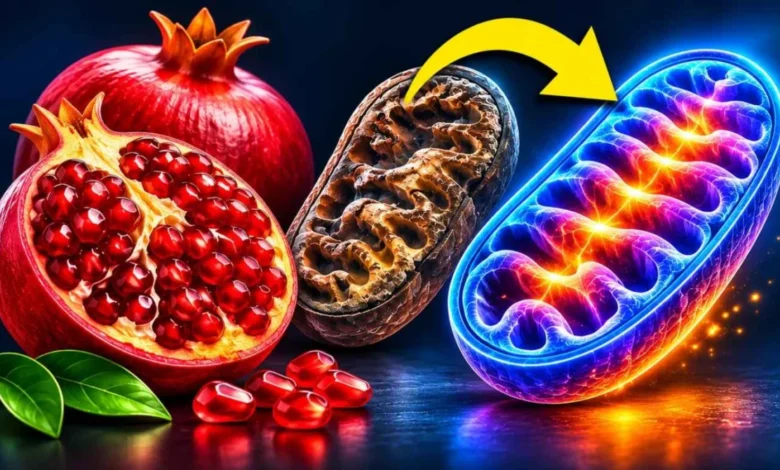
The Mechanism: From Pomegranate to Mitochondria
Urolithin A is not a compound typically found in its active form in nature. Instead, it is a postbiotic metabolite produced by gut microflora after the consumption of ellagitannins, which are polyphenols found in pomegranates, raspberries, strawberries, and walnuts. The transformation of these dietary precursors into urolithin A is entirely dependent on the specific composition of an individual’s microbiome. Consequently, the ability to produce urolithin A varies wildly across the population. Some individuals possess the precise bacterial strains required to convert these foods into the beneficial compound, while others may derive little to no direct benefit from consuming the source foods themselves.
This biological variability makes a "one-size-fits-all" dietary recommendation difficult. For those lacking the necessary gut bacteria, the metabolic benefits of urolithin A remain inaccessible through diet alone. This limitation has driven the development of synthetic or concentrated supplements, which bypass the intestinal fermentation process by delivering the compound directly into the system.
Clinical Trial Chronology and Data Analysis
The recent 28-day study was structured to identify biomarkers of mitochondrial health in a controlled setting. Participants were monitored for changes in gene expression and mitochondrial efficiency within their immune cells. The study reported that those in the treatment group, who received 1,000 mg of urolithin A daily, exhibited a clearer signature of mitochondrial biogenesis—the creation of new, healthy mitochondria—compared to the placebo group. Furthermore, researchers observed an approximate 15% increase in energy production efficiency from fatty acids within the cellular samples.
However, it is imperative to contextualize these findings. The study specifically measured cell-level markers; it did not track patient-reported outcomes, such as a subjective reduction in fatigue or an increase in daily energy levels. This distinction is critical for medical professionals and the public alike. In clinical research, a biological improvement (such as enhanced mitochondrial recycling) does not always correlate with a clinically significant change in physical performance or quality of life.
Historically, this trial builds upon previous, longer-term studies that followed participants over several months. Those earlier investigations suggested that improvements in mitochondrial function could lead to measurable gains in muscle strength and exercise endurance. Taken together, the evidence suggests a positive trajectory for urolithin A research, yet it remains in the "early evidence" phase. The medical community maintains that while the data is promising, it is premature to classify urolithin A as a cure for chronic fatigue or metabolic disorders.

The Role of Essential Micronutrients
While the buzz surrounding urolithin A focuses on its unique ability to "recharge" cells, it does not function in a vacuum. The human body relies on a complex web of cofactors to sustain energy production. Magnesium, for example, is essential for the stabilization and production of ATP. B-complex vitamins, particularly B12 and folate, are critical for the metabolic pathways that convert dietary intake into cellular energy.
Clinical guidelines emphasize that the benefits of supplementation are generally limited to those who are deficient. If an individual maintains adequate levels of magnesium and B vitamins through a balanced diet, there is little evidence to suggest that adding more will provide a performance boost. Conversely, indiscriminate supplementation can pose risks. For instance, individuals with compromised renal function must be cautious with magnesium intake, as the kidneys are responsible for regulating its concentration in the blood. Before embarking on any supplementation regimen—whether for urolithin A, magnesium, or B vitamins—standard medical advice dictates that patients should undergo blood panels to identify actual deficiencies rather than assuming a "more is better" approach.
Safety, Regulations, and Future Implications
The safety profile of urolithin A is still being established through ongoing research. While short-term studies have not indicated severe adverse events, the long-term impacts of consistent, high-dose ingestion are currently unknown. In the United States and many other jurisdictions, supplements are not regulated with the same rigor as pharmaceuticals, meaning that purity, potency, and label accuracy can vary between manufacturers.
The broader implication of this research is the shift toward "mitochondrial medicine." If future, large-scale human trials confirm that urolithin A can effectively boost mitophagy in older populations or those suffering from age-related decline, it could become a standard intervention for maintaining physical resilience in later life. However, consumers are cautioned against using such supplements to mask the symptoms of underlying health issues.
Persistent tiredness is a non-specific symptom that can be triggered by a wide array of conditions, including anemia, thyroid dysfunction, sleep apnea, depression, or chronic inflammation. Relying on a supplement to manage fatigue without consulting a physician may result in the delay of a necessary diagnosis for a serious, underlying condition. The "quick fix" allure of energy-boosting compounds often overlooks the importance of foundational lifestyle factors: consistent sleep hygiene, regular physical activity, and a diet rich in whole foods, which continue to be the primary drivers of metabolic and mitochondrial health.
Expert Guidance and Practical Recommendations
For those interested in exploring urolithin A, the consensus among researchers is to prioritize caution and clinical oversight. Experts suggest that if a trial of the supplement is deemed appropriate by a healthcare provider, it should be approached as a potential addition to—not a replacement for—a healthy lifestyle. Because urolithin A is fat-soluble, clinical protocols often suggest taking it with a meal containing healthy fats to optimize absorption.
Furthermore, the "mitochondrial checklist" often touted in wellness circles includes habits that are scientifically proven to enhance mitochondrial health independently of supplements:
- Aerobic Exercise: Regular cardiovascular activity is one of the most potent triggers for mitochondrial biogenesis.
- Caloric Moderation: Intermittent fasting or simply avoiding chronic overconsumption is linked to more efficient mitochondrial turnover.
- Cold and Heat Exposure: While more experimental, some studies suggest that thermal stress can stimulate mitochondrial efficiency.
- Sleep Optimization: High-quality sleep is when the body performs the bulk of its cellular repair and maintenance.
As the scientific community continues to peel back the layers of how we might influence our own cellular health, urolithin A stands as a testament to the potential of nutritional science. However, the path from a pomegranate extract to a validated clinical treatment is long. Until more robust, long-term human data is available, the most effective strategy for managing one’s energy remains a comprehensive medical evaluation and a focus on the well-established pillars of health. Patients are encouraged to discuss these findings with their primary care providers, ensuring that any new intervention is tailored to their unique physiological needs and medical history.