Stuffed Poblano Peppers: A Nutritional and Culinary Overview of a Modern Vegetarian Staple

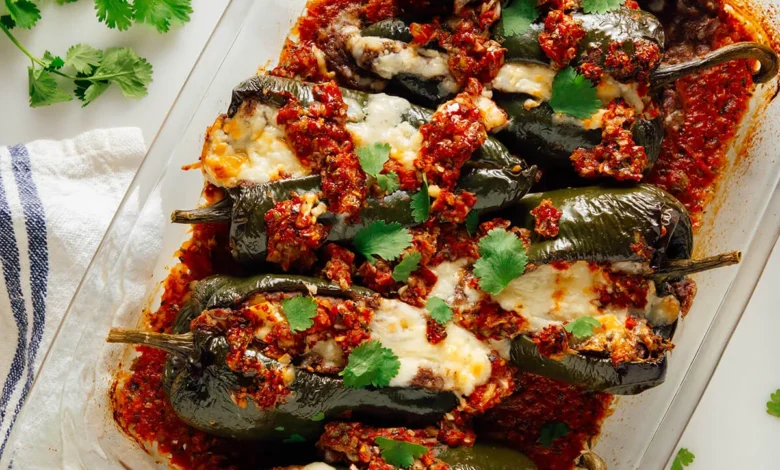
The culinary landscape has undergone a significant transformation over the last decade, with plant-forward, nutrient-dense meals transitioning from niche diet preferences to mainstream household staples. Among these, the stuffed poblano pepper has emerged as a particularly effective vehicle for delivering high-protein, fiber-rich nutrition without the reliance on animal-based proteins. Characterized by their mild heat and structural integrity, poblano peppers—native to the state of Puebla, Mexico—have become a favored ingredient for home cooks seeking a hearty, vegetarian-friendly alternative to traditional, calorie-heavy comfort foods.
The Nutritional Profile of the Stuffed Poblano
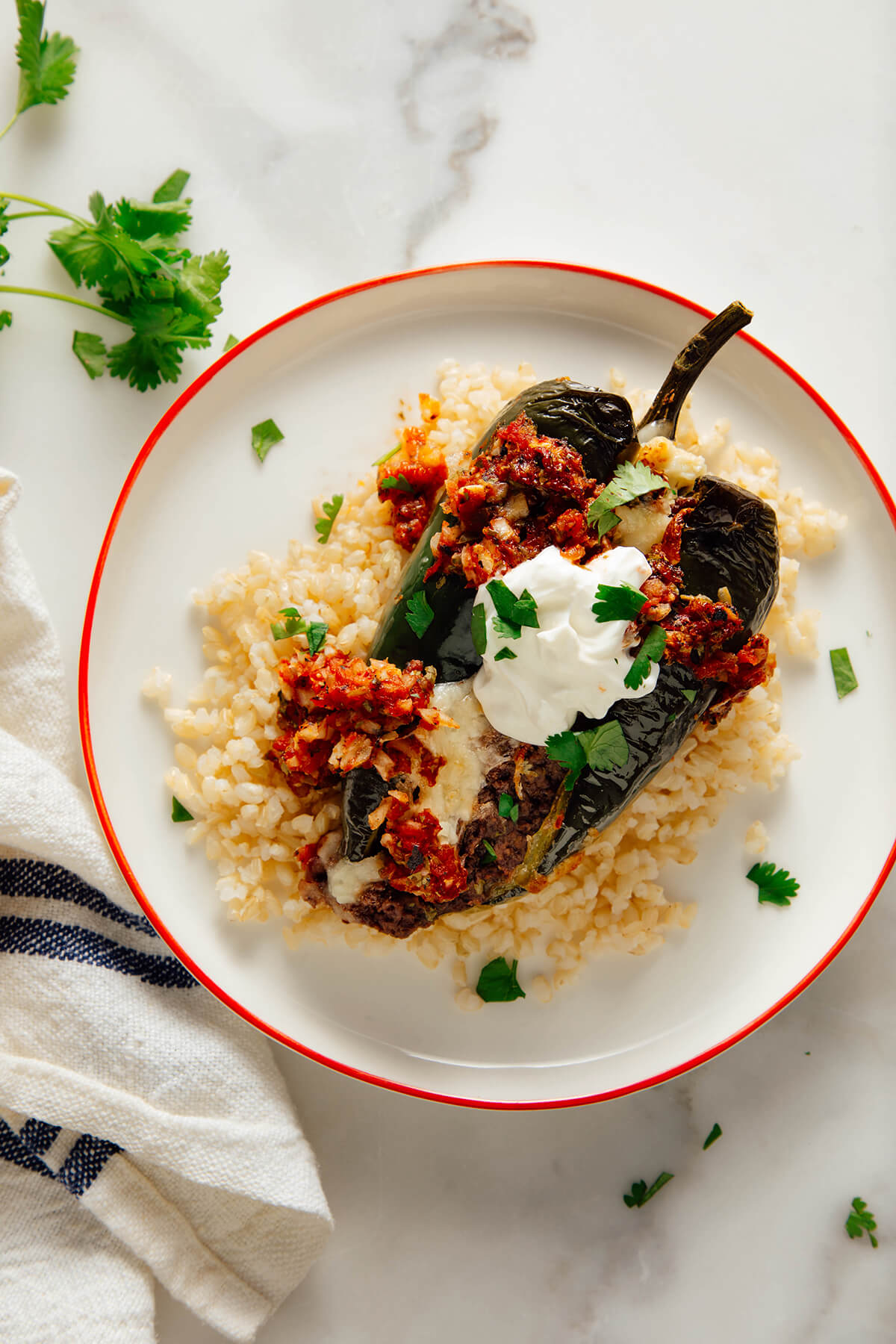
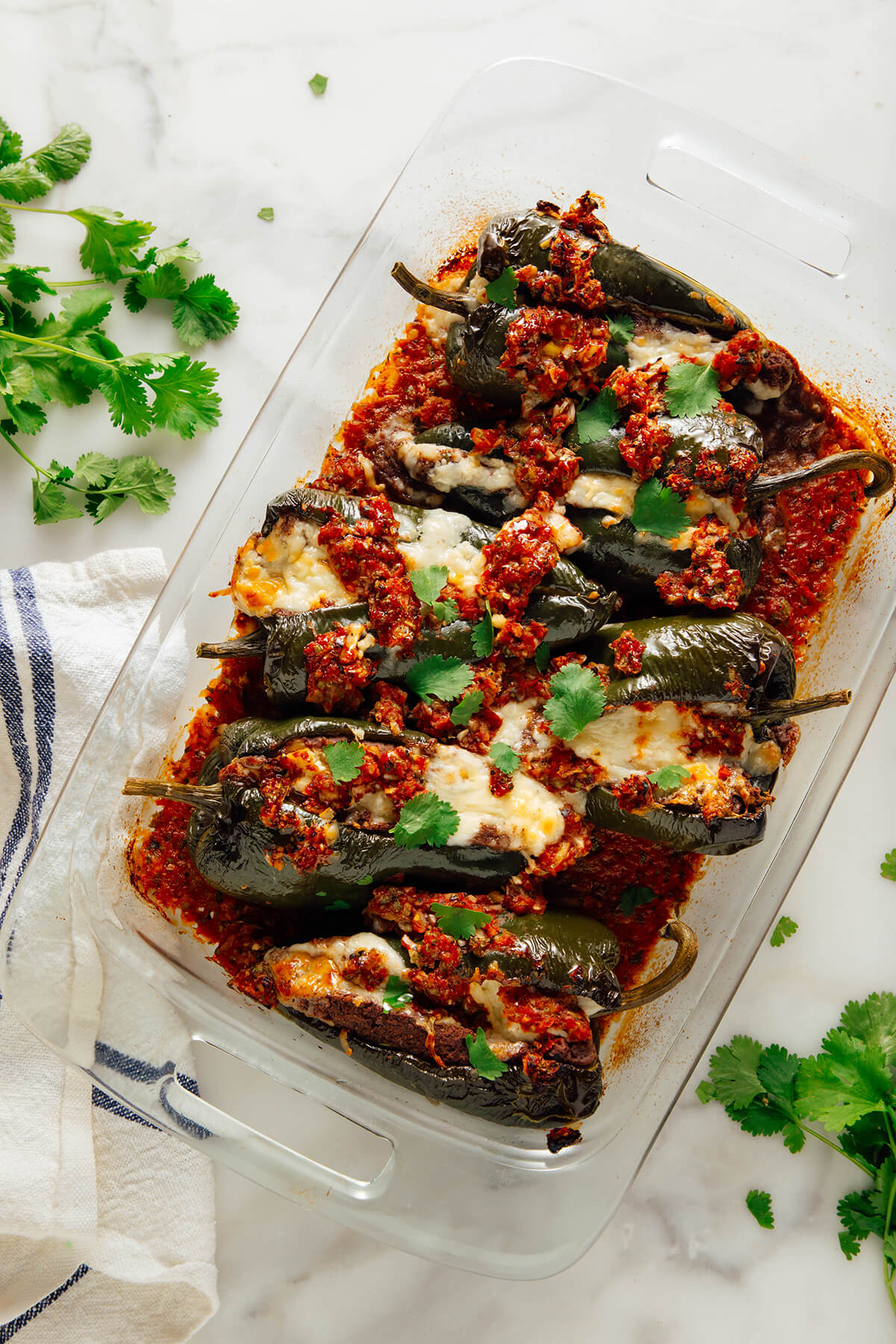
From a nutritional perspective, the modern iteration of the stuffed poblano pepper represents a strategic balance of macronutrients. A single serving of these peppers, when prepared with a base of seasoned, blended black beans and dual-cheese fillings, delivers approximately 20 grams of protein. This figure is significant, as it rivals the protein content of many traditional meat-based entrées.
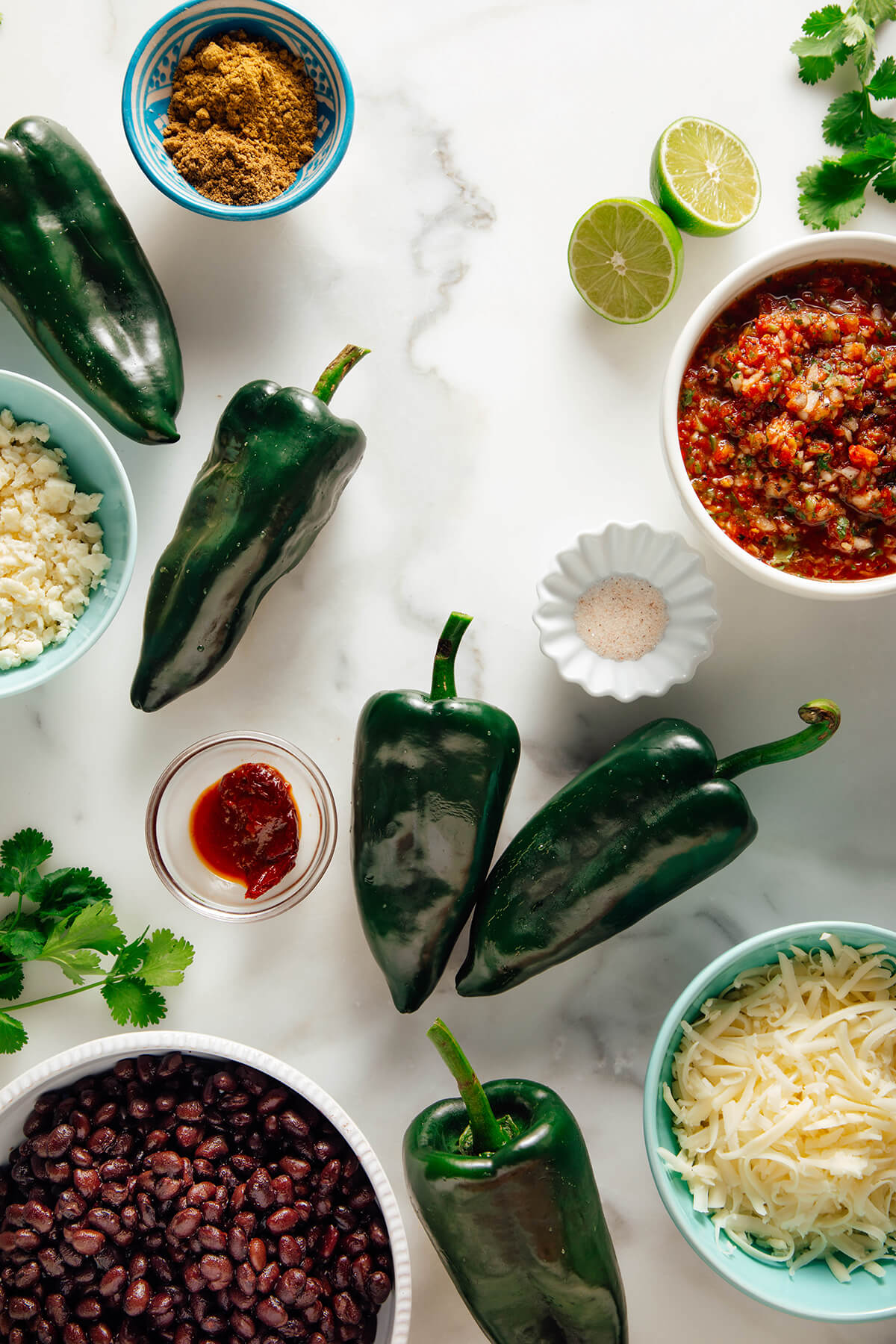
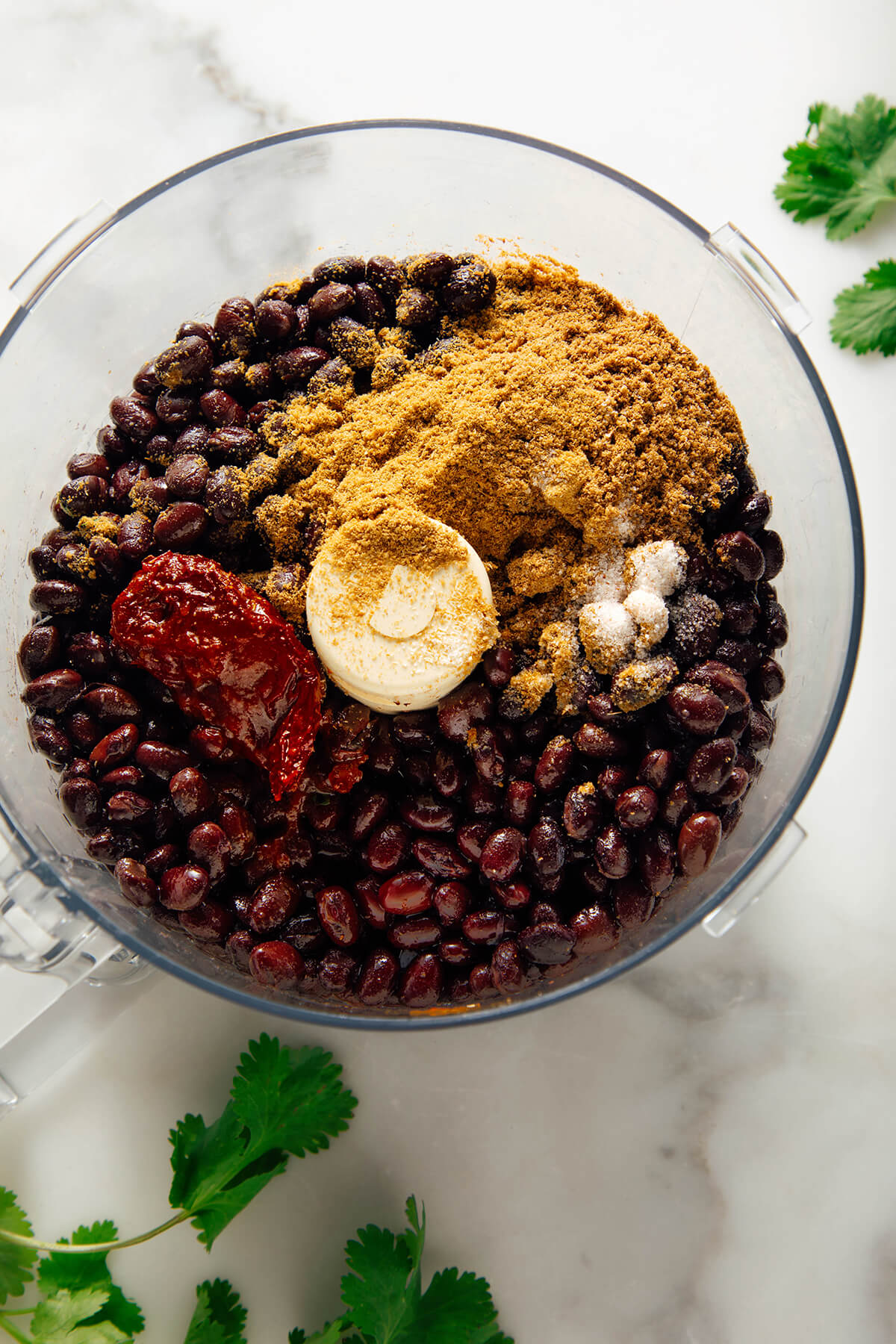
Black beans (Phaseolus vulgaris) are a cornerstone of this dish, providing essential complex carbohydrates and dietary fiber. When blended, they create a dense, satisfying texture that mimics the mouthfeel of ground meat, thereby increasing the satiety factor of the meal. The integration of cheese—typically a blend of sharp and creamy varieties—not only enhances the flavor profile but also contributes calcium and high-quality lipids, which are essential for nutrient absorption.
Historical Context and Culinary Evolution
The poblano pepper has long been a staple of Mexican cuisine, most notably as the primary component in Chile Relleno. However, the contemporary trend toward "streamlined" cooking has led to the development of simplified preparation methods that remove the need for traditional deep-frying or elaborate egg-batter coating.
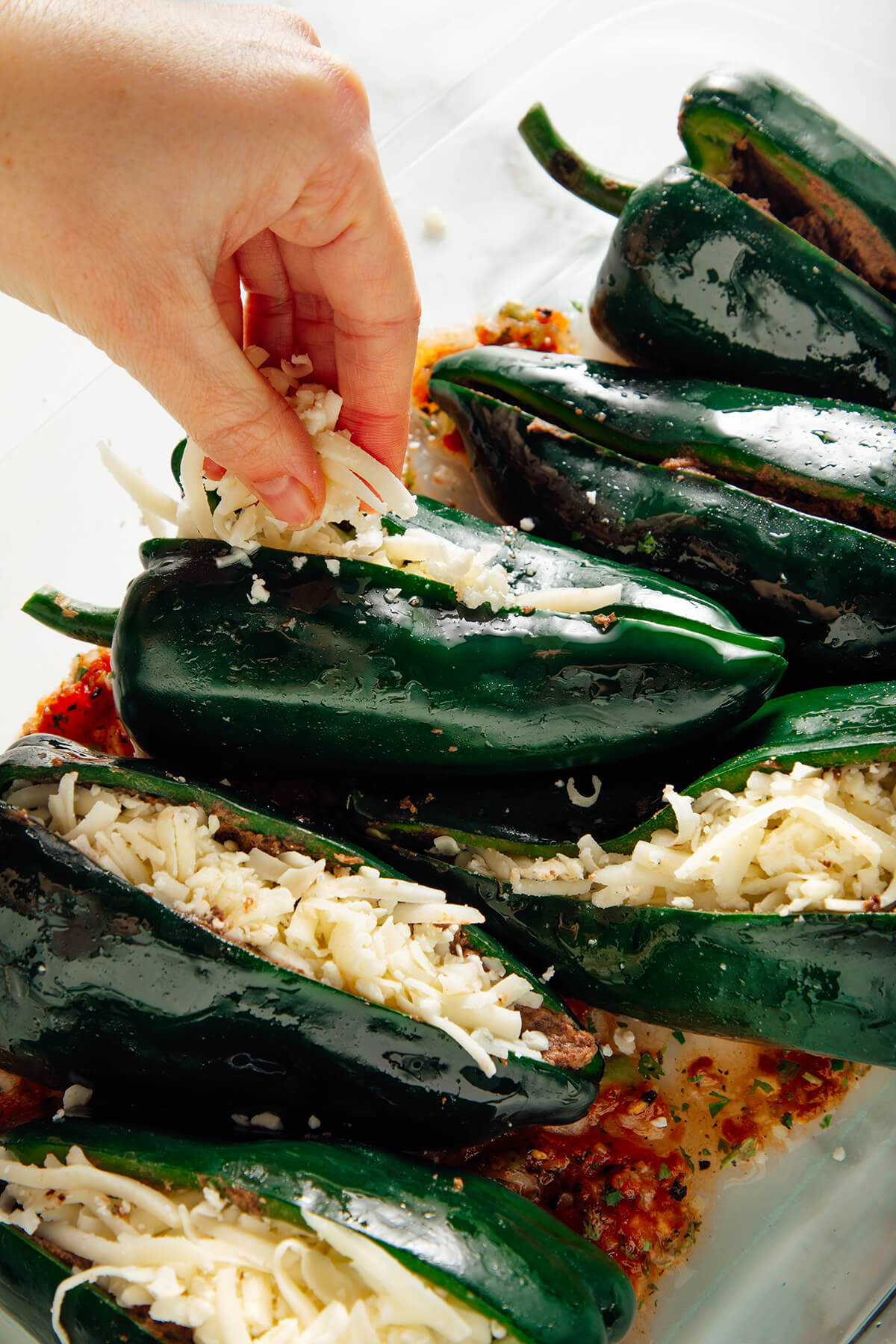
In the late 2010s and early 2020s, food researchers and home-cooking advocates began focusing on methods to reduce the "barrier to entry" for complex vegetable dishes. The current approach—which utilizes a two-layer salsa technique—represents a move toward accessibility. By placing a layer of salsa underneath the peppers to prevent scorching and drizzling a second layer on top to maintain moisture during the baking process, the dish achieves a tender, caramelized finish that was previously difficult to replicate in a standard residential oven.
Chronology of Preparation and Efficiency
The shift toward efficient home cooking has prioritized the optimization of prep time. The modern standard for preparing stuffed poblanos involves a systematic, three-stage process:
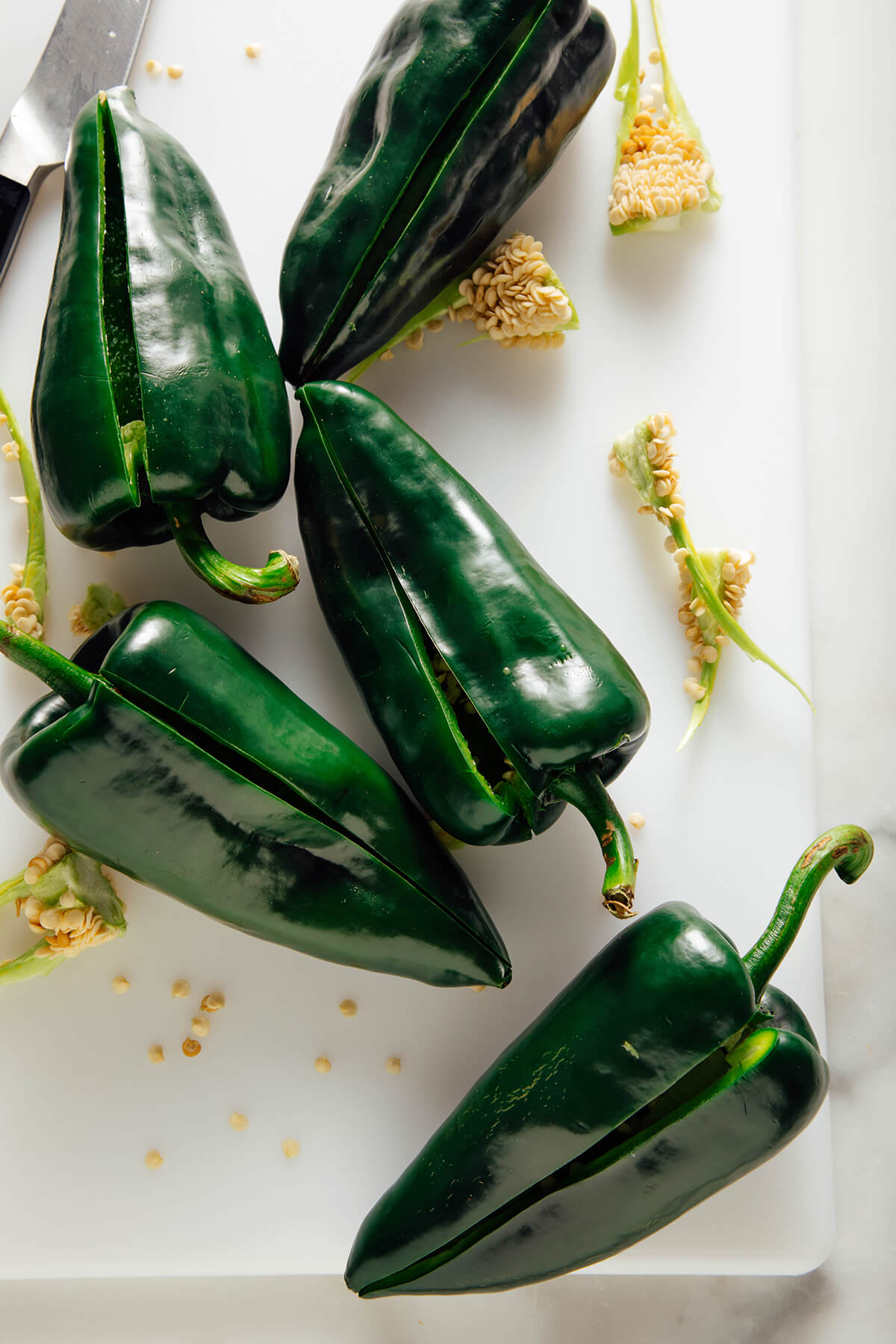
- The Prep Phase: Initial preparation involves cleaning and longitudinal slicing of the peppers. Chefs emphasize the importance of removing the internal ribs and seeds, which contain the majority of the capsaicin, to maintain the pepper’s characteristic mild flavor profile.
- The Filling Phase: The creation of a protein-rich puree is critical. Blending seasoned black beans with specific aromatics ensures that the stuffing maintains a cohesive texture throughout the roasting process.
- The Thermal Phase: Roasting at high temperatures (typically between 375°F and 400°F) allows for the Maillard reaction—a chemical reaction between amino acids and reducing sugars—which gives the cheese its golden-brown crust and the pepper its distinct, smoky sweetness.
Broader Market Impact and Consumer Trends
Data from recent dietary surveys indicate that consumers are increasingly seeking "meat-free" meals that do not compromise on volume or density. This shift is particularly evident during the autumn and winter months, when consumer demand for "comfort foods" rises. The stuffed poblano pepper sits at the intersection of this trend, offering the psychological satisfaction of a hearty, oven-baked casserole with the health benefits of a high-fiber, vegetable-based meal.
Industry analysts note that the rise of such recipes is linked to broader shifts in grocery consumption patterns. There is a documented increase in the purchase of shelf-stable legumes (such as black beans) and fresh produce in the United States, particularly among demographics aged 25–45. The popularity of the stuffed poblano is a microcosm of a larger movement toward "perceived-effort cooking"—dishes that appear sophisticated and time-consuming but are, in fact, structurally simple to execute.
Supporting Data and Dietary Considerations
For those navigating specific dietary requirements, the stuffed poblano is frequently cited as a versatile "base" dish. By design, the recipe is naturally vegetarian, gluten-free, and nut-free. This makes it an ideal candidate for households with multiple dietary restrictions.
Nutritional experts often highlight that the fiber content provided by the poblano pepper—a rich source of Vitamins A, C, and K—complements the protein from the black beans. When served alongside nutrient-dense side dishes like esquites (Mexican street corn salad) or fresh greens with a citrus-based dressing, the meal provides a complete amino acid profile and a wide spectrum of micronutrients.
Expert Perspectives and Culinary Best Practices
Culinary professionals emphasize that the success of the dish relies heavily on the quality of the raw ingredients. The choice of salsa, for instance, serves as the primary seasoning agent for the entire dish. A robust, vine-ripened red salsa provides the acidity necessary to cut through the richness of the melted cheese, balancing the dish’s flavor profile.
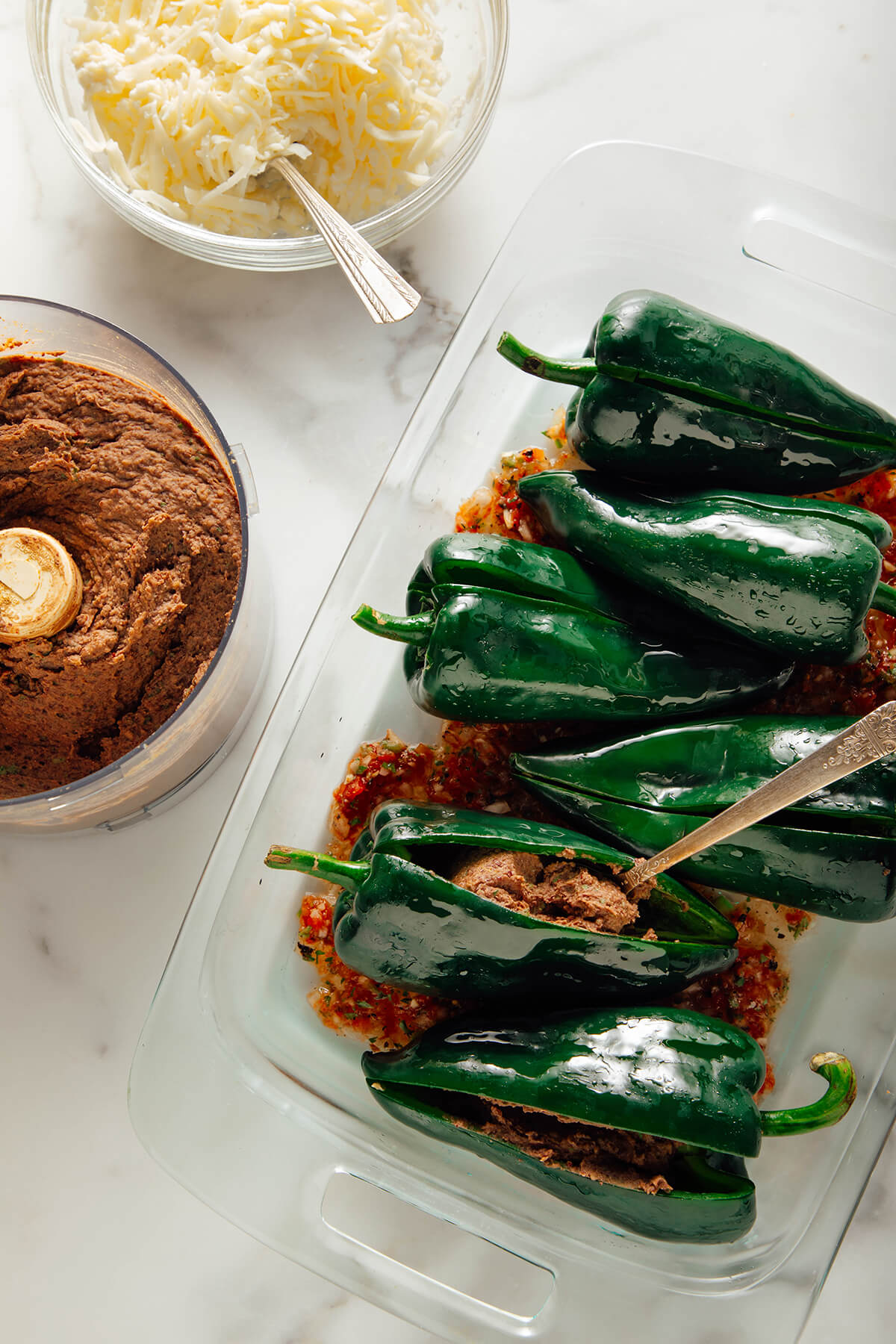
Furthermore, the "layering" technique is not merely a matter of presentation. It is a functional cooking strategy that creates a controlled environment for the pepper to steam and roast simultaneously. As the pepper softens, the sugars within the skin caramelize, which is vital for achieving the depth of flavor that distinguishes a high-quality stuffed pepper from a bland vegetable serving.
Future Implications for Home Cooking
As the culinary world continues to embrace plant-centric entrées, the trajectory for recipes like the stuffed poblano is one of continued refinement. Future iterations are expected to incorporate a wider array of ancient grains (such as quinoa or amaranth) to further diversify the protein sources, as well as a greater emphasis on locally sourced, heirloom varieties of peppers.
The enduring popularity of this dish suggests that it is not a passing trend but a permanent addition to the modern repertoire. By prioritizing accessible techniques and nutrient-dense ingredients, the stuffed poblano pepper serves as a blueprint for the future of domestic, health-conscious cooking. As home cooks continue to prioritize efficiency without sacrificing culinary quality, the demand for such "hearty-but-healthy" options is projected to remain robust, particularly as the culinary community focuses on sustainable, plant-based alternatives to traditional meat-heavy comfort foods.
In summary, the transition of the stuffed poblano pepper from a regional specialty to a globally recognized vegetarian staple reflects a deeper cultural shift toward informed, intentional eating. Through a combination of nutritional density, ease of preparation, and versatility, it stands as a testament to the potential of vegetables to form the centerpiece of a satisfying, complete meal.