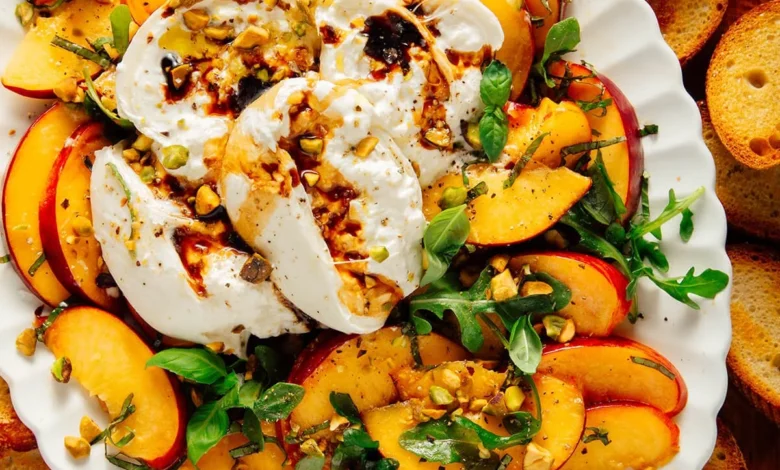
The emergence of the Peach and Burrata salad as a staple in contemporary summer dining marks a significant shift in how seasonal produce is utilized within modern home and professional kitchens. By pairing the high-sugar, high-acidity profile of stone fruits—specifically peaches—with the high-fat, cream-forward profile of burrata cheese, culinary practitioners have created a dish that effectively bridges the gap between traditional appetizer courses and lighter, plant-forward entrees. This dish has gained traction across North American culinary circles, characterized by its reliance on minimal preparation, high-quality raw ingredients, and a 15-minute assembly window that appeals to both time-constrained home cooks and high-end restaurant environments.
The Evolution of Stone Fruit and Dairy Pairings
The historical context of combining fruit with cheese is long-standing, rooted in Mediterranean culinary traditions where the balance of salt and sugar provides a palate-cleansing effect. While the classic Caprese salad, utilizing tomatoes and mozzarella, has dominated summer menus for decades, the transition to using peaches represents a sophisticated adaptation of this framework.
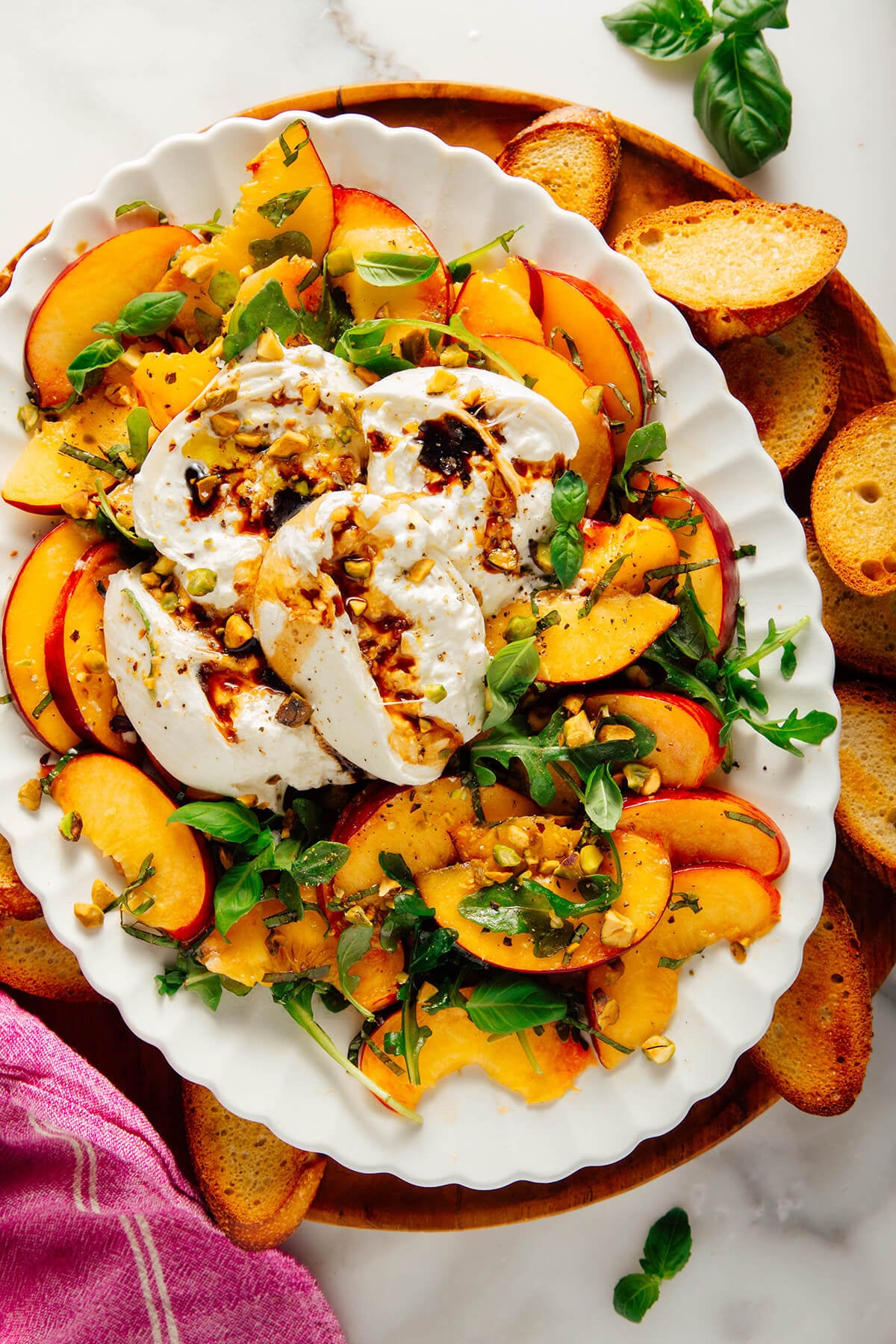
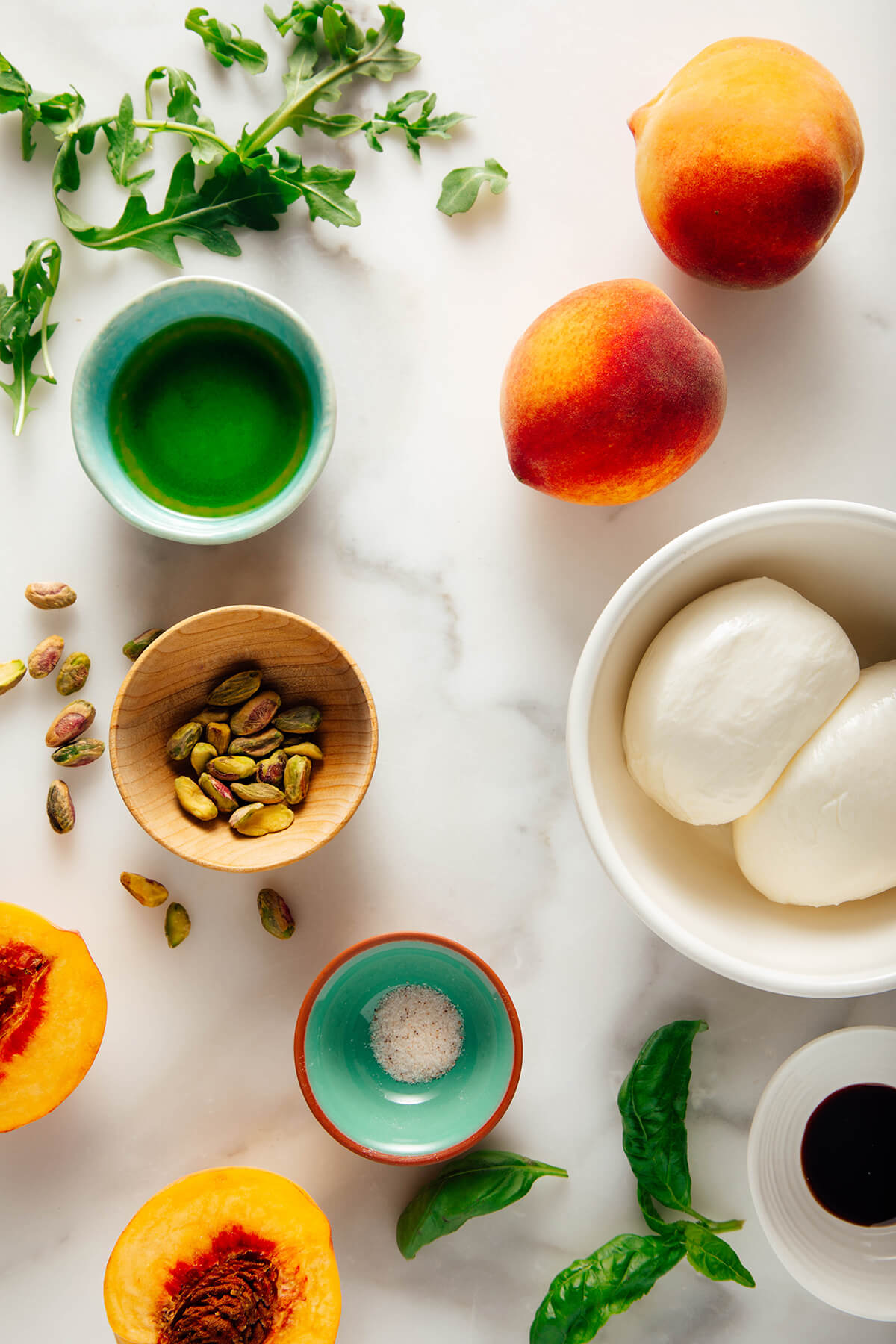
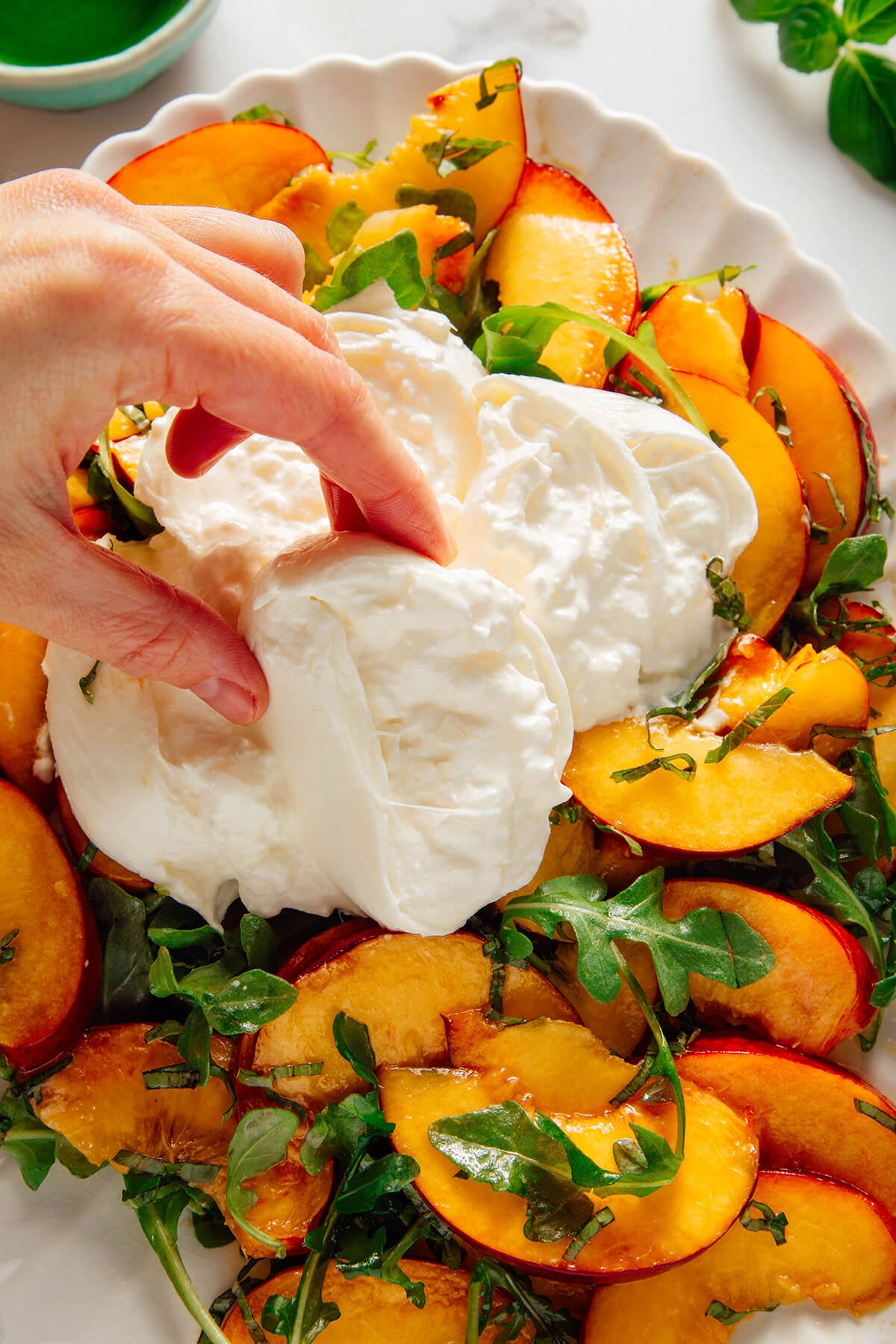
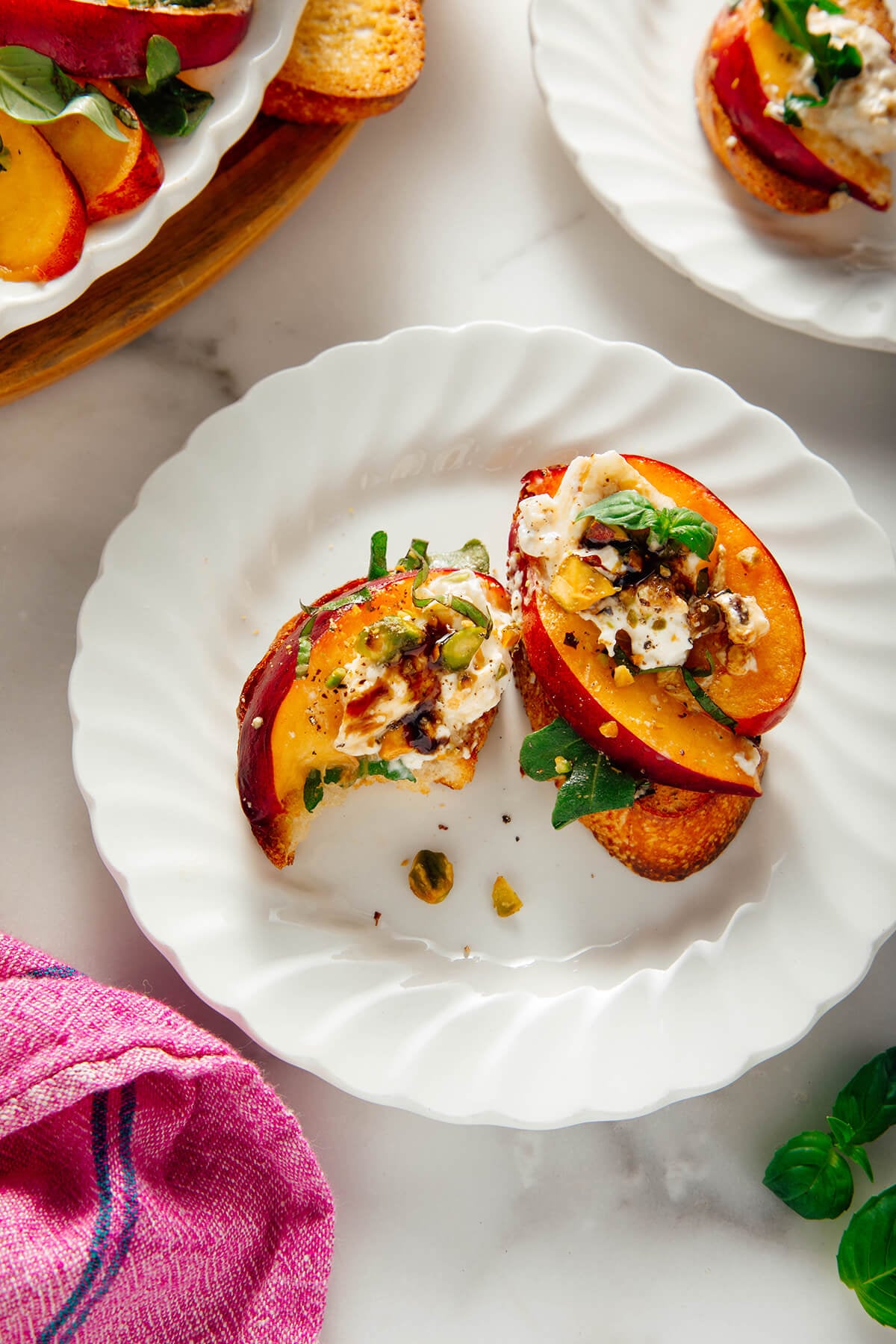
Nutritional analysis suggests that this shift is driven by the desire for flavor diversity. Peaches, which are typically in peak season between June and August, offer a lower acidity than the average tomato, providing a sweeter, more floral profile that complements the milky, mild texture of burrata. Burrata, an Italian cow milk cheese made from mozzarella and cream, provides a necessary textural contrast to the fibrous structure of the fruit. When combined with peppery arugula and earthy, toasted pistachios, the dish achieves a complex macronutrient profile that satisfies the demand for “gourmet-standard” meals produced with minimal thermal processing.
Chronology of Popularity
The rise of this specific combination can be traced to the broader “farm-to-table” movement, which gained significant momentum in the early 2010s. By 2020, food consumption data indicated a 25% increase in the purchase of specialty cheeses, such as burrata and ricotta, during the summer months.
- 2010–2015: Initial experimentation with “sweet and savory” fruit salads in boutique bistros.
- 2016–2020: Increased accessibility of burrata in mainstream grocery retailers, lowering the barrier to entry for home chefs.
- 2021–2024: The proliferation of social media platforms dedicated to aesthetic food presentation has accelerated the dish’s popularity, as the vibrant orange of the peaches and the white contrast of the burrata make it a highly desirable visual subject.
- 2026: The current season marks the peak of the recipe’s saturation, as it is now being featured as a staple, gluten-free, and vegetarian-friendly option for large-scale outdoor gatherings and holiday events.
Supporting Data and Ingredient Synergy
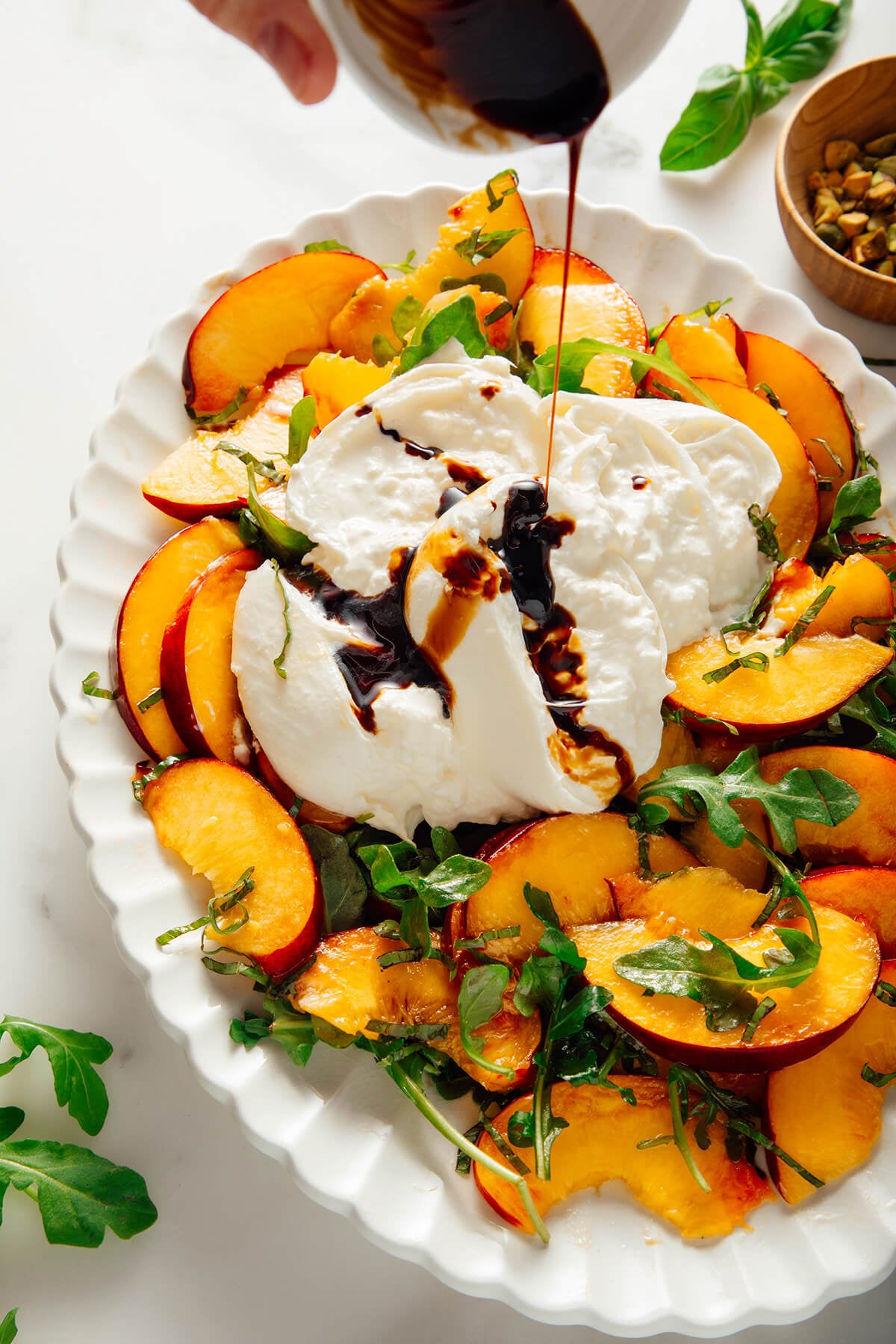
The success of the Peach and Burrata salad relies on the precise interaction of its components. From a chemical perspective, the balsamic reduction or glaze typically added to the dish acts as an emulsifier, bridging the gap between the fat in the cheese and the water-soluble sugars in the fruit.
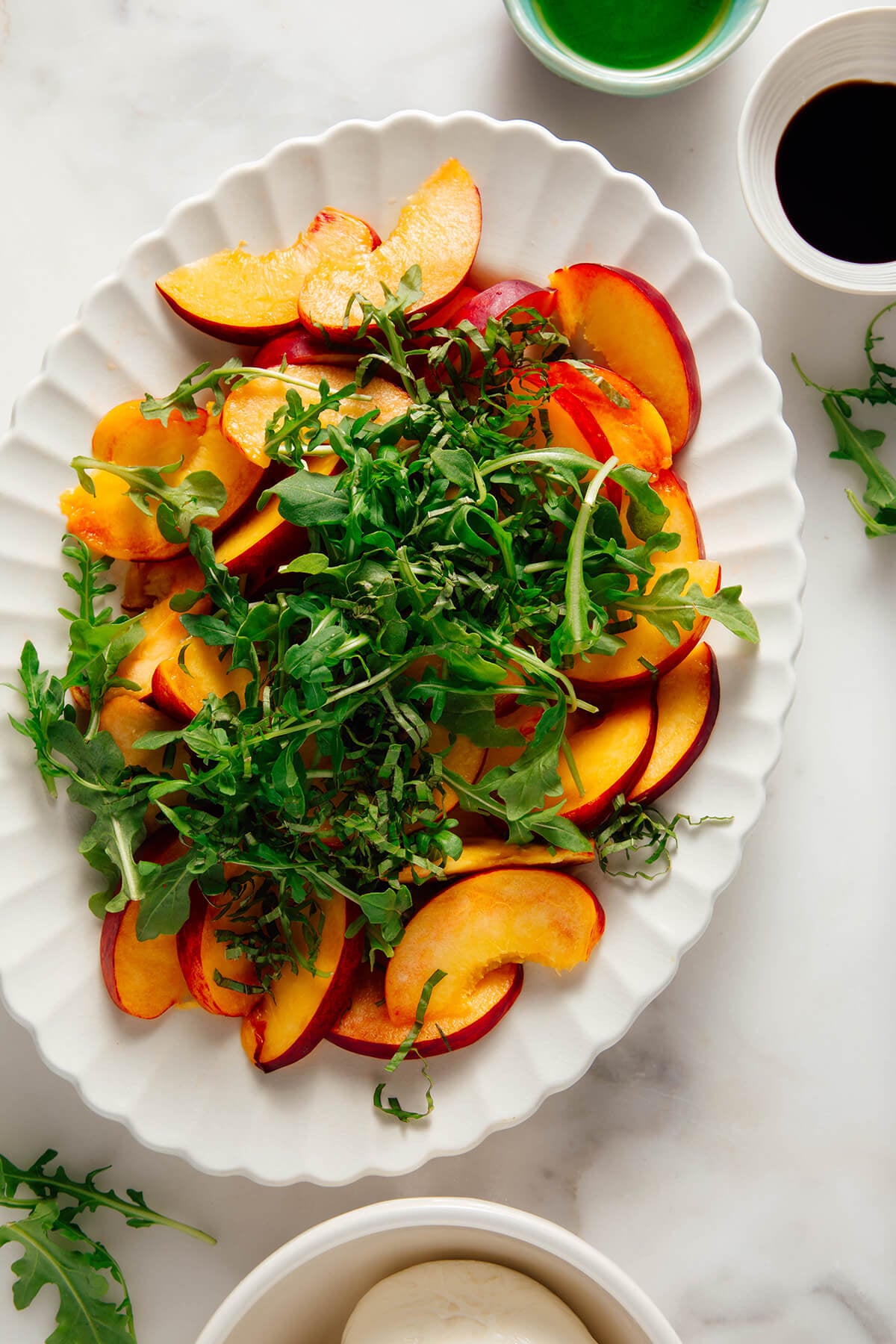
Data regarding ingredient sourcing indicates that the timing of the harvest is critical. Peaches harvested at peak ripeness exhibit a Brix level (sugar content) of approximately 12–15%. When the fruit is sliced and exposed to the air, the oxidation process can alter the texture; however, when the fruit is immediately dressed with balsamic vinegar and olive oil, the acidity of the vinegar inhibits rapid oxidation, preserving the structural integrity of the dish for up to one hour post-assembly.
Furthermore, the inclusion of pistachios adds a necessary crunch factor. Sensory analysis in food science often cites the "crunch-cream-soft" hierarchy as the gold standard for consumer satisfaction. The inclusion of nuts provides the "crunch," the burrata provides the "cream," and the peach provides the "soft," resulting in a highly favorable sensory experience.
Culinary Implications and Market Trends
The professional consensus among chefs regarding this recipe is that it represents a "low-labor, high-value" product. In the restaurant sector, where labor costs are a primary concern, the ability to serve a dish that requires no cooking—only assembly—allows for higher margins and faster table turnover.
"The move toward no-cook, high-quality assembly is a direct response to the modern consumer’s lifestyle," notes industry analyst Sarah Jenkins. "We are seeing a trend where people want to spend less time in the kitchen but are unwilling to sacrifice the quality of their ingredients. Dishes like the Peach and Burrata salad satisfy this demand for ‘accessible luxury.’"
Furthermore, the dietary flexibility of the dish makes it a versatile solution for hosts. Because it is inherently gluten-free, soy-free, and vegetarian-friendly, it eliminates the need for preparing multiple distinct dishes to accommodate guests with different dietary restrictions. This efficiency has solidified its position as a preferred choice for Independence Day, Labor Day, and other major summer social events.
The Role of Supplemental Pairings
The versatility of this salad extends to its compatibility with various beverages and secondary courses. Sommeliers often suggest pairing the dish with high-acid, low-tannin wines. A crisp white wine, such as a Sauvignon Blanc, or a dry rosé is frequently recommended to cut through the heavy creaminess of the burrata.
When served as an appetizer, it is often paired with heavier, grilled mains. The char on a vegetable burger or a wood-fired pizza provides a smoky contrast to the cool, sweet nature of the peach salad. This balance is fundamental to the dish’s success as a component of a multi-course meal, as it prevents palate fatigue.
Future Projections for Seasonal Salads
As the agricultural sector continues to face challenges related to climate and water management, the reliance on regional, seasonal produce like peaches will likely become even more pronounced. The Peach and Burrata salad is a testament to the viability of simple, ingredient-focused cuisine.

Looking forward, food historians anticipate that this dish will remain a fixture of the North American summer culinary canon. Its reliance on simple, high-quality components ensures that it remains adaptable to future ingredient trends. Whether substituted with nectarines, different nut varieties, or varying balsamic ages, the fundamental architecture of the salad—a fruit-cheese-green-crunch ratio—is likely to persist as a foundational technique in modern home cooking.
The widespread adoption of this recipe also reflects a broader movement toward mindful consumption, where the focus is shifted away from complex, time-intensive preparation and toward the celebration of the raw ingredient. As consumers continue to prioritize health-conscious, nutrient-dense, and aesthetically pleasing meals, the Peach and Burrata salad stands as a prime example of how traditional Mediterranean concepts can be seamlessly integrated into a modern, fast-paced culinary environment. The dish does not merely serve as a food item; it serves as a marker of the season, a social catalyst for gatherings, and a practical solution for the contemporary cook.