Lower back discomfort remains one of the most pervasive physical complaints affecting global populations, cutting across demographics from sedentary office workers to active athletes. According to epidemiological data from the World Health Organization and various public health institutes, low back pain is a leading cause of global disability, prompting millions of individuals to seek holistic and therapeutic interventions. Among these, yoga has surged in popularity as a complementary and alternative medicine (CAM) approach designed to alleviate chronic stiffness, enhance core stability, and promote musculoskeletal health. However, a paradox frequently emerges within studio spaces and living room practice sessions: individuals turn to yoga seeking relief, only to find their lower back discomfort intensifying.
To address this disconnect, movement specialists and yoga educators specializing in injury mechanics emphasize that the practice of yoga is not inherently therapeutic in a vacuum. Rather, the physiological outcome depends heavily on biomechanical execution, pacing, spatial awareness, and neurological regulation. Monica Bright, a specialized yoga instructor whose continuing education focuses explicitly on injury mechanics and movement patterns, has systematically broken down the prevalent postural and procedural errors practitioners commit. Recognizing these triggers allows individuals to adapt their practice, shifting away from accidental aggravation and moving toward genuine physiological relief.
The Biomechanical Reality of Lower Back Pain in Movement
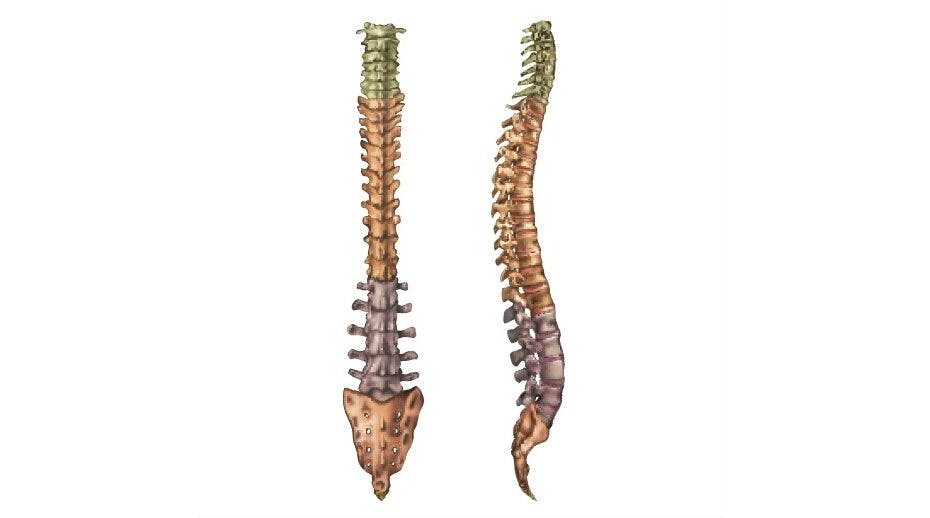
The human lumbar spine is an architectural marvel designed to bear significant axial loads while facilitating multidirectional movement, including flexion, extension, lateral flexion, and rotation. Anatomically, the lumbar spine features a natural inward curve known as a lordotic curve, which distributes mechanical stress across the vertebrae and intervertebral discs. When individuals experience lower back discomfort, it is frequently the result of cumulative microtrauma, sustained postural deviations, or acute muscular guarding.
Historically, mainstream fitness culture and early twentieth-century physical education programs promoted aggressive stretching and flattening of the lower back as universal solutions to spinal tension. Modern orthopedic research, however, reveals a more nuanced picture. Forcing the lumbar spine into positions that violate its natural architecture—such as excessive flexion under load or abrupt transitions—can overload the posterior annulus fibrosis of the intervertebral discs and hyper-extend the surrounding ligamentous structures. When practitioners transition to the yoga mat without accounting for these mechanical realities, they risk exacerbating the very conditions they intend to treat.
Mistake 1: Moving Too Fast Through Flexion and Extension
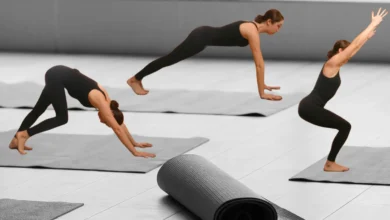
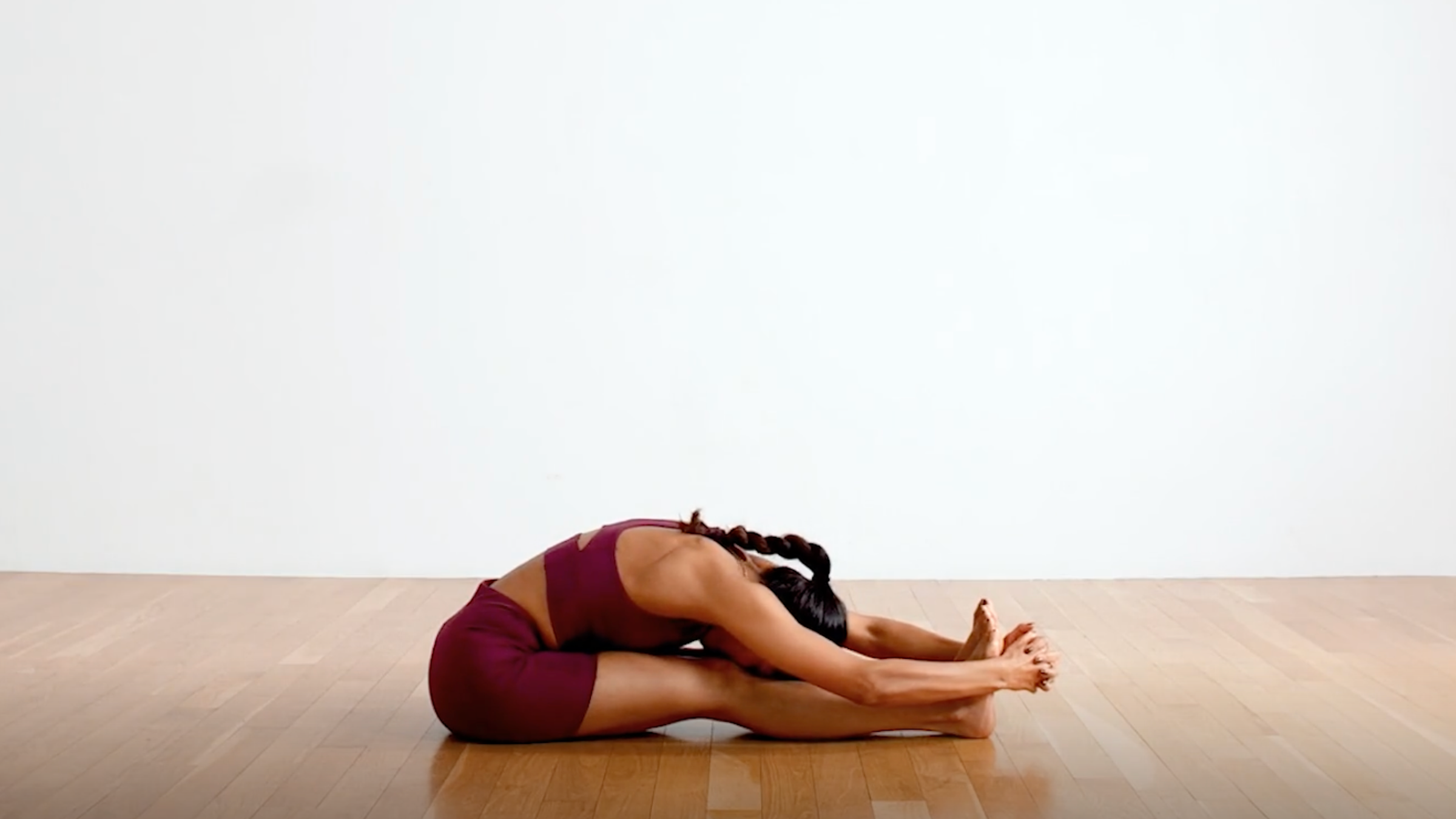
In fast-paced Vinyasa or Power Yoga classes, the emphasis is frequently placed on fluid transitions, breath synchronization, and cardiovascular conditioning. While this dynamic approach offers metabolic benefits, it can prove detrimental for individuals with sensitive lower backs. Moving rapidly through spinal flexion—such as transitioning from a standing position into a Seated Forward Bend (Paschimottanasana) or hinging downward to pick up an object from the floor—deprives the central nervous system of adequate time to assess load and tension.
From a physiological perspective, rapid stretching triggers the muscle spindle reflex, causing the muscle fibers to contract defensively rather than lengthen. This reflexive contraction increases localized stiffness and places abrupt shear stress on the lumbar joints. Furthermore, momentum masks early warning signs of discomfort, allowing a practitioner to push past their optimal range of motion before realizing a strain has occurred.
To counteract this, movement specialists advocate for a deliberate deceleration of practice. Introducing a mindful pause before entering forward folds or transitions allows the practitioner to tune into somatic feedback. By asking the internal question, "How does it feel when I move more slowly?" the individual engages higher-level cortical processing, enabling precise muscular control and reducing the likelihood of micro-injuries.
Mistake 2: Disregarding the Natural Curves of the Spine
A foundational tenet of safe movement mechanics is the preservation of neutral spinal alignment. In yoga pedagogy, instructors frequently reference a "neutral spine," yet students routinely misinterpret this as a directive to completely flatten the lower back. This misconception is particularly pronounced during axial-loading postures such as Chair Pose (Utkatasana) and various standing forward folds.
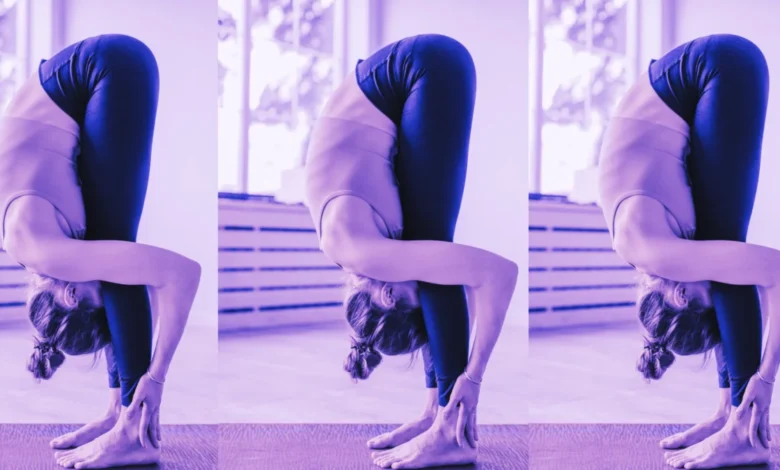
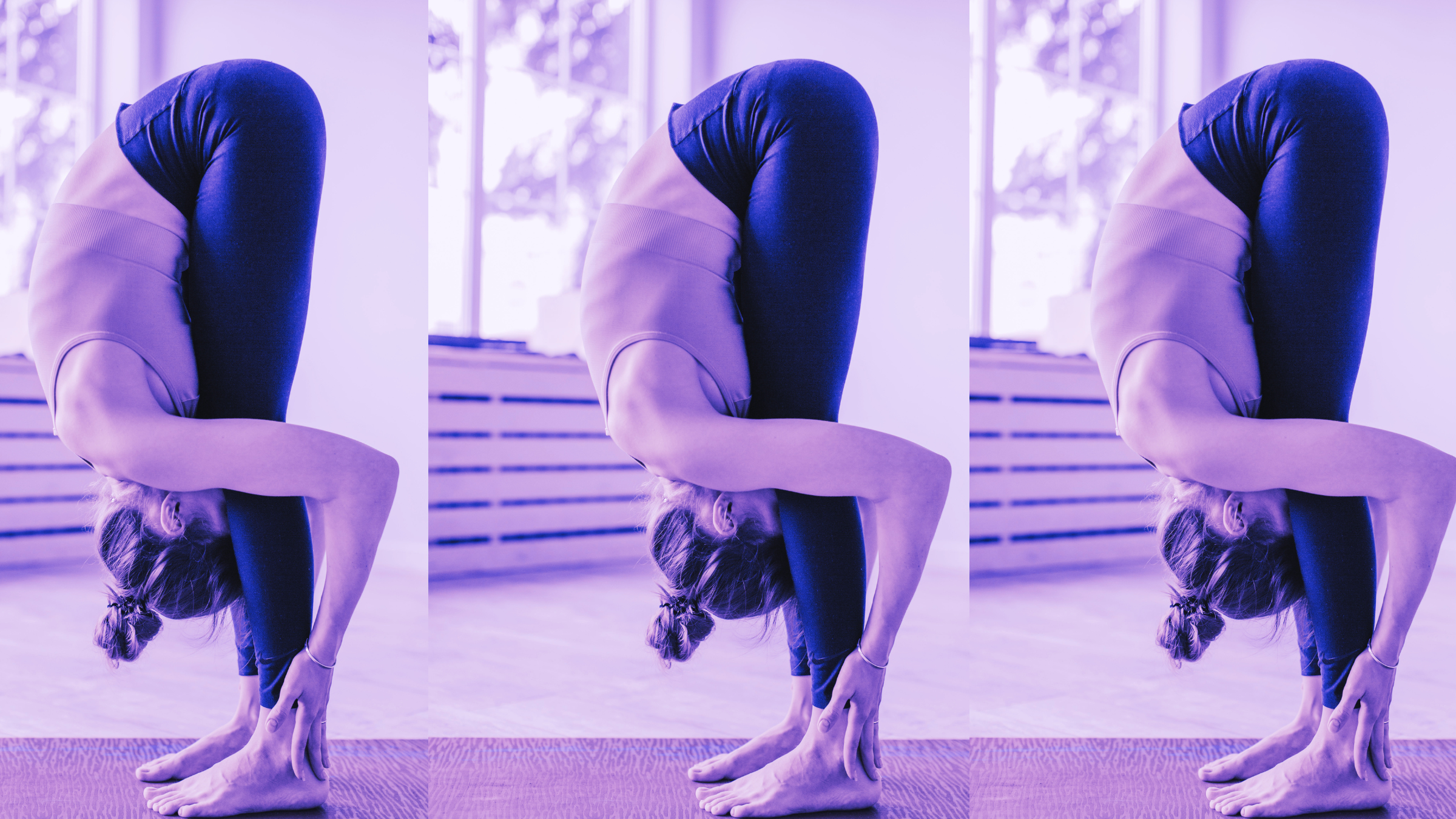
The human spine features alternating curves: a concave cervical spine (neck), a convex thoracic spine (mid-back), and a concave lumbar spine (lower back). Attempting to eliminate the lumbar lordosis by forcefully tucking the tailbone or flattening the back against gravity alters the natural load-bearing mechanics of the pelvis and spine. In Chair Pose, for instance, an excessive core contraction coupled with a posterior pelvic tilt can compress the lumbar vertebrae and generate deep-seated muscular tension. Similarly, in a Standing Forward Bend (Uttanasana), rounding from the lower back rather than hinging at the hip joint places undue strain on the erector spinae muscles.
However, biomechanics is rarely a one-size-fits-all discipline. While maintaining a neutral spine benefits the vast majority of individuals with chronic lower back stiffness, a subset of practitioners may experience temporary relief through gentle, supported flexion. Instructors recommend an analytical approach: testing whether a neutral spine or a rounded variation yields a better somatic response, ensuring the practice remains tailored to the individual’s unique spinal anatomy.
Mistake 3: Neglecting Props and Refusing Custom Variations
Modern yoga culture has unfortunately been influenced by social media aesthetics, which often prioritize extreme flexibility, hyper-extension, and advanced balancing postures over functional utility. Consequently, practitioners with sensitive lower backs often feel social or psychological pressure to emulate the physical shapes of neighboring students, ignoring the signals of their own bodies.
Refusing to utilize props—such as yoga blocks, bolsters, and folded blankets—is a primary driver of injury in therapeutic settings. The objective of yoga is not to conquer a shape through sheer willpower, but to discover an alignment where the body can find structural ease.
For example, in Happy Baby Pose (Ananda Balasana), pulling aggressively on the feet can cause the sacrum to lift off the mat, flattening and straining the lower back. A more supportive variation involves drawing the knees toward the chest while holding the backs of the thighs, which keeps the pelvis neutral and protects the lumbar region. Similarly, practitioners experiencing tightness in seated forward folds can elevate their hips by placing a folded blanket or block beneath their sit bones. This simple adjustment tilts the pelvis forward, creating anatomical space for the lower back and preventing excessive spinal rounding.
Mistake 4: Overlooking the Nervous System’s Role in Chronic Pain
Physical discomfort is rarely purely mechanical; it is deeply intertwined with the state of the central nervous system. Contemporary pain science establishes that chronic pain and physical tension act as output signals from the brain when it perceives a threat. Factors such as chronic psychological stress, sleep deprivation, systemic anxiety, and apprehension regarding specific movements can place the body on high alert, causing the nervous system to brace for impact.
When the sympathetic nervous system—responsible for the "fight or flight" response—is chronically activated, resting muscle tone increases. This hypertonicity restricts blood flow to soft tissues, diminishes joint lubrication, and amplifies the perception of pain. In this state, attempting to stretch a tight lower back can trigger an even more aggressive protective bracing mechanism from surrounding musculature.
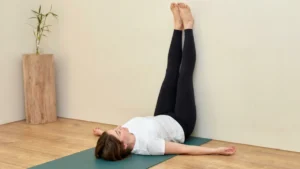
To achieve lasting relief, practitioners must intentionally downregulate the nervous system to activate the parasympathetic branch ("rest and digest"). This can be achieved through restorative postures such as Child’s Pose (Balasana), Legs Up the Wall (Viparita Karani), or Crocodile Pose (Makarasana). Additionally, integrating targeted pranayama (breathwork) techniques, such as Box Breathing (Sama Vritti) or consciously extending the duration of exhalations relative to inhalations, signals safety to the brain. Slowing the overall pace of a yoga practice further reinforces this sense of security, allowing hyperactive muscular guarding to gradually dissolve.
Broader Implications and Clinical Outlook
The integration of mindful biomechanics, anatomical awareness, and nervous system regulation into yoga practice reflects a broader paradigm shift in wellness and rehabilitation. Healthcare providers increasingly recognize that patient education regarding movement mechanics is vital for mitigating the global economic and personal toll of low back pain.
By dismantling the cultural pressure to perform advanced postures at the expense of structural safety, practitioners can transform yoga from a potential source of injury into a sustainable, therapeutic modality. True progress on the mat is measured not by the depth of a stretch, but by the cultivation of somatic awareness, presence, and a responsive dialogue between the practitioner and their physical form.
Related posts: