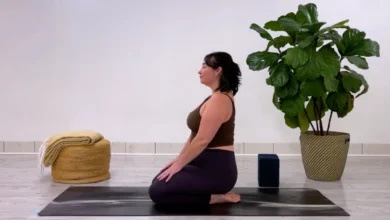
How to Effectively Relieve Neck and Shoulder Tension Through Targeted Yoga and Mindful Movement

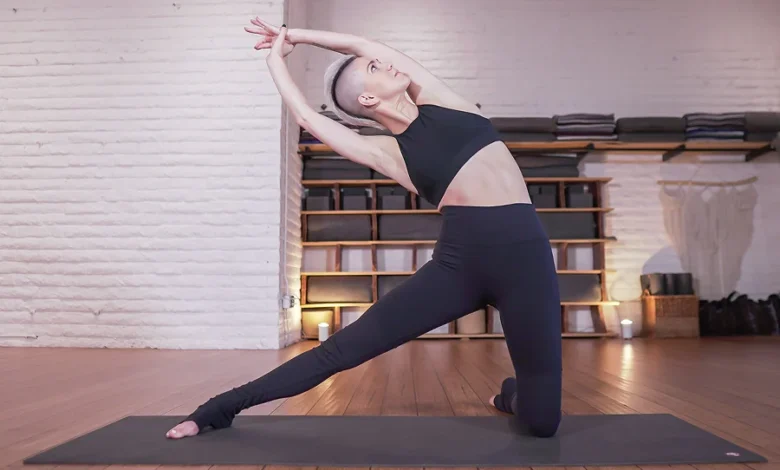
In the contemporary professional landscape, neck and shoulder tension has emerged as a pervasive physiological challenge, affecting millions of individuals across diverse demographics. As the global shift toward sedentary, technology-centric work environments continues to accelerate, the prevalence of musculoskeletal discomfort associated with the cervical and thoracic regions has reached a critical threshold. Medical research suggests that the human body, evolved for dynamic movement, is increasingly constrained by prolonged static positioning, leading to a rise in repetitive strain injuries, tension headaches, and chronic postural imbalances.
The Anatomy of the Tech Neck Epidemic
The phenomenon colloquially known as "tech neck" refers to the repetitive stress placed on the cervical spine due to the persistent forward inclination of the head while viewing digital devices. From a biomechanical perspective, the human head weighs approximately 10 to 12 pounds in a neutral position. As the head shifts forward—a common occurrence during smartphone usage or prolonged desk work—the effective force exerted on the cervical vertebrae increases exponentially. Research from the Journal of Physical Therapy Science indicates that for every inch of forward head posture, the weight on the cervical spine can increase by as much as 10 pounds, placing significant load on the trapezius, rhomboids, and levator scapulae muscles.
This anatomical burden is exacerbated by prolonged static posture. When an individual maintains a fixed position for extended durations—such as typing at a workstation or navigating a commute—blood flow to the localized muscle groups is reduced, and the fascia begins to tighten. Over time, this leads to a reduction in range of motion and the formation of trigger points, which are often the primary drivers of discomfort.
Chronology of Physical Manifestation
The development of chronic upper-body tension typically follows a predictable timeline:

- The Acute Phase (Short-term): Initial fatigue and minor discomfort occur after sustained periods of immobility. Muscles exhibit temporary stiffness, which is often alleviated by movement or postural adjustment.
- The Adaptive Phase (Intermediate): If habits are not corrected, the body begins to adapt to the forward-leaning posture. Connective tissues undergo structural changes, and the nervous system may begin to perceive the restricted range of motion as the "new normal," leading to persistent, low-grade muscle tightness.
- The Chronic Phase (Long-term): Prolonged tension results in reduced mobility, recurrent tension headaches, and, in some instances, referred pain or nerve impingement. At this stage, clinical intervention or structured rehabilitative movement is often required to restore structural integrity.
The Efficacy of Targeted Movement
Current research in sports medicine and physical therapy supports the integration of mindful movement, specifically yoga-based stretching, as a primary intervention for managing muscular tension. Unlike passive rest, which may allow muscles to remain in a shortened state, active stretching promotes circulation, enhances flexibility, and engages the parasympathetic nervous system.
The efficacy of these practices is grounded in the "stretch reflex" and the modulation of muscle spindles. By slowly and intentionally elongating muscle fibers, the nervous system is encouraged to decrease the resting tone of the targeted muscle group, thereby reducing the sensation of "tightness." Furthermore, the integration of deep, diaphragmatic breathing—a cornerstone of yoga—helps to lower the systemic levels of cortisol, the primary stress hormone that often contributes to the involuntary tightening of the shoulders.
Clinical and Practical Applications: A Structured Approach
Healthcare professionals and ergonomic experts often recommend a multifaceted approach to mitigating upper-body tension. This includes the systematic application of specific movements designed to counteract the effects of daily stressors.
1. Lateral Cervical Release
The lateral cervical stretch targets the upper trapezius and the sternocleidomastoid muscles. By gently guiding the ear toward the shoulder while anchoring the opposite shoulder blade downward, individuals can effectively isolate the lateral fascia. This practice is essential for those who experience tension specifically during periods of high cognitive load or stress.
2. Thoracic Expansion and Chin Tucking
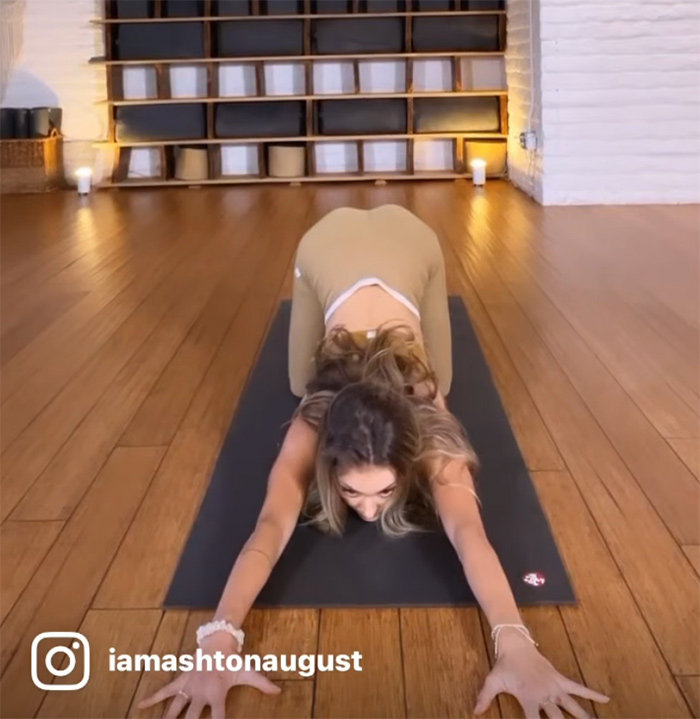
The "Puppy Pose" with a modified cervical tuck serves to reverse the rounding of the upper back. By keeping the hips aligned over the knees and extending the arms forward, the latissimus dorsi and pectoralis minor muscles are lengthened. The addition of a chin tuck—pulling the head back slightly into neutral alignment—directly counters the forward-head posture developed during screen time.

3. Rotational Thoracic Mobility
Rotational movements, such as the "Seal Pose with Shoulder Dips" or "Thread the Needle," focus on the thoracic spine. Because the thoracic spine is designed for rotation, keeping this area supple is crucial for the overall health of the neck and shoulders. When the thoracic spine is stiff, the cervical spine is often forced to compensate for the lack of movement, leading to injury.
Data-Driven Implications for Workforce Wellness
Recent industry reports on workplace health indicate that musculoskeletal disorders (MSDs) are among the most significant contributors to absenteeism and decreased productivity. Organizations that have implemented "movement breaks"—short, structured intervals for stretching during the workday—have reported lower rates of reported physical discomfort among employees.
A study conducted by the Occupational Safety and Health Administration (OSHA) highlighted that regular stretching and ergonomic awareness can reduce the incidence of work-related neck and shoulder pain by up to 25% over a six-month period. This suggests that the issue is not merely one of individual health, but a systemic challenge that requires a cultural shift toward proactive, rather than reactive, health management.
Official Guidelines and Safety Precautions
While yoga and therapeutic stretching are widely considered safe for the general population, medical professionals emphasize the necessity of individual assessment. Patients with pre-existing conditions, such as cervical disc herniation, spinal stenosis, or acute inflammatory injuries, should exercise caution.
According to standard physical therapy protocols, the following guidelines are recommended for safe practice:
- Avoid Pain: Stretching should elicit a sensation of tension, never sharp or shooting pain.
- Consistency over Intensity: A 5-minute routine performed daily is more effective for long-term tension relief than a 60-minute session performed once weekly.
- Professional Consultation: If symptoms persist, are accompanied by numbness, tingling, or radiating pain, individuals are urged to consult with a licensed physical therapist or primary care physician to rule out underlying structural pathologies.
Broader Impact and Future Outlook
The rise of digital ubiquity suggests that the challenges associated with neck and shoulder tension will remain a focal point of public health discussions for the foreseeable future. As the boundary between the professional and personal digital experience continues to blur, the importance of fostering physical literacy—the ability to recognize and respond to the body’s signals—cannot be overstated.
The integration of mindful movement into daily life is not merely a remedial measure; it is a preventive strategy. By retraining posture through intentional movement and reducing the physiological impact of stress through breathwork, individuals can build resilience against the mechanical pressures of modern life. Ultimately, the objective is to move away from the current model of treating pain once it becomes debilitating and toward a proactive paradigm where movement is recognized as an essential component of professional performance and long-term physical health. The data is clear: consistency in movement is the most reliable predictor of success in mitigating the chronic tension that characterizes the contemporary, technology-driven lifestyle.