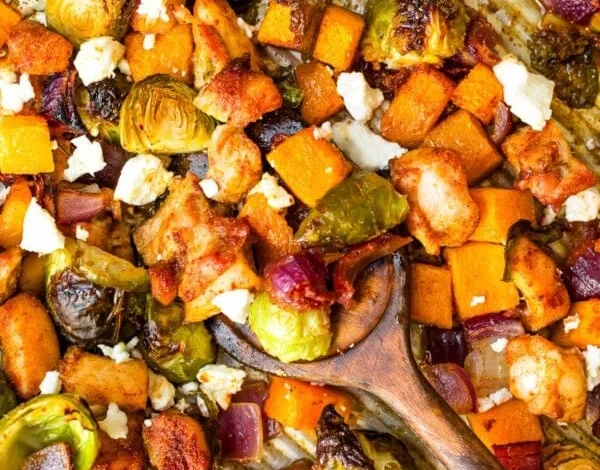
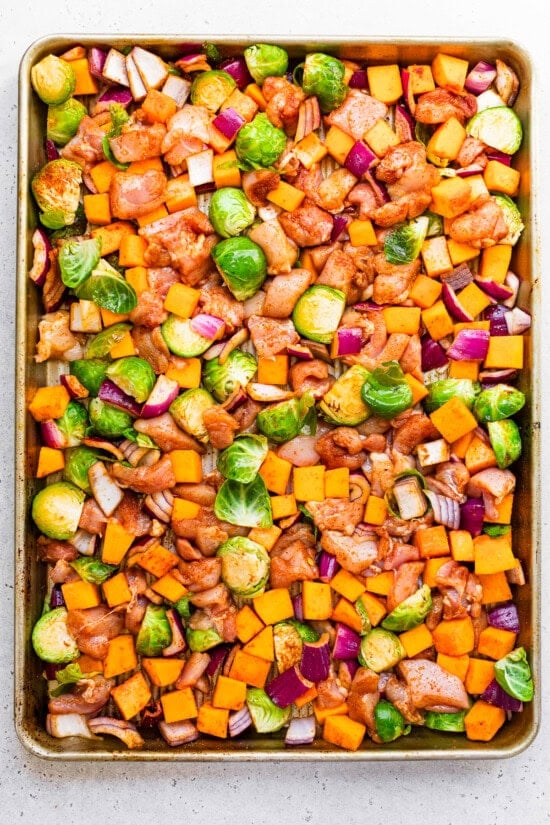
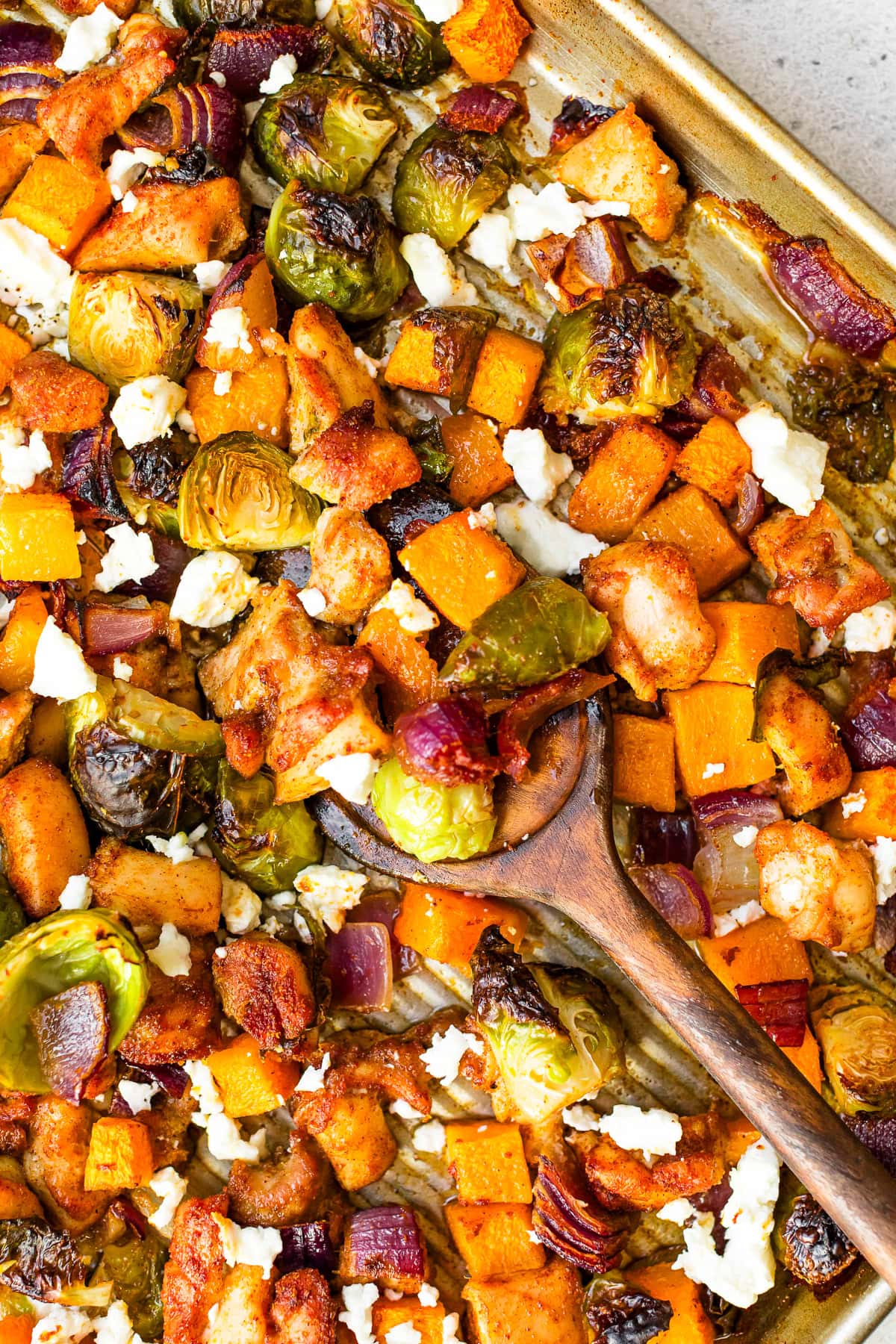
The culinary landscape of the autumn season continually invites home cooks to seek out comforting yet nutritionally balanced meals that minimize preparation and cleanup time. Amidst a growing consumer demand for high-protein, single-vessel recipes, food creators have increasingly turned to sheet pan dinners as an efficient weeknight solution. A prominent addition to this seasonal trend is the newly introduced Fall Chicken Sheet Pan Dinner, a dish engineered to combine lean protein with vibrant autumn produce, featuring juicy chicken breast, roasted butternut squash, Brussels sprouts, red onion, and a finishing touch of melted feta cheese.
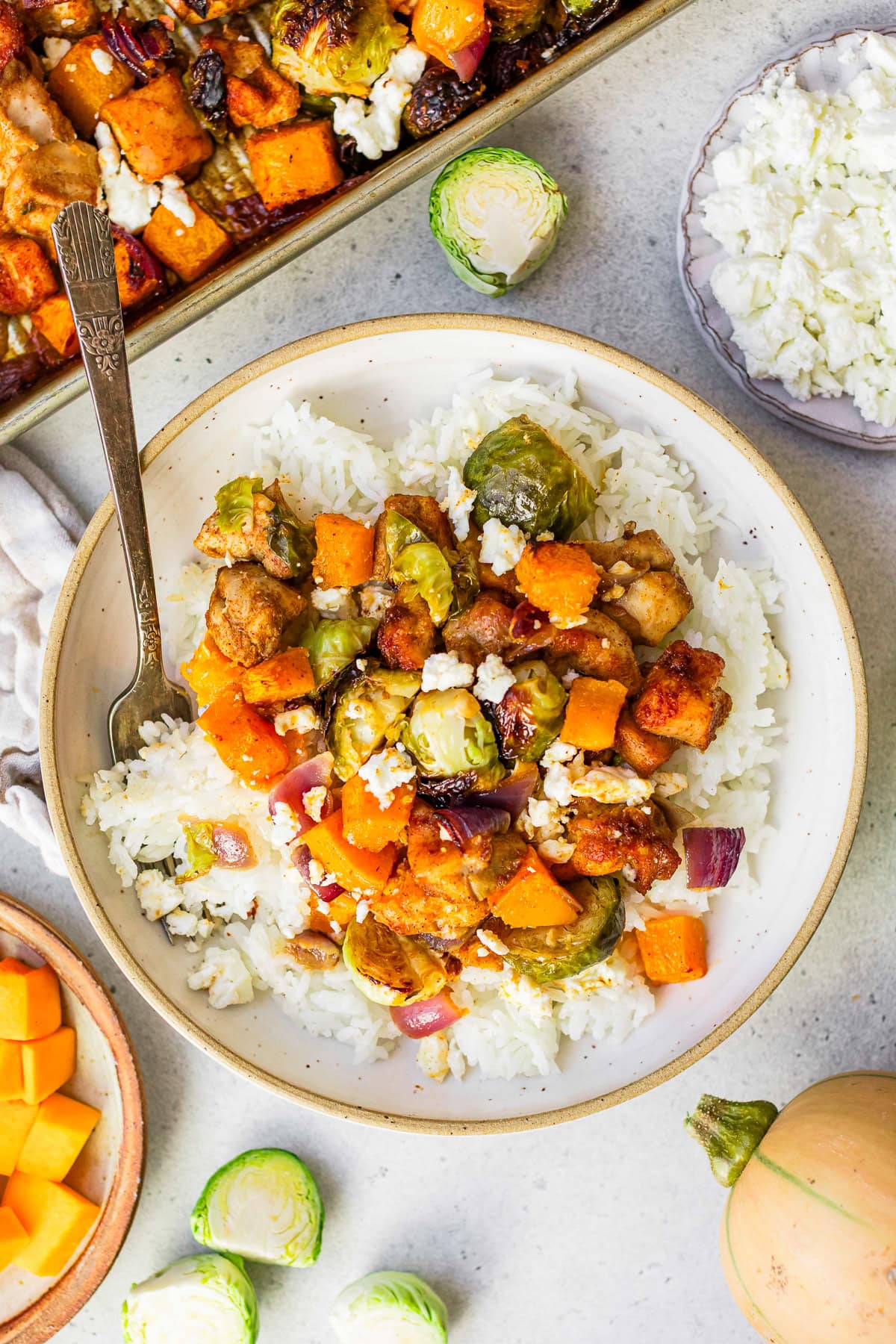
Culinary Background and Nutritional Profile
The evolution of the sheet pan dinner reflects broader shifting consumer habits toward streamlined home cooking. With modern schedules leaving limited time for elaborate culinary endeavors during the workweek, recipes that consolidate cooking processes onto a single baking sheet have surged in popularity over the past decade.

Nutritional analysis of the Fall Chicken Sheet Pan Dinner indicates a strong alignment with contemporary dietary preferences prioritizing high-protein intake and nutrient density. According to standardized nutritional metrics per serving (approximately 1.5 cups), the dish provides roughly 401 kilocalories, complemented by 40.5 grams of protein, 18.5 grams of carbohydrates, 4.5 grams of dietary fiber, and 18.5 grams of fat. This macronutrient distribution makes the recipe particularly appealing to individuals following fitness-oriented nutritional plans, macro-tracking regimens, or balanced diets aimed at sustained energy during the cooler autumn months.

Ingredient Composition and Flavor Architecture
The recipe’s success hinges on a deliberate blend of seasonal produce and a warm spice profile that avoids excessive sweetness—a common pitfall in autumn-themed dishes.
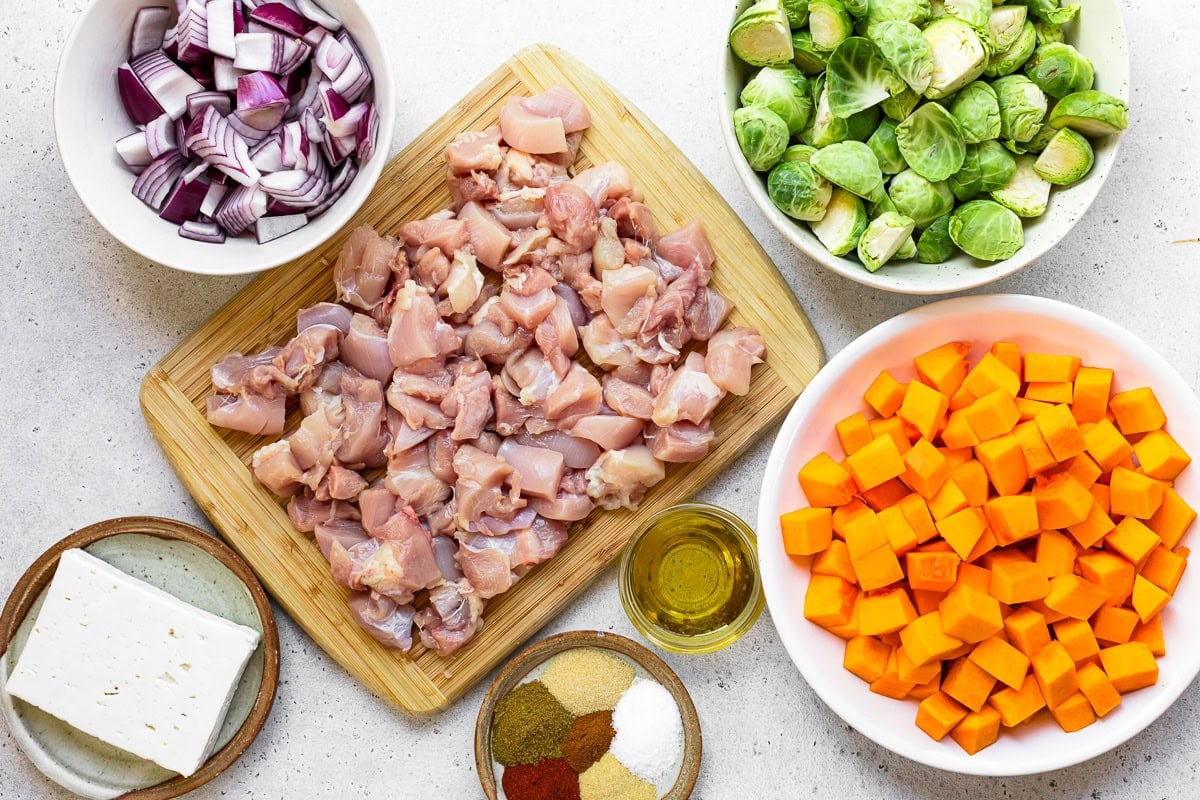
The primary components include:
- Proteins and Dairy: Boneless, skinless chicken pieces paired with crumbled feta cheese, which undergoes a brief broiling phase to achieve a golden, melty texture.
- Seasonal Vegetables: Cubed butternut squash, halved Brussels sprouts, and sliced red onion. When subjected to high-temperature roasting, these vegetables undergo caramelization, enhancing their natural sugars and deepening the overall flavor complexity.
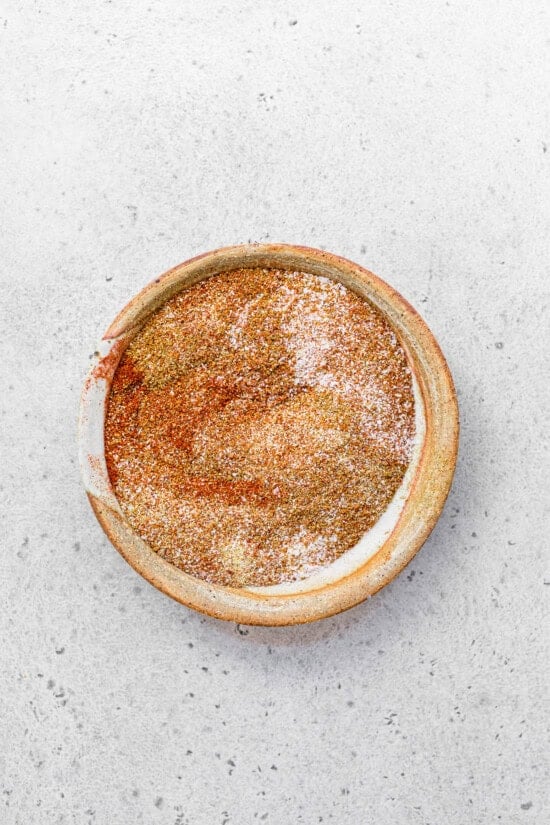
- Seasoning Matrix: A balanced mix primarily driven by warm notes of paprika and cinnamon, drawing inspiration from Mediterranean and Middle Eastern spice applications, similar to popular sheet pan shawarma variations.
Preparation Methodology and Meal Prep Integration
Culinary efficiency remains a core selling point for this style of meal preparation. Food experts emphasize that advance preparation can significantly reduce active cooking time on busy evenings. The recipe accommodates a structured timeline:
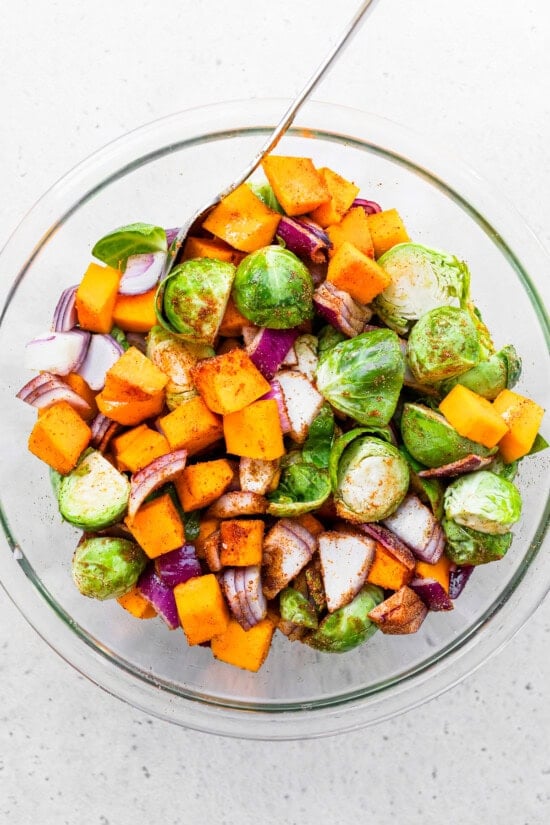
- Advance Preparation (Day Prior): Vegetables—the butternut squash, Brussels sprouts, and red onion—can be chopped and stored together in a single airtight container. The chicken and the dry spice blend should be stored separately to maintain texture and flavor integrity.
- Spice Application: The dry spices are thoroughly combined before being tossed with the pre-cut vegetables to ensure even distribution.
- The Roast: All components are arranged on a standard baking sheet. The dish undergoes initial roasting to ensure the chicken reaches a safe internal temperature while the dense vegetables achieve optimal tenderness and caramelization.
- The Finish: Feta cheese is crumbled over the top of the pan during the final minutes of cooking, utilizing the oven’s broiler to achieve a savory, melted crust.
Broader Culinary Context and Serving Flexibility
As home economics data continues to highlight the economic and environmental benefits of minimizing food waste and dishwashing water usage, one-pan meal formats have become a staple of modern meal-planning strategies. The Fall Chicken Sheet Pan Dinner is engineered to serve as a versatile base that can be adapted to various dietary requirements and serving preferences.
Culinary recommendations suggest several methods for scaling the dish into larger meal configurations:
- Grain Pairings: Serving the roasted chicken and vegetables over a bed of ancient grains such as farro, quinoa, or freshly prepared rice to increase complex carbohydrate intake.
- Greens Integration: Pairing the warm sheet pan mixture with a crisp arugula salad or sautéed baby spinach to introduce fresh textures and additional micronutrients.
- Weekly Meal Prep: Due to its structural resilience, the dish retains its flavor profile when portioned into individual storage containers for multi-day consumption, addressing the rising market demand for efficient batch-cooking solutions.
Industry Implications
The release of seasonal recipes structured around high-protein, single-pan execution underscores ongoing shifts in food publishing and consumer engagement. As audiences increasingly filter recipe searches by macronutrient content and preparation convenience, culinary platforms continue to refine traditional autumn comfort foods to meet contemporary health standards. By fusing traditional fall produce with Mediterranean flavor accents, dishes like the Fall Chicken Sheet Pan Dinner illustrate how modern home cooking successfully balances nutritional optimization with seasonal nostalgia.