Free 7-Day Healthy Meal Plan (Oct 26 – Nov 1) Bridges Spooky Season Festivities with Nutritious Eating

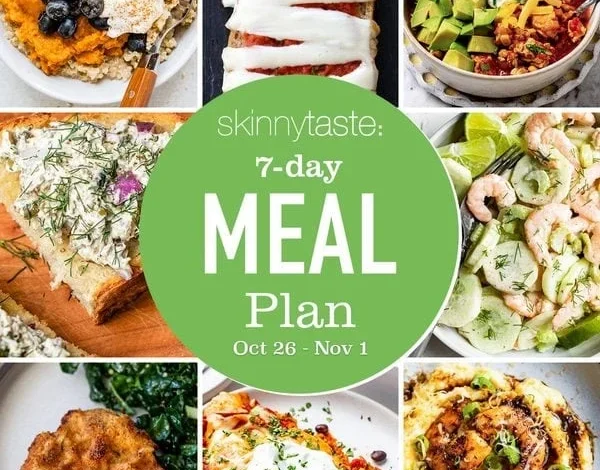
As the calendar turns toward the final days of October, households across the country find themselves balancing the whimsical treats of Halloween with the practical demands of healthy autumn nutrition. To address this seasonal dietary challenge, a newly released comprehensive, free seven-day flexible weight-loss meal plan provides structured culinary guidance spanning October 26 through November 1. Designed to alleviate the rising pressures of food inflation and grocery management, the curated schedule delivers a complete blueprint including breakfast, lunch, and dinner ideas, precise macronutrient breakdowns, Weight Watchers points, and an organized shopping list intended to minimize household food waste.
The intersection of holiday preparation and everyday wellness presents distinct nutritional hurdles for families and individuals alike. October 31 traditionally ushers in high-sugar consumption and rich party foods, making structured meal planning an essential tool for maintaining balanced eating habits. The newly published schedule incorporates seasonal thematic elements—such as Mummy Hot Dogs and Banana Ghost Pops—while preserving core nutritional integrity. By offering structured recipes that double as efficient leftovers, the program aims to curb the financial and caloric tolls often associated with spontaneous dining out during holiday weeks.
Structured Daily Breakdown and Nutritional Architecture
The meal plan is meticulously structured to accommodate individual caloric goals while providing scalable portions for families. Breakfast and lunch options from Monday through Friday are calibrated to serve a single individual, whereas dinners and all weekend meals are scaled for a family of four. Many dinner recipes intentionally yield leftovers designed to transition seamlessly into the following day’s lunch, maximizing kitchen efficiency and reducing preparation time during busy workdays.
The weekly culinary schedule unfolds chronologically:
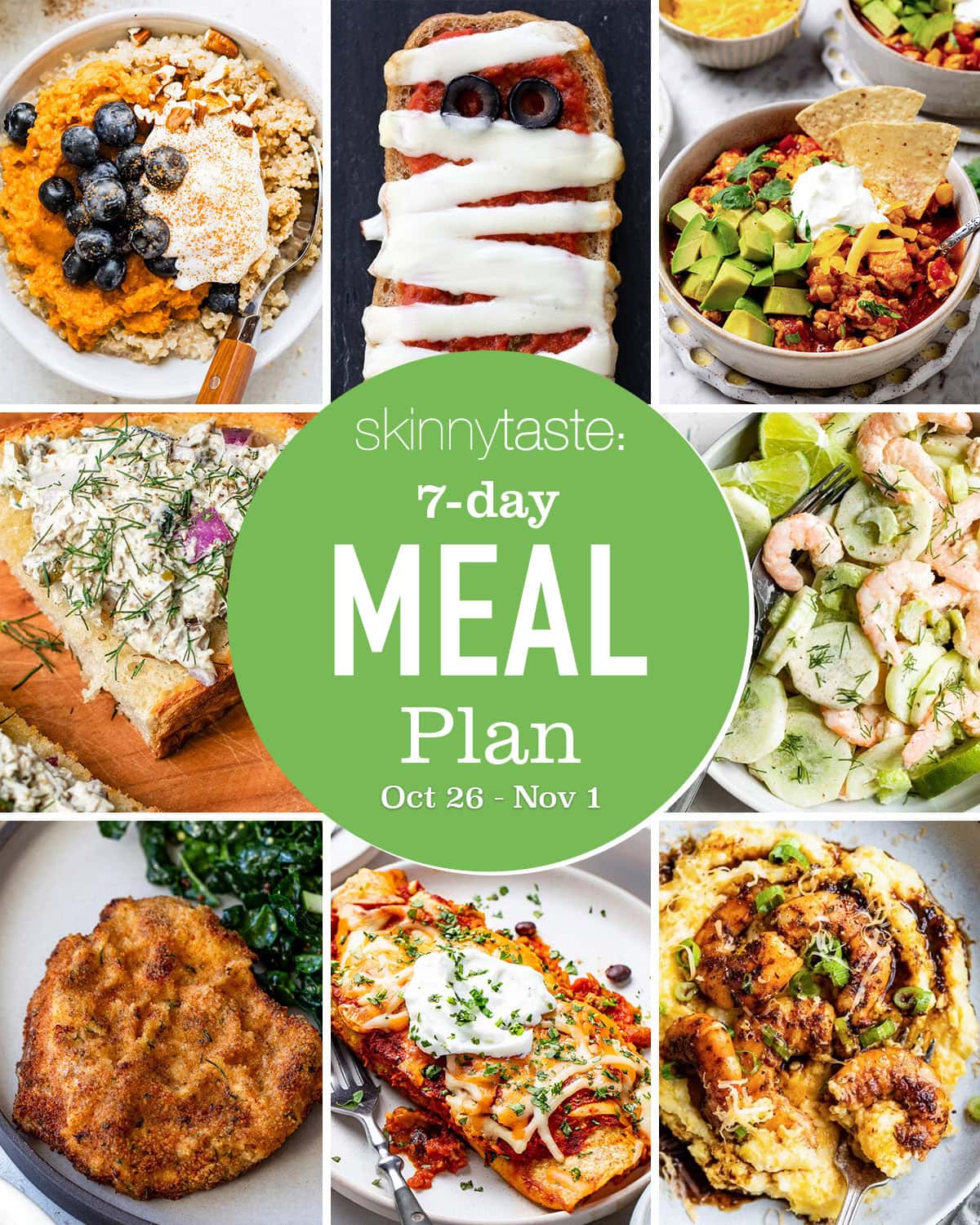
- Monday, October 26: The week commences with Chorizo Egg Bites paired with cherry tomatoes for breakfast, followed by a Sardine Salad served on sourdough bread with pomegranate seeds for lunch. Dinner features Spicy Sriracha Tofu Rice Bowls.
- Tuesday, October 27: Breakfast and lunch repeat Monday’s nutrient-dense selections of Chorizo Egg Bites and Sardine Salad. The evening meal shifts to Turkey and Black Bean Enchiladas accompanied by a fresh Corn, Tomato, and Avocado Salad.
- Wednesday, October 28: Morning routines maintain the Chorizo Egg Bites, while lunchtime utilizes leftover enchiladas. Dinner introduces Chicken Curry served over Turmeric Basmati Rice with Peas.
- Thursday, October 29: The cycle continues with the standard breakfast selection, paired with leftover chicken curry for lunch. Dinner highlights Pork Milanese served alongside a vibrant Kale and Apple Salad.
- Friday, October 30: Friday morning breaks from routine with Flourless Banana Nut Pancakes. Lunch features the final portions of the chicken curry, and the weeknight concludes with Blackened Shrimp and Grits paired with wilted garlic spinach.
- Saturday, October 31: Halloween day begins with a Burst Tomato Cottage Cheese Caprese Bowl. Lunch offers a festive nod to the holiday with French Bread Pizza Mummies accompanied by carrots and light ranch dressing. Dinner transitions into a comforting Crockpot Turkey Chili served with Pumpkin Cornbread Muffins, shredded Mexican cheese, and avocado.
- Sunday, November 1: The weekly cycle wraps up with a Sweet Potato Quinoa Breakfast Bowl and a midday meal consisting of Creamy Shrimp and Celery Salad paired with Broccoli Cheddar Soup, concluding with a planned evening of dining out.
Economic Implications and Grocery Management
Beyond nutritional guidance, the release of this weekly framework addresses broader economic trends affecting modern households. With persistent inflation driving up grocery prices nationwide, consumers face mounting pressure to optimize their food budgets. Industry analysts frequently cite structured meal planning as one of the most effective behavioral strategies for mitigating food expenses.

By utilizing a unified grocery shopping list that aggregates ingredients across all seven days, households can significantly reduce impulse purchases at the supermarket. Comprehensive planning inherently curbs food spoilage by ensuring perishable items are fully utilized across multiple meals. Furthermore, limiting spontaneous restaurant visits aligns with broader consumer trends toward fiscal conservatism in household budgeting during the fourth quarter.
Flexibility, Caloric Guidance, and Dietary Customization
Nutritional professionals emphasize that standardized meal plans must account for individual physiological differences. The baseline caloric totals embedded within the daily schedules—ranging generally between 800 and 1,300 designated recipe calories—function strictly as a foundational guide rather than a rigid prescription. Health authorities generally recommend a baseline of approximately 1,500 calories per day for women, subject to variables including age, current weight, basal metabolic rate, and daily physical activity levels.
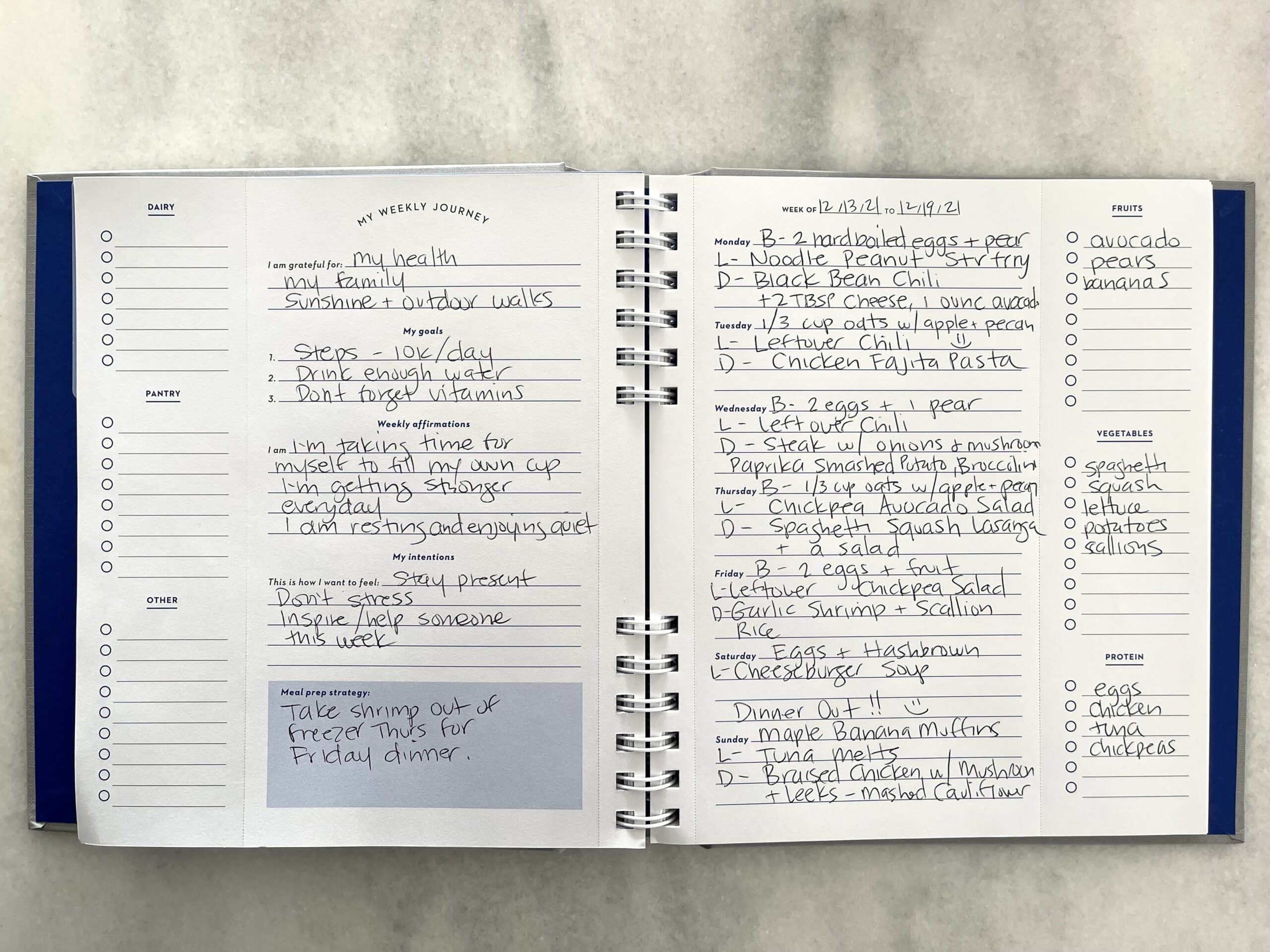
To accommodate these individual variations, the meal plan intentionally incorporates substantial "wiggle room." Participants are encouraged to supplement the core recipes with additional items such as morning coffee, beverages, extra fresh fruits, snacks, planned desserts, or occasional glasses of wine. This flexible design philosophy prevents the restrictive mindset often blamed for the abandonment of healthy eating initiatives. For households seeking alternative configurations, supplementary budgeting series and specialized tools, such as the 52-week spiral-bound Ultimate Skinnytaste Meal Planner, offer extended frameworks incorporating goal-setting spaces, gratitude prompts, and removable grocery lists.
Community Engagement and Technological Integration
Modern nutritional programs increasingly rely on digital ecosystems to sustain user motivation and long-term adherence. The release of the October 26 meal plan coincides with active community outreach through dedicated digital forums, including a specialized Facebook participant group where members exchange photographs, modifications, and culinary tips.
Additionally, accessibility has been prioritized through multiple digital formats, including downloadable Google Document references and integration with subscription-based recipe platforms. This blend of structured physical organization, digital flexibility, and peer support reflects the evolving landscape of contemporary home economics, where digital connectivity aids in the pursuit of sustainable lifestyle habits.