Cranberries and Pumpkin Seeds Emerge as Promising Dietary Interventions for Benign Prostatic Hypertrophy

Benign Prostatic Hypertrophy (BPH), commonly known as an enlarged prostate, is a pervasive condition affecting a significant portion of the male population globally, with prevalence rates escalating sharply with age. More than 50% of men in their 50s and at least 70% of men over age 60 grapple with BPH, a non-cancerous enlargement of the prostate gland that can lead to a constellation of burdensome lower urinary tract symptoms (LUTS). These symptoms frequently include increased urinary frequency, urgency, a weak stream, incomplete bladder emptying, and the particularly disruptive nocturia, where men must awaken multiple times during the night to urinate. While existing pharmaceutical interventions, such as alpha-blockers and 5-alpha-reductase inhibitors, offer clinical efficacy in managing BPH symptoms, they are often accompanied by undesirable side effects that can significantly compromise patient compliance. Reported adverse effects range from sexual dysfunction, including decreased libido and erectile dysfunction, to more severe concerns like an increased risk of high-grade prostate cancer with certain medications, and even psychological impacts such as depression. Such side effect profiles and the associated low compliance rates often diminish the real-world effectiveness of these treatments. When medication fails to provide adequate relief, patients may face the prospect of invasive surgical procedures, such as transurethral resection of the prostate (TURP), which carries its own set of risks and recovery challenges. This landscape has spurred a growing interest in alternative, less invasive, and more tolerable approaches, particularly those rooted in dietary and lifestyle modifications. Recent research has cast a spotlight on two readily available natural foods—cranberries and pumpkin seeds—as potential allies in the management of BPH, offering a glimmer of hope for a more holistic and patient-friendly strategy.
The Widespread Impact of Benign Prostatic Hypertrophy
The prostate gland, a small, walnut-sized organ located beneath the bladder in men, plays a crucial role in the male reproductive system by producing seminal fluid. As men age, it is common for this gland to enlarge, a condition termed benign prostatic hypertrophy. While benign, meaning non-cancerous, BPH can exert significant pressure on the urethra, the tube that carries urine from the bladder out of the body, thereby obstructing urine flow. The resultant LUTS are not merely an inconvenience but can severely diminish a man’s quality of life, leading to sleep deprivation, anxiety, and a reluctance to engage in social activities due to constant urinary concerns. The economic burden of BPH is also substantial, encompassing direct medical costs for diagnosis, treatment, and managing complications, as well as indirect costs related to lost productivity and reduced quality of life. The search for effective, well-tolerated, and accessible management strategies is therefore not just a matter of improving individual patient outcomes but also of addressing a significant public health challenge.
Dietary Patterns and Prostate Health: A Foundational Link
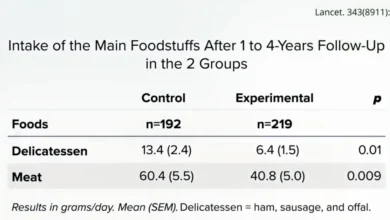
Before delving into specific foods, it is crucial to understand the broader context of diet’s influence on prostate health. Population studies have consistently suggested a strong correlation between dietary patterns and the risk and progression of BPH. Diets characterized by a low intake of animal protein and a high consumption of fruits and vegetables are often associated with a protective effect against prostate enlargement. Conversely, adherence to a "Western diet"—typically high in refined grains, red meat, processed foods, and certain animal proteins—has been linked to an increased risk of BPH and more severe symptoms. Specifically, research indicates that high intake of eggs and poultry, alongside refined grains, may exacerbate BPH symptoms. Interestingly, some studies have found no significant association between red meat or dairy consumption and BPH, challenging some prevailing assumptions and underscoring the complexity of dietary interactions. These epidemiological observations lay the groundwork for investigating specific dietary components that might offer therapeutic benefits. Despite the long history of various herbal remedies being touted for prostate health, the scientific scrutiny has yielded mixed results. For instance, over 30 randomized controlled trials have rigorously tested the herb saw palmetto, a popular supplement for BPH, only to conclude that it is, regrettably, entirely useless in alleviating symptoms. This highlights the critical importance of evidence-based research in separating effective remedies from folklore.
Cranberries: A Time-Honored Remedy Meets Modern Science
Cranberries, small, tart berries native to North America, have a rich history of medicinal use among indigenous peoples. Native Americans traditionally utilized cranberries not only as a food source but also for their purported therapeutic properties, particularly in treating various urinary ailments. This historical application provided an initial impetus for contemporary scientific investigation into their potential benefits for conditions like BPH.
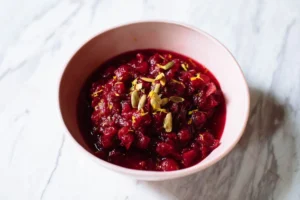
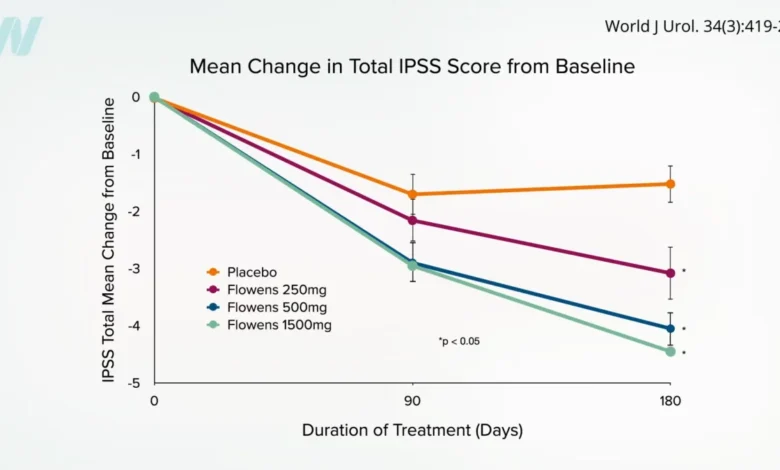
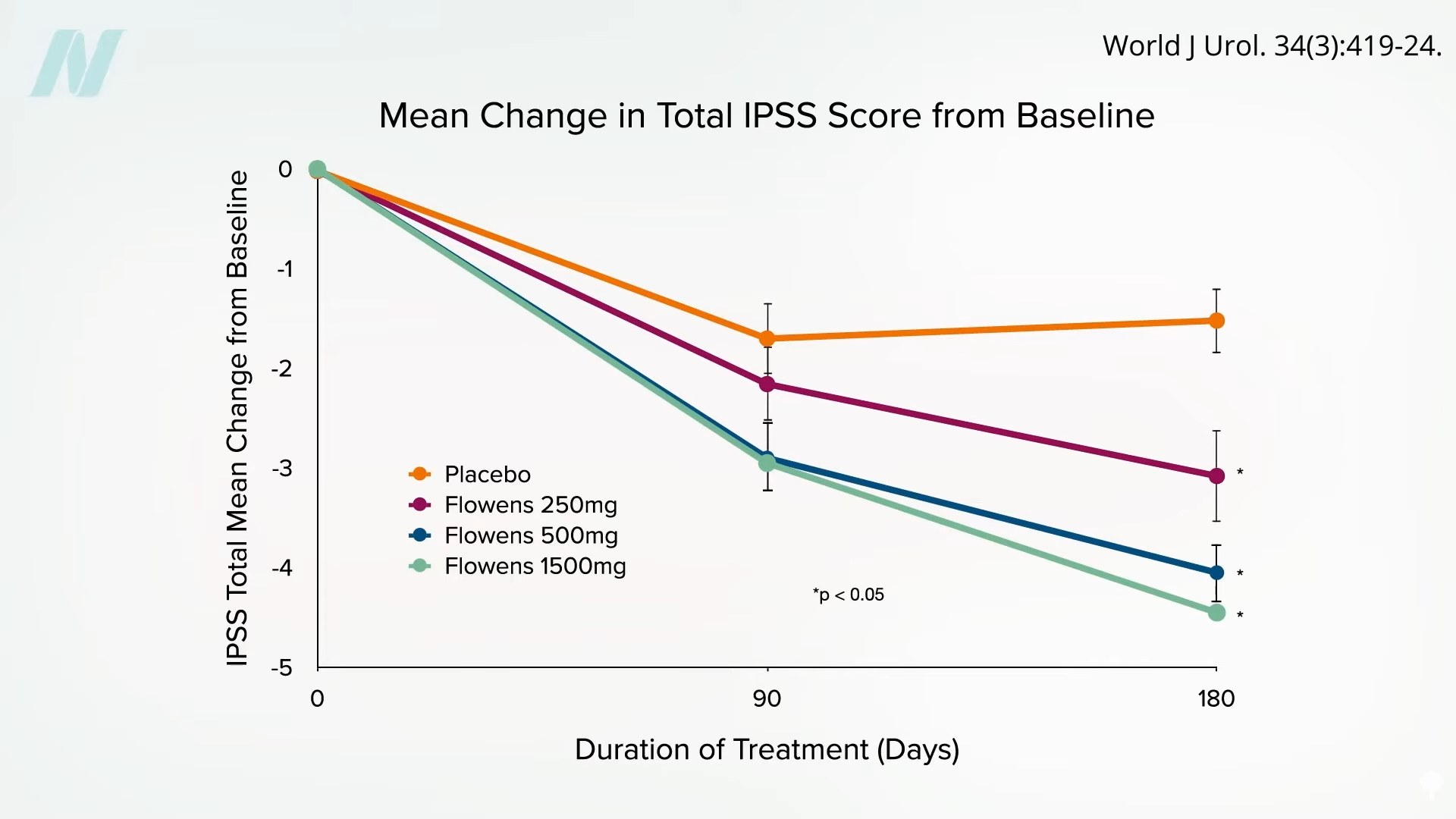
Modern research has sought to determine whether these traditional uses hold up under rigorous scientific examination. In a significant randomized, placebo-controlled study, participants diagnosed with BPH were administered a daily dose of approximately one teaspoon (around 3 grams) of powdered whole cranberries. It is crucial to note that this was not the commercially processed, sugary "craisins" or diluted cranberry juice, but the concentrated, whole fruit powder. The results were compelling: men consuming the cranberry powder experienced significant improvements across multiple BPH symptom indicators, reporting a better quality of life and noticeable enhancements in various urination parameters, including reduced frequency and urgency.
Further investigations explored the dose-response relationship of cranberry powder. Researchers tested smaller doses, specifically one-third and one-sixth of a teaspoon, and observed that even these lower quantities provided beneficial effects. The efficacy observed even at reduced dosages suggests a potent bioactive component within cranberries. While one particular study that generated visual data (like the graph mentioned in the source content) was funded by a supplement company, the product used was straightforward cranberry powder. This underscores that the active ingredient is the whole cranberry itself, rather than a proprietary blend, making bulk cranberry powder a more cost-effective and accessible option for consumers to incorporate into their diet, perhaps in smoothies or mixed with yogurt.

The proposed mechanisms of action for cranberries in BPH management are multifaceted. Cranberries are rich in antioxidants, particularly proanthocyanidins (PACs), which are potent anti-inflammatory compounds. Chronic inflammation is increasingly recognized as a contributing factor to prostate enlargement. By mitigating inflammatory processes, cranberries may help reduce prostate swelling and associated symptoms. Furthermore, the unique compounds in cranberries may exert antiproliferative effects on prostate cells, potentially slowing the growth of the benign tissue. It is important to differentiate this from their well-known role in preventing urinary tract infections (UTIs) by inhibiting bacterial adhesion; while this mechanism primarily targets UTIs, a healthier urinary tract environment can indirectly benefit BPH sufferers by reducing secondary complications. It is also noteworthy that not all berry juices demonstrate similar benefits; for instance, a study investigating purple grape juice found no discernible benefit for BPH symptoms, highlighting the specific bioactive profile of cranberries.
Pumpkin Seeds: A Centuries-Old Folk Remedy Validated by Science
Pumpkin seeds, often discarded as a byproduct of pumpkin consumption, have a long and storied history in traditional medicine. For centuries, various cultures, particularly in Eastern Europe, Mexico, and Native American communities, have utilized pumpkin seeds as a folk remedy for a range of ailments, including kidney problems, intestinal parasites, and notably, prostate disorders. This enduring traditional use prompted modern scientific inquiry to dissect the biochemical components responsible for these perceived benefits and to rigorously test their efficacy in clinical settings.
Early scientific investigations into pumpkin seeds often began at the cellular level. In vitro studies, conducted in petri dishes, have demonstrated that extracts from pumpkin seeds can significantly inhibit the growth of BPH prostate cells, in some cases cutting their proliferation by half. This laboratory evidence provided a strong rationale for further research in living organisms. Animal studies followed, with scientists injecting pumpkin seed extracts into rabbits, observing favorable effects on prostate tissue. However, the ultimate test lies in human clinical trials.
Initial human studies focused on pumpkin seed oil. These trials suggested that pumpkin seed oil could indeed help alleviate prostate issues. In head-to-head comparisons against conventional pharmaceutical drugs, pumpkin seed oil demonstrated efficacy comparable to that of Prazosin and Terazosin, both alpha-blockers commonly prescribed for BPH. Patients reported similar improvements in urinary flow rates and symptom scores. While these findings were promising, a critical limitation in many of these early studies was the absence of a placebo control group. Without a placebo, it is challenging to definitively attribute the observed improvements solely to the pumpkin seed oil, as patient expectations can significantly influence perceived benefits.
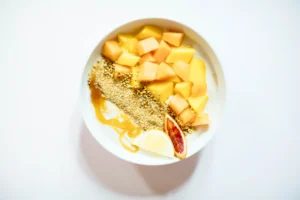
Recognizing this gap, a landmark study was conducted involving over a thousand men with BPH. This extensive randomized controlled trial aimed to provide a definitive answer regarding the efficacy of pumpkin seeds. Participants were divided into three groups: one receiving a pumpkin seed extract supplement, another receiving a placebo, and a third group consuming approximately one tablespoon (about 7.5 grams) of plain, whole pumpkin seeds daily. The study, notably funded by a drug company that produced the supplement, yielded a crucial and somewhat unexpected result. The pumpkin seed extract supplement, despite its commercial backing, performed no better than the placebo in improving BPH symptoms. However, the group consuming the plain, whole pumpkin seeds did experience significant improvements in their symptoms. This outcome strongly suggests that the therapeutic benefit is derived from the synergistic action of multiple compounds present in the whole seed, rather than from an isolated extract. Subsequent research has further supported this, indicating that even an oil-free extract of pumpkin seeds can be effective, pointing to non-fat components as active contributors.
The therapeutic effects of pumpkin seeds are attributed to their rich biochemical profile, which includes phytosterols (especially beta-sitosterol), zinc, fatty acids (including omega-3s), lignans, and various antioxidants. Phytosterols are plant compounds structurally similar to cholesterol that are believed to inhibit the conversion of testosterone to dihydrotestosterone (DHT), a potent androgen implicated in prostate growth. Zinc is an essential trace element that plays a vital role in prostate health, with deficiencies often linked to prostate issues. The fatty acids and antioxidants contribute to reducing inflammation, a key driver of BPH progression. Lignans, plant compounds with phytoestrogenic properties, may also influence hormone metabolism in the prostate.
Based on the cumulative evidence, the researchers of the large-scale trial concluded that whole pumpkin seeds could be recommended for patients experiencing mild-to-moderate BPH symptoms. This conclusion has been echoed and formally endorsed by the European Medicines Agency (EMA), the European equivalent of the U.S. Food and Drug Administration. The EMA’s official assessment report states that pumpkin seeds can be used to relieve lower urinary tract symptoms related to an enlarged prostate, with the crucial caveat that more serious underlying conditions must first be ruled out by a medical doctor. This official recognition from a major regulatory body underscores the scientific credibility of pumpkin seeds as a dietary intervention for BPH.
Broader Implications and Future Directions
The emergence of cranberries and pumpkin seeds as evidence-backed dietary interventions for BPH carries significant implications for both patients and the healthcare system. For individuals grappling with the discomfort and disruption of BPH symptoms, these natural remedies offer a non-pharmacological, generally safe, and accessible pathway to symptom management. Unlike conventional medications, which can have significant adverse effects, cranberries and pumpkin seeds are associated with "good side effects," such as improved overall nutrition and potentially broader health benefits.
For healthcare providers, these findings encourage a more holistic and integrated approach to BPH management. While not replacing the need for medical diagnosis and, in severe cases, conventional treatment, dietary interventions can serve as valuable complementary therapies or even primary interventions for mild-to-moderate symptoms. Integrating nutritional counseling into BPH care could empower patients to take a more active role in managing their health, potentially reducing reliance on pharmaceuticals and surgical procedures.
From a public health perspective, the cost-effectiveness of dietary interventions is noteworthy. Whole cranberries and pumpkin seeds are relatively inexpensive and widely available, offering a sustainable approach to managing a chronic condition that affects millions. This could lead to a reduction in healthcare expenditures associated with BPH over time.
However, further research is always warranted. While current studies provide strong evidence, future investigations could focus on optimizing dosages, evaluating long-term efficacy and safety, exploring potential synergistic effects of combining these and other beneficial foods (like flaxseeds, which have also shown promise in prostate health), and identifying specific biomarkers that predict response to these dietary interventions. Understanding the precise mechanisms at a molecular level will also refine recommendations.
In conclusion, the scientific validation of cranberries and pumpkin seeds for managing benign prostatic hypertrophy represents a significant step forward in lifestyle medicine. These natural foods, rooted in traditional wisdom, are now supported by a growing body of scientific evidence, offering a compelling, accessible, and well-tolerated option for men seeking relief from the burdensome symptoms of an enlarged prostate. As always, individuals experiencing BPH symptoms should consult with a healthcare professional to receive an accurate diagnosis and discuss the most appropriate treatment plan, which may now include these powerful dietary allies.
Related posts: