The modern culinary landscape is currently gripped by a fervent debate surrounding vegetable and seed oils, a discussion that has transcended scientific journals and permeated popular culture, from viral social media trends on platforms like TikTok to the pages of best-selling health books. While the merits of these oils have been debated since their initial introduction to the market, a recent resurgence in anti-vegetable oil sentiment, notably amplified by proponents of diets such as the carnivore diet, has pushed the discussion to unprecedented levels of public visibility. Online forums and social media feeds are awash with provocative labels for these common cooking staples, branding them as "toxic sludge," "motor oil," "the hateful eight," and even "the biggest cause of chronic disease that nobody knows about."
The Historical Trajectory of Dietary Fats: A Chronology of Controversy
To contextualize the current uproar, it is crucial to understand the historical evolution of dietary fats in human consumption. For millennia, human diets were predominantly characterized by animal fats, a readily available energy source. The advent of modern agriculture and industrial food processing in the late 19th and early 20th centuries marked a significant shift. This period saw the rise of vegetable oils, driven by a combination of factors including the abundance of cheap-to-grow crops like corn and soybeans, and the economic incentive for companies to find new markets for these agricultural byproducts. Early marketing campaigns often positioned these novel vegetable fats, such as margarine, as healthier, more affordable alternatives to traditional butter and lard. This marketing narrative laid the groundwork for a dietary paradigm shift that would endure for decades.
However, this narrative was not without its critics, and the debate surrounding the health implications of these new fats has been a persistent undercurrent in nutritional science. The mid-20th century witnessed the "lipid hypothesis," which broadly linked saturated fats to heart disease, further boosting the appeal of unsaturated vegetable oils. Yet, the subsequent discovery of trans fats in partially hydrogenated vegetable oils, and their undeniable link to cardiovascular disease, cast a long shadow, leading to widespread public health advisories and, eventually, regulatory bans. This historical context fuels much of the current skepticism, with critics pointing to past dietary recommendations that proved misguided as a reason to distrust modern advice regarding vegetable oils.
Deconstructing the "Toxic" Claims: Processing, Omega-6, and Oxidation
The core of the anti-vegetable oil argument rests on several pillars. Firstly, proponents emphasize the ancient lineage of animal fats versus the relatively recent, industrial origin of vegetable oils. They argue that these oils were "invented" during the last century by profit-seeking companies. Secondly, they claim that, much like the discredited margarine, vegetable oils were deceptively marketed as healthier than butter, despite allegedly being worse and contributing to a litany of modern ailments including obesity, anxiety, depression, and ulcerative colitis.
A significant part of this argument revolves around the processing methods required to produce many common vegetable oils. Unlike oils derived from naturally fatty fruits like olives or avocados, which can be extracted through relatively simple mechanical pressing, most vegetable oils originate from seeds with a comparatively low fat content. Consider the stark difference: a cup of green olives contains approximately 20 grams of fat, whereas a cup of corn offers a mere 2 grams. This necessitates an extensive, multi-step industrial process to extract the oil efficiently. These steps typically include:
- Crushing and Heating: Seeds are crushed and often heated to break down cell walls and increase oil yield.
- Solvent Extraction: A chemical solvent, most commonly hexane, is used to dissolve the oil from the crushed seeds.
- Degumming and Neutralization: The crude oil is then treated to remove phospholipids (gums) and free fatty acids, which can cause undesirable flavors and shorten shelf life.
- Bleaching: The oil is filtered through clays to remove pigments and impurities, achieving a clearer appearance.
- Deodorization: High-temperature steam distillation removes volatile compounds responsible for strong odors and flavors, resulting in a neutral-tasting and scent-free product.
During this rigorous processing, health-promoting compounds such as polyphenols, tocopherols (Vitamin E), and other stabilizing nutrients are significantly reduced or entirely lost. Critically, these processes, particularly the high heat involved in deodorization, can also transform small amounts of unsaturated fats into trans fatty acids. While manufacturers have largely phased out partially hydrogenated oils that were the primary source of industrial trans fats, trace amounts can still form during high-temperature refining. Nutrition scientists universally agree that trans fats should be avoided, a consensus underscored by the Food and Drug Administration’s 2018 ban on manufacturers adding artificial trans fats to processed foods. The argument follows that while calling these processed oils "toxic" might be an overstatement, the presence of even small amounts of undesirable compounds and the loss of beneficial ones raise legitimate concerns.
The Counter-Narrative: Health-Promoting or Neutral?
In stark contrast, other experts and mainstream health organizations assert that many vegetable oils are harmless, or even health-promoting, and demonstrably superior to butter in certain contexts. This perspective often highlights the unsaturated fat content of these oils, particularly polyunsaturated fatty acids (PUFAs) and monounsaturated fatty acids (MUFAs), which have been linked to improved cardiovascular health when consumed as part of a balanced diet. The challenge lies in navigating this dichotomy, where both sides present compelling, albeit sometimes oversimplified, arguments.
The truth, as with many complex nutritional topics, is far too nuanced for a simple meme or soundbite. Understanding the scientific consensus requires distinguishing between different types of oils, their processing, and the context of their consumption within an overall dietary pattern.
Common Vegetable and Seed Oils: A Classification
Vegetable oils, often interchangeably called "seed oils," are extracted from the seeds of various plants. The most common varieties found in typical grocery aisles include:
- Soybean Oil
- Canola Oil (derived from rapeseed)
- Corn Oil
- Sunflower Oil
- Safflower Oil
- Cottonseed Oil
- Grapeseed Oil
- Rice Bran Oil
It is important to differentiate these from oils derived from the fruit or flesh of plants, which are not typically categorized as "vegetable" or "seed" oils in this debate. Examples include olive oil, avocado oil, palm oil, and coconut oil.
Expert Recommendations and Head-to-Head Matchups

Organizations dedicated to nutrition guidance often provide nuanced recommendations. For instance, some guidelines place certain vegetable oils like expeller-pressed canola oil and high-oleic sunflower/safflower oils in a "Eat Some" category. This implies that, when consumed in reasonable amounts, these oils are considered health-neutral or potentially mildly beneficial. Other vegetable oils, along with butter and other saturated fats, might fall into an "Eat Less" category due to concerns about saturated fat intake or processing.
To understand the rationale behind such recommendations, a closer look at specific oil comparisons is necessary:
Extra-Virgin Olive Oil (EVOO) vs. Expeller-Pressed Canola Oil
These two oils represent some of the least refined options in their respective categories. EVOO is produced by mechanically grinding and pressing olives without heat or chemical solvents. Similarly, expeller-pressed canola oil is obtained by mechanically pressing rapeseed, also eschewing heat or chemical agents.
-
The Case for Extra Virgin Olive Oil (EVOO): EVOO is lauded for its rich content of heart-healthy monounsaturated fatty acids (MUFAs), specifically oleic acid. Crucially, unlike more refined "light" olive oils, EVOO retains a high concentration of the olive fruit’s original polyphenols. These powerful plant-based compounds are known for their antioxidant and anti-inflammatory properties, protecting cells from damage and contributing to overall health. The scientific evidence supporting EVOO’s health benefits is extensive and robust. Numerous studies link its consumption to a reduced risk of:
- Cardiovascular disease and stroke
- Certain cancers
- Type 2 diabetes
- Neurodegenerative diseases
- Osteoporosis
- Improved bone health
- Reductions in LDL (bad) cholesterol, particularly when replacing saturated fats.
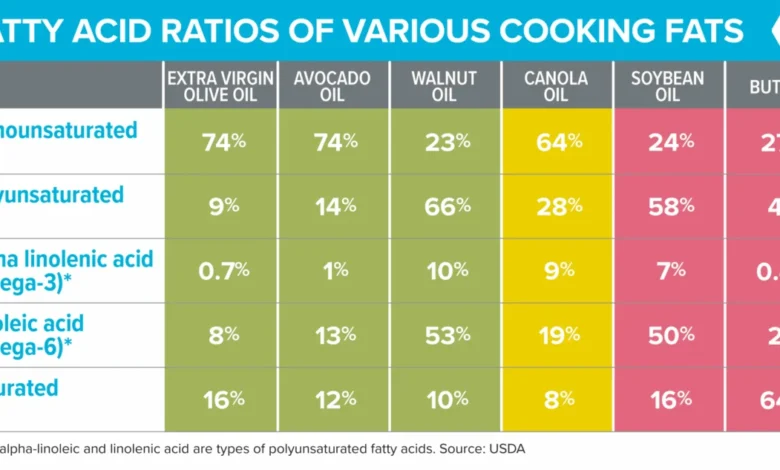
Historically, there was concern about cooking with EVOO due to its relatively lower smoke point (350 to 410°F). However, modern research indicates that EVOO’s polyphenols and high MUFA content make it remarkably stable under heat. Studies have shown EVOO to be more stable than many other oils, including canola oil, even when subjected to high temperatures for extended periods.
-
The Case for Expeller-Pressed Canola Oil: Canola oil, a hybrid of the rapeseed plant developed in Canada, is one of the more affordable cooking oils. Among common vegetable oils, it stands out for its high content of monounsaturated fats and alpha-linolenic acid (ALA), a plant-based omega-3 fatty acid. It also contains phytosterols, plant compounds that can help influence blood cholesterol levels positively, especially when used to replace butter or other saturated fats.
-
The Verdict: Extra virgin olive oil emerges as the clear winner due to the overwhelming body of research supporting its health-promoting qualities and its superior fatty acid profile, which includes a higher concentration of beneficial MUFAs and protective polyphenols. Avocado oil, with a similar profile, also falls into the "eat more" category. However, expeller-pressed canola oil remains a valuable, budget-friendly alternative. Its neutral flavor makes it suitable for baking, where EVOO’s distinct taste might be undesirable. When used in moderation, expeller-pressed canola oil is considered health-neutral or even somewhat beneficial.
Expeller-Pressed Canola Oil vs. Refined Canola Oil
This comparison highlights the impact of processing methods.
-
Expeller-Pressed Canola Oil: As discussed, this method mechanically presses oil from seeds without chemical solvents or excessive heat, helping to preserve beneficial compounds like ALA and phytosterols.
-
Refined Canola Oil: The refining process, involving chemical solvents and high heat, can diminish some of the protective ALA content and introduce small amounts of trans fatty acids. This results in a product with a proportionally lower omega-3 content and a higher omega-6 to omega-3 ratio.
-
The Verdict: Expeller-pressed canola oil is preferable, albeit by a small margin. Canola oil’s initial fatty acid profile is less controversial than many other vegetable oils. For example, soybean oil typically contains less heart-healthy monounsaturated fat and a significantly higher proportion of omega-6 fatty acids.
The Omega-6 Debate: Inflammation or Benefit?
A key point of contention in the vegetable oil debate centers on omega-6 fatty acids. The typical Western diet often features a high ratio of omega-6 to omega-3 fats (sometimes 16:1 to 20:1), leading some experts to theorize that this imbalance could promote chronic inflammation, thereby increasing the risk of diseases like diabetes and obesity. Historically, recommendations suggested aiming for a ratio between 1:1 and 4:1.
However, scientific understanding has evolved, and there is now more debate among nutritional scientists regarding the direct link between a high omega-6 intake (especially from whole foods) and chronic inflammation. It’s crucial to distinguish between omega-6 fats from whole foods and those from highly refined oils. Nuts and seeds, naturally rich in omega-6 fats, are consistently associated with a range of health benefits, including reduced blood cholesterol and inflammation, due to their accompanying fiber, polyphenols, protein, vitamins, and minerals.

Major health organizations, such as Harvard Health and the American Heart Association (AHA), have published findings suggesting that omega-6 fats, particularly linoleic acid, are not detrimental and may even reduce the risk of cardiovascular events like stroke and heart disease. The AHA’s journal Circulation published a 2019 study concluding that omega-6 fat consumption actually reduced the risk for stroke, heart disease, and early death. The critical distinction remains: minimally processed whole foods provide a complex matrix of beneficial nutrients, while highly processed oils largely strip these away, leaving fatty acids more susceptible to oxidation.
Refined Vegetable Oil vs. Butter: A Perennial Clash
This matchup ignites some of the most heated arguments in dietary discourse.
-
The Case for Butter: Proponents of butter often highlight the historical vilification of saturated fats, pointing to the disastrous recommendation in the 1980s and 1990s to replace butter with trans-fat-rich margarine. While some question the strength of evidence against saturated fats, a broad consensus indicates that excessive saturated fat consumption (above 10% of total calories) can elevate LDL cholesterol levels, increasing the risk of heart disease. Research suggests that replacing just 5% of dietary saturated fats with monounsaturated or polyunsaturated fats can significantly reduce the risk of heart disease.
Not all saturated fats are equal. In some dairy products, the milk fat globule membrane (MFGM) surrounding saturated fats appears to mitigate their cholesterol-raising effects. However, butter is relatively low in MFGM, meaning it can raise blood cholesterol more than other high-fat dairy products like full-fat milk, yogurt, or cheese. The U.S. Dietary Guidelines recommend limiting saturated fat to less than 10% of total calorie intake; a single tablespoon of butter contains 7 grams of saturated fat, roughly one-third of the daily limit for a 2000-calorie diet. Thus, while not necessarily requiring elimination, moderation of butter intake is advisable. -
The Case for Refined Vegetable Oils: The primary concern with refined vegetable oils, particularly those high in polyunsaturated fats, is their inherent instability and susceptibility to oxidation. The refining process strips away natural antioxidants and phytochemicals, making these oils more prone to oxidative damage. The theory is that consuming oxidized oils increases inflammation in the body and elevates the risk of various chronic health conditions. Some studies have indeed associated diets rich in polyunsaturated fats from refined vegetable oils with increased markers of oxidized blood lipids and inflammation.
However, the context of consumption is critical. For most individuals, the largest source of refined vegetable oils is not home-cooked meals but ultra-processed foods (UPFs). The additional processing and repeated heating cycles involved in creating UPFs further oxidize these oils. Moreover, UPFs are typically laden with other potentially harmful ingredients like added sodium and sugars, while being deficient in beneficial nutrients such as fiber, vitamins, minerals, and phytonutrients. They are also notoriously calorie-dense and designed to be hyper-palatable, contributing to overconsumption and increased risk for obesity. Extensive research has linked high consumption of UPFs to a higher risk of premature death and a host of health problems, including obesity, hypertension, diabetes, depression, various cancers, and irritable bowel syndrome. Many UPFs, even those not perceived as "fatty," list one or more vegetable oils as ingredients, from cookies and crackers to frozen dinners and salad dressings. -
The Verdict: This matchup often results in a draw, with both refined vegetable oils and butter requiring moderation. Refined vegetable oils, with their high polyunsaturated fat content and lack of protective compounds, raise concerns about oxidation and a potentially imbalanced omega-6 profile. Butter, while less processed, is high in saturated fat and lacks the protective MFGM found in other dairy. The overarching message is to limit both and prioritize less processed fat sources.
Navigating the Complexities: Practical Recommendations
Given the nuanced scientific landscape, practical dietary advice leans heavily towards overall dietary patterns rather than focusing on single ingredients in isolation.
-
Prioritize Minimally-Processed Whole Foods: The cornerstone of a healthy diet should be whole and minimally-processed foods. These include natural sources of healthy fats like avocados, olives, nuts, seeds, and fatty fish (e.g., salmon). These foods not only provide beneficial monounsaturated and omega-3 fats but also come packaged with a rich array of fiber, protein, vitamins, minerals, and antioxidants. In contrast, ultra-processed foods are typically stripped of these beneficial components, are calorie-dense, and highly palatable, making them difficult to consume in moderation. To assess whether a packaged food is highly processed, consider:
- How long is the ingredient list?
- Are the ingredients recognizable as whole foods?
- Could you replicate this food in a home kitchen?
- If the answer to most of these is "no," it’s likely highly processed. Limiting UPFs to around 20% of your total intake, with the remaining 80% from whole foods, will naturally reduce refined vegetable oil consumption to a safer level.
-
Limit Deep-Fried Foods: Regardless of the fat source used, deep-fried foods should be categorized under "eat less." The high temperatures and repeated heating cycles involved in deep frying can degrade any oil, increasing the formation of undesirable compounds, including trans fats.
-
Obtain Most Fats from Food, Not Just Oils: While healthy oils like extra virgin olive oil are associated with positive health outcomes, they should not be consumed in excessive quantities. As a general principle, obtaining the majority of your dietary fats from whole foods—like avocados, olives, nuts, and seeds—is preferable. Whole food fats offer fiber, phytochemicals, and other nutrients, and are generally less calorie-dense than pure oils. That said, incorporating one to three servings of healthy oils or butter per day as part of cooking or dressing is reasonable.
Conclusion: The Importance of Nuance and Dietary Pattern
The debate over vegetable and seed oils underscores the complexity of nutrition science and the challenges of communicating nuanced information in an age of instant gratification. While some "toxic" claims are oversimplified or lack robust scientific backing, concerns about the extensive processing of certain oils and their presence in ultra-processed foods are valid. Conversely, dismissing all vegetable oils as inherently harmful overlooks the documented benefits of less refined options and those with favorable fatty acid profiles.
Ultimately, a balanced and informed approach is paramount. For those who can afford it, extra virgin olive oil, cold-pressed avocado oil, and walnut oil remain excellent choices due to their rich antioxidant content and beneficial fatty acid profiles. For budget-conscious consumers, expeller-pressed canola oil and high-oleic sunflower/safflower oils offer solid, health-neutral or mildly beneficial alternatives. The key lies not in demonizing or blindly endorsing entire food categories, but in understanding the specific properties of different fats, their processing methods, and their role within the broader context of a diet rich in minimally processed whole foods. This nuanced perspective empowers individuals to make informed dietary decisions that truly support long-term health.
Related posts: