A Staggering 99.99% of Americans Fail to Meet Essential Sodium and Potassium Dietary Guidelines, Signaling a Major Public Health Crisis

The vast majority of the American population is critically failing to adhere to fundamental dietary recommendations for sodium and potassium intake, a widespread non-compliance rate that reaches an alarming 99.99%. This pervasive imbalance, characterized by excessive sodium consumption and inadequate potassium intake, represents one of the most significant yet often overlooked public health challenges of our time. While conversations around health often focus on physical activity, global data unequivocally demonstrate that what we eat, or more precisely, what we don’t eat, accounts for nearly 20 times the loss of healthy life years compared to physical inactivity alone. Unhealthy dietary patterns are responsible for shaving hundreds of millions of disability-free years off people’s lives annually, painting a stark picture of the silent epidemic silently eroding public health and longevity worldwide.
The Pervasive Dual Imbalance: A Deep Dive into Sodium Overload and Potassium Deficiency
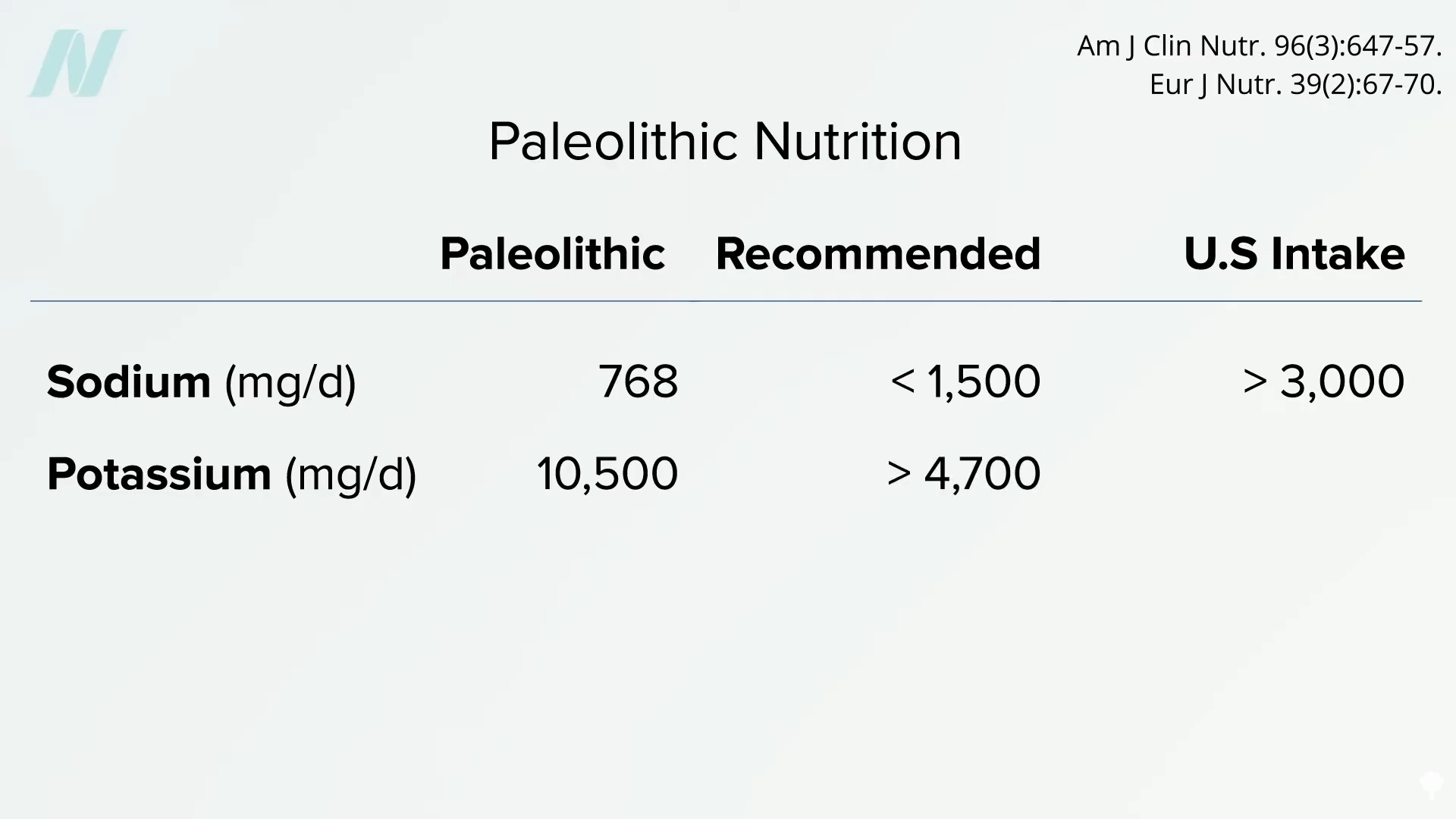
The American diet, heavily influenced by processed and ultra-processed foods, has drifted far from the nutritional blueprint our bodies evolved to thrive on. This deviation has created a critical dual imbalance: a severe overconsumption of sodium coupled with a dramatic deficiency in potassium. Historically, human diets were characterized by a high intake of potassium-rich plant foods and a naturally low intake of sodium. Our ancestors likely consumed around 750 milligrams of sodium daily, a stark contrast to today’s average American intake, which often exceeds four times that amount. Even the American Heart Association (AHA) recommends staying below 1,500 milligrams of sodium per day for most adults, a target that a staggering 98.8% of Americans failed to meet over a decade ago, with trends indicating an exacerbation of this issue in recent years. This rising trend in sodium consumption, observed over the last decade, further highlights a worsening public health trajectory.
Conversely, potassium, a vital mineral that plays a crucial role in blood pressure regulation, nerve function, fluid balance, and overall cardiovascular health, is conspicuously absent from modern diets. While our evolutionary biology suggests an ancestral intake exceeding 10,000 milligrams of potassium daily, current recommendations typically suggest around half that amount to maintain health. Yet, fewer than 2% of U.S. adults consume the recommended daily minimum intake of potassium, meaning over 98% of Americans subsist on potassium-deficient diets. This deficiency is particularly alarming given potassium’s counterbalancing effect on sodium, acting as a natural hypotensive agent. The combined failure to manage both these essential electrolytes results in an astonishing statistic: fewer than 0.015% of individuals in the United States successfully meet both the recommended sodium and potassium guidelines. This means only approximately 1 in 6,000 Americans achieves the optimal balance, underscoring the scale of the dietary crisis.
The Global Burden of Unhealthy Diets: Quantifying the Toll on Healthy Life
The impact of these dietary shortcomings extends far beyond individual health, manifesting as a significant global burden of disease. Data indicates that while physical inactivity accounts for over 10 million years of healthy life lost worldwide, the consequences of unhealthy diets are nearly 20 times more devastating. This is often measured in Disability-Adjusted Life Years (DALYs), a metric that combines years of life lost due to premature mortality and years lived with disability. The hundreds of millions of DALYs attributed to poor nutrition underscore the pervasive and chronic nature of diet-related illnesses, ranging from cardiovascular diseases and type 2 diabetes to certain cancers and inflammatory conditions.

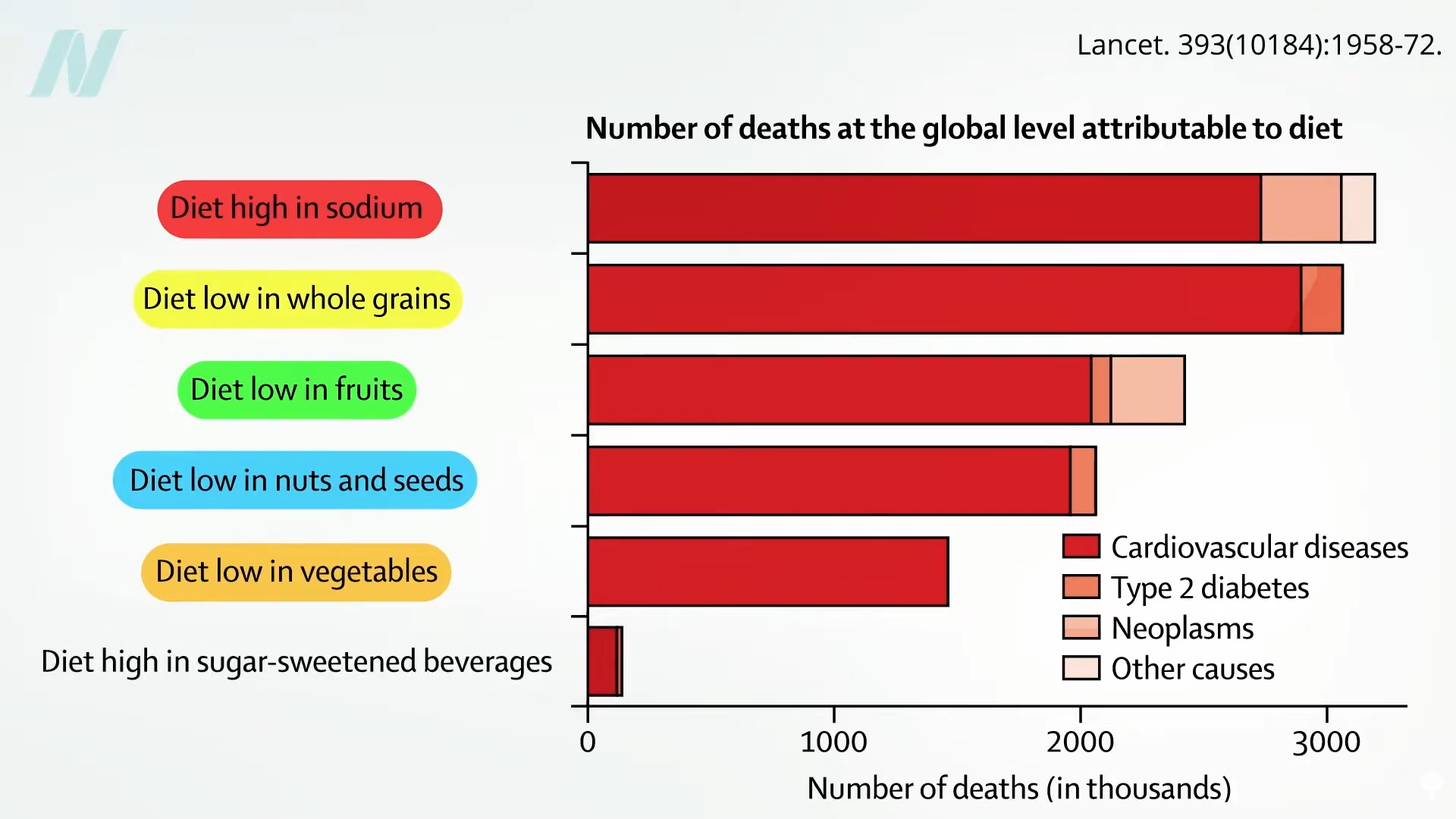
The worst aspects of our diets are not merely about what we consume in excess, but critically, what we lack. Four out of the five deadliest dietary traps involve insufficient intake of crucial food groups: not eating enough whole grains, fruits, nuts and seeds, and vegetables. These foods are the primary natural sources of fiber, vitamins, minerals, and phytonutrients, including the much-needed potassium. However, the single most fatal dietary flaw identified is the excessive consumption of salt. Its impact is profound, estimated to be approximately 15 times deadlier than diets excessively high in sugary beverages like soda, highlighting the severe and often underestimated danger of widespread sodium overconsumption. This perspective helps to contextualize the immense public health challenge posed by salt intake compared to other widely recognized dietary concerns.
Sodium’s Multifaceted Threat: Beyond Blood Pressure
The detrimental effects of excessive sodium intake are well-documented and far-reaching. High sodium levels are unequivocally linked to elevated blood pressure, a primary risk factor for heart disease and stroke. This cause-and-effect relationship has been robustly demonstrated through more than a hundred randomized controlled trials, consistently showing that reducing added salt leads to a significant fall in blood pressure, with greater reductions correlating with stricter salt limitations. This scientific consensus forms the bedrock of public health recommendations.
However, the damage inflicted by sodium extends beyond its well-known impact on hypertension. Excessive sodium intake is a significant contributor to systemic inflammation. Research has linked higher sodium levels to increased disease activity in inflammatory autoimmune conditions such as multiple sclerosis (MS). Patients with medium or high sodium intakes have been observed to experience roughly three to four times the exacerbation rate compared to those consuming less than a teaspoon of salt per day. Similarly, elevated sodium levels have been correlated with increased tissue inflammation in lupus patients and decreased structural integrity in the spinal cords of MS patients. These findings suggest a broader role for sodium in exacerbating autoimmune responses.
Emerging research also suggests a potentially critical role for the gut microbiome in mediating some of salt’s harmful effects. High sodium intake has been shown to disrupt the delicate balance of friendly gut flora, potentially contributing to inflammation and other adverse health outcomes, further complicating the picture of sodium’s impact on overall health. This disruption to the microbiome could represent a novel mechanism by which excessive salt contributes to chronic disease.
The Modern Dietary Landscape: Where Sodium Hides and Potassium Lacks
A significant challenge in addressing sodium overconsumption is its ubiquitous presence in processed foods. The vast majority of sodium in the modern diet comes not from the salt shaker at the dinner table, but from packaged and restaurant foods. These "crappy foods," as some experts describe them, are often engineered to be highly palatable, contributing to overconsumption and making it difficult for consumers to track their intake. This often leads to the perception that increased salt intake is merely a marker for an overall "bad diet." While it is true that high-sodium foods are frequently less nutritious, the direct causal link between salt and high blood pressure, inflammation, and other health issues remains clear, irrespective of other dietary factors.
Conversely, potassium is naturally abundant in whole, unprocessed plant foods such as fruits (bananas, oranges, avocados), vegetables (spinach, potatoes, sweet potatoes), legumes (beans, lentils), and nuts and seeds. The modern dietary shift away from these nutrient-dense staples towards highly processed, often salt-laden alternatives, directly contributes to the widespread potassium deficiency observed today. This dietary pattern creates a perfect storm for cardiovascular disease and other chronic health problems, as the body struggles to maintain the delicate electrolytic balance essential for optimal physiological function. The convenience-driven food system inadvertently creates a double burden: promoting sodium excess while simultaneously depriving the body of crucial potassium.
Official Calls to Action and Public Health Directives
The severity of this public health crisis has not gone unnoticed by leading health authorities. A former commissioner of the U.S. Food and Drug Administration (FDA) emphatically stated, "There remains no single more effective public health action related to nutrition than the reduction of sodium in the diet." This strong declaration underscores the consensus among experts regarding the urgency and potential impact of sodium reduction strategies.
National and international health organizations, including the World Health Organization (WHO) and the Centers for Disease Control and Prevention (CDC), have long advocated for comprehensive approaches to tackle excessive sodium intake. These include public education campaigns, voluntary targets for food manufacturers to reduce sodium in processed foods, and even calls for mandatory warning labels on salt packets and shakers. Proposed warning messages are direct and unequivocal: "Too much sodium in the diet causes high blood pressure and increases risk of stomach cancer, stroke, heart disease, and kidney disease. Limit your use." Such measures aim to raise consumer awareness and empower individuals to make healthier choices, while also pushing the food industry towards healthier product formulations. These organizations emphasize that a concerted effort from governments, industry, and individuals is essential to reverse current trends.
For potassium, the emphasis is primarily on increasing the consumption of whole, plant-based foods. Public health campaigns often highlight the benefits of a diet rich in fruits, vegetables, and legumes, not only for their potassium content but also for their overall nutritional value and disease-preventing properties, advocating for broader dietary pattern shifts rather than sole focus on supplements.
Exploring Solutions: Dietary Shifts and the Promise of Salt Substitutes
Addressing the staggering 99.99% non-compliance rate requires a multi-pronged approach encompassing both individual dietary changes and broader systemic interventions. On an individual level, shifting towards a diet rich in whole, unprocessed foods – abundant in fruits, vegetables, whole grains, nuts, and seeds – is paramount. This approach naturally increases potassium intake while simultaneously reducing exposure to the high levels of hidden sodium found in processed items. Cooking at home more frequently, using herbs and spices instead of salt for flavor, and carefully reading nutrition labels are practical steps individuals can take to regain control over their dietary intake. Educational initiatives can play a key role in empowering consumers with the knowledge and skills to make these changes.
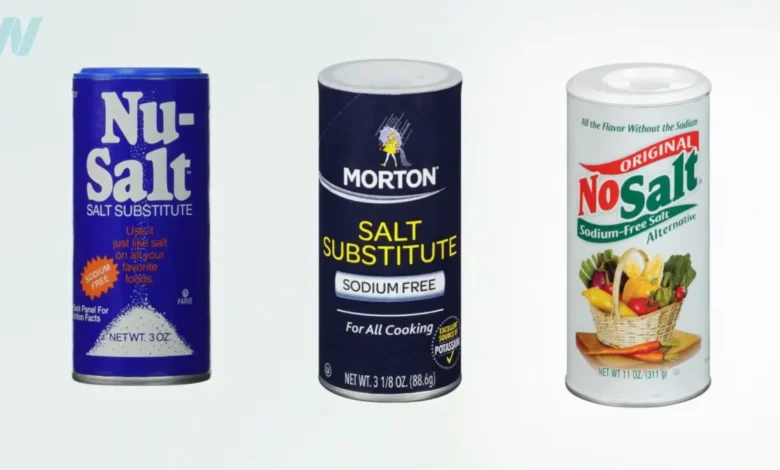
Beyond dietary modifications, the scientific community is exploring innovative solutions to mitigate the risks associated with current dietary patterns. One such avenue involves the use of potassium-based salt substitutes. These products, typically containing potassium chloride instead of sodium chloride, offer a salty taste while simultaneously reducing sodium intake and increasing potassium consumption. This concept appears to offer a "two birds with one stone" solution to the dual imbalance, particularly appealing to those accustomed to the taste of salt.
However, the efficacy and safety of widespread adoption of potassium chloride salt substitutes warrant careful investigation. Questions remain regarding their long-term health effects, particularly for individuals with certain medical conditions, such as kidney disease where potassium excretion might be impaired, and their overall impact on taste preferences and dietary adherence. Future research and public health guidance will be crucial in determining the appropriate role of these substitutes in a comprehensive strategy to improve population-level sodium and potassium balance, ensuring they are both safe and effective for diverse populations.
The Path Forward: A Call for Integrated Action
The alarming statistics surrounding sodium and potassium intake in the United States present a clear and urgent call for action. The profound health implications, ranging from cardiovascular disease and stroke to inflammatory conditions and kidney disease, underscore the necessity of addressing this dietary crisis with renewed vigor. This requires an integrated approach that combines robust public health education, supportive policy measures, and continued research into effective dietary interventions and alternatives.
Consumers must be empowered with knowledge and access to affordable, healthy food options. Policies supporting urban farming, community gardens, and subsidies for fresh produce can improve access, especially in food deserts. The food industry bears a significant responsibility to reformulate products to reduce sodium and enhance potassium content, moving beyond voluntary guidelines to potentially mandatory reductions. Healthcare providers must play a critical role in educating patients about the importance of these minerals and guiding them toward healthier dietary patterns through personalized nutritional counseling. Only through such concerted and collaborative efforts can societies hope to reverse the tide of diet-related diseases and move towards a future where optimal nutrition is the norm, not a rare exception, allowing individuals to live longer, healthier, and more disability-free lives. The journey toward better health for all begins with recognizing the critical importance of these fundamental dietary components and taking decisive action to restore balance.
Related posts: