The Silent Saboteur: How Night Lights and Artificial Illumination Disrupt Sleep, Hormones, and Overall Health


The consensus among leading health experts worldwide is unequivocal: sleep is not merely a period of rest but a fundamental pillar of human health, as critical as nutrition and exercise. Yet, a seemingly innocuous household item – the night light – alongside the pervasive spread of artificial illumination, has emerged as a significant disruptor, subtly sabotaging the restorative power of darkness and posing long-term health risks. This disruption extends far beyond mere sleep quality, impacting hormonal balance, metabolic function, mental health, and even increasing the risk of chronic diseases.
The Foundational Role of Darkness in Human Physiology
For millennia, human physiology evolved under a natural rhythm of bright daylight and profound nighttime darkness. This inherent biological clock, known as the circadian rhythm, orchestrates a vast array of bodily functions, from hormone secretion to cellular repair. Central to this rhythm is melatonin, often dubbed the "hormone of darkness," which is produced by the pineal gland in response to decreasing light levels. Melatonin signals to the body that it is time to prepare for sleep, promoting drowsiness and facilitating deep, restorative rest.
The modern era, however, has profoundly altered this natural light-dark cycle. The advent of electric lighting, particularly over the last century, has allowed humans to extend their days indefinitely, bathing nights in an artificial glow previously unimaginable. While offering undeniable societal benefits, this constant illumination has come at a biological cost. Even low-intensity light exposure during sleep, such as that emitted by a typical night light, can significantly inhibit melatonin secretion. Research by experts like PhD Joyce Walseben highlights that the brain can detect light even through closed eyelids, sending confusing signals that disrupt the delicate hormonal cascade essential for healthy sleep and overall physiological regulation. This constant battle against our evolutionary programming creates a state of chronic circadian disruption.
Unpacking the Health Consequences: A Broad Spectrum of Risk
The implications of nighttime light exposure and subsequent sleep disruption are far-reaching, manifesting across multiple bodily systems and increasing vulnerability to a range of serious health conditions.
Elevated Cancer Risk: One of the most alarming links identified by scientific research is between nighttime light exposure and an increased risk of certain cancers. A report from the Centers for Disease Control and Prevention (CDC) notably observed that profoundly blind women exhibited less than half the breast cancer risk of women with normal vision. Similarly, profoundly blind men showed less than half the risk of other cancers compared to normally sighted men. Crucially, this reduced risk was absent in individuals who were legally blind but could still perceive light, suggesting that the perception of light, not merely visual acuity, is the critical factor.
This phenomenon is further evidenced in studies concerning shift workers – individuals whose occupations necessitate working during natural nighttime hours. These workers are routinely exposed to artificial blue-spectrum light, which is particularly effective at suppressing melatonin. Numerous studies have consistently shown that shift work raises the risk of death from all causes, with a strong correlation to increased cancer incidence, including breast, prostate, and colorectal cancers. The prevailing hypothesis attributes this heightened risk to chronic circadian disruption, which can impair DNA repair mechanisms, alter immune function, and interfere with tumor suppressor genes. The World Health Organization (WHO) has even classified shift work that involves circadian disruption as a probable carcinogen.
Metabolic Dysfunction and Obesity: Chronic sleep deprivation and circadian misalignment also profoundly impact metabolic health. A 2024 study published in Biomedicines specifically highlighted that children who achieve quality sleep are significantly less prone to struggling with obesity. The study further posited that healthy sleep positively influences the epigenetics that govern genes associated with obesity. The mechanisms behind this link are multifaceted: sleep deprivation can disrupt the delicate balance of appetite-regulating hormones such as leptin (which signals fullness) and ghrelin (which stimulates hunger), leading to increased caloric intake. Furthermore, it can impair insulin sensitivity, increasing the risk of type 2 diabetes and affecting how the body processes and stores carbohydrates. Dr. Phyllis Zee, Director of the Sleep Disorders Center at Northwestern Memorial Hospital, underscores that "Perhaps even more important than sleep duration is the effect of day to day variability of sleep wake timing on weight regulation," emphasizing the critical role of consistent sleep schedules.
Hormonal Imbalance and Endocrine Disruption: Beyond melatonin and appetite hormones, nighttime light exposure can wreak havoc on the entire endocrine system. It can elevate cortisol levels, the body’s primary stress hormone, disrupting the hypothalamic-pituitary-adrenal (HPA) axis. Chronic cortisol elevation is linked to numerous health issues, including anxiety, weight gain, and impaired immune function. Furthermore, imbalances in sex hormones, thyroid hormones, and growth hormone can ensue, impacting reproductive health, metabolism, and growth, particularly in children. The body’s recovery and repair processes, which largely occur during deep sleep, are compromised, leading to systemic stress.
Cognitive Impairment and Mental Health: The brain’s nightly "cleanup" – a process where it clears metabolic waste and consolidates memories – is heavily reliant on uninterrupted sleep in darkness. Disruptions from light can lead to "brain fog," reduced cognitive function, impaired decision-making, and diminished creativity. Moreover, a significant body of research links chronic sleep deprivation and circadian disruption to an increased risk of mental health disorders, including depression, anxiety, and mood dysregulation. The absence of sufficient darkness deprives the brain of the necessary conditions for optimal neuronal repair and neurotransmitter regulation.
The Unique Vulnerability of Children
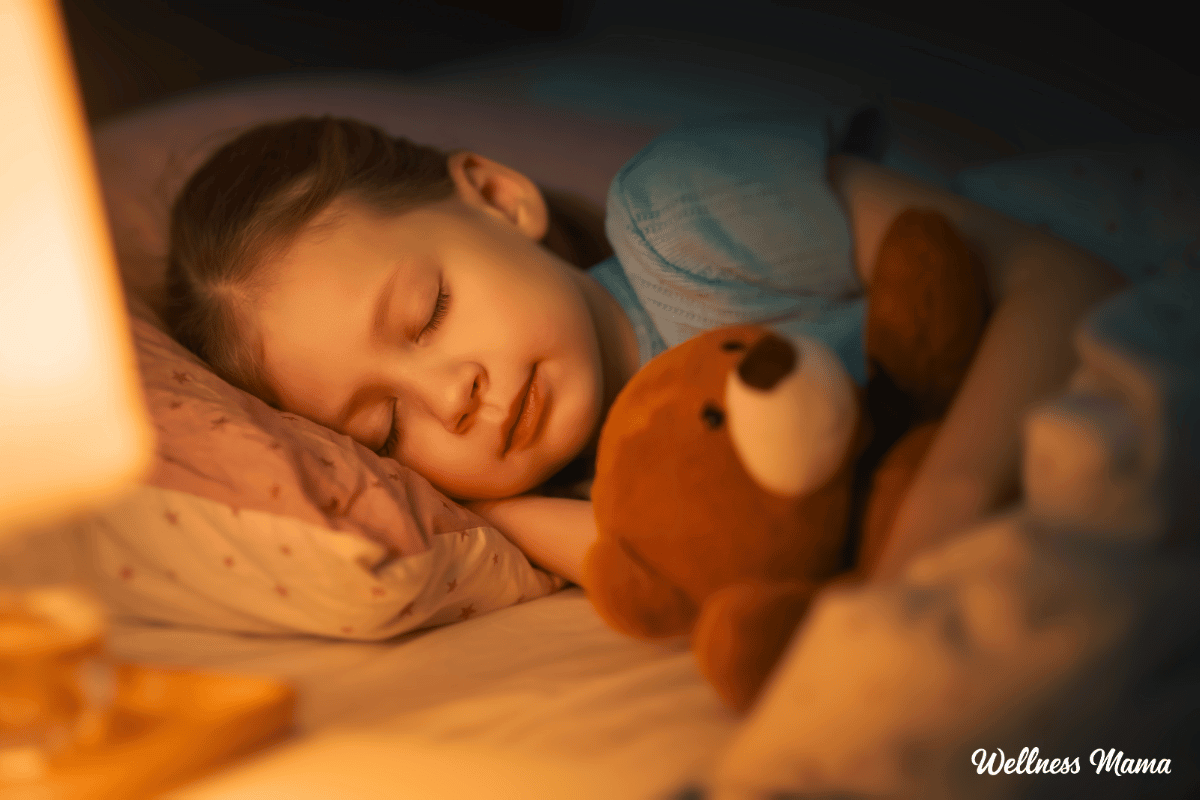
While sleep is critical for all age groups, it holds paramount importance for children, whose brains and bodies are undergoing rapid development. During sleep, children’s brains organize information, consolidate memories, and engage in crucial growth and recovery processes. Consequently, children experiencing insufficient or disrupted sleep due to nighttime light exposure may face a heightened risk of:
- Behavioral issues: Increased irritability, hyperactivity, and difficulty with emotional regulation.
- Cognitive deficits: Problems with attention, learning, and academic performance.
- Growth impairment: Sleep is essential for the release of growth hormone.
- Weakened immune system: Making them more susceptible to illness.
- Increased accident risk: Due to fatigue and impaired judgment.
Blue light, prevalent in most modern screens and many night lights, is particularly detrimental at night. Its short wavelength effectively signals "daytime" to the brain, suppressing melatonin production more intensely than other light spectrums. Conversely, exposure to morning sunlight is equally vital for children, as it helps to correctly set their circadian rhythms for the day, thereby paving the way for healthy sleep at night.
Historical Context: A Recent Deviation from Natural Cycles
The concept of constant nighttime illumination is a relatively new phenomenon in human history. For hundreds of thousands of years, human ancestors relied on natural light sources – the sun during the day, and the moon and stars at night, occasionally supplemented by firelight. There was a clear, distinct separation between light and darkness. Even with the advent of candles and oil lamps, these sources provided limited, localized light that did not permeate the sleeping environment continuously.
The widespread electrification of homes and cities, beginning in the late 19th and early 20th centuries, marked a radical departure. Suddenly, darkness became an optional state, easily banished by the flick of a switch. While this technological leap brought immense progress, it inadvertently introduced a chronic environmental stressor to which human biology has not yet adapted. Our internal clocks remain tethered to the ancient rhythms of light and dark, making the modern illuminated night a constant challenge to our physiological well-being.
Practical Interventions for Restoring Natural Darkness
Recognizing the profound impact of nighttime light, experts advocate for deliberate changes in our home environments and daily routines to restore natural darkness. Implementing these strategies can lead to significant improvements in sleep quality, energy levels, and overall health.
Strategic Lighting Choices:
- Embrace Complete Darkness: The primary goal for bedrooms, especially for children, should be absolute darkness. This means eliminating night lights, blocking external light sources with blackout curtains, and removing any devices with glowing indicators.
- Amber and Red Light for Nocturnal Navigation: If some light is necessary for safety, such as for trips to the bathroom or in hallways, amber or red-spectrum lights are preferred. These wavelengths have a minimal impact on melatonin production compared to blue or white light. Specialized amber light bulbs for evening use and red light night lights are commercially available and recommended for these transitional spaces. Himalayan salt lamps, which emit a soft, reddish glow, can also serve this purpose in common areas.
- Morning Sunlight Exposure: Counterbalancing nighttime darkness with adequate morning light is crucial. Encouraging habits like stepping outside shortly after waking helps to reinforce the body’s natural circadian rhythm, signaling the start of the biological day.
Establishing a Healthy Sleep Environment and Routine:
- Consistent Bedtime Routine: For children, a predictable nighttime routine is invaluable. This could include a warm bath, reading a story under amber light, followed by a gradual transition to complete darkness.
- Screen-Free Zones: All blue light-emitting screens (phones, tablets, computers, TVs) should be avoided for at least 1-2 hours before bedtime, especially in bedrooms.
- Temperature Regulation: A cool sleeping environment further supports healthy sleep.
- Sound Management: Using a white noise or sound machine can help mask disruptive external noises, creating a more peaceful sleep sanctuary.
Engaging Children in the Process:
Transitioning children from reliance on night lights to complete darkness requires patience and understanding. Experts suggest involving children in the decision-making process by explaining the scientific reasons behind the changes in age-appropriate terms. Framing it as a way to make their bodies stronger and smarter can empower them to embrace the shift. Gradual changes, such as initially leaving the door ajar with a hallway salt lamp, and slowly moving towards a closed door with complete darkness, can ease the transition.
Broader Societal Implications and Future Directions
The pervasive nature of artificial light represents a significant public health challenge in the 21st century. Addressing this requires not only individual lifestyle adjustments but also broader societal awareness and policy considerations. Urban planning, for instance, could incorporate "dark sky" principles to minimize light pollution, benefiting not only human health but also nocturnal wildlife. Manufacturers of lighting and electronic devices have a role to play in developing products that are more circadian-friendly, particularly for evening use.
Educational campaigns are vital to inform the public about the critical importance of darkness and healthy sleep hygiene. As research continues to uncover the intricate connections between light, sleep, and chronic disease, the emphasis on creating dark, restorative sleep environments will only grow.
Conclusion
The seemingly innocent night light and the broader phenomenon of ubiquitous artificial illumination at night are no longer subjects of minor concern but rather crucial determinants of public health. The scientific evidence consistently points to a profound disruption of human physiology, impacting everything from cancer risk and metabolic health to cognitive function and emotional well-being. By embracing the simple yet powerful principle of darkness during sleep, individuals can reclaim their natural biological rhythms, fostering healthier lives for themselves and future generations. The conversation about sleep must evolve beyond mere duration to encompass the quality and environmental conditions that underpin truly restorative rest, with darkness at its very core.
Related posts: