The universal human aspiration for a prolonged and healthy existence has never been more pronounced, nor has the landscape of advice on achieving it been more complex and saturated. For many, the answer to living longer and healthier is an unequivocal "yes," fueling a multi-billion dollar wellness industry promising not just improvement, but "optimization" of health. From reversing chronic diseases to extending youthful vitality, or even pushing the boundaries of human lifespan beyond 100 years, an ever-growing chorus of fitness influencers, authors, and podcasters offer an array of protocols, often presented as groundbreaking solutions. However, a critical examination reveals a pressing question: are these ultra-specific, advanced regimens truly necessary or effective, and what is their actual cost in terms of effort, time, and financial investment? Most importantly, are the perceived benefits genuinely worth the trade-offs involved in pursuing these often rigorous and resource-intensive paths? This inquiry delves into the intricate balance between the desire for extended healthspan and the practical realities of achieving it, aiming to provide clarity on how individuals can pursue longevity while maintaining a life of enjoyment and fulfillment.
The Global Pursuit of Longevity and Healthspan
The desire to live longer and healthier is deeply embedded in the human psyche, a quest spanning millennia from ancient myths of immortality to modern scientific endeavors. In the 21st century, this aspiration has gained significant traction, driven by advancements in medicine, nutrition, and public health that have collectively increased global life expectancy. According to the World Health Organization (WHO), global life expectancy at birth rose by 5.5 years between 2000 and 2019, reaching 73.4 years. While this represents a monumental achievement, it has simultaneously brought into focus the critical distinction between "lifespan" – the sheer number of years lived – and "healthspan" – the period of life spent in good health, free from chronic disease and disability. The modern emphasis has shifted from merely extending life to enhancing its quality, ensuring that additional years are lived vibrantly and independently.
This societal shift has given rise to a booming "wellness industry," estimated to be worth over $5 trillion globally by the Global Wellness Institute. This vast sector encompasses everything from traditional fitness and nutrition to alternative therapies, anti-aging products, and cutting-edge biohacking tools. While much of this industry genuinely contributes to public health and well-being, a significant segment thrives on promising "optimal" health through highly specialized, often expensive, and sometimes scientifically unproven methods. The allure of achieving peak physical and cognitive function, slowing the aging process, or even "reversing" biological age, resonates deeply in an era characterized by an abundance of information and a pervasive culture of self-improvement.
The Evolution of Health "Optimization"
The concept of health optimization has evolved dramatically over the past few decades. Initially, public health messages focused on foundational principles: eating a balanced diet, engaging in regular physical activity, getting adequate sleep, and managing stress. These remain the bedrock of good health and are supported by decades of robust scientific evidence. However, with the advent of advanced technology, personalized medicine, and the democratization of information (and misinformation) through digital platforms, the narrative expanded into "optimization."
The chronology of this evolution can be traced from general wellness advice in the mid-20th century to the rise of specialized diets (e.g., Atkins, Zone) in the late 20th century, culminating in the current era of "biohacking" and hyper-personalization. The early 2000s saw a surge in interest in functional medicine, emphasizing root causes of disease and individualized treatment plans. By the 2010s, wearable technology made personal health data tracking accessible to the masses, fostering a culture of self-quantification. This paved the way for the "biohacking" movement, popularized by figures like Dave Asprey, who advocated for radical self-experimentation with diet, supplements, technology, and lifestyle interventions to enhance physical and cognitive performance.
Today, the landscape is dominated by a diverse array of "optimization" claims. These range from specific dietary protocols like ketogenic or carnivore diets, extreme fasting regimens (e.g., 72-hour fasts, multi-day water fasts), and targeted supplement stacks (e.g., NAD+ precursors, NMN, peptides, nootropics) to advanced therapeutic interventions such as cryotherapy, hyperbaric oxygen therapy, intravenous nutrient drips, and even experimental gene therapies. Social media platforms, podcasts, and online communities have become primary conduits for disseminating these protocols, often presented by influencers who leverage personal anecdotes and charismatic storytelling to build significant followings. The promise is often one of unlocking "unlimited potential" or achieving a state of health far beyond what is considered "normal," pushing the boundaries of human performance and longevity.
Scrutinizing the Claims: Efficacy vs. Effort and Evidence
The central question, therefore, revolves around the scientific validity and practical necessity of these advanced optimization protocols. While the allure of a quick fix or a secret formula for eternal youth is strong, a critical evaluation through a journalistic lens requires distinguishing between evidence-based strategies and those that rely heavily on anecdotal reports, preliminary studies, or marketing hype.
Mainstream scientific and medical communities, including institutions like the Centers for Disease Control and Prevention (CDC), the National Institutes of Health (NIH), and the WHO, consistently emphasize the foundational pillars of health and longevity. These include:
- Balanced Nutrition: A diet rich in whole, unprocessed foods, abundant fruits, vegetables, lean proteins, and healthy fats.
- Regular Physical Activity: A combination of aerobic exercise, strength training, and flexibility/balance work, tailored to individual capabilities.
- Adequate Sleep: 7-9 hours of quality sleep per night for most adults.
- Stress Management: Effective techniques to mitigate chronic stress, such as mindfulness, meditation, or engaging in hobbies.
- Social Connection: Strong relationships and community engagement have been repeatedly linked to improved mental and physical health and increased longevity.
- Avoidance of Harmful Substances: Limiting alcohol intake, avoiding tobacco and illicit drugs.
These foundational habits, often termed the "low-hanging fruit" of health, are supported by a vast body of epidemiological and interventional research. They are accessible, cost-effective, and demonstrably effective in preventing chronic diseases, improving quality of life, and extending healthspan.
In contrast, many "ultra-specific, advanced protocols" touted for optimization often lack the same level of robust, long-term, peer-reviewed scientific validation. For instance, while intermittent fasting has shown promising results in some studies, extreme prolonged fasting carries risks and its long-term benefits for healthy individuals over conventional calorie restriction are still under active investigation. Similarly, the efficacy of megadosing specific vitamins or supplements (e.g., NAD+ precursors) in otherwise healthy individuals, beyond correcting a deficiency, remains largely unproven in large-scale human trials, despite compelling in-vitro or animal studies. Advanced biomarker testing, while offering insights, can also lead to "over-treatment" or anxiety over minor fluctuations that may not signify clinical disease.
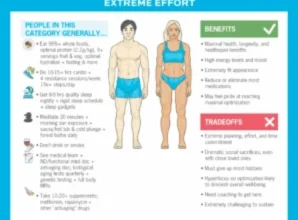
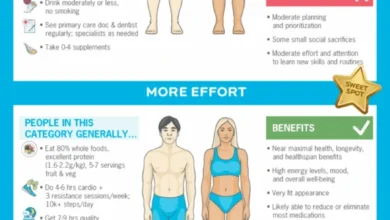
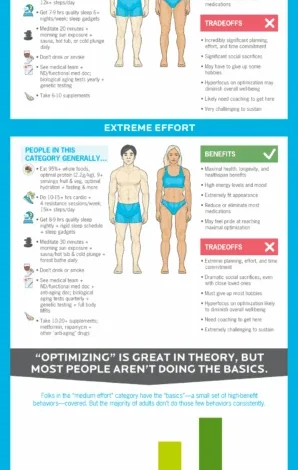
The concept of "diminishing returns" is particularly relevant here. The initial investment in foundational health habits yields the most significant health improvements. For example, moving from a sedentary lifestyle to moderate regular exercise provides substantial benefits. However, progressing from moderate exercise to an elite athlete’s training regimen, while offering marginal performance gains, often comes with disproportionately higher risks of injury, burnout, and time commitment, with less clear additional healthspan benefits for the average person. The same principle applies to nutrition and other lifestyle interventions. The marginal gains offered by extreme optimization strategies often come at a significant cost in terms of effort, time, and potential psychological burden, without guaranteed superior outcomes compared to a well-executed foundational approach.
The "True Cost" Beyond the Price Tag
The "true cost" of pursuing optimal health extends far beyond the financial outlay, encompassing significant investments of time, mental energy, and even social capital. While proponents often highlight potential breakthroughs, critics and many health professionals caution against overlooking these broader trade-offs.

Financial Cost: The monetary investment required for advanced optimization protocols can be substantial. Specialized diets often necessitate expensive organic produce, niche ingredients, and high-quality protein sources. Supplement regimens can easily run into hundreds or even thousands of dollars per month, especially when incorporating high-dose vitamins, adaptogens, or proprietary anti-aging compounds like NMN or peptides. Advanced diagnostic tests, such as comprehensive genetic analyses, gut microbiome sequencing, or extensive blood biomarker panels, can cost hundreds to thousands of dollars, often not covered by standard health insurance. Furthermore, high-tech devices – from advanced sleep trackers and continuous glucose monitors to infrared saunas and cryotherapy chambers – represent significant one-time or recurring expenses. Consultations with specialized "longevity doctors" or biohacking coaches, who often operate outside conventional insurance frameworks, also add to the financial burden.
Time Commitment: Adhering to ultra-specific protocols is inherently time-consuming. This can involve meticulous meal preparation and tracking, dedicating several hours daily to rigorous exercise, managing complex supplement schedules, and conducting regular self-monitoring and data analysis. For example, preparing nutrient-dense, specific meals from scratch, rather than relying on simpler options, demands significant kitchen time. Intense training regimens require not just the workout itself, but also travel to specialized gyms, warm-ups, cool-downs, and recovery protocols. The constant research into new trends, verification of claims, and adjustment of protocols also consumes valuable personal time.
Mental and Emotional Toll: Perhaps the most overlooked aspect of the "true cost" is the psychological burden. The relentless pursuit of perfection can foster an unhealthy obsession with health, potentially leading to orthorexia – an eating disorder characterized by an unhealthy obsession with eating "healthy" food. The fear of "falling off the wagon" or not achieving promised results can induce significant stress, anxiety, and guilt. Constant self-monitoring, tracking every metric from sleep cycles to blood glucose, can transform health into a source of chronic worry rather than well-being. This hyper-vigilance can erode spontaneity and joy in daily life.
Social and Opportunity Cost: Extreme dietary restrictions or rigid lifestyle schedules can lead to social isolation. Dining out with friends, attending family gatherings, or participating in social events often becomes challenging when one adheres to highly specific food rules or requires strict adherence to sleep and exercise timings. This can strain relationships and reduce opportunities for social connection, a known determinant of longevity and happiness. The opportunity cost also extends to what individuals might otherwise do with the time, money, and mental energy diverted to these optimization efforts. Could that financial investment be better spent on experiences, education, or family? Could that mental energy be directed towards creative pursuits, community service, or deeper personal relationships? The original article wisely poses the question of "living a life you enjoy," suggesting that an optimal life is not just about extending years, but enriching them.
Finding Sustainable Longevity: A Balanced Approach
In light of the significant trade-offs associated with extreme health optimization, a more balanced and sustainable approach to longevity and healthspan emerges as both practical and scientifically sound. This approach prioritizes foundational habits, integrates personalized insights without falling into extremism, and emphasizes enjoyment and overall well-being.
Prioritizing Foundational Health Habits: The overwhelming consensus from public health and medical experts underscores the power of consistent, evidence-based lifestyle choices.
- Nutrition: Focus on a diverse, whole-foods diet rich in fruits, vegetables, whole grains, lean proteins, and healthy fats. This forms the bedrock of metabolic health and disease prevention.
- Physical Activity: Engage in regular, moderate exercise that combines cardiovascular fitness, strength training, and flexibility. Aim for at least 150 minutes of moderate-intensity aerobic activity or 75 minutes of vigorous-intensity activity per week, along with muscle-strengthening activities on two or more days a week.
- Sleep: Prioritize 7-9 hours of quality sleep nightly. Establishing a consistent sleep schedule and creating a conducive sleep environment are crucial.
- Stress Management: Incorporate daily practices like mindfulness, meditation, spending time in nature, or engaging in hobbies to effectively manage stress, which profoundly impacts physiological health.
- Social Connection: Nurture strong relationships with family and friends. Social engagement is a powerful protective factor against cognitive decline and chronic disease.
- Preventive Care: Regular medical check-ups, screenings, and vaccinations are essential for early detection and management of potential health issues.
The Role of Personalization, Not Extremism: While generic advice is a good starting point, individual differences in genetics, lifestyle, and health status mean that a "one-size-fits-all" approach is rarely truly optimal. However, personalization does not equate to extremism. Consulting qualified professionals – such as registered dietitians, certified personal trainers, and medical doctors – can provide tailored advice based on individual needs and health goals, avoiding the pitfalls of generic influencer protocols. These professionals can interpret diagnostic data responsibly and recommend interventions that are both effective and sustainable.
Broader Impact and Implications
The proliferation of health optimization claims has significant broader implications for public health, ethical considerations within the wellness industry, and socio-economic disparities.
Public Health Challenge: One of the most significant challenges is navigating the vast and often contradictory information landscape. Public health campaigns struggle to cut through the noise generated by well-funded marketing efforts and charismatic influencers. This makes it difficult for individuals to discern evidence-based recommendations from speculative or unproven claims, potentially leading to suboptimal health choices or even harm.
Ethical Considerations: The wellness industry, particularly its "optimization" segment, faces ethical scrutiny. Critics argue that some companies and influencers exploit the universal desire for health and longevity, preying on insecurities and selling expensive products or services with exaggerated claims. There is a need for greater transparency, accountability, and ethical guidelines for promoting health and wellness products and protocols, particularly on digital platforms. Regulatory bodies often lag behind the rapid pace of innovation and marketing in this sector.
Socio-economic Disparities: The high cost associated with many advanced optimization protocols can exacerbate existing health disparities. "Optimal" health, when defined by access to expensive supplements, specialized tests, and exclusive therapies, becomes a luxury accessible primarily to the affluent. This creates a two-tiered system where foundational health is available to most, but the pursuit of "peak performance" or "extreme longevity" is reserved for those with significant financial resources, potentially widening the health gap between different socio-economic groups.
The Future of Longevity Research: It is crucial to distinguish between present-day consumer fads and genuine scientific advancements in longevity research. Fields like genomics, epigenetics, senolytics, and regenerative medicine hold immense promise for truly extending healthy human lifespan. However, these are complex areas of scientific inquiry, often years away from safe, effective, and widely available clinical applications. The "optimization" industry often prematurely markets research findings, creating unrealistic expectations and diverting attention from the long, rigorous process of scientific validation.
In conclusion, while the aspiration to live longer and healthier is deeply human, the path to achieving it need not be paved with extreme, costly, or time-consuming "optimizations." The vast majority of health and longevity benefits are derived from consistent adherence to foundational, scientifically-backed lifestyle habits: balanced nutrition, regular physical activity, adequate sleep, stress management, and strong social connections. These sustainable practices offer the best return on investment for physical, mental, and emotional well-being, allowing individuals to pursue health and longevity while living a life they genuinely enjoy. The core question – are the benefits worth the trade-offs? – for most individuals, finds its answer not in the relentless pursuit of perceived perfection through extreme measures, but in the mindful cultivation of sustainable, holistic well-being.
Related posts: