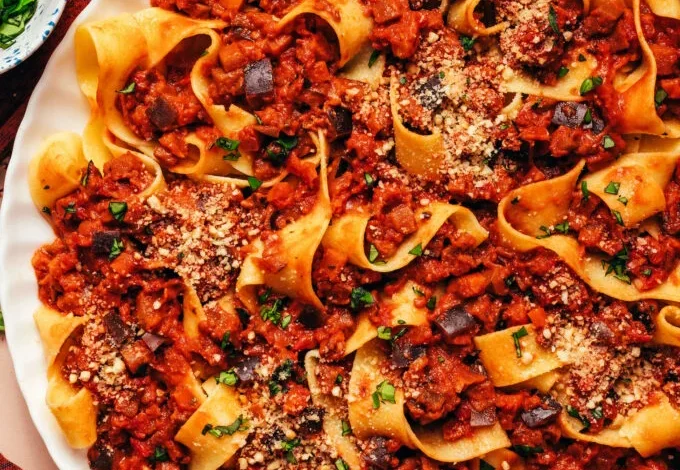
The culinary landscape has witnessed a significant shift over the past decade toward plant-forward dining, driven by rising consumer interest in sustainability, health consciousness, and culinary creativity. Home cooks and professional chefs alike continually seek innovative ways to reinvent traditional comfort foods without sacrificing the rich, deep flavors that define classic dishes. A prime example of this evolution is the reimagining of the classic Italian ragù, specifically Bolognese. Historically anchored in meats and prolonged simmering processes, modern adaptations have successfully integrated vegetables as primary structural and flavor components. The latest addition to this genre is a streamlined, one-pot eggplant bolognese designed to offer a hearty, savory, and dairy-free entrée that captures the essence of traditional Italian cuisine while catering to contemporary dietary preferences.
Origins and Evolution of Bolognese Sauce
To understand the innovation behind an eggplant-based alternative, one must examine the origins of the original dish. Traditional Bolognese sauce—officially known as ragù alla bolognese—hails from the city of Bologna in the Emilia-Romagna region of Italy. Historically documented as early as the late 18th century, the authentic preparation centers on a foundation of minced or finely chopped meats, including pork and beef, combined with a traditional soffrito consisting of finely diced onions, celery, and carrots. This base is cooked down with fats, wine, broth, and a modest amount of tomato paste or tomato sauce, frequently enriched with whole milk or cream to soften the acidity of the tomatoes.
Over generations, global interpretations of Bolognese have diverged significantly from the Emilia-Romagna official recipe registered with the Bologna Chamber of Commerce in 1982. In North America and parts of Europe, the term "Bolognese" has colloquially come to mean any thick, meat-heavy tomato sauce served over long strands of pasta such as tagliatelle or pappardelle.
In recent years, the plant-based culinary movement has sought to deconstruct these traditional formulas. Food science and home-cooking trends demonstrate that fibrous, umami-rich vegetables like mushrooms, lentils, tempeh, and chickpeas can successfully mimic the mouthfeel and density of ground meat. Eggplant, with its spongy cellular structure capable of absorbing fats and deeply concentrating flavors during a long sauté, has emerged as a premier candidate for mimicking the hearty texture of a traditional ragù.

Culinary Mechanics: Crafting One-Pot Eggplant Bolognese
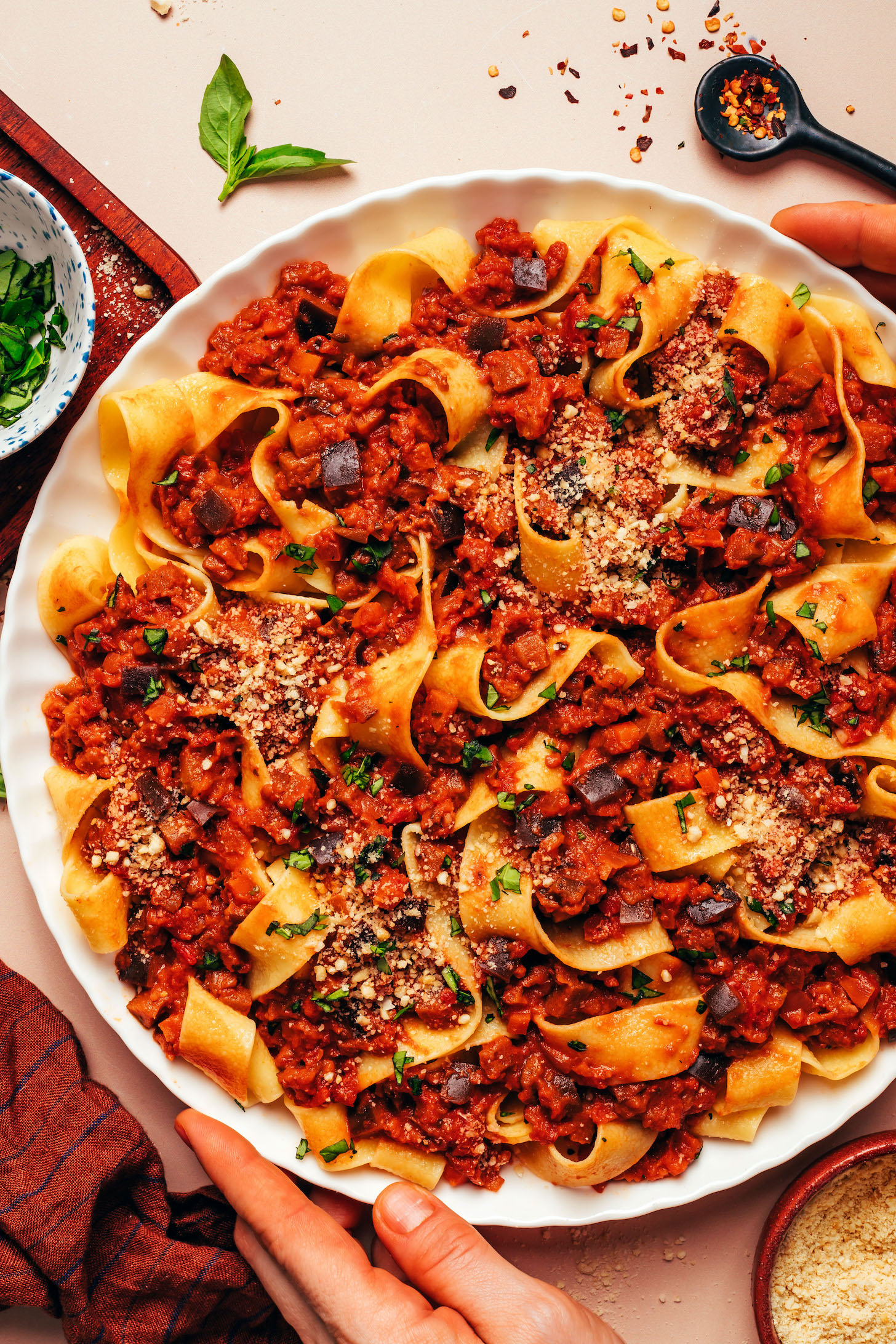
The appeal of the modern one-pot eggplant bolognese lies in its efficiency and the chemical transformations that occur during the cooking process. Standard culinary methodology for vegetable-based ragùs often requires multiple vessels—one for roasting or pre-cooking vegetables, another for boiling pasta, and a primary Dutch oven or heavy-bottomed pot for the sauce. This new iteration consolidates the entire cooking process into a single Dutch oven or heavy pot, minimizing cleanup while maximizing flavor retention.
The foundation of the dish begins with the classic soffrito framework, substituting celery with a finely diced combination of onions and carrots sautéed in olive oil to release natural sugars through caramelization. Once this base is established, finely cubed eggplant is introduced to the pot. Culinary experts note that cutting the eggplant into very small, uniform cubes is critical. This ensures the vegetable breaks down sufficiently during the cooking process, creating a meaty, emulsified consistency rather than distinct, spongy chunks of squash-like texture.
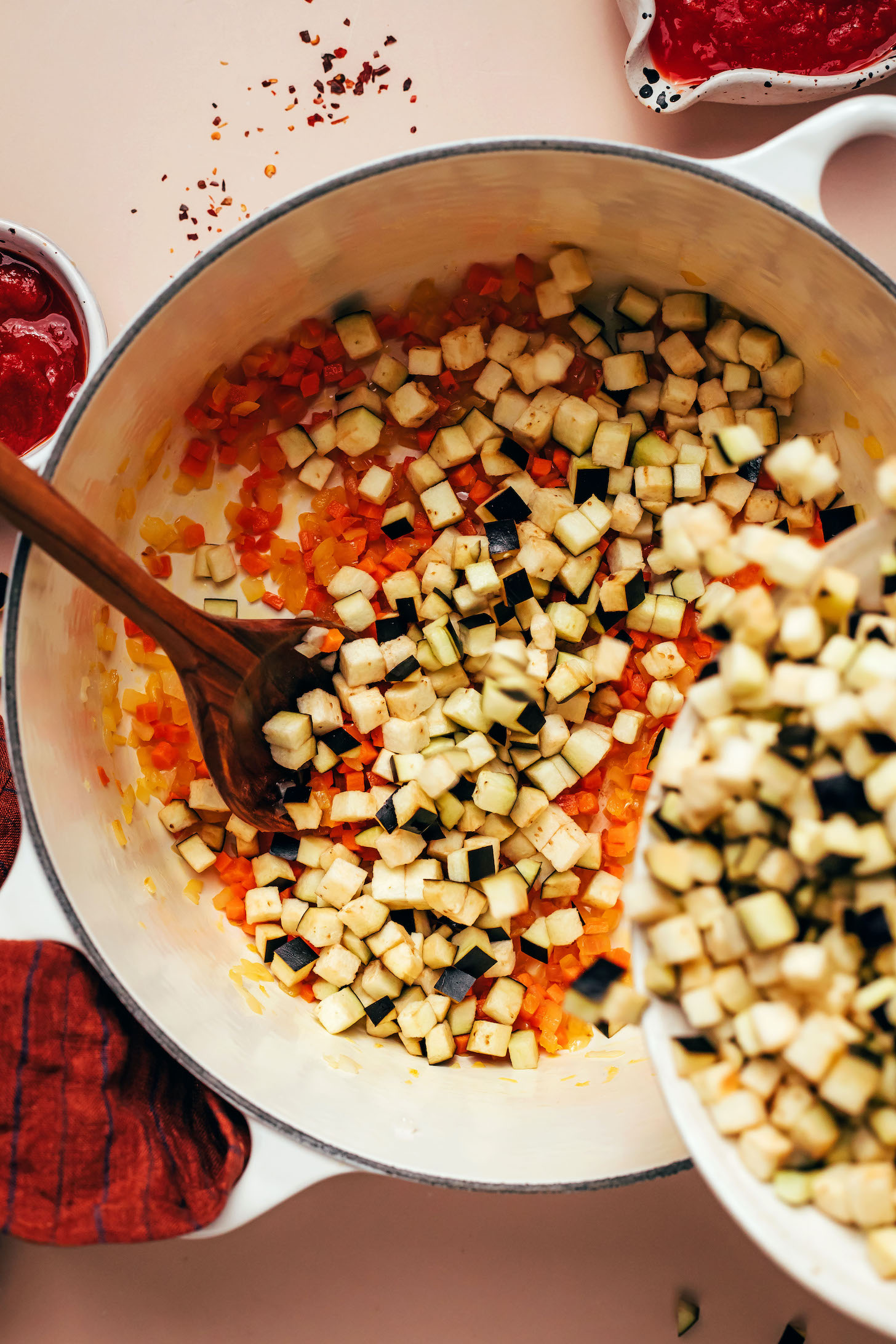
Flavor development is accelerated through targeted layering:
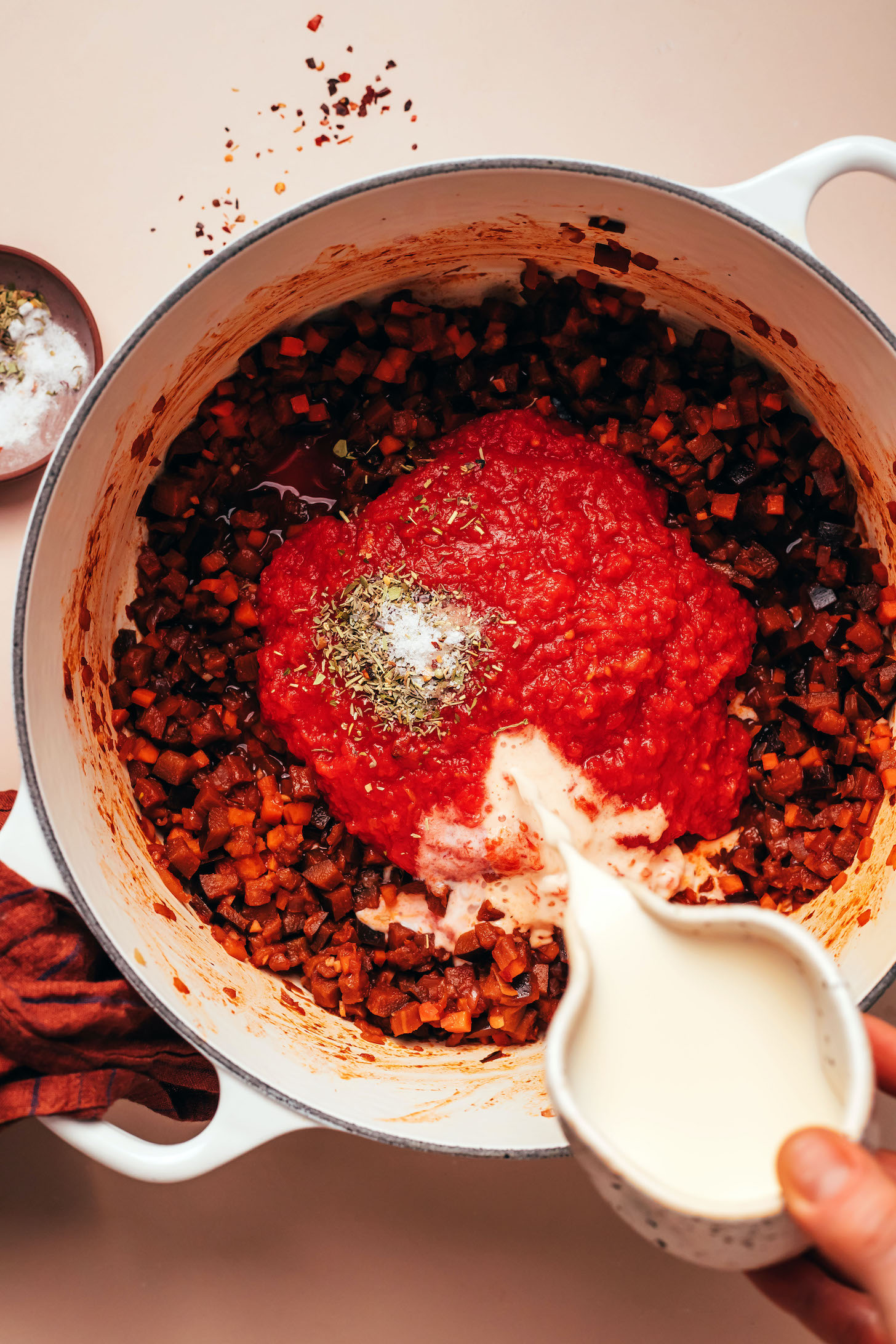
- Aromatics and Deglazing: Fresh minced garlic and red pepper flakes are added briefly before the pan is deglazed with red wine. The alcohol cooks off, lifting the browned fond from the bottom of the pot and imparting deep, complex acidity.
- Tomato Integration: Crushed tomatoes and tomato paste are incorporated to establish a bright, tomato-forward flavor profile.
- Creaminess and Balance: To replicate the traditional inclusion of dairy in a classic Bolognese, the recipe utilizes a plant-based alternative, specifically homemade cashew milk. This imparts a gentle richness without masking the brightness of the tomatoes.
- Balancing Acidity: A measured touch of maple syrup or a similar natural sweetener is added to counterbalance the natural acidity of the canned tomatoes, harmonizing the flavor profile.
Simmering and Texture Development
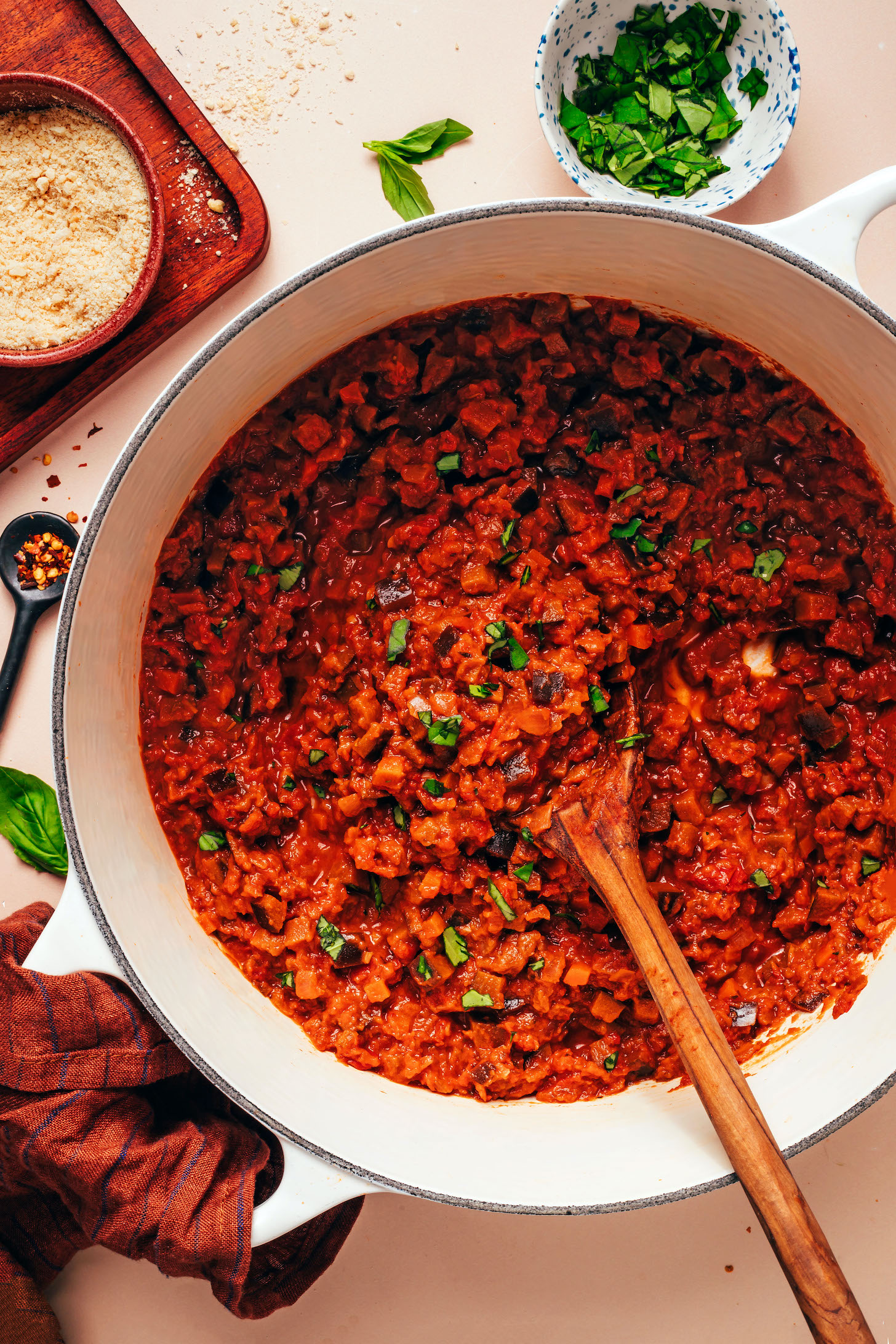
Once all ingredients—including dried Italian herbs such as basil and oregano, along with sea salt—are combined, the mixture undergoes a crucial simmering phase. Standard preparation dictates a minimum simmer of 20 to 30 minutes, allowing excess liquid to evaporate while concentrating the flavors. However, food science indicates that extending the simmer time up to one hour further breaks down the cellular walls of the eggplant and tomatoes, yielding a richer, more cohesive sauce structure.
Nutritional Profile and Dietary Adaptability
From a nutritional perspective, substituting meat with eggplant shifts the macronutrient breakdown of the dish significantly while maintaining high satiety. According to nutritional data for a standard four-serving batch of this recipe, each serving provides approximately 284 calories, 31.9 grams of carbohydrates, and 6.6 grams of protein. Notably, the dish delivers 8.3 grams of dietary fiber per serving—substantially higher than traditional meat-based ragùs—alongside significant micronutrients such as potassium (1,040 mg), Vitamin C (27 mg), and iron (3.7 mg). Total fat is measured at 17.1 grams, predominantly derived from plant-based monounsaturated fats, with zero cholesterol.
Furthermore, the recipe’s inherent flexibility allows for various dietary modifications:
- Protein Enhancement: For those seeking higher protein content, options range from stirring in cooked red lentils directly into the tomato mixture to serving the sauce alongside plant-based meatballs, lentil-based pasta, or traditional animal proteins such as turkey meatballs or ground beef for non-vegans.
- Allergen Considerations: Naturally gluten-free when paired with compliant pasta or polenta, the dish accommodates dairy-free and vegan diets by utilizing plant-based milks and optional homemade vegan parmesan cheese made from blended nuts and nutritional yeast.
Broad Implications and Market Trends
The introduction of simplified, vegetable-centric variations of classic comfort foods reflects broader consumer shifts toward home cooking that prioritizes both planetary health and time management. Market analyses of consumer packaged goods and culinary media consumption indicate a sustained surge in searches for "one-pot meals" and "plant-based comfort food" over the past five years. As inflation and busy schedules continue to influence household dining decisions, recipes that minimize equipment usage, reduce food waste by utilizing versatile produce like eggplant, and maintain high sensory appeal are increasingly favored by home cooks.
Culinary historians and food analysts suggest that these modern iterations do not disrespect culinary tradition; rather, they demonstrate the enduring adaptability of classic recipes. By retaining the core architectural principles of a Bolognese—the soffrito base, the slow simmer, the balance of acidity and fat, and the pairing with wide pasta noodles—dishes like eggplant bolognese bridge the gap between historical heritage and twenty-first-century nutritional and lifestyle demands.
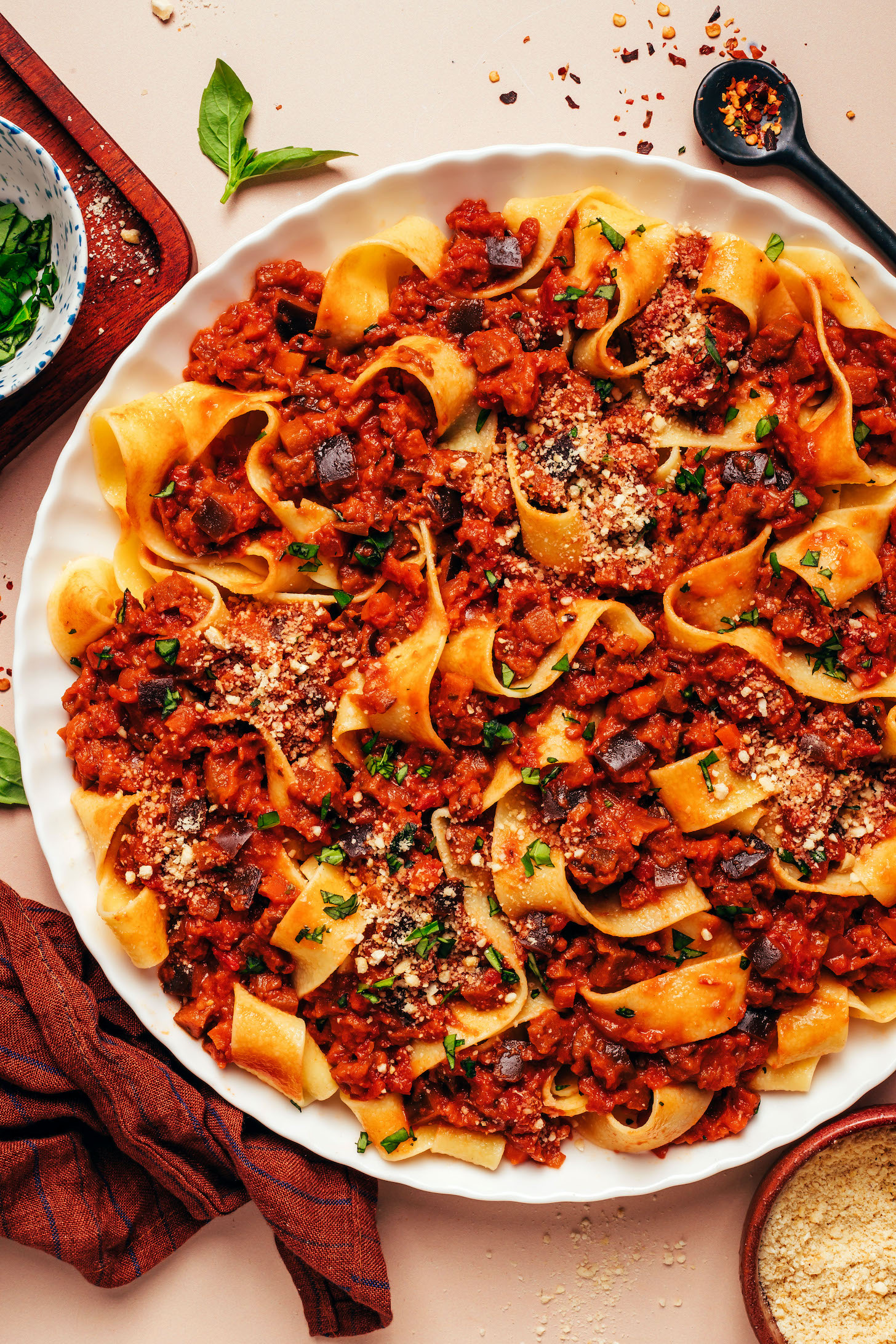
Whether prepared for a rapid weeknight dinner or presented as an ambitious, comforting centerpiece for weekend guests alongside complementary dishes such as Caesar salads or herbaceous meatless meatballs, the one-pot eggplant bolognese underscores how accessible, plant-powered ingredients can successfully redefine traditional gastronomy.