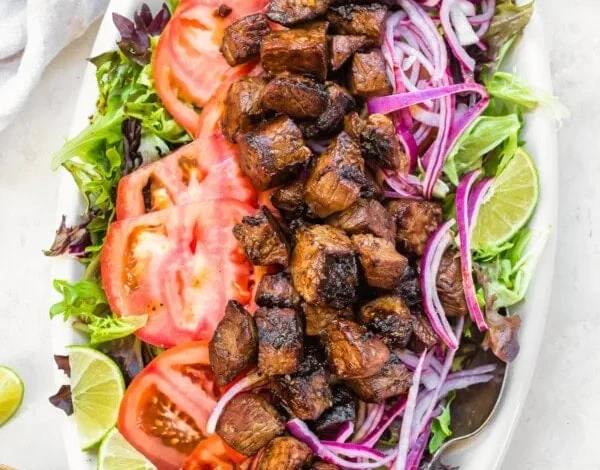
Vietnamese Shaking Beef, known in its native tongue as Bò Lúc Lắc, presents a vibrant and sophisticated culinary experience, merging the savory depth of perfectly seared beef with the refreshing crunch of fresh greens and the tangy zest of pickled onions and a lime-based dipping sauce. This popular Vietnamese dish, characterized by its unique preparation method, offers a light yet immensely satisfying meal that can be brought to the home kitchen with relative ease, capturing the essence of a beloved Vietnamese classic.
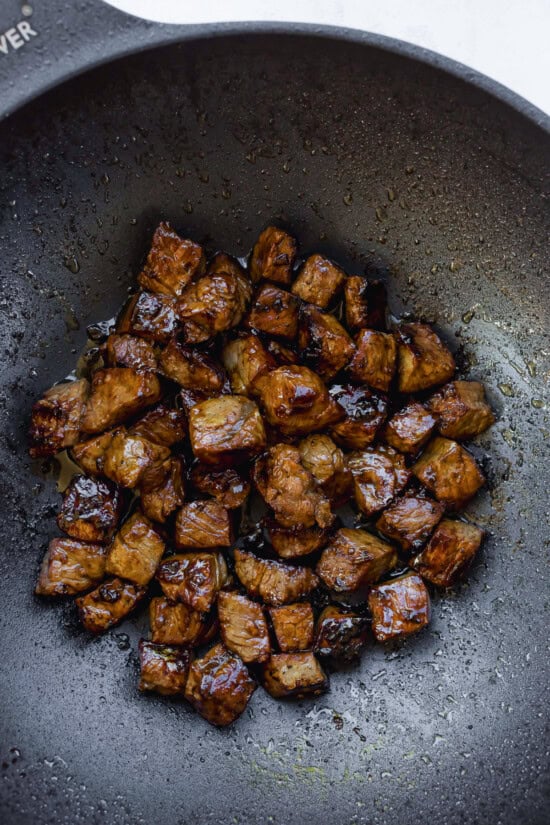
The term "shaking" in Shaking Beef refers to the dynamic cooking process where succulent pieces of marinated beef are rapidly tossed and seared in a wok. This vigorous motion ensures each cube of beef is coated in its flavorful marinade and develops a beautiful caramelized crust, locking in juices and creating a tender, melt-in-your-mouth texture. This technique is not merely for aesthetic appeal; it is integral to the dish’s signature flavor profile and textural complexity.
Originating from Vietnamese cuisine, Bò Lúc Lắc is believed to have gained significant popularity in the latter half of the 20th century, evolving from traditional stir-fried beef dishes. While specific historical accounts of its exact genesis are scarce, its presence in contemporary Vietnamese restaurants worldwide attests to its widespread appeal and adaptability. The dish often finds its place on menus as a celebratory or special occasion meal, reflecting the care and attention to detail involved in its preparation.
The Art of the Sear: Understanding "Shaking"
The distinctive name, Bò Lúc Lắc, translates directly to "beef shake" in Vietnamese, vividly describing the energetic cooking technique. The rapid tossing of the beef in a searing hot wok, or a large skillet, is crucial. This high-heat, quick-sear method is not dissimilar to techniques used in other Asian cuisines to achieve a perfect sear while maintaining the beef’s tenderness. It requires a keen eye and a swift hand to ensure the beef is cooked to perfection, avoiding overcooking which can lead to toughness. The resulting Maillard reaction, a complex chemical process responsible for the browning of food, imparts a rich, savory flavor and a pleasing aroma that is characteristic of well-prepared Shaking Beef.
A Symphony of Flavors and Textures
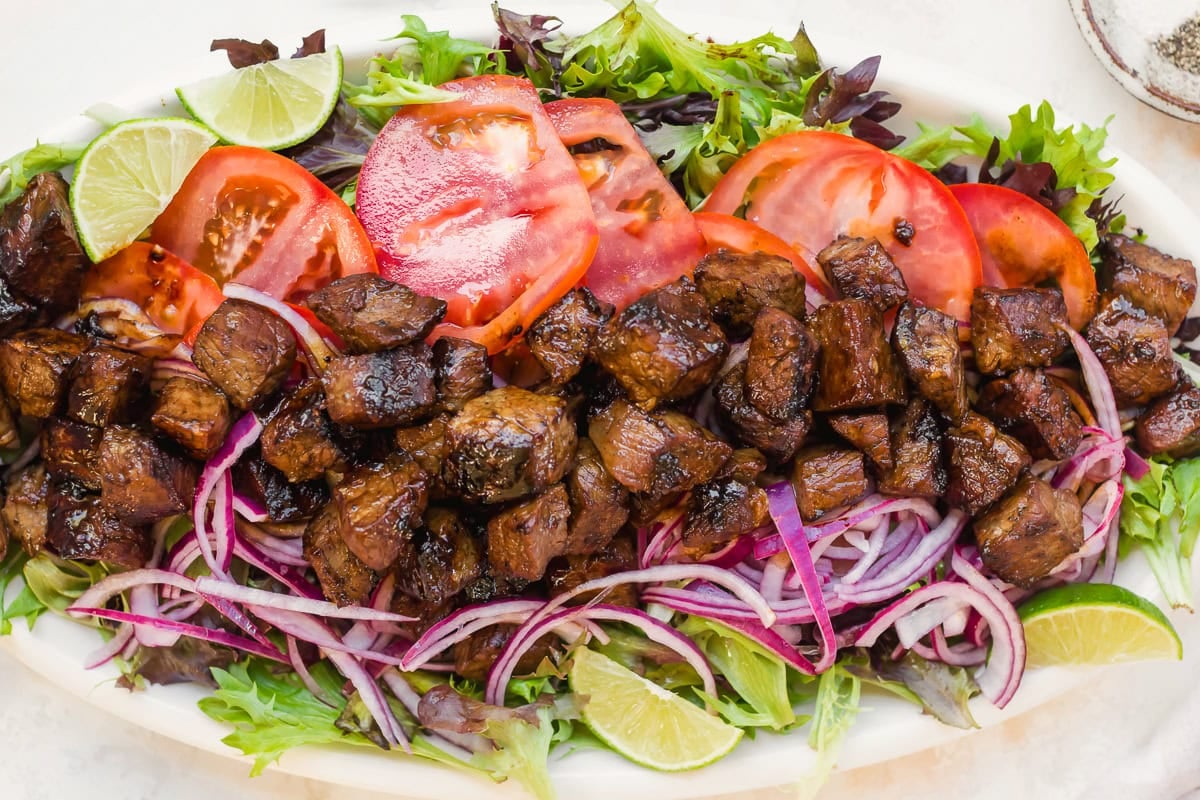
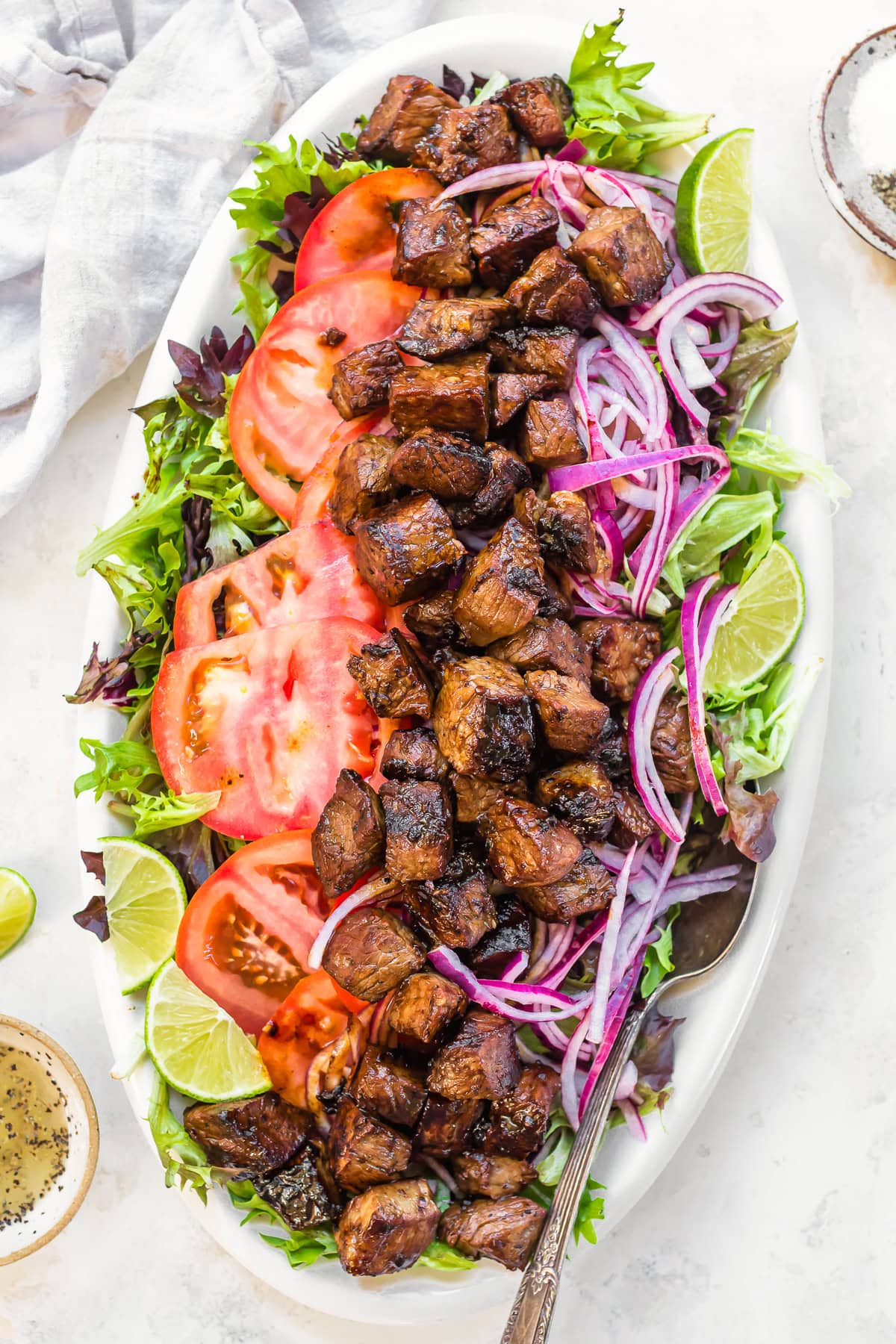
The beauty of Vietnamese Shaking Beef lies in its harmonious blend of contrasting elements. The rich, umami-laden beef is balanced by a fresh bed of crisp greens, typically consisting of lettuce and sometimes watercress, providing a refreshing counterpoint. Slices of ripe tomatoes add a juicy sweetness and a hint of acidity. The crowning glory, however, often comes in the form of thinly sliced, quick-pickled red onions. These onions, infused with a tangy brine, offer a sharp, acidic bite that cuts through the richness of the beef, awakening the palate.
The accompanying dipping sauce is another critical component, typically a vibrant mixture of fish sauce, lime juice, sugar, and often a hint of chili. This sauce, sometimes referred to as a nuoc cham variation, provides a salty, sour, and sweet profile that complements the entire dish. The fresh squeeze of lime over the finished dish further enhances its bright, zesty character.
Culinary Inspiration and Adaptation
The preparation of Shaking Beef often draws inspiration from established culinary traditions, with many home cooks and chefs alike referencing established recipes to capture authenticity. For instance, the approach detailed by resources like "The Ravenous Couple" has been noted as a significant influence, emphasizing the importance of traditional flavors and techniques. While striving for authenticity, contemporary adaptations frequently incorporate elements to make the dish lighter and more accessible for everyday cooking, without compromising its core essence. These adjustments might involve modifying the marinade ingredients, reducing oil usage during searing, or adjusting the balance of sweetness and acidity in the dipping sauce to cater to a wider range of palates.
Key Ingredients for an Authentic Experience
The creation of an exceptional Vietnamese Shaking Beef dish relies on the careful selection of quality ingredients. The recipe can be broadly divided into components for the beef marinade, the salad base, and the essential dipping sauce.

For the Beef Marinade:
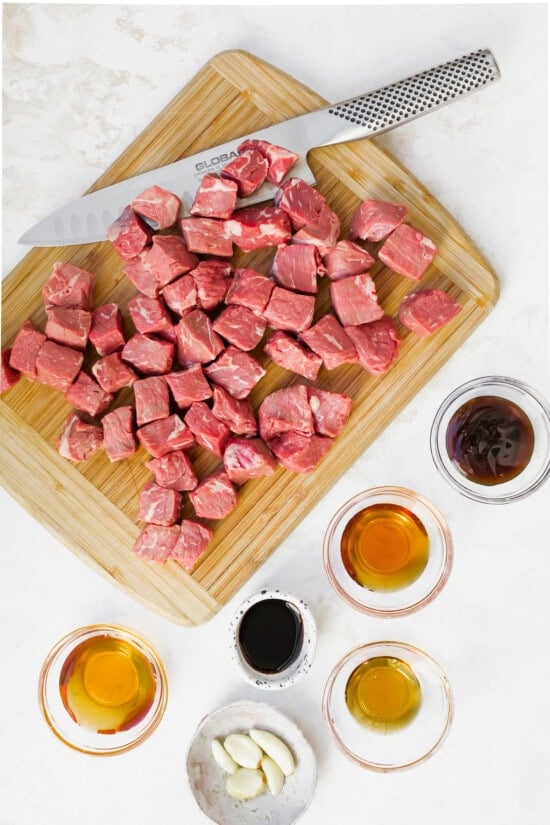
The foundation of the marinade typically includes a tender cut of beef, such as sirloin or tenderloin, cubed into bite-sized pieces for optimal searing. Key flavoring agents often incorporate soy sauce, garlic, black pepper, and sometimes a touch of sesame oil or oyster sauce to deepen the savory notes. Sugar is often included to aid in caramelization, and a binder like cornstarch can help create a glossy coating on the beef.
For the Salad:
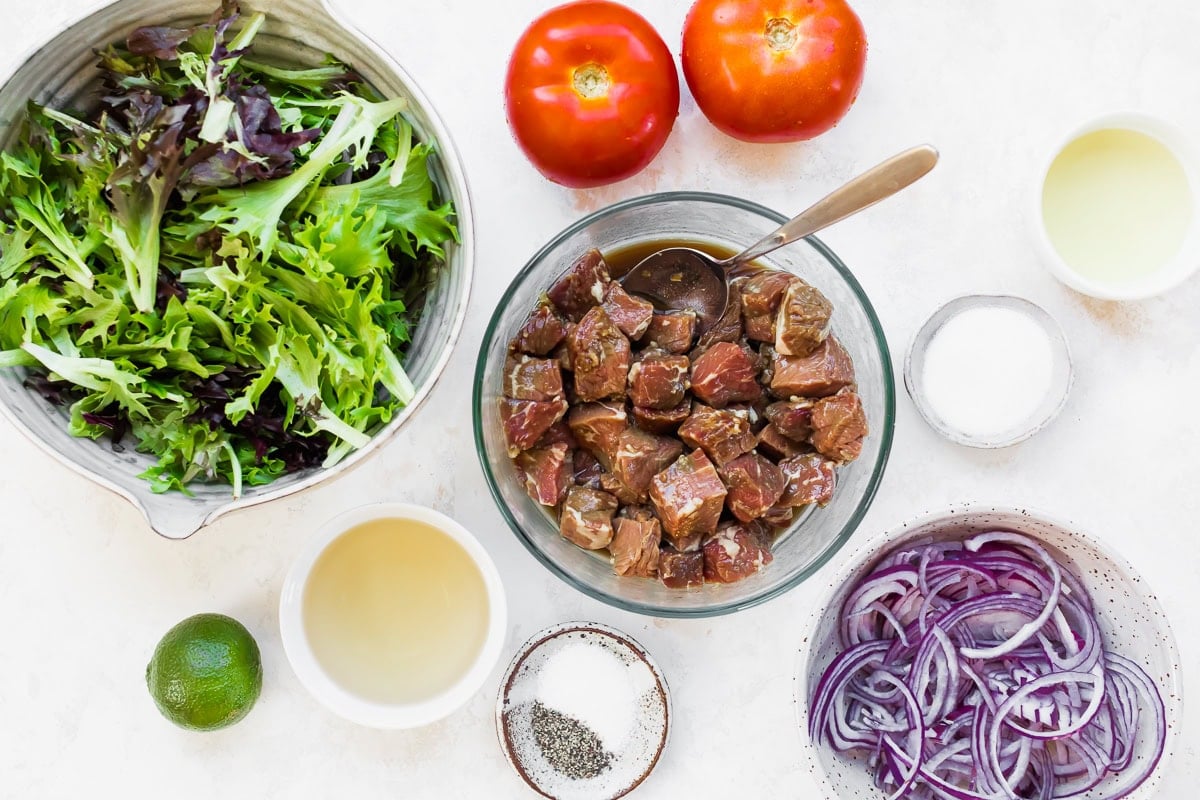
A fresh and crisp salad base is paramount. This usually involves a generous amount of mixed greens, with romaine lettuce and butter lettuce being popular choices. Sliced ripe tomatoes provide a juicy sweetness, and thinly sliced red onions, often quickly pickled, offer a crucial tangy counterpoint.
For the Dipping Sauce:
The dipping sauce, or nuoc cham, is a vibrant emulsion that ties the dish together. Its primary components are fish sauce (nuoc mam), fresh lime juice, sugar, and water. Minced garlic and finely chopped chilies are often added for an extra layer of flavor and heat.

Crafting Vietnamese Shaking Beef: A Step-by-Step Approach
Preparing Shaking Beef can be undertaken in stages, allowing for advance preparation of certain elements to streamline the cooking process. Many components, such as the marinades, pickled onions, and dipping sauces, can be prepared the night before, significantly reducing the active cooking time.
Marinating the Beef:
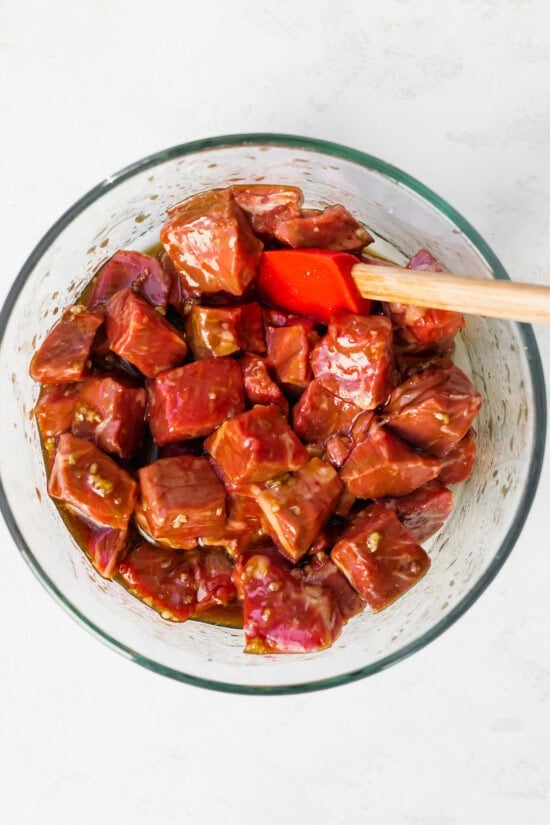
The cubed beef is first combined with its marinade ingredients. This mixture is then allowed to rest, typically for at least one hour at room temperature or longer in the refrigerator, enabling the flavors to penetrate the meat. The quality of the cut of beef is crucial; tender cuts like sirloin, tenderloin, or ribeye are preferred for their ability to cook quickly and remain tender.
Preparing the Pickled Onions:
Thinly sliced red onions are submerged in a quick pickle brine, usually composed of vinegar, sugar, and water. This process softens the onions and infuses them with a pleasant tanginess.
Making the Dipping Sauce:
The dipping sauce is a simple yet critical element. Fish sauce, lime juice, sugar, and water are whisked together until the sugar is dissolved. Garlic and chili can be added to taste.
Cooking the Beef:
The marinated beef is then seared in a very hot wok or skillet with a small amount of oil. The key here is to cook the beef in batches to avoid overcrowding the pan, which would steam the meat rather than sear it. As the beef cooks, it is vigorously tossed – the "shaking" – until browned and cooked to the desired level of doneness, typically medium-rare for maximum tenderness.
Assembling the Dish:
Once the beef is cooked, it is typically served immediately. The fresh greens and tomatoes form the base of the plate or bowl. The warm, seared Shaking Beef is then placed on top, followed by the pickled onions. The dipping sauce is served on the side, allowing diners to customize their experience by drizzling it over the beef and salad.
Tips for Culinary Success
To elevate the Shaking Beef experience, several tips can be followed:
- Quality of Beef: Opt for high-quality, tender cuts of beef. Tenderloin, sirloin, or ribeye are excellent choices.
- Hot Pan: Ensure your wok or skillet is extremely hot before adding the beef. This is crucial for achieving a proper sear.
- Don’t Overcrowd: Cook the beef in batches to prevent steaming and ensure even browning.
- Marination Time: Allow sufficient time for the beef to marinate, but avoid marinating for too long with acidic ingredients, which can begin to "cook" the beef.
- Fresh Ingredients: Use the freshest greens and ripest tomatoes for the salad base.
- Balance of Flavors: Adjust the sweetness, sourness, and saltiness of the dipping sauce to your personal preference.
Customization and Variations
Vietnamese Shaking Beef is a versatile dish that lends itself well to personalization:
- Vegetable Additions: While the classic preparation focuses on greens and tomatoes, other crisp vegetables like bell peppers, cucumbers, or even snap peas can be added to the salad.
- Herbaceous Notes: Fresh herbs such as cilantro or mint can be incorporated into the salad or as a garnish for added freshness.
- Spice Level: The heat of the dipping sauce can be adjusted by increasing or decreasing the amount of chili used.
- Serving Suggestions: For a more substantial meal, Shaking Beef can be served alongside steamed rice or noodles.
Storage Recommendations
Shaking Beef is best enjoyed immediately after preparation to savor the contrast between the warm, seared beef and the cool, crisp salad. However, if leftovers are unavoidable:
- Beef: Cooked beef can be stored in an airtight container in the refrigerator for up to 2-3 days. Reheat gently in a skillet or microwave to avoid overcooking.
- Salad Components: The salad greens and tomatoes should be stored separately and assembled just before serving.
- Dipping Sauce and Pickled Onions: These components can be stored in airtight containers in the refrigerator for up to a week.
The culinary journey of Vietnamese Shaking Beef is an exploration of balanced flavors, contrasting textures, and dynamic cooking techniques. It represents a dish that is both deeply rooted in tradition and adaptable to modern palates, offering a delicious glimpse into the vibrant world of Vietnamese cuisine.
Additional Data Points and Context:
-
Nutritional Profile: A typical serving of Vietnamese Shaking Beef (approximately 3 oz beef with salad and sauce) is estimated to provide around 269 calories, with about 27.5 grams of protein, 10 grams of fat, and 16.5 grams of carbohydrates. This makes it a relatively lean and protein-rich option, particularly when prepared with a focus on healthy cooking methods. The carbohydrate content often comes from the sugar used in the marinade and sauce, and the fiber from the fresh vegetables. Sodium content can be higher due to the use of fish sauce and soy sauce, making it important for individuals monitoring their sodium intake to be mindful of portion sizes and ingredient adjustments.
-
Economic and Cultural Significance: Beef, while not always as central to daily Vietnamese diets as pork or poultry in some regions, holds a significant place in celebratory meals and dishes like Bò Lúc Lắc. The use of premium cuts of beef reflects its status as a desirable ingredient. The dish’s popularity in restaurants worldwide also underscores the global reach and appeal of Vietnamese gastronomy, contributing to cultural exchange and culinary tourism.
-
Culinary Evolution and Influence: The "shaking" technique itself has parallels in other culinary traditions, such as stir-frying in Chinese cuisine, highlighting a shared approach to high-heat cooking for tender results. The adaptability of Bò Lúc Lắc allows it to be embraced by diverse culinary landscapes, often with local interpretations that reflect regional ingredient availability and taste preferences. For example, in some Vietnamese-American communities, the dish might be served with more readily available Western salad greens or with slightly altered spice levels.
-
Modern Interpretations and Health Trends: In line with growing global health consciousness, contemporary recipes for Shaking Beef often emphasize leaner cuts of meat, reduced oil usage, and a balanced approach to sugar and sodium. The recipe from Skinnytaste, for instance, aims to provide a lighter version of the classic, demonstrating a trend towards making traditional dishes more accessible and health-conscious without sacrificing flavor. This reflects a broader movement in the culinary world to offer nutritious yet delicious options.