Sheet Pan Mediterranean Meatballs with Roasted Chickpeas, Cauliflower, and Butternut Squash

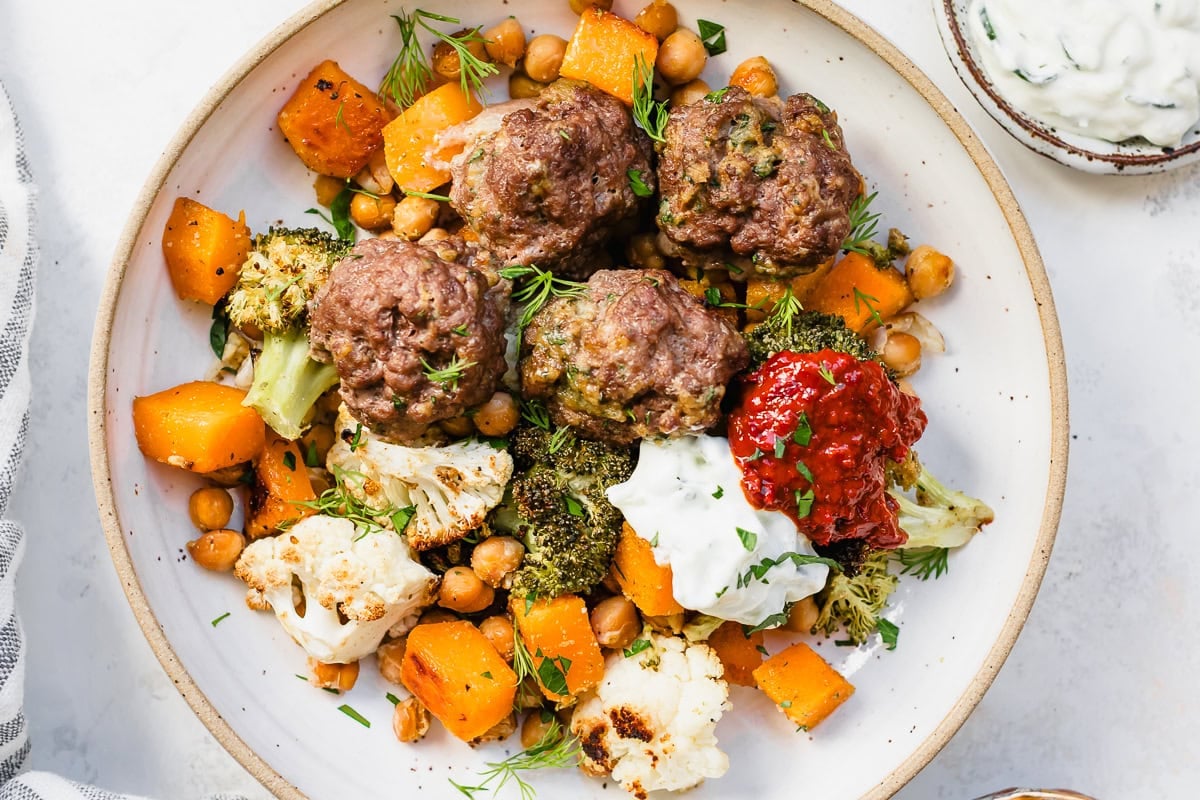
A new culinary creation, dubbed "Sheet Pan Mediterranean Meatballs with Roasted Chickpeas, Cauliflower, and Butternut Squash," is gaining attention for its innovative approach to healthy, high-protein, and high-fiber dining. This dish, inspired by the popular Mediterranean-inspired fast-casual chain CAVA, offers a flavorful and convenient meal solution, particularly well-suited for individuals seeking efficient meal preparation strategies. The recipe emphasizes a balanced nutritional profile, boasting a significant protein content and ample dietary fiber, making it an attractive option for health-conscious consumers.
The genesis of this recipe can be traced to the enduring popularity of Mediterranean cuisine and the growing demand for convenient, yet wholesome, home-cooked meals. The author of the recipe, Gina @ Skinnytaste.com, noted a significant positive reception to a previous iteration, "Sheet Pan Mediterranean Meatball Bowls with Roasted Vegetables and Hummus." This success prompted a refinement, leading to the inclusion of chickpeas directly on the sheet pan, alongside roasted butternut squash and cauliflower, and a topping of tzatziki sauce. This evolution transforms the dish into a grain-free bowl, aligning with contemporary dietary trends.
An initial testing phase of the recipe explored the use of lamb for the meatballs. However, the author found that ground bison yielded superior results, delivering a more desirable texture and flavor profile. Nevertheless, the recipe remains versatile, with ground beef and lamb identified as equally viable alternatives, offering flexibility for home cooks based on availability and personal preference. This adaptability underscores the recipe’s user-friendly design.
The development of this recipe aligns with broader culinary trends that emphasize simplified cooking methods and the maximization of flavor through roasting. The sheet pan approach, in particular, has seen a surge in popularity due to its minimal cleanup and its ability to cook multiple components of a meal simultaneously. This method not only saves time but also allows the natural flavors of the ingredients to concentrate and meld, creating a richer, more satisfying taste experience. The Mediterranean flavor profile, characterized by its use of fresh herbs, vegetables, and lean proteins, continues to be a dominant force in global gastronomy, appreciated for its health benefits and vibrant taste.
CAVA-Inspired Flavors at Home
The appeal of this recipe lies in its ability to replicate the sought-after flavors of establishments like CAVA within the home kitchen. The core components of the dish are designed to harmonize, creating a cohesive and delicious meal. The meatballs, seasoned with a blend of Mediterranean herbs, provide a savory and protein-rich foundation. Roasting the chickpeas alongside the vegetables introduces a delightful textural contrast, offering a satisfying crunch that complements the tenderness of the meatballs and the softened vegetables.
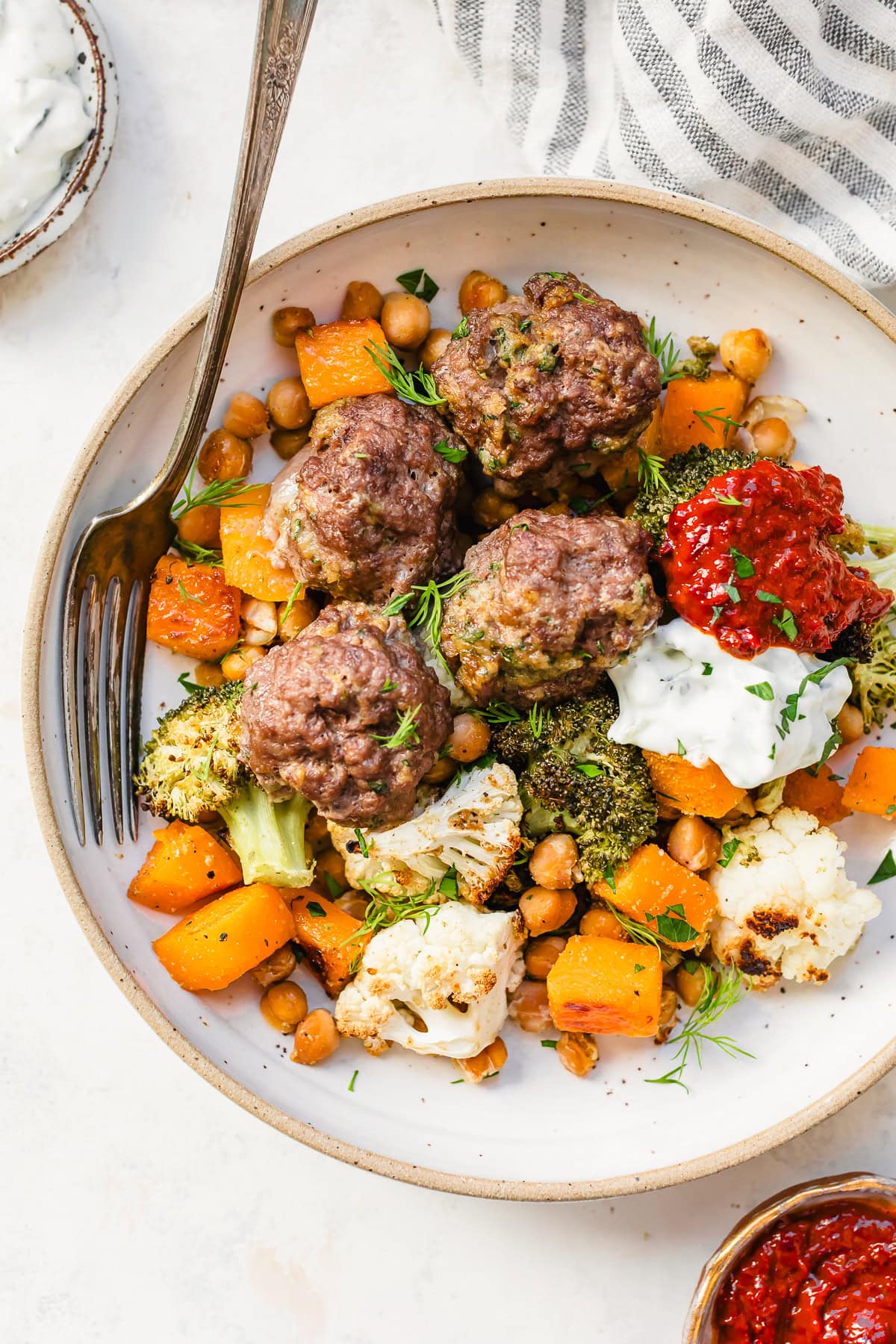
The inclusion of butternut squash and cauliflower is a strategic choice, offering both nutritional density and appealing flavor. Butternut squash, when roasted, caramelizes beautifully, imparting a natural sweetness that balances the savory elements. Cauliflower, known for its versatility, absorbs the surrounding flavors while retaining a pleasant, slightly firm texture. The combination of these vegetables contributes significantly to the dish’s high-fiber content, promoting digestive health and satiety.
The final touch, a dollop of creamy tzatziki sauce, ties all the elements together. This traditional Greek yogurt-based sauce, typically flavored with cucumber, garlic, and dill, adds a refreshing coolness and a tangy counterpoint to the roasted components. Its creamy texture provides a luxurious mouthfeel, elevating the overall dining experience.
Culinary Synergy: The Sheet Pan Method
The "sheet pan" methodology is central to the recipe’s efficiency and appeal. By arranging all the primary ingredients on a single baking sheet, the cooking process is streamlined, and cleanup is significantly reduced. This approach is particularly beneficial for busy individuals and families who seek to prepare nutritious meals without a substantial time commitment.

The technique involves uniformly cutting the vegetables and preparing the meatballs, ensuring they cook evenly on the sheet pan. Roasting at a moderate to high temperature allows for the development of desirable caramelization on the vegetables and the perfect golden-brown exterior on the meatballs. The chickpeas, when roasted, transform into a crispy, flavorful addition, offering a satisfying bite that is often a highlight of the dish.
The recipe emphasizes the use of parchment paper for lining the baking sheets, a practical tip that further simplifies the cleanup process. This small detail contributes to the overall user-friendliness of the recipe, making it accessible even to novice cooks.
Nutritional Powerhouse: High Protein, High Fiber
Beyond its culinary merits, the Sheet Pan Mediterranean Meatballs dish stands out for its impressive nutritional profile. The recipe is engineered to be high in protein, primarily derived from the lean ground meat used in the meatballs. Protein is crucial for muscle repair and growth, satiety, and overall metabolic function. This makes the dish an excellent option for athletes, individuals looking to manage their weight, or anyone seeking to increase their protein intake.

Furthermore, the dish is exceptionally high in dietary fiber, a component often lacking in modern diets. The combination of chickpeas, cauliflower, and butternut squash provides a substantial amount of fiber, which is essential for digestive health, regulating blood sugar levels, and promoting a feeling of fullness. The fiber content also contributes to the dish’s overall health benefits, potentially reducing the risk of chronic diseases such as heart disease and type 2 diabetes.
The recipe’s commitment to providing a balanced meal is evident in its careful selection of ingredients. By focusing on whole, unprocessed foods, it offers a nutrient-dense option that supports a healthy lifestyle. The absence of grains in this particular iteration also caters to those following grain-free or ketogenic diets, further expanding its appeal.
Versatility and Adaptability
The recipe is designed with flexibility in mind, allowing for various substitutions and adaptations to suit different dietary needs and preferences. For instance, while bison is recommended, ground turkey or chicken can be used as leaner alternatives, offering a different flavor profile while maintaining the high-protein aspect. For vegetarian or vegan diners, the meatballs could potentially be replaced with plant-based protein sources, such as lentil or mushroom-based patties, though this would require adjustments to cooking times and seasoning.
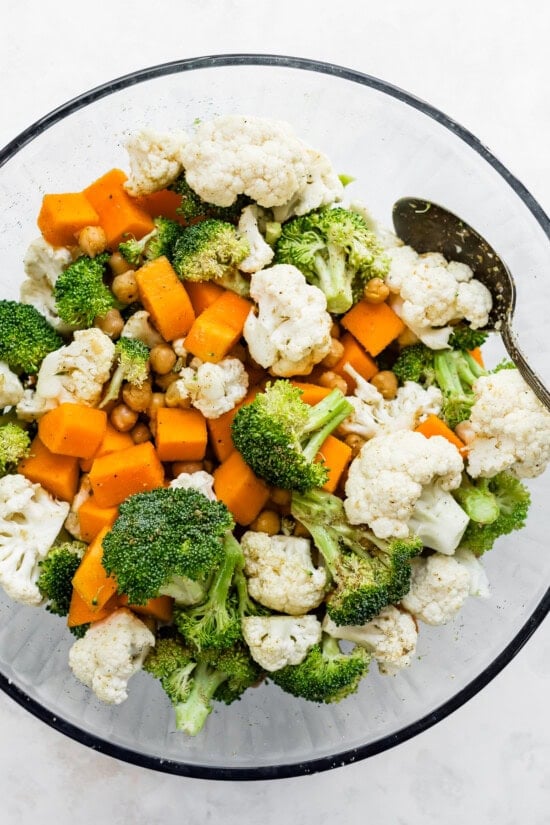
The vegetable components are also open to modification. While cauliflower and butternut squash are featured, other robust vegetables that roast well, such as broccoli, Brussels sprouts, bell peppers, or zucchini, could be incorporated. The key is to select vegetables that have similar cooking times or can be added to the pan at different stages to ensure optimal doneness for all ingredients.
The serving suggestions also highlight the recipe’s adaptability. While it can be enjoyed as a standalone meal, it can also be enhanced with additional components. Serving it over a bed of quinoa or farro would introduce complex carbohydrates for those who prefer a more substantial meal. A side of fresh greens or a light vinaigrette could further complement the flavors and add additional nutrients.
Meal Prep and Storage Considerations
The Sheet Pan Mediterranean Meatballs are particularly well-suited for meal preparation, a strategy that involves cooking meals in advance to save time during the week. The dish holds up exceptionally well in the refrigerator for up to four days, making it an ideal candidate for weekly meal prepping. Once cooked, the components can be portioned into individual containers, ready to be reheated and enjoyed for lunches or dinners.
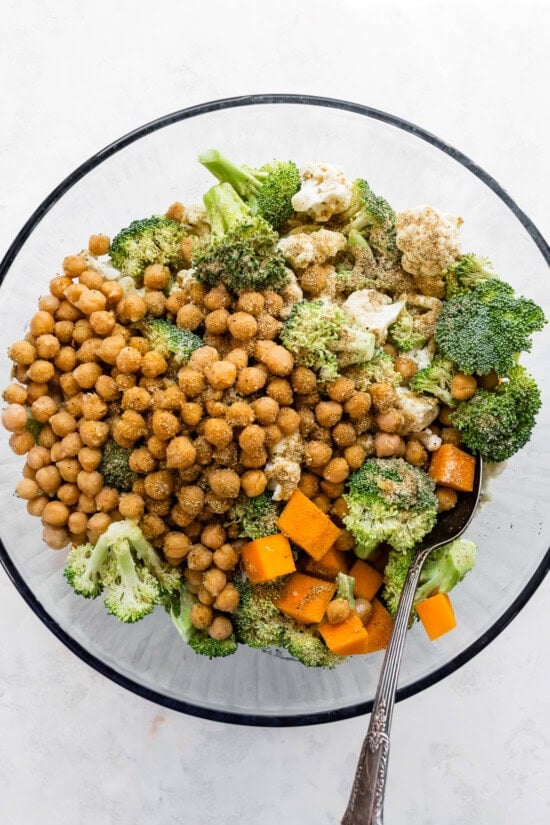
Proper storage is crucial for maintaining the quality and safety of the prepared meal. It is recommended to allow the dish to cool completely before transferring it to airtight containers. Refrigeration at or below 40°F (4°C) is essential. When reheating, gentle warming in an oven, microwave, or on the stovetop is advised to preserve the texture and flavor of the ingredients.
The recipe’s robust nature means that the flavors often meld and deepen over time, making leftovers just as appealing as freshly prepared portions. This longevity and convenience factor significantly contribute to the recipe’s value for busy individuals.
Nutritional Data and Analysis
The provided nutritional information offers a detailed breakdown of the dish’s composition per serving (defined as 4 meatballs and 1.5 cups of vegetables). With approximately 490 calories, 36 grams of protein, and 11 grams of fiber, the dish clearly aligns with its high-protein, high-fiber positioning. The macronutrient distribution indicates a balanced meal, with a moderate amount of healthy fats (22.5g, 6g saturated) and carbohydrates (41.5g, 10.5g sugar). The sodium content (1178mg) is a factor to consider, and individuals monitoring their sodium intake may wish to adjust the seasoning accordingly or consider lower-sodium alternatives for certain ingredients. The cholesterol content (97mg) is also within a reasonable range for a protein-rich meal.
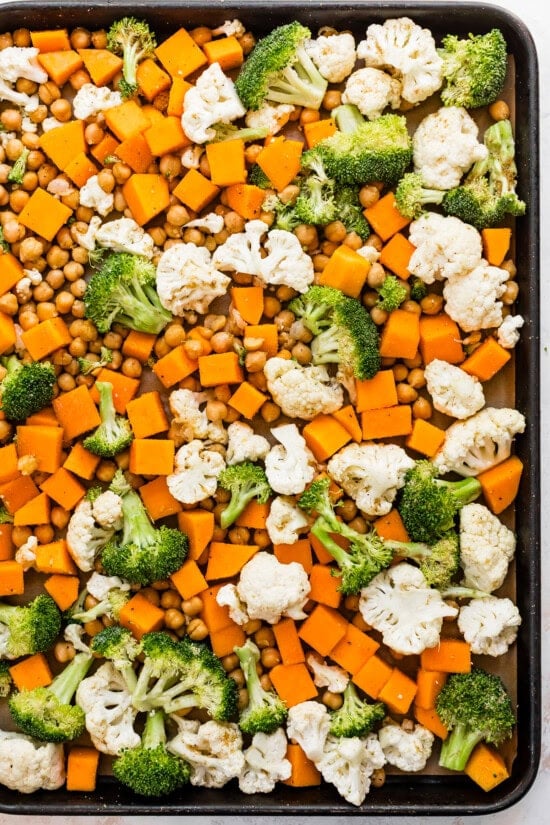
The substantial fiber content is particularly noteworthy, exceeding the daily recommended intake for many adults in a single meal. This contributes to feelings of fullness, aids in digestion, and plays a role in long-term health management. The high protein content further supports satiety and muscle health, making it an excellent choice for those looking to build or maintain lean muscle mass.
A Culinary Evolution: From Previous Iterations
This recipe represents an evolution from previous successful dishes by the same author. The initial "Sheet Pan Mediterranean Meatball Bowls with Roasted Vegetables and Hummus" laid the groundwork, establishing the appeal of a Mediterranean-inspired meatball dish. The subsequent refinement that led to the current iteration focused on enhancing convenience and flavor integration. By incorporating the chickpeas directly onto the sheet pan, the author streamlined the cooking process and allowed the chickpeas to absorb the savory meatball and vegetable flavors. The shift to a grain-free bowl format also caters to contemporary dietary preferences, offering a lighter yet equally satisfying meal.
The comparison between this "Sheet Pan Mediterranean Meatballs" recipe and its predecessor, the "Sheet Pan Mediterranean Meatball Bowls," highlights a strategic development in culinary offerings. While both share core Mediterranean flavors and the convenience of sheet pan cooking, the newer version emphasizes a more integrated approach to ingredients and a grain-free presentation. This iterative process of recipe development, driven by user feedback and evolving dietary trends, is a hallmark of successful food bloggers and culinary creators.
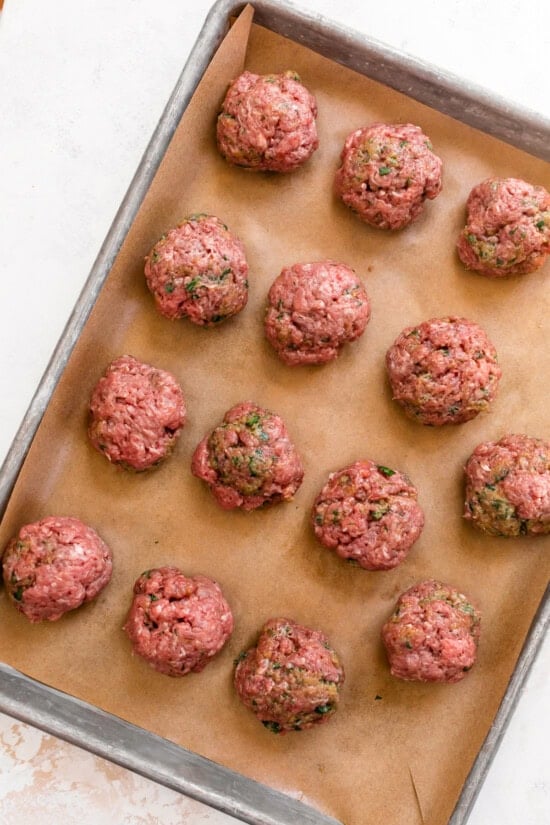
The author’s dedication to refining recipes based on audience engagement and personal experimentation underscores a commitment to providing practical, delicious, and health-conscious meal solutions. The continued exploration of Mediterranean flavors, a cuisine celebrated globally for its health benefits and vibrant tastes, ensures that such recipes remain relevant and appealing to a broad audience.