As the holiday baking season reaches its annual peak, home cooks and dessert enthusiasts frequently encounter a common seasonal dilemma: the demand for festive, high-quality treats colliding with a severe deficit of time and energy. Addressing this culinary bottleneck, a new recipe has gained widespread traction across digital food platforms, offering a streamlined alternative to traditional holiday confections. The No-Bake Cranberry Orange Bliss Bites, introduced by the Minimalist Baker culinary platform, successfully deconstruct the complex flavor profile of a popular commercial holiday pastry into an accessible, plant-based, and gluten-free snack format that requires zero oven time.
Recipe Genesis and Culinary Inspiration
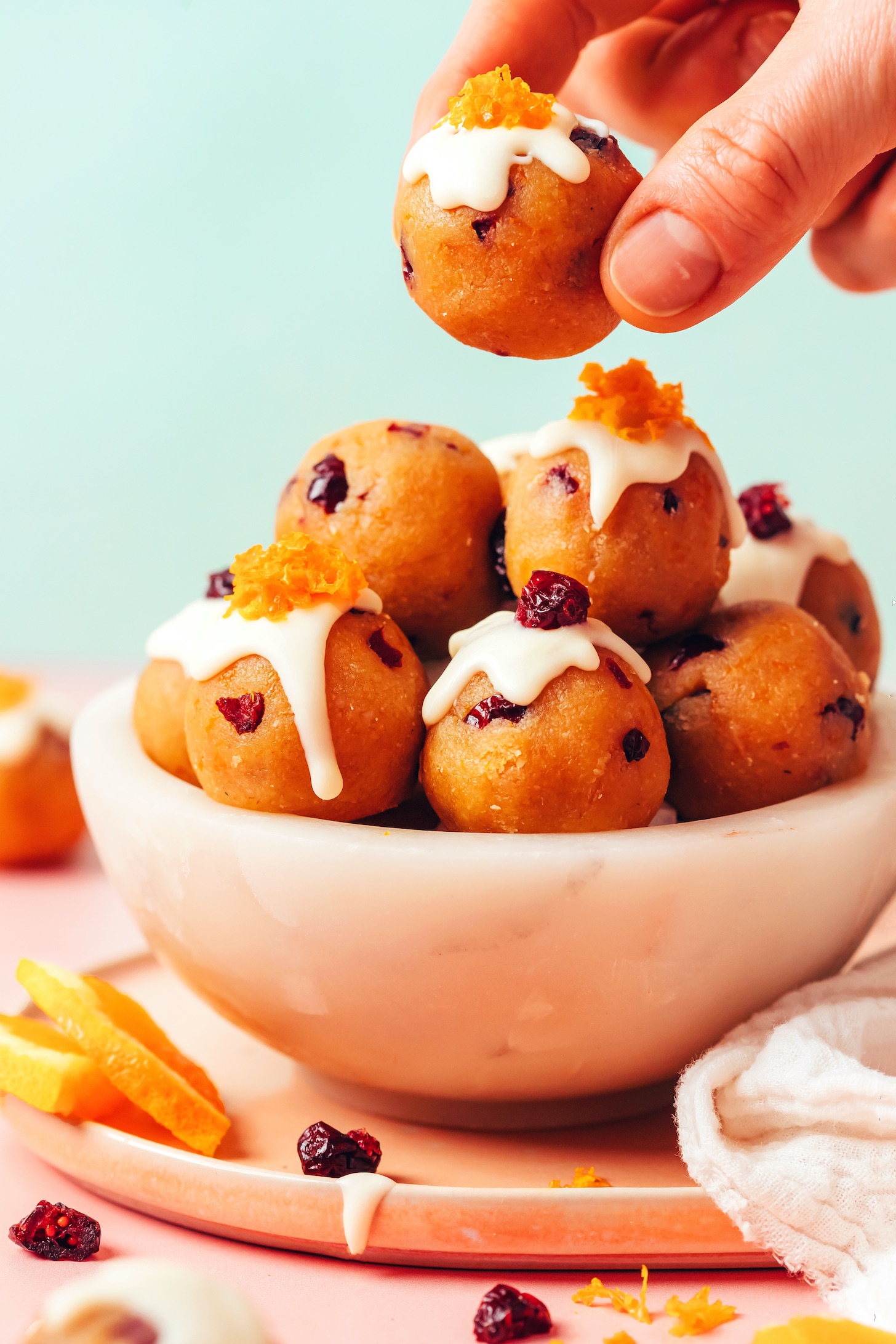
The conceptual foundation of the Cranberry Orange Bliss Bites stems from a widely recognized commercial favorite: the seasonal Cranberry Bliss Bar popularized by Starbucks coffeehouses. Introduced decades ago as a limited-time holiday offering, the original pastry features a chewy blondie base layered with cream cheese frosting, dried cranberries, white chocolate, and orange zest. While immensely popular among consumers seeking nostalgic winter flavor combinations, the traditional recipe requires baking, precise temperature control, and multiple preparation stages that many time-pressed individuals cannot accommodate during busy winter schedules.
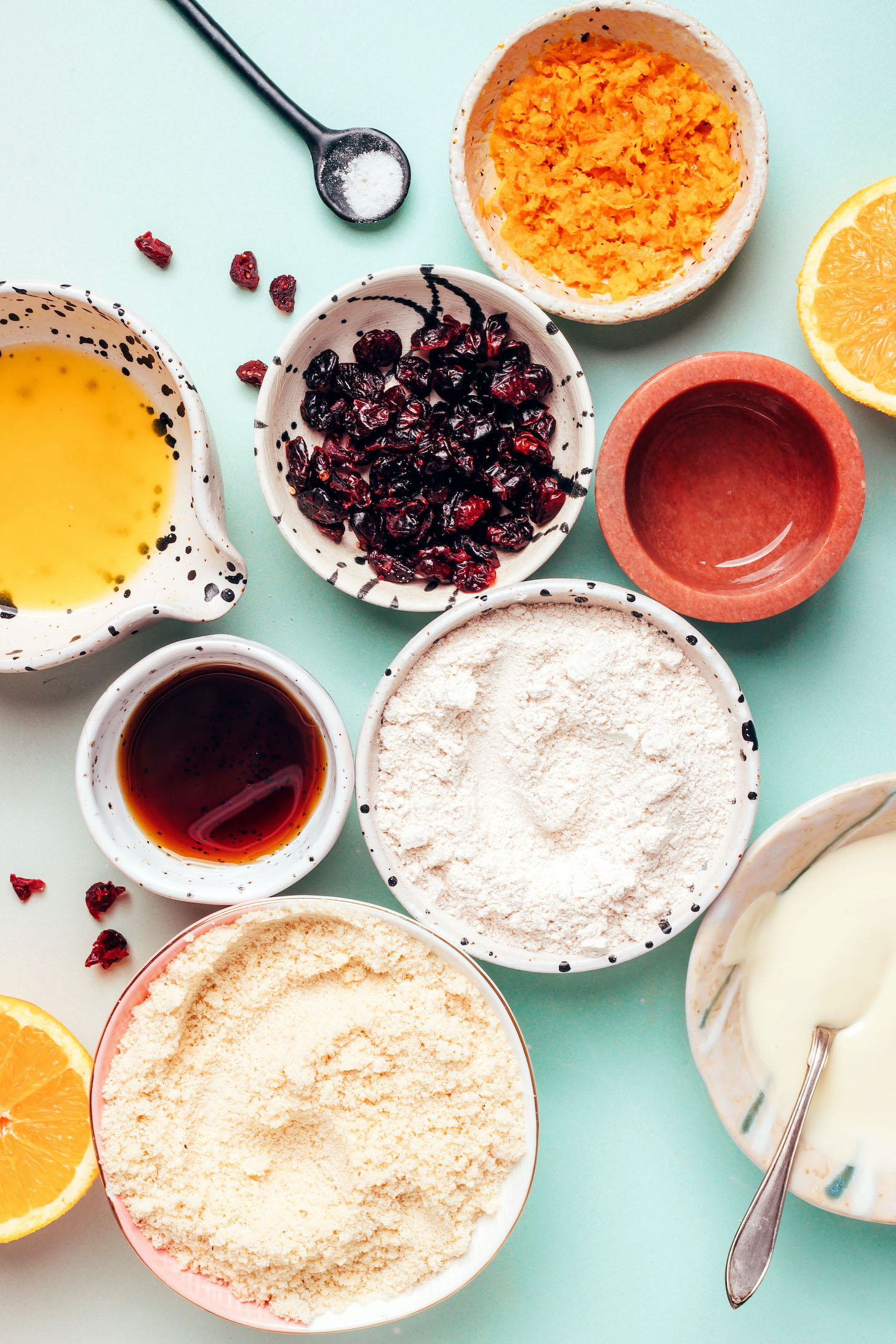
To adapt these complex profiles into a simplified format, recipe developers drew inspiration from existing no-bake pastry architecture, specifically referencing popular predecessors such as the No-Bake Sugar Cookie Bites. By substituting traditional baking flour with a nutrient-dense blend of oat flour and almond flour, creators achieved a tender, cookie-like texture without applying thermal heat. The dough is bound together using a combination of natural binders
and fats, notably maple syrup and coconut oil, which provide both structural integrity and a subtle moisture balance.
Nutritional Profile and Ingredient Composition
Designed to meet modern dietary preferences, the Cranberry Orange Bliss Bites are entirely vegan and gluten-free, addressing the rising consumer demand for allergen-friendly holiday treats. A standard batch yields approximately 14 individual servings, with each bite containing a carefully balanced macronutrient profile.
According to nutritional estimates provided with the recipe, a single bliss bite contains approximately 113 calories, 12.1 grams of carbohydrates, 2.9 grams of protein, and 6.3 grams of total fat, of which 2 grams are saturated fat. The recipe also incorporates 1.5 grams of dietary fiber and roughly 6.8 grams of natural and added sugars per serving, positioning the treat as a relatively wholesome alternative to heavily processed commercial holiday desserts. Sodium content is kept minimal at 46 milligrams per serving, with trace amounts of calcium, iron, and potassium contributed by the whole-food ingredients.
Step-by-Step Preparation Chronology
The preparation methodology is structured for maximum efficiency, boasting a total active time of approximately 25 minutes from ingredient gathering to final presentation. The chronological workflow is divided into four distinct phases:
- Base Formulation (Minutes 1–10): The foundational dry ingredients—specifically oat flour and almond flour—are measured and combined in a mixing bowl with a pinch of sea salt and vanilla extract for depth of flavor.
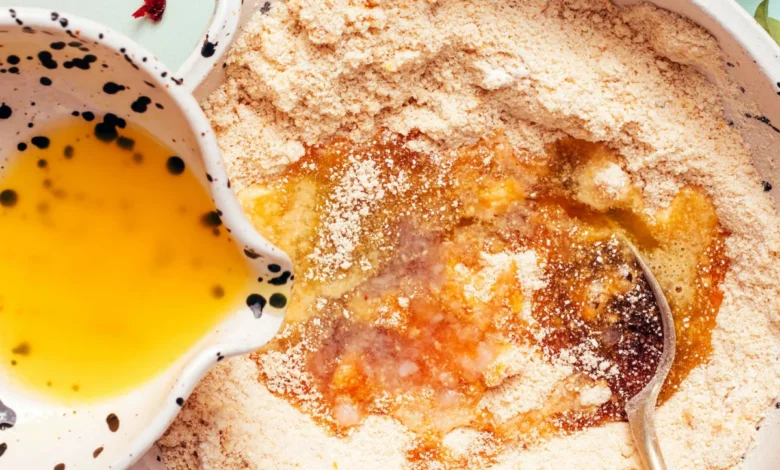
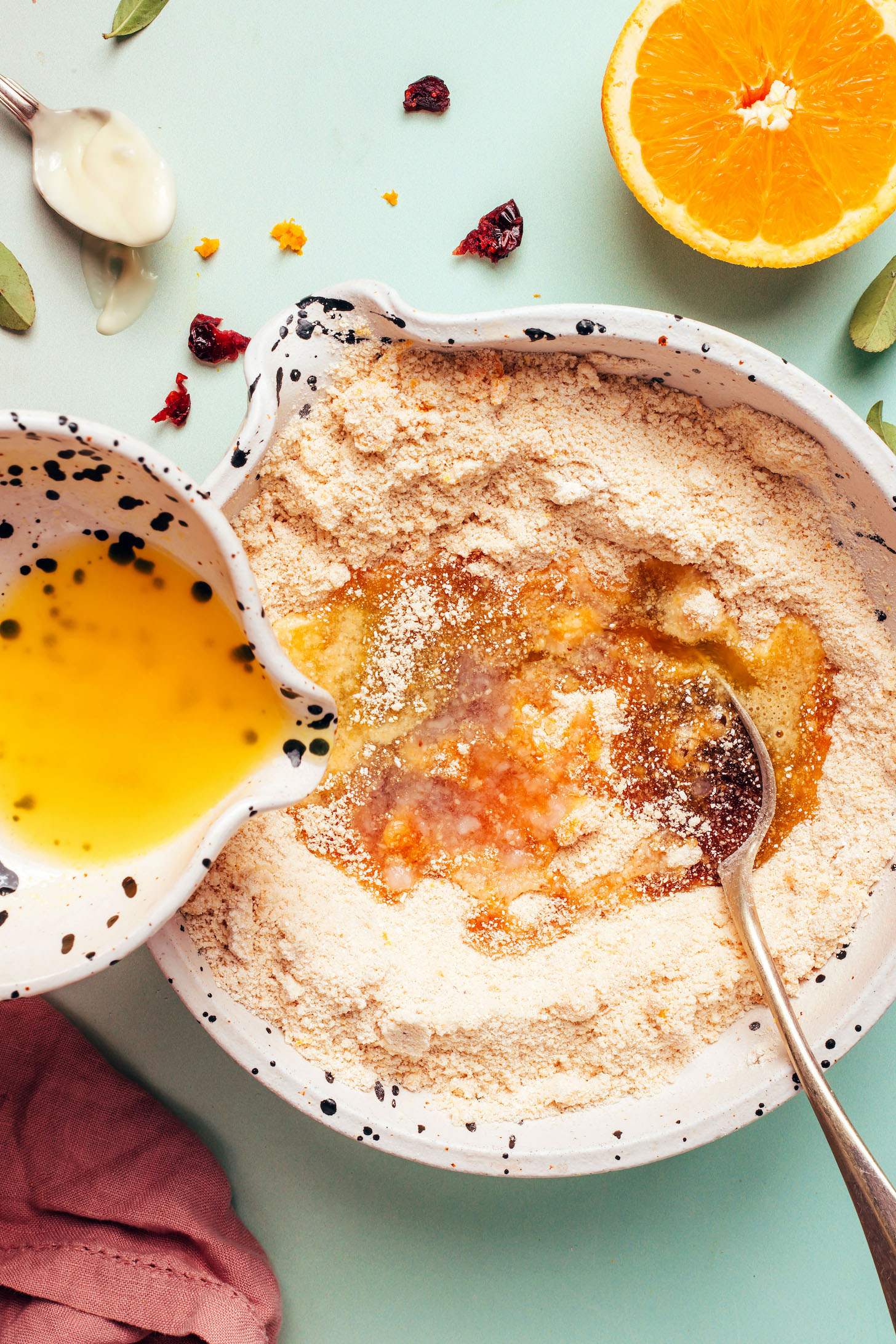
- Wet Ingredient Incorporation (Minutes 10–15): Liquid sweeteners and binding agents, primarily maple syrup and melted coconut oil, are folded into the flour mixture. To establish the characteristic holiday flavor, fresh orange juice and grated orange zest are introduced directly into the dough, imparting natural citrus acidity and aromatic oils.
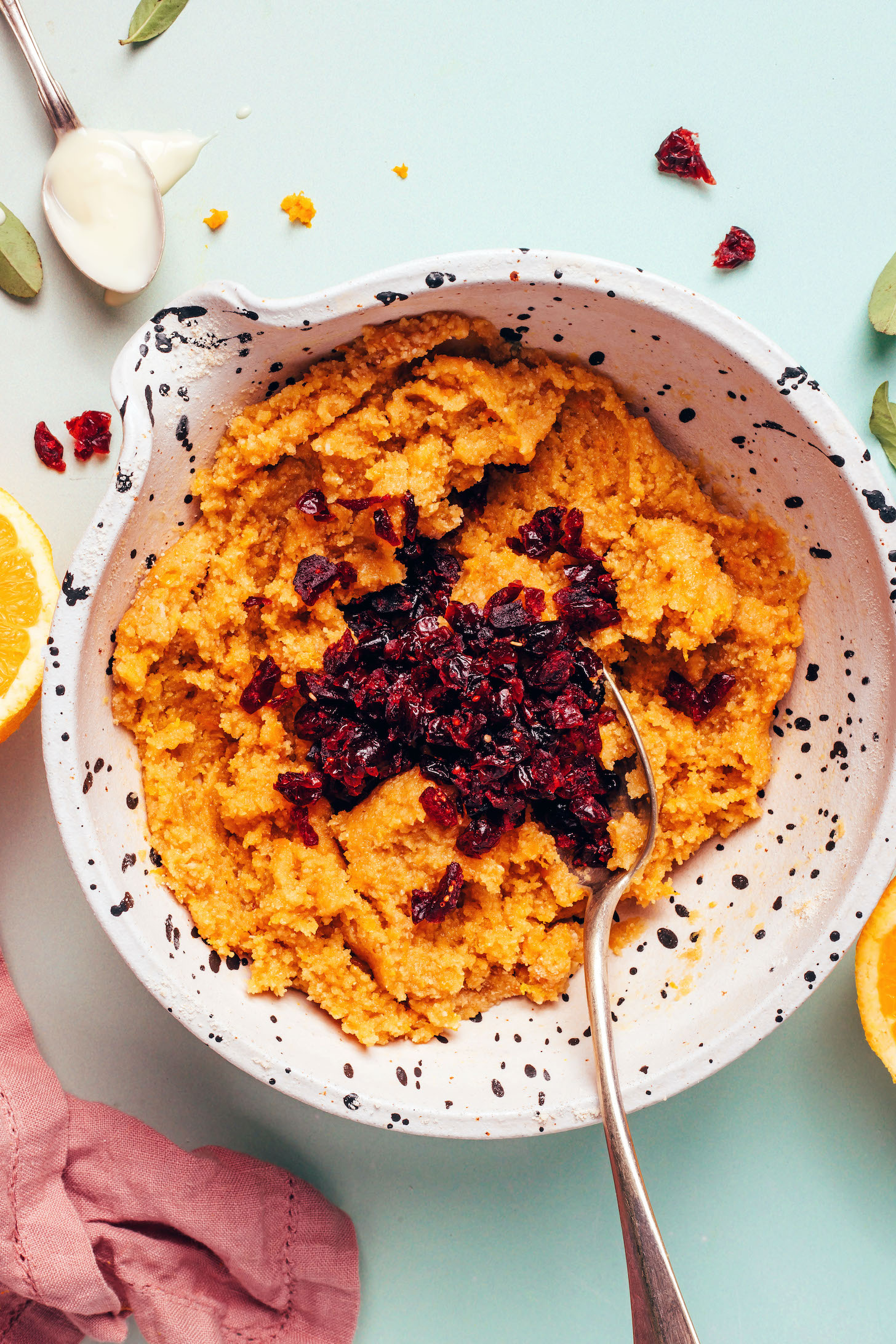
- Fruit Integration and Shaping (Minutes 15–20): Finely chopped dried cranberries are folded evenly throughout the dough to ensure a tart-sweet distribution in every bite. The mixture is then portioned and hand-rolled into uniform spheres.
- Finishing and Topping (Minutes 20–25): The final aesthetic and textural enhancement involves an optional frosting drizzle. Creators recommend a hybrid approach utilizing melted white chocolate chips combined with coconut butter. The residual heat from the melted white chocolate liquefies the coconut butter, producing a glossy, balanced topping that merges the rich sweetness of chocolate with the distinct, tropical undertones of coconut. Alternatively, home cooks can opt to bypass the melting process by rolling the finished bites directly in mini white chocolate chips.
Storage, Shelf Life, and Scalability
Practicality remains a primary driver for the adoption of no-bake recipes during the fourth-quarter holiday rush. The Cranberry Orange Bliss Bites exhibit robust storage capabilities, making them an ideal candidate for advance meal prep or holiday hosting logistics.
When stored in an airtight container within a refrigerated environment, the bites maintain optimal texture and flavor for up to one week. For longer-term planning, the recipe is fully freezer-friendly, allowing batches to be frozen for up to one month without significant degradation in quality or taste. This extended shelf life provides consumers with a reliable, ready-to-serve dessert option for impromptu gatherings, office potlucks, or weekday snack provisioning throughout the fall and winter months.
Broader Industry Implications and Consumer Trends
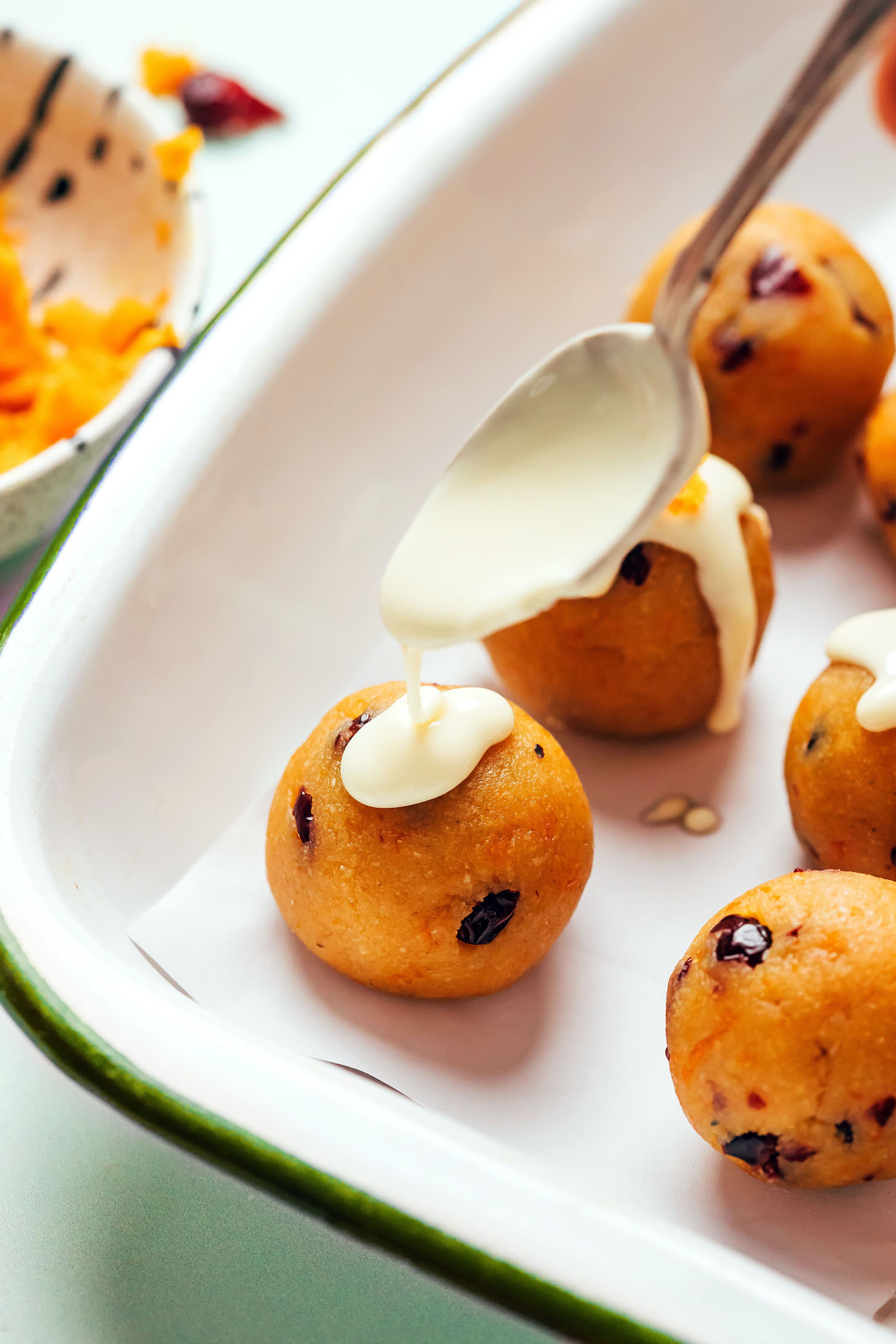
The rapid popularity of recipes like the Cranberry Orange Bliss Bites reflects broader shifts in consumer behavior within the culinary and baking sectors. As modern households navigate increasingly hectic schedules, the culinary landscape has seen a measurable pivot away from labor-intensive, multi-step baking projects in favor of high-efficiency, nutrient-conscious alternatives.
Furthermore, the intersection of comfort food nostalgia—exemplified by the emulation of corporate coffeehouse classics—with clean-label dietary requirements (such as dairy-free, vegan, and gluten-free parameters) highlights a lucrative avenue for food content creators and independent publishers. By translating complex commercial flavors into accessible home kitchen formats, such recipes empower consumers to recreate luxury food experiences with minimal specialized equipment, lower financial input, and enhanced nutritional transparency.
As digital engagement metrics continue to favor quick-format instructional videos and streamlined cooking guides, the demand for accessible, aesthetically pleasing seasonal treats is projected to remain strong, cementing the role of no-bake culinary innovations in contemporary home economics.