Cardiovascular disease remains the leading cause of mortality globally, prompting decades of intensive research into how dietary interventions—specifically the consumption of polyphenols and fiber-rich produce—can influence vascular health. While no singular food acts as a panacea for atherosclerosis, a growing body of evidence suggests that incorporating specific fruits into a balanced diet can significantly improve biomarkers associated with arterial function, including endothelial health, blood pressure regulation, and cholesterol particle size. According to recent insights from experts like Dr. Mitch Rice, the key to vascular longevity may not lie in the hyper-consumption of a single "superfood," but rather in a strategic, rotational intake of fruits that work synergistically to support the arterial lining.
The Mechanism of Arterial Health: Beyond Plaque Removal
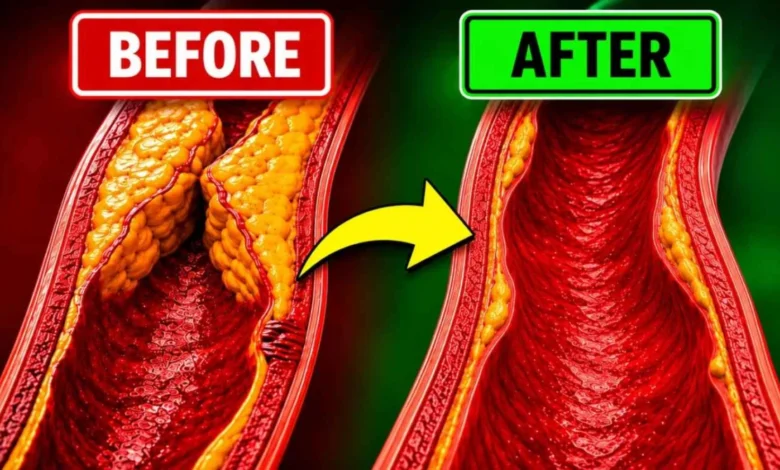
It is a common misconception that dietary changes can mechanically "unclog" arteries or dissolve established calcified plaque. In medical terms, atherosclerosis is a chronic inflammatory process. While certain fruits cannot reverse established blockages, they function by modulating the environment within the bloodstream. Key markers, such as flow-mediated dilation (FMD)—a measure of how well arteries widen in response to increased blood flow—and pulse wave velocity (a measure of arterial stiffness), serve as critical indicators of cardiovascular risk. When the endothelium, the delicate inner lining of the arteries, functions optimally, it produces nitric oxide, a signaling molecule that prevents vasoconstriction and inhibits the adhesion of inflammatory cells to the vessel walls.
1. Pomegranate: Impact on Structural Thickness
Among the fruits studied, pomegranate occupies a unique position due to its potential impact on the physical structure of the carotid artery. A notable study published in the journal Clinical Nutrition focused on patients with existing carotid artery stenosis—the narrowing of the arteries that supply blood to the brain. Participants who consumed 8 ounces of pomegranate juice daily demonstrated a measurable reduction in the thickness of the arterial wall over the course of the study, while the control group saw their condition continue to progress.
The polyphenols found in pomegranates are potent antioxidants that reduce the oxidative stress responsible for the oxidation of LDL cholesterol, a primary driver of plaque accumulation. However, clinicians caution that this study was limited in scale and duration. It serves as a promising indicator rather than definitive proof of reversal. Furthermore, patients must exercise caution: pomegranate juice can interfere with the metabolism of certain medications, including blood pressure stabilizers and statins, by inhibiting cytochrome P450 enzymes in the liver. Always consult a pharmacist before introducing concentrated pomegranate juice into a daily regimen.
2. Blueberries: Enhancing Nitric Oxide Production
Blueberries are frequently cited in nutritional science for their high concentration of anthocyanins, the pigments responsible for their deep blue-purple hue. These compounds have been consistently linked to the upregulation of nitric oxide production. By facilitating the relaxation of smooth muscle cells in the arterial walls, anthocyanins help maintain vessel elasticity and assist in lowering systemic blood pressure.
Long-term studies, including a six-month trial involving individuals with metabolic syndrome, have shown that daily consumption of approximately one-half to one cup of blueberries can lead to sustained improvements in FMD. Unlike juice, which often concentrates sugars and removes fiber, whole blueberries provide a matrix of nutrients that slow the absorption of glucose, making them a safer option for those managing insulin sensitivity or early-stage hypertension.
3. Grapes: Resveratrol and the Synergy of Flavonoids
The cardiovascular benefits of grapes, particularly red and purple varieties, are largely attributed to resveratrol and quercetin. Research published in the American Journal of Cardiology highlighted that grape polyphenol extracts can significantly improve FMD in adults already exhibiting signs of vascular inflammation.
Resveratrol functions by increasing the bioavailability of nitric oxide, while quercetin serves as an anti-inflammatory agent that protects the endothelium from oxidative damage. The standard recommendation for those seeking cardiovascular benefits is approximately one cup of fresh grapes daily. However, as with other high-sugar fruits, moderation is essential for individuals with blood sugar fluctuations. The current consensus among cardiologists is to prioritize the whole fruit over extracts or juices to ensure the consumption of the full profile of polyphenols alongside necessary dietary fiber.

4. Citrus: The Pith and Hesperidin
A common dietary error regarding citrus consumption is the systematic removal of the white, fibrous substance found beneath the peel, known as the albedo or pith. This membrane is the primary repository of hesperidin, a flavonoid that has been shown to improve endothelial function and reduce pulse wave velocity.
Clinical trials published in the American Journal of Clinical Nutrition indicate that regular consumption of hesperidin-rich citrus juice can lower systolic blood pressure in individuals with mild hypertension. Nevertheless, the modern health recommendation is to prioritize eating the whole orange or grapefruit. Consuming the pith ensures a slower release of natural sugars and provides the fiber necessary to mitigate the glycemic impact of the fruit. As with pomegranate, grapefruit must be approached with caution, as it contains furanocoumarins that inhibit enzymes necessary for clearing many common prescription medications from the bloodstream, leading to potentially dangerous spikes in drug levels.
5. Avocado: Modulating Cholesterol Composition
While often categorized as a vegetable in culinary contexts, the avocado is a fruit rich in monounsaturated fatty acids—the same heart-healthy fats found in extra-virgin olive oil. A study in the Journal of the American Heart Association examined the effect of avocado consumption on LDL cholesterol particles. The findings were significant: replacing saturated fats in the diet with the monounsaturated fats found in one whole avocado per day helped reduce the concentration of small, dense LDL particles.
These small, dense particles are particularly dangerous because they are more prone to penetrating the arterial wall and contributing to plaque development. By shifting the lipid profile toward larger, more buoyant LDL particles, avocados provide a protective effect. The "mistake" most consumers make, however, is adding avocado to an already high-fat or high-calorie diet. For maximum benefit, avocado should be used as a replacement for less healthy fats, such as butter or processed oils, rather than as an additional calorie source.
The Synergistic Effect of Dietary Variety
A emerging consensus in nutritional science suggests that the "synergistic effect" of combining various polyphenols is more potent than the sum of its parts. When the body receives a diverse array of flavonoids—anthocyanins from berries, hesperidin from citrus, and resveratrol from grapes—these compounds can interact to provide a more robust defense against vascular inflammation.
Researchers have observed that participants who rotated a variety of these fruits throughout the week experienced better endothelial markers than those who relied solely on one. This phenomenon suggests that the body benefits from a broad spectrum of antioxidant pathways being activated simultaneously. Consequently, the most effective dietary strategy is to avoid "fruit monotony" and instead aim for a diverse intake throughout the week.
Implications for Clinical Practice
It is essential to contextualize these findings within the broader framework of preventative medicine. Fruit consumption should be viewed as a pillar of a healthy lifestyle that includes regular exercise, the consumption of omega-3 fatty acids from sources like fish, and strict adherence to physician-prescribed medication.
The data presented here underscores that diet serves as a foundation for cardiovascular health, but it does not replace pharmacological intervention where necessary. Patients are strongly advised to coordinate with their healthcare providers before making significant changes to their diet, especially if they are currently taking medications for heart disease, high blood pressure, or cholesterol. The primary takeaway from contemporary research is that while we cannot "undo" decades of vascular damage overnight, the consistent integration of specific fruits can create a biochemical environment that slows the progression of disease and supports the long-term structural integrity of our arterial systems.
As the medical community continues to refine its understanding of the gut-heart axis and the bioavailability of phytonutrients, the advice remains clear: prioritize whole foods, embrace variety, and maintain open communication with medical professionals regarding the intersection of nutrition and medicine.
Related posts: