The postpartum period represents a significant physiological transition, characterized by profound structural shifts in the musculoskeletal system that often persist long after the delivery of a child. As the body begins its recovery, many individuals encounter functional challenges—ranging from persistent back pain to difficulty with fundamental movements like rising from bed or lifting a newborn. Clinical observations indicate that pregnancy fundamentally alters the mechanics of the core, which comprises the diaphragm, the pelvic floor, the abdominal wall, and the muscles surrounding the lumbar spine and hips. Reconnecting with these muscle groups requires a deliberate, methodical approach to physical rehabilitation, with Pilates emerging as a highly regarded methodology for safe, sustainable postpartum recovery.
The Physiological Context of Postpartum Recovery
During the gestational period, the body undergoes a series of biomechanical adaptations to accommodate fetal growth. The abdominal wall undergoes significant stretching, the center of gravity shifts anteriorly, and the pelvic floor is subjected to increased intra-abdominal pressure. According to recent data from the American College of Obstetricians and Gynecologists (ACOG), postpartum recovery is not a uniform experience; it is highly dependent on the nature of the delivery, the presence of complications such as C-section incisions, and individual pre-pregnancy fitness levels.
One of the most frequently discussed conditions is diastasis recti, a separation of the rectus abdominis muscles that occurs as the connective tissue, or linea alba, stretches to accommodate the uterus. While this condition is common, it is often misunderstood. Medical experts emphasize that the presence of a gap is not inherently indicative of injury or failure, but rather a functional change that necessitates careful retraining of the transverse abdominis and the pelvic floor. The objective of postnatal physical activity is not to achieve pre-pregnancy aesthetics, but to restore the synergy between the diaphragm and the abdominal muscles, ensuring the body can manage pressure and stabilize the spine during daily exertion.
A Chronology of Postnatal Physical Rehabilitation
The timeline for returning to exercise is governed by physiological healing rather than arbitrary benchmarks. In the immediate postnatal phase—typically the first six weeks—the focus remains on rest and healing. During this window, any form of exercise should be limited to gentle movement cleared by a primary healthcare provider.
Following the six-week postpartum checkup, many individuals are medically cleared for low-impact activity. However, the transition into more intensive training should be gradual. Experts suggest a phased approach:
- Weeks 0–6: Focus on rest, hydration, and gentle breathing exercises.
- Weeks 6–12: Introduction of foundational core stabilization, such as diaphragmatic breathing and pelvic tilts.
- Months 3–6: Gradual integration of resistance-based movements, provided there is no evidence of pelvic floor dysfunction or pain.
- Post-6 Months: Potential transition into more advanced core training, depending on clinical comfort and assessment.
Foundational Movements for Postpartum Stability
The efficacy of Pilates in the postpartum period lies in its emphasis on controlled, intentional movement. Unlike high-intensity interval training, which may place excessive strain on a weakened pelvic floor, Pilates-inspired exercises focus on "centering"—the engagement of the deep abdominal muscles to support the spine.
Diaphragmatic Breathing and Pelvic Awareness
The foundation of any rehabilitation program begins with the breath. Diaphragmatic breathing facilitates the connection between the thoracic diaphragm and the pelvic floor. By practicing slow, expansive breathing, the individual learns to manage internal pressure, which is critical for preventing the worsening of diastasis recti or pelvic floor dysfunction.
The Role of Stability Exercises
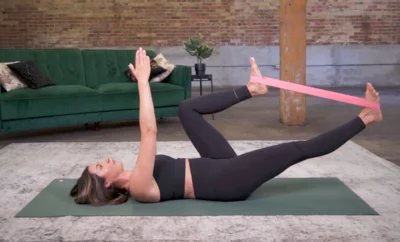
Once breathing is established, exercises such as heel slides and bent-knee fallouts serve as essential building blocks. Heel slides require the individual to maintain a neutral spine while one leg moves, effectively challenging the deep abdominal stabilizers to prevent the pelvis from tilting. Similarly, bent-knee fallouts introduce lateral stability, strengthening the muscles that support the hips and pelvis.
Gluteal and Hip Integration
The gluteal muscles are frequently overlooked in core recovery, yet they are vital for pelvic stability. Glute bridges are a standard movement used to strengthen the posterior chain. However, practitioners must be cautious; if an individual experiences pain near a C-section incision or symptoms of pelvic pressure, the movement should be modified or postponed under the guidance of a physical therapist.
Advanced Coordination: Modified Bird Dog and Clamshells
The modified bird dog exercise serves as an introduction to cross-body coordination. By reaching one arm or leg while maintaining a stable torso, the individual practices the functional stability required for daily tasks like carrying a child. Complementing this, side-lying clamshells target the gluteus medius, which is essential for gait stability and pelvic alignment.
Fact-Based Analysis of Postpartum Fitness Trends
In the broader fitness industry, there has been a notable shift away from "crunch-heavy" postpartum routines. Traditional abdominal exercises, such as standard sit-ups, may be counterproductive during the early stages of recovery, as they can exacerbate muscle separation if the pelvic floor is not effectively supporting the internal pressure.
Clinical physical therapists often highlight that the traditional focus on "getting back" to pre-pregnancy workouts can lead to injury. Instead, the focus should be on "building forward." This implies that exercises should be selected based on their ability to facilitate functional movement rather than aesthetic outcomes. Symptoms such as urine leakage, persistent abdominal bulging, or pelvic pain during or after exercise are clinical markers that the current level of intensity is inappropriate. When these symptoms appear, the most effective course of action is an evaluation by a pelvic floor physical therapist, a professional specifically trained to bridge the gap between obstetric care and return-to-sport protocols.
Broader Implications for Maternal Health
The long-term implications of consistent, gentle postnatal rehabilitation are significant. Beyond the immediate relief of back pain, these exercises foster improved postural awareness and systemic stability. By integrating Pilates principles into a postpartum routine, individuals are not merely exercising; they are participating in a systemic recalibration of their musculoskeletal health.
Furthermore, the psychological impact of regaining functional control over one’s body cannot be overstated. The ability to carry a child or move without pain contributes to increased self-efficacy during a period often marked by physical fatigue and high emotional demands.
Conclusion: A Sustainable Path Forward
The transition into parenthood is a major life event that demands patience and grace regarding physical recovery. There is no standard for how quickly one should "bounce back," and the most successful recovery strategies are those that prioritize consistency over intensity. Starting with five to ten minutes of intentional, controlled movement several times a week is a sustainable way to rebuild strength without overwhelming the body.
Ultimately, the measure of success in the postpartum period is not found in the performance of a specific exercise or the completion of a challenging routine. It is found in the gradual improvement of functional capacity—the ability to move through the world with strength, stability, and confidence. As with any medical recovery, individuals are encouraged to seek professional guidance, listen to the specific cues their body provides, and embrace a timeline that respects their unique physiological needs. By focusing on foundational core mechanics, postpartum individuals can ensure that their recovery is both effective and durable for the long term.
Related posts: