Neck and Shoulder Tension Relief: Understanding the Causes and Implementing Effective Therapeutic Yoga Strategies

Chronic neck and shoulder tension has emerged as a pervasive public health concern in the modern era, paralleling the rapid digitization of the workplace and the sedentary nature of contemporary life. As remote work, smartphone usage, and desk-bound roles continue to dominate the labor landscape, clinical reports of cervical and thoracic discomfort have surged. Medical researchers and orthopedic specialists increasingly point to the cumulative effects of "tech neck"—a condition characterized by the forward protrusion of the cervical spine—as a primary driver for the rise in musculoskeletal disorders. Addressing this discomfort requires a combination of ergonomic modification, physical therapy, and consistent, mindful movement, such as targeted yoga sequences designed to mobilize the upper body.
The Physiological Origins of Upper Body Tension
The human head typically weighs between 10 and 12 pounds. When a person adopts a neutral posture, the cervical spine efficiently supports this weight. However, research suggests that for every inch the head moves forward from this neutral alignment, the stress placed on the neck muscles increases exponentially. When an individual leans their head forward to look at a smartphone or laptop, the effective weight on the neck can reach 60 pounds. Over time, this mechanical load forces the muscles of the upper back, shoulders, and neck—specifically the trapezius, levator scapulae, and rhomboids—into a state of chronic hypertonicity.
Beyond mechanical strain, physiological stress plays a critical role in muscle retention. The body’s "fight or flight" response, often triggered by prolonged psychological stress, causes the shoulders to elevate toward the ears—a vestigial defense mechanism. When this stress becomes chronic, the muscles remain in a contracted state, leading to a reduction in local blood flow, the accumulation of metabolic waste products, and the development of trigger points. This creates a feedback loop where physical pain increases stress levels, which in turn exacerbates physical tension.

Chronology of Modern Ergonomic Decline
The evolution of these musculoskeletal issues can be traced through the shift in human activity patterns over the last three decades:
- 1990s–2000s: The introduction of desktop computing to the mainstream workforce shifted posture toward static, seated positions for 8–10 hours a day.
- 2010s: The widespread adoption of smartphones and mobile devices necessitated a downward gaze, accelerating the prevalence of "text neck" or "tech neck" across all age demographics.
- 2020–Present: The global transition to remote work environments often saw a decrease in ergonomic standards. Home-based workspaces frequently lack the adjustable chairs, external monitors, and proper desk heights required to maintain neutral spine alignment, leading to a reported spike in orthopedic consultations related to upper-body pain.
Clinical Perspective: Why Mindful Movement is Essential
Physical therapists and yoga practitioners often advocate for a multifaceted approach to treating this tension. Passive treatment, such as heat therapy or massage, provides temporary relief but does not address the underlying muscular imbalances or postural habits. Conversely, active recovery through yoga and targeted stretching works by retraining the nervous system and strengthening the stabilizing muscles.
Data from the National Center for Complementary and Integrative Health indicates that individuals who engage in regular, supervised stretching or yoga report a higher threshold for pain management and a greater sense of well-being compared to sedentary counterparts. The efficacy of these practices lies in their ability to stimulate the parasympathetic nervous system—the "rest and digest" branch—which actively counters the cortisol-driven tension associated with modern stress.
Therapeutic Strategies for Immediate and Long-Term Relief
To combat the symptoms of stiffness, professionals recommend a consistent routine of movement that addresses the kinetic chain of the upper body.
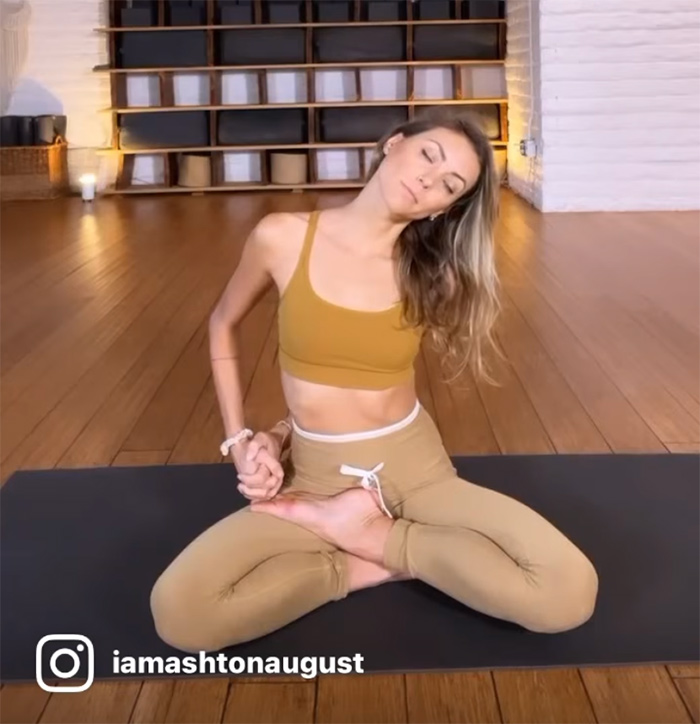
The Lateral Neck and Side Body Release
Tension often radiates from the neck into the lateral side body. By seating oneself firmly and allowing the ear to gravitate toward the shoulder, one can isolate the upper trapezius. Adding a bind—placing the opposite arm behind the back—intensifies the stretch by anchoring the scapula, preventing it from rising with the neck. This movement is essential for those who experience the "hunched" sensation after hours of typing.
Addressing the Thoracic Spine with Puppy Pose
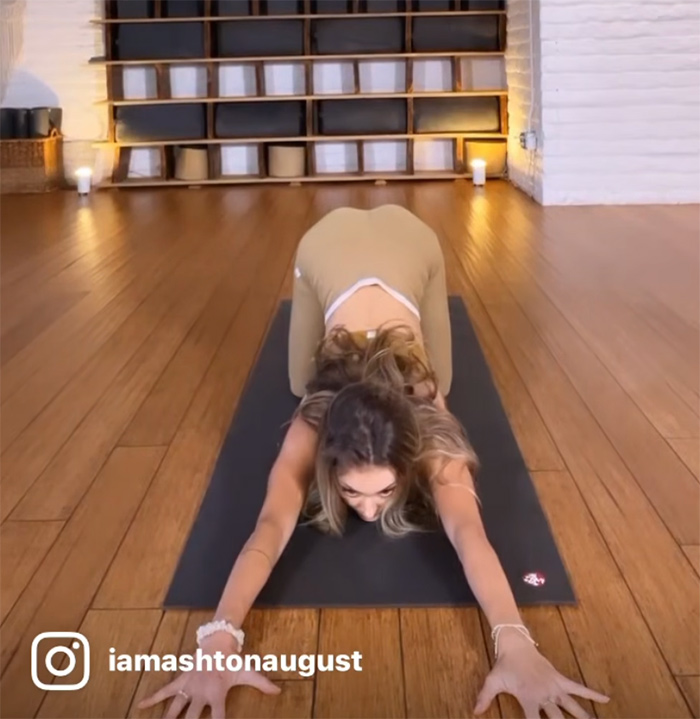
The thoracic spine, or the mid-to-upper back, is often the most neglected area during traditional exercise. Puppy Pose, which involves keeping the hips stacked over the knees while extending the arms forward, effectively opens the chest and lats. By tucking the chin, the practitioner creates a gentle traction effect on the cervical spine, counteracting the forward-leaning posture developed during screen time.
Rotational Mobility with Seal Pose Dips
Static stretching is only one half of the equation; rotational mobility is equally vital. The Seal Pose with shoulder dips encourages movement in the thoracic spine—the area of the back that becomes stiffest from lack of rotation. By lifting the chest and dipping one shoulder toward the floor, the individual engages the deep spinal stabilizers, promoting better range of motion and blood circulation to the tightest areas between the shoulder blades.
The Role of Consistency and Ergonomic Hygiene
The most significant hurdle to achieving relief is not the lack of effective exercises, but the lack of consistency. Musculoskeletal adaptations, such as rounded shoulders, are the result of thousands of hours of repetition. Consequently, these patterns cannot be reversed in a single session. Experts emphasize the "micro-break" strategy: taking five minutes every two hours to perform shoulder rolls, chest openers, or cervical stretches.
Furthermore, the integration of breathwork is a critical, often overlooked, component. Deep, diaphragmatic breathing signals the brain to lower the systemic stress response, which is a necessary precursor to muscle lengthening. Without the breath, the body may treat a stretch as a threat, triggering a protective contraction that prevents the muscles from releasing.
Broader Implications and Future Outlook
The persistent nature of neck and shoulder pain carries significant economic implications. Reduced productivity, increased absenteeism, and long-term healthcare costs associated with chronic pain management are substantial. As corporations and individuals alike recognize the importance of physical health in maintaining professional longevity, the adoption of "desk-friendly" movement protocols is becoming a standard recommendation.
While these stretches are highly effective for functional tension, they are not a substitute for medical evaluation. If pain is accompanied by numbness, tingling in the extremities, or sudden weakness, these may be indicators of nerve impingement or disc issues, which require diagnostic imaging and intervention by a licensed medical professional.
Ultimately, the path to relieving neck and shoulder tension lies in the intersection of awareness and action. By recognizing the mechanical and psychological triggers of the modern environment and implementing a structured, daily routine of mindful movement, individuals can effectively mitigate the physical toll of a desk-bound lifestyle. As with any wellness intervention, the most sustainable results are derived from a proactive approach—addressing the tension before it manifests as chronic injury. Through education and the regular application of these therapeutic techniques, the standard of physical comfort in a digital-first world can be significantly improved.