The culinary landscape of morning nutrition continues to evolve as consumers increasingly seek out plant-based meals that successfully bridge the gap between wholesome health and indulgent flavor profiles. A prominent recent addition to this trend is the vegan Sweet Potato Quinoa Breakfast Bowl, a warm and nutrient-dense dish that merges the comforting flavor profile of traditional sweet potato pie with the robust nutritional advantages of whole grains. Developed as a direct response to rising consumer demand for creative, fiber-rich vegan breakfast options, this recipe transforms humble pantry staples into a sophisticated morning meal that provides sustained energy without relying on refined sugars or heavy dairy ingredients.
Main Facts and Culinary Conception
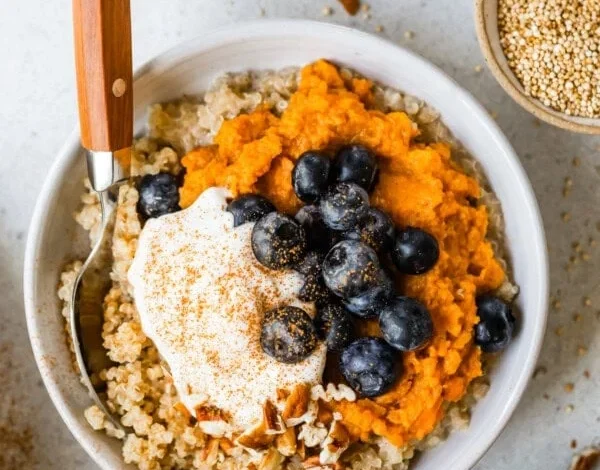
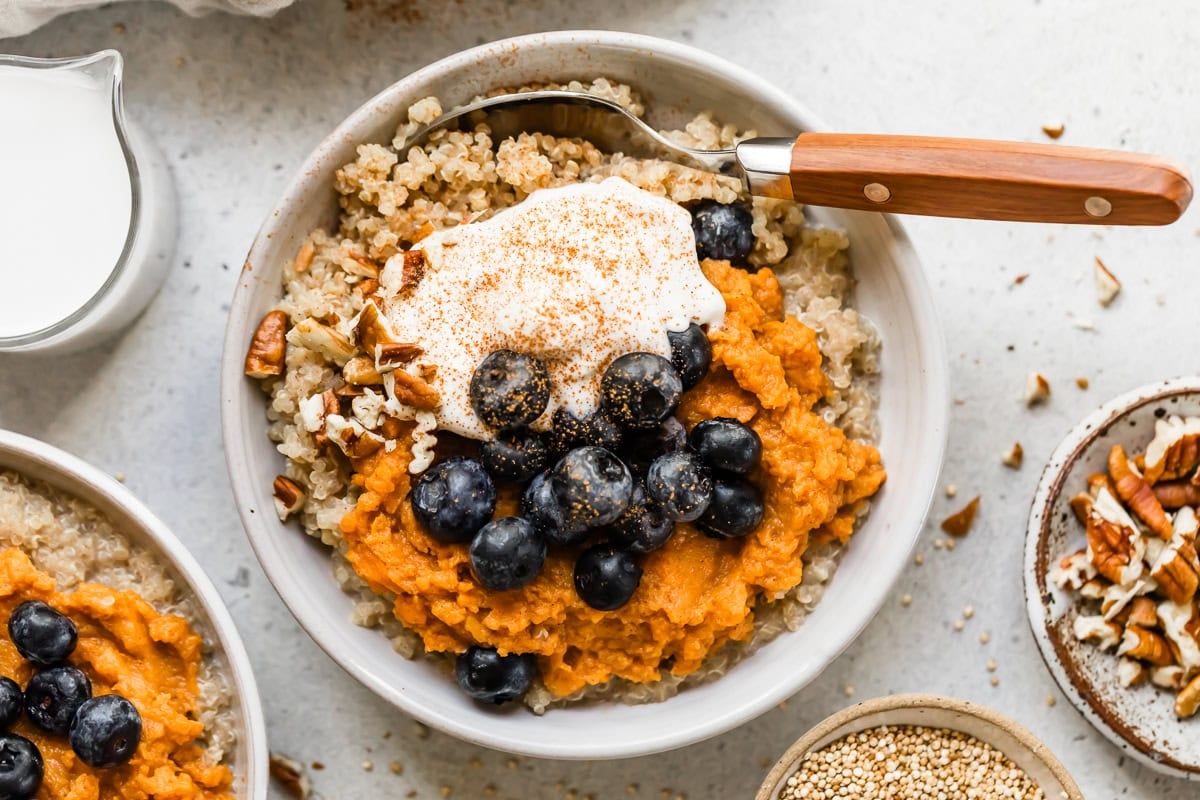
At its core, the Sweet Potato Quinoa Breakfast Bowl is constructed from a foundation of creamy coconut-infused quinoa, paired with roasted and gently spiced sweet potato, and elevated with thoughtful toppings such as fresh blueberries, crunchy pecans, and a dollop of dairy-free coconut whipped cream. Quinoa, celebrated globally for its complete amino acid profile and nutty flavor notes, serves as a versatile canvas that adapts seamlessly to sweet preparations. When simmered gently with coconut milk, a touch of vanilla extract, cinnamon, and brown sugar, the grain yields a velvety texture remarkably similar to traditional oatmeal, yet offers a significantly enhanced nutritional footprint characterized by higher levels of plant-based protein and dietary fiber.
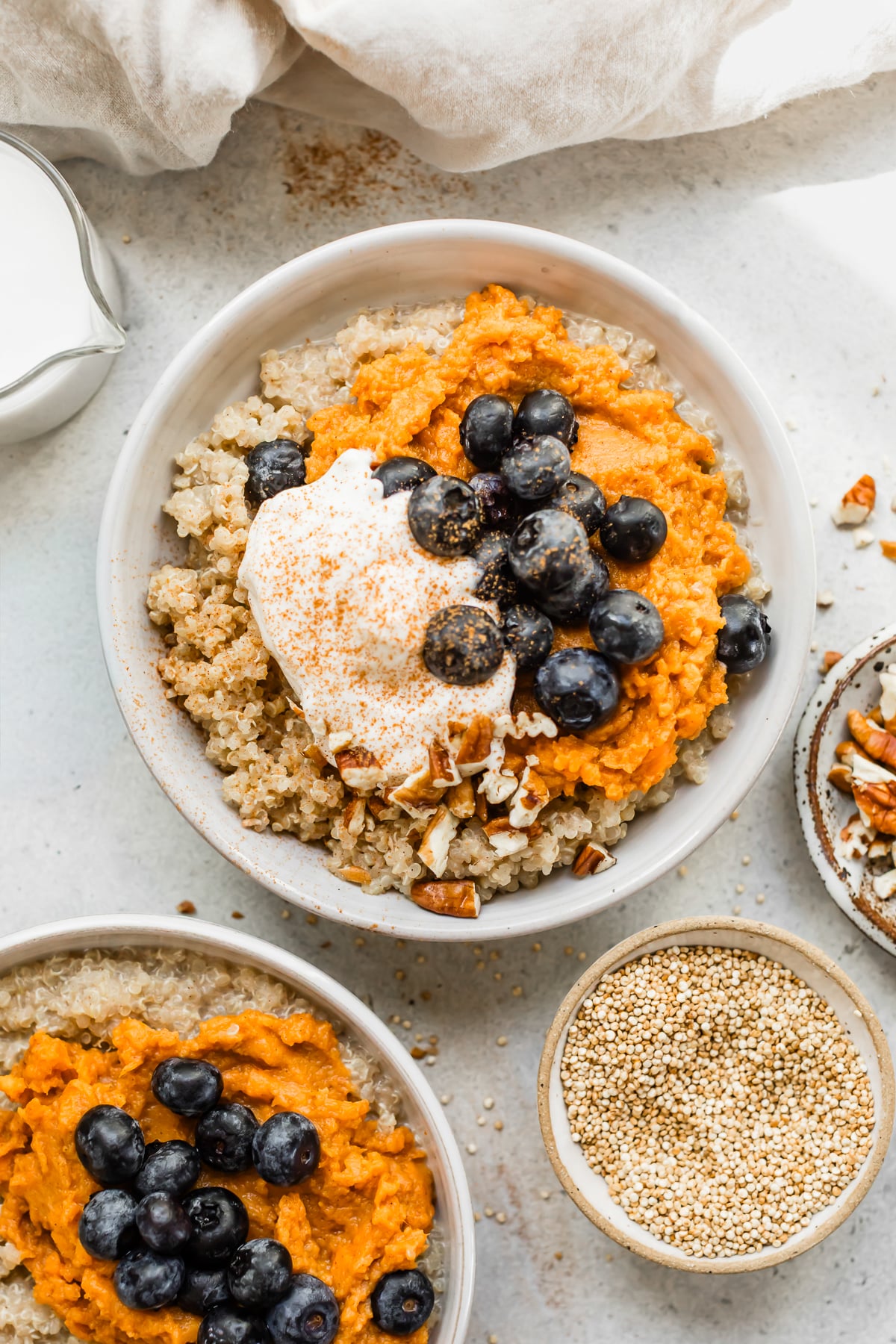
The integration of sweet potatoes introduces a vibrant source of beta-carotene, complex carbohydrates, and essential vitamins. When roasted until tender and lightly mashed, the natural sugars within the root vegetable caramelize, imparting a rich, dessert-like sweetness that anchors the entire dish. Balanced against the tart brightness of fresh blueberries and the earthy crunch of pecans, the bowl delivers a complex interplay of textures and temperatures that challenge the conventional monotony of morning routines.
Chronology and Development of the Recipe

The genesis of this specific breakfast bowl traces back to culinary travel observations from the previous year, during which the recipe’s creator encountered an unexpected sweet potato and grain combination at a regional eatery. Recognizing the widespread appeal of the flavor pairing—which mirrors the beloved American comfort food, sweet potato pie—the concept underwent several months of kitchen testing and refinement to optimize its nutritional profile, preparation efficiency, and accessibility for home cooks.
The preliminary phase focused heavily on standardizing ingredient ratios to ensure the quinoa achieved a creamy consistency without becoming overly dense. Researchers and recipe developers experimented with various liquid bases, ultimately selecting a combination of lighter coconut beverage paired with a shelf-stable coconut milk powder to reduce saturated fat content while preserving the signature tropical richness. Subsequently, testing shifted toward streamlining the cooking timeline. By establishing a make-ahead protocol that allows the roasted sweet potatoes and coconut quinoa to be stored separately for up to four days, the development team successfully transformed a complex, multi-step weekend recipe into a manageable option for weekday meal preparation.

Nutritional Data and Dietary Implications
From a nutritional standpoint, the Sweet Potato Quinoa Breakfast Bowl exemplifies the growing movement toward functional foods that support metabolic health and sustained satiety. According to standard dietary analysis for a single-serving portion, the dish yields approximately 400 kilocalories while delivering an impressive 9 grams of dietary fiber and 9 grams of protein. This macronutrient distribution plays a critical role in stabilizing blood glucose levels throughout the morning hours, mitigating the energy crashes frequently associated with refined carbohydrate breakfasts.
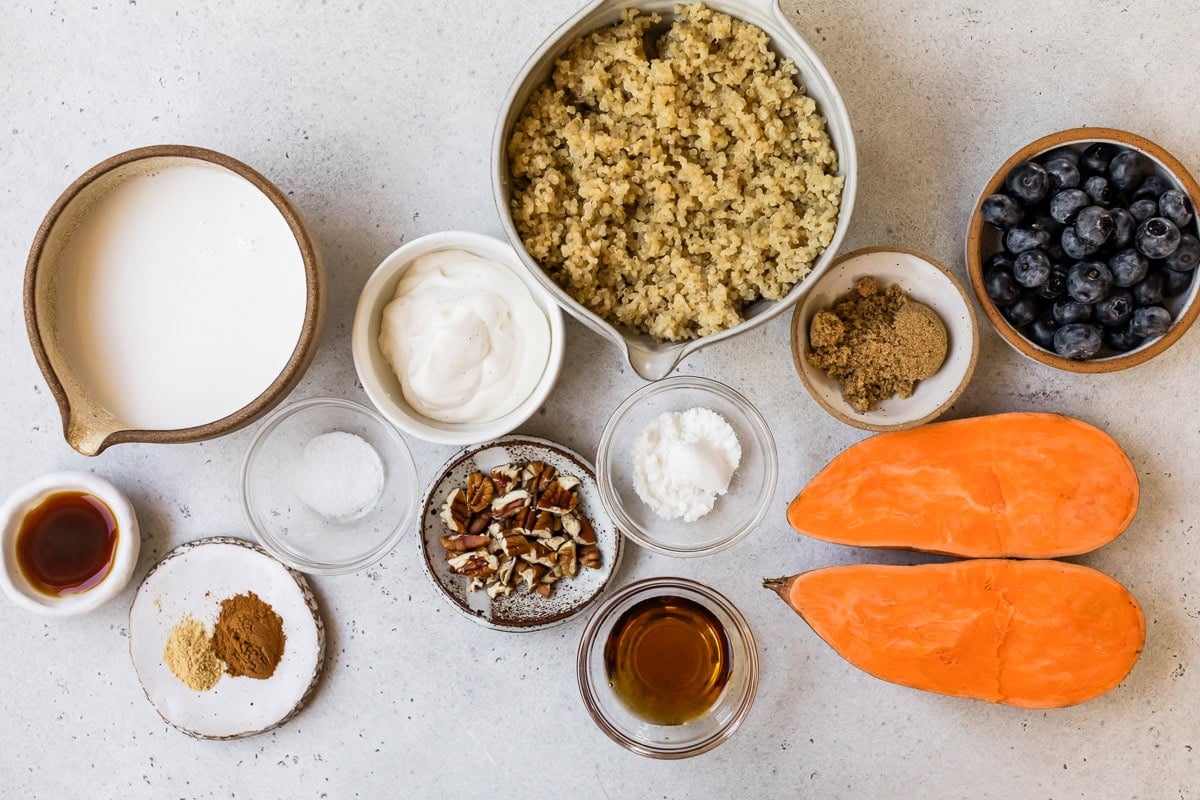
Furthermore, the lipid profile of the recipe remains modest, containing roughly 9.5 grams of total fat, of which only 4 grams are saturated, primarily derived from coconut sources. The inclusion of pecans introduces heart-healthy monounsaturated fats and essential micronutrients, including magnesium and antioxidants, while blueberries contribute powerful anthocyanins associated with cognitive and cardiovascular health. By relying entirely on plant-based components, the recipe accommodates a wide spectrum of dietary restrictions, including vegan, vegetarian, and lactose-free lifestyles, without necessitating compromise on taste or culinary satisfaction.
Broader Industry Impact and Consumer Trends

The introduction and popularization of nutrient-dense breakfast bowls reflect broader shifts in consumer dietary habits within the global food and wellness sector. Nutritional epidemiologists note a sustained upward trajectory in the consumption of plant-forward meals, driven by heightened consumer awareness regarding environmental sustainability, animal welfare, and personal longevity. Quinoa, which achieved global superfood status over the past decade, continues to find innovative applications outside of traditional lunch and dinner salads, cementing its status as a pantry staple for breakfast integration.
Moreover, the recipe underscores the growing economic and culinary significance of meal-prepping culture. As modern consumers navigate increasingly busy schedules, food media and recipe developers face intense pressure to provide solutions that balance gourmet appeal with operational efficiency. By emphasizing make-ahead components, portion control, and adaptable ingredient substitutions—such as swapping canned coconut milk for powdered alternatives or utilizing leftover baked sweet potatoes—this breakfast bowl aligns perfectly with contemporary demands for convenient, health-conscious home cooking.

As the market for elevated plant-based breakfasts expands, dishes like the Sweet Potato Quinoa Breakfast Bowl demonstrate that healthy morning nutrition can successfully merge ethical eating, functional health benefits, and sophisticated culinary design into a single accessible package.