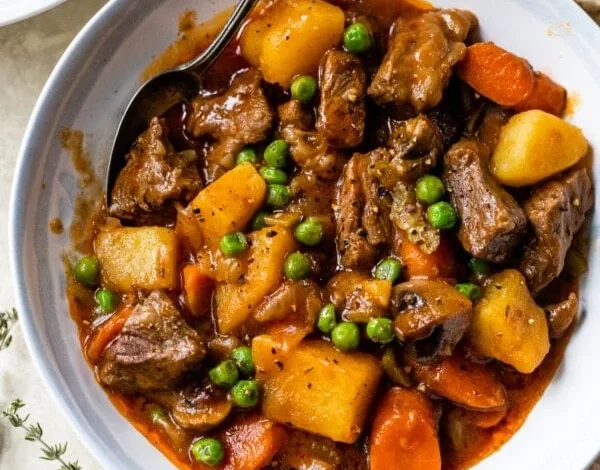
As temperatures drop across North America and households transition toward heartier, warming menus, culinary experts and home cooks alike turn to traditional comfort foods to combat the seasonal chill. Among the most enduring staples of cold-weather cuisine is the classic beef stew, a dish rooted in centuries of culinary history that continues to occupy a central place in modern home cooking. A recently popularized formulation of this timeless dish, developed by prominent recipe creator Gina of Skinnytaste, has gained widespread attention for balancing deep, savory flavors with a nutrient-dense profile designed for contemporary dietary preferences.
Culinary Background and Cultural Significance
The history of beef stew dates back to ancient civilizations, where tough cuts of meat and root vegetables were combined with liquid and subjected to prolonged, low-heat cooking to render them palatable. Historically, stewing was born out of necessity—a method to utilize inexpensive, connective-tissue-rich cuts of meat such as chuck roast, brisket, or round, which would otherwise be unchewable if cooked rapidly.
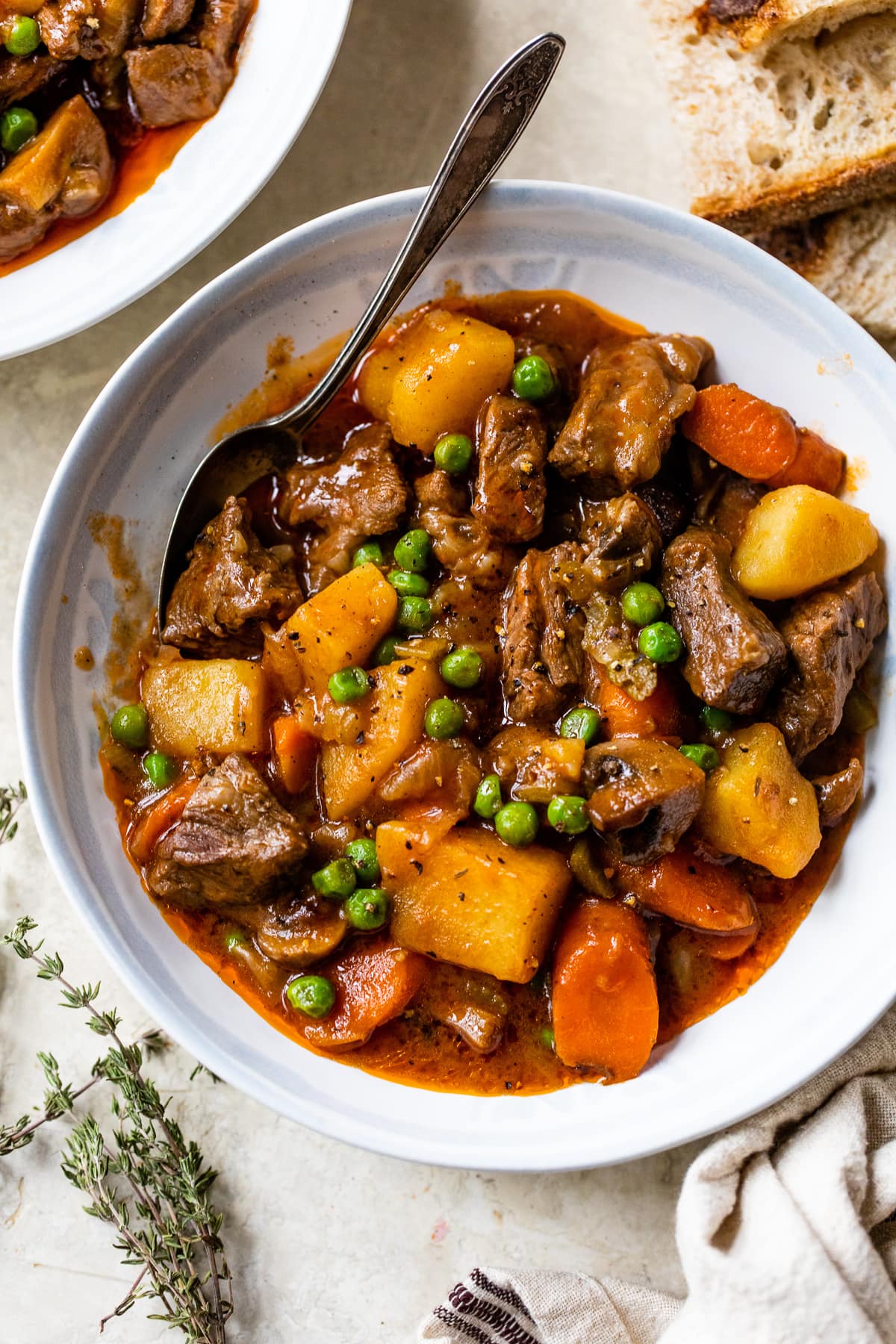
Over generations, the preparation evolved from simple rustic camp pots into a refined cornerstone of global comfort cuisine. Variations appear in nearly every culture, ranging from the French beef bourguignon to Irish Guinness stew, Latin American carne guisada, and Mexican bisteces a la mexicana. The appeal of these dishes lies in the chemical transformation that occurs during long simmers: collagen breaks down into gelatin, thickening the cooking liquid naturally while imparting a velvety mouthfeel, and starches from root vegetables meld into the broth to create a harmonious blend of flavors.
Anatomy of the Recipe: Ingredients and Nutritional Profile

The featured classic beef stew recipe relies on a precise balance of proteins, fresh produce, and aromatics. Designed to yield six servings—with each portion measuring approximately one and a half cups—the dish registers at 439 calories per serving, offering a substantial macronutrient breakdown that includes 40.5 grams of protein, 20.5 grams of carbohydrates, 22 grams of fat (9.5 grams of saturated fat), and 4 grams of dietary fiber.
The ingredient list emphasizes whole, unprocessed components:

- Protein: High-quality beef chuck roast, cut into uniform chunks, chosen specifically for its marbled fat content and rich flavor profile that withstands long cooking times.
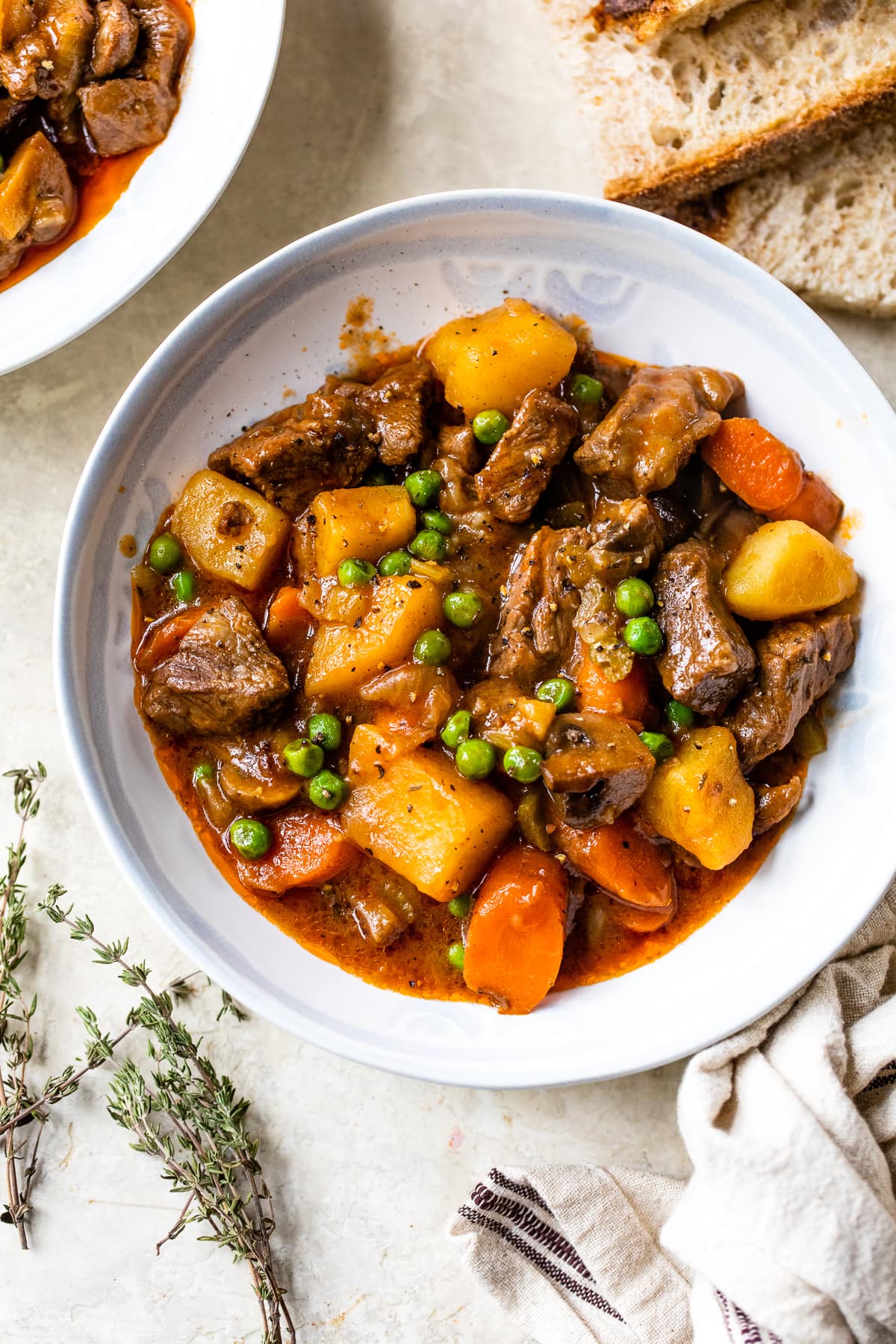
- Vegetables: Yukon Gold potatoes, which hold their shape well while lending a creamy texture; carrots and celery, forming the classic aromatic base known in French cuisine as a mirepoix; onions and mushrooms for earthy depth; and green peas added toward the end of the cooking process to maintain vibrant color and fresh sweetness.
- Thickeners and Liquids: A combination of beef broth and flour creates a robust, glossy gravy that coats the back of a spoon.
Step-by-Step Chronology and Preparation Methodology
Preparing a traditional beef stew requires patience and a structured sequence of culinary steps to build layers of flavor. The entire preparation and cooking process spans approximately three hours and five minutes, divided into 20 minutes of active preparation and two hours and forty-five minutes of simmering.

- Sauce and Base Preparation: The process begins by blending flour with liquids to create a smooth thickening agent that prevents lumps from forming when introduced to the hot pot.
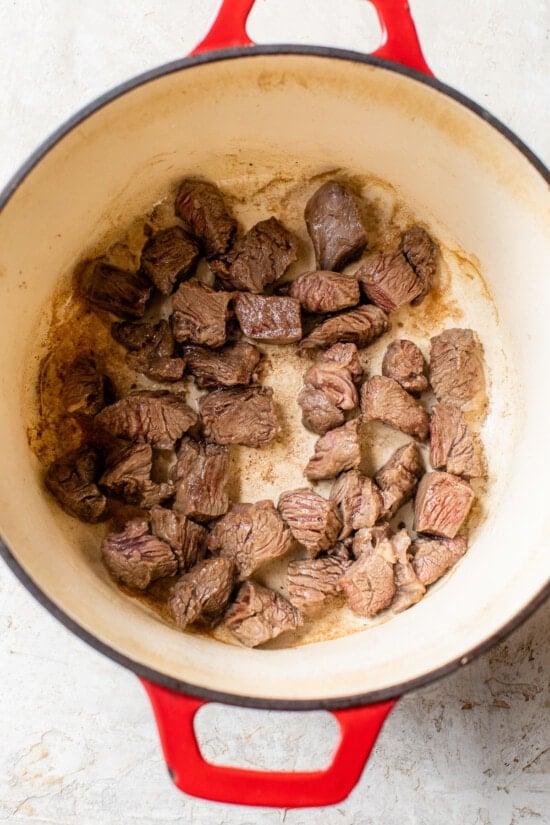
- Browning the Beef: Seasoned beef chunks are seared in a heavy-bottomed pot or Dutch oven over medium-high heat. This crucial step triggers the Maillard reaction—a chemical reaction between amino acids and reducing sugars that gives browned food its distinctive, savory flavor profile.
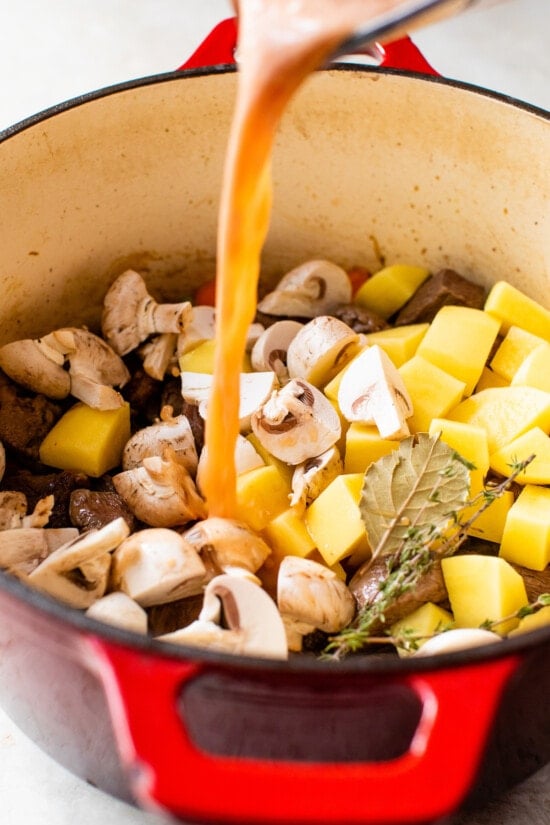
- Simmering and Vegetable Integration: Once the beef develops a rich crust, aromatics and harder root vegetables (carrots, potatoes, onions, celery, and mushrooms) are incorporated alongside the broth mixture. The pot is covered and left to simmer on low heat for the majority of the cooking time. Prolonged, gentle heat ensures that the tough collagen within the chuck roast melts completely, resulting in fork-tender meat.
- Final Adjustments: Peas and final seasonings are stirred in during the closing minutes of cooking, preserving their texture and bright coloration before serving.
Expert Culinary Tips and Troubleshooting
Home cooks frequently encounter challenges when preparing beef stew, most notably dealing with tough meat. According to culinary specialists, if beef remains unyielding after the standard cooking time, it is a definitive indicator that the connective tissue has not yet broken down. The remedy is straightforward: continue simmering the covered pot on low heat, checking the meat at 20-to-30-minute intervals until it achieves a fork-tender consistency.

Furthermore, culinary experts recommend selecting well-marbled chuck roast rather than ultra-lean cuts. Lean beef lacks sufficient internal fat and collagen, causing it to dry out and remain tough even after hours of braising.
For those seeking alternative cooking methods, adaptations for slow cookers and crock pots have surged in popularity, allowing ingredients to meld over an eight-hour workday with minimal active supervision. To enhance the flavor further, nutritionists and chefs frequently note that stews taste superior the following day, as refrigeration allows the complex savory notes—often referred to as umami—to fully permeate the potatoes, carrots, and beef.
Accompaniments and Broader Dietary Trends
While beef stew functions as a nutritionally complete, standalone meal, traditional dining customs often pair the dish with starch-heavy sides designed to absorb excess gravy. Popular pairings highlighted by culinary platforms include homemade sourdough bread, cheddar biscuits, or rustic dinner rolls.
The enduring popularity of classic beef stew aligns with broader consumer trends favoring home-cooked, high-protein meals during autumn and winter months. As inflation and shifting economic pressures prompt more consumers to dine at home, recipes utilizing budget-friendly, tougher cuts of meat have experienced a resurgence in digital searches and recipe book sales. Cookbooks and digital food platforms focusing on high-protein, comforting home cooking continue to see record engagement as home cooks seek reliable, scalable recipes that provide both nutritional value and psychological comfort during colder seasons.