The Emerging Scientific Inquiry into the Relationship Between Candida Albicans and Autism Spectrum Disorder

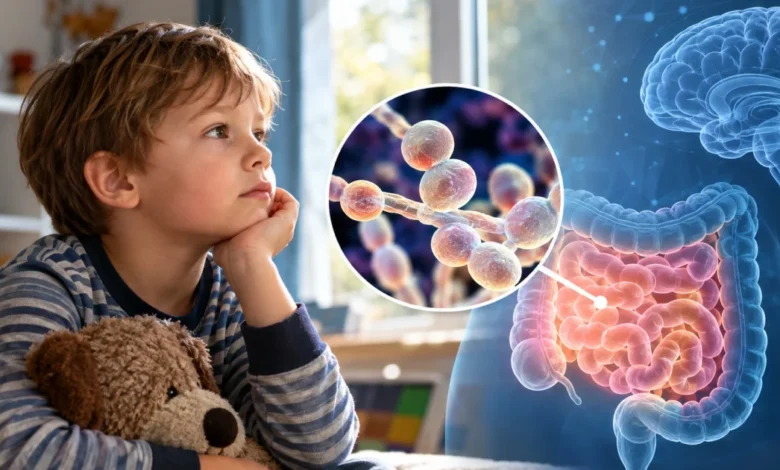
The human gut is home to a complex, thriving ecosystem of trillions of microorganisms, a collection collectively known as the microbiome. While scientific research has spent decades mapping the bacterial inhabitants of this "second brain," a new, more nuanced focus has emerged regarding the mycobiome—the fungal component of our internal landscape. Specifically, researchers are investigating a recurring, albeit preliminary, correlation between the presence of the yeast Candida albicans and children diagnosed with autism spectrum disorder (ASD). While initial data points to higher detection rates of this fungus in autistic populations, the scientific community emphasizes that this association is not synonymous with causation, and that the mechanisms behind these findings remain poorly understood.
The Foundation of the Clinical Association
The curiosity surrounding Candida and autism is not entirely new, but it has gained momentum following a series of global studies and a pivotal 2023 meta-analysis. For years, anecdotal reports and small-scale clinical observations suggested that gastrointestinal distress—a common comorbidity in children with ASD—might be linked to imbalances in gut flora.
The most cited figure in this discourse originated from an Egyptian study involving 83 children with autism. In this cohort, 68 participants, or 81.9%, tested positive for the presence of Candida albicans in their stool samples. This significant finding prompted further investigation, leading to a meta-analysis published in African Health Sciences. By pooling data from four separate studies involving a total of 254 children with ASD and 161 neurotypical controls, researchers calculated an odds ratio of 7.21. Statistically, this suggests that the children diagnosed with ASD were more than seven times as likely to harbor detectable levels of the yeast compared to their non-autistic peers.
Despite these dramatic statistics, experts are quick to caution against over-interpretation. "Association is not causation," remains the mantra of gastrointestinal researchers. Candida albicans is a commensal organism, meaning it naturally exists in the digestive tracts of many healthy individuals without triggering illness. The presence of the yeast does not inherently indicate a pathogenic state, nor does the data currently suggest that the yeast acts as a driver for the development of autism.
Chronology of Research and Emerging Trends
The timeline of this research reflects a growing shift in how scientists view the gut-brain axis. For most of the early 2000s, the primary focus of microbiome research in autism remained firmly on bacterial diversity. However, as longitudinal studies began to track children from infancy through childhood, the role of fungal populations became impossible to ignore.
In 2022, the Journal of Clinical Medicine published a study exploring the potential biochemical pathways through which yeast might influence neurological function. The researchers hypothesized that excess Candida could produce ammonia, which then interacts with propionic acid in the gut to create compounds structurally similar to gamma-aminobutyric acid (GABA). GABA is a critical inhibitory neurotransmitter, and its dysregulation is a known hallmark of various neurodevelopmental conditions, including ASD. While this provided a tantalizing potential mechanism, it remained a hypothesis rather than a proven clinical pathway.
By 2024, the scope of research had expanded. A study published in the journal Nutrients moved beyond simple detection, analyzing the interplay between bacterial and fungal communities in both autistic children and their non-autistic siblings. The study found that while bacterial diversity was altered, the presence of Candida albicans was notably more prevalent in the ASD group. This was followed in 2025 by a broader review in the Journal of Clinical Investigation, which reinforced the understanding of ASD as a condition rooted in a complex interplay of genetics—accounting for roughly 40% of heritable risk—and environmental factors, including maternal health and early-life immune system development.
The Complexity of the Gut-Brain Axis
To understand why Candida is currently under the microscope, one must look at the three primary channels of the gut-brain axis: the immune, neuronal, and endocrine/systemic pathways. The immune system is arguably the most sensitive to gut disruptions. When the integrity of the intestinal barrier is compromised—a condition often colloquially referred to as "leaky gut"—microbial products can translocate into the bloodstream, triggering systemic inflammation.
In children with ASD, studies have consistently documented differences in the gut microbial composition. Whether these differences are the result of dietary selectivity, antibiotic usage, or underlying immune system dysregulation is the central question of modern research. Many children with autism experience chronic constipation, abdominal pain, and diarrhea. These gastrointestinal symptoms can lead to a more restricted, less diverse diet, which in turn alters the substrate available for gut microbes to ferment. This cycle makes it incredibly difficult for researchers to determine if the presence of Candida is a primary factor in the disorder or a secondary effect of the child’s unique physiological and dietary circumstances.
Furthermore, the impact of antibiotics cannot be overlooked. Antibiotics are designed to kill bacteria; however, they do not discriminate between harmful and beneficial species. A reduction in the bacterial population can create an ecological vacuum, allowing opportunistic organisms like Candida to expand their territory. Given the frequency with which medical interventions are required for comorbidities in ASD, the role of medical history in shaping the microbiome is a significant confounding variable in these studies.
The Limitations of Current Data
A critical analysis of the available literature reveals significant limitations that prevent any clinical guidelines from being established. The primary issue is the heterogeneity of the ASD population. Autism is not a single, uniform condition; it is a spectrum with widely varying genetic profiles, behavioral manifestations, and systemic health needs. A study conducted in Tunisia may produce different microbial findings than a study in the United States or Japan, reflecting regional variations in diet, environmental exposure, and socioeconomic factors.
Additionally, the diagnostic methods used to identify Candida vary significantly between laboratories. Some studies rely on stool cultures, while others utilize DNA sequencing (metagenomics). These methods provide different insights into the "who" and "how many" of the fungal population, making direct comparisons between studies difficult. Until standardized testing protocols are adopted, researchers are effectively comparing disparate data sets.
Perhaps most importantly, there is currently no evidence that clinical interventions targeting Candida—such as antifungal medications, specialized diets, or probiotics—offer any efficacy in treating the core symptoms of autism. Medical professionals strongly discourage parents from attempting to manage autism through aggressive antifungal protocols without direct, evidence-based supervision, as these interventions can sometimes carry their own risks and side effects.
Broader Implications for Public Health
The prevalence of autism continues to rise, with the National Institute of Mental Health reporting that approximately 1 in 31 eight-year-old children in the United States were identified with ASD as of 2022. This statistic underscores the urgent need for a deeper understanding of the biological underpinnings of the disorder. While the Candida connection remains, for now, a "clue rather than an answer," it represents a necessary broadening of the scientific lens.
The move toward studying the mycobiome signifies a maturing field of research that acknowledges the human body as a complex, multi-kingdom ecosystem. Even if Candida proves to be a bystander rather than a driver of ASD, the study of these fungal populations provides valuable insights into how the gut-brain axis functions under conditions of chronic stress or immune dysregulation.
Looking ahead, the focus of the scientific community is shifting toward large-scale, longitudinal studies that track children from birth to identify the sequence of events that lead to specific gut signatures. By analyzing the interaction between genetic predisposition, early-life environmental stressors, and the evolution of the microbiome, researchers hope to eventually delineate the difference between correlations and causative agents.
For families and clinicians navigating the reality of an autism diagnosis, the current research serves as a reminder of the complexity of the human body. While the headlines regarding an 81.9% detection rate of Candida may seem striking, they represent a snapshot of a single cohort in a rapidly evolving, multifaceted field of study. As researchers continue to untangle the links between the gut and the brain, the focus must remain on high-quality, reproducible data that prioritizes the health and well-being of the individual, rather than jumping to premature conclusions about potential treatments. The mystery of the gut-brain axis is far from solved, but every piece of data—no matter how small or seemingly contradictory—brings the medical community one step closer to understanding the biological realities of those on the autism spectrum.
Disclaimer: This information is intended for educational purposes only and does not constitute medical advice, diagnosis, or treatment. Always seek the counsel of a qualified healthcare provider regarding any medical concerns or before making changes to a treatment or dietary regimen. This article was generated with the assistance of artificial intelligence and underwent rigorous review by a human editor to ensure accuracy and adherence to journalistic standards.