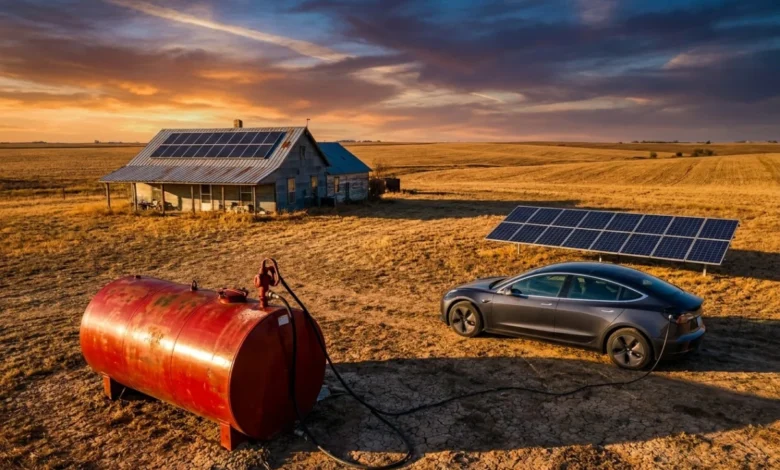
The energy landscape in the United States, particularly regarding the availability and cost of diesel fuel, has reached a critical juncture in Texas. As Governor Greg Abbott recently issued a statewide disaster declaration aimed at mitigating the tightening supply of diesel, the move has ignited a broader discussion regarding the fragility of national energy infrastructure. This declaration, which temporarily suspends specific tax and regulatory requirements associated with "red-dyed" diesel, represents a tactical response to a systemic failure in refining capacity and supply chain continuity. While the order provides immediate relief for agricultural and logistical operations, the underlying volatility of the diesel market has prompted a reassessment of personal and industrial energy strategies, including the increasing viability of electric vehicle (EV) adoption as a hedge against supply-side instability.
The Anatomy of the Diesel Crisis
The current diesel emergency is not a localized phenomenon but the culmination of several years of structural degradation within the energy sector. Historically, diesel fuel has served as the lifeblood of the global economy, powering the heavy machinery, agricultural equipment, and long-haul trucking fleets that ensure the delivery of essential goods. However, a confluence of factors—ranging from the geopolitical fallout of the Russia-Ukraine conflict to domestic refining capacity constraints—has placed unprecedented pressure on supply.
Global refining capacity has struggled to keep pace with demand, exacerbated by the long-term impact of regulatory shifts and the prioritization of alternative energy transitions. Furthermore, the volatility of the Gulf energy markets and the strategic importance of the Strait of Hormuz continue to serve as major bottlenecks. Analysts have noted that a disruption in the transit of crude oil through such critical maritime chokepoints could trigger a cascading failure in global energy distribution. Domestically, the depletion of the Strategic Petroleum Reserve (SPR) to its lowest levels since 1982 has limited the government’s ability to buffer the market against sudden price shocks.
Chronology of Regulatory Intervention
The Texas Governor’s emergency order functions primarily as a waiver of the "red-dye" regulations. Under normal circumstances, off-road diesel—used for farming, construction, and power generation—is dyed red to distinguish it from the fuel intended for public highways. This differentiation exists primarily for tax enforcement; on-road diesel is subject to significant federal and state excise taxes, while off-road diesel is exempt.
The suspension of these penalties allows operators of road-going vehicles to utilize agricultural diesel supplies without the risk of the substantial fines that typically accompany such usage, which can exceed $20,000 per violation. This measure is intended to prevent a total stoppage of commercial activity during periods of extreme scarcity. Historical context for such measures can be found in the 2021 Texas winter storm, where supply chain disruptions and grid instability forced many residents and agricultural producers to rely heavily on stored diesel for heating and emergency power. The current disaster declaration recognizes that rigid adherence to tax-related regulations during an active supply crisis can be detrimental to the public welfare and economic stability of the state.
Economic Implications and Market Volatility
Market data confirms the severity of the crisis. With national average diesel prices frequently hovering well above $6 per gallon, the economic burden on logistics providers is immense. This inflationary pressure is passed down the supply chain, affecting the cost of groceries, consumer goods, and industrial materials. The Texas Railroad Commission, in its support of Governor Abbott’s executive action, characterized the move as a common-sense step to expand access to more affordable fuel supplies. However, industry experts caution that while such measures may alleviate short-term symptoms, they do not resolve the root causes of the supply deficit.
The prospect of utilizing the Defense Production Act to incentivize or mandate increased refining capacity has been discussed in policy circles as a potential, albeit extreme, solution. Such a move would be unprecedented in its application to domestic refining, signaling the severity with which the current administration and state officials view the energy security landscape. The primary challenge remains that refineries operate on complex, long-term maintenance cycles and capital investment schedules; increasing production is not an overnight process, nor is it easily achieved in an environment of high regulatory uncertainty.
The Shift Toward Energy Independence
The precarious nature of the current diesel supply has led many individuals and enterprises to reconsider their dependence on centralized, just-in-time fuel delivery systems. The move toward personal energy independence—often characterized by on-site power generation and storage—has transitioned from a niche survivalist strategy to a pragmatic economic consideration.
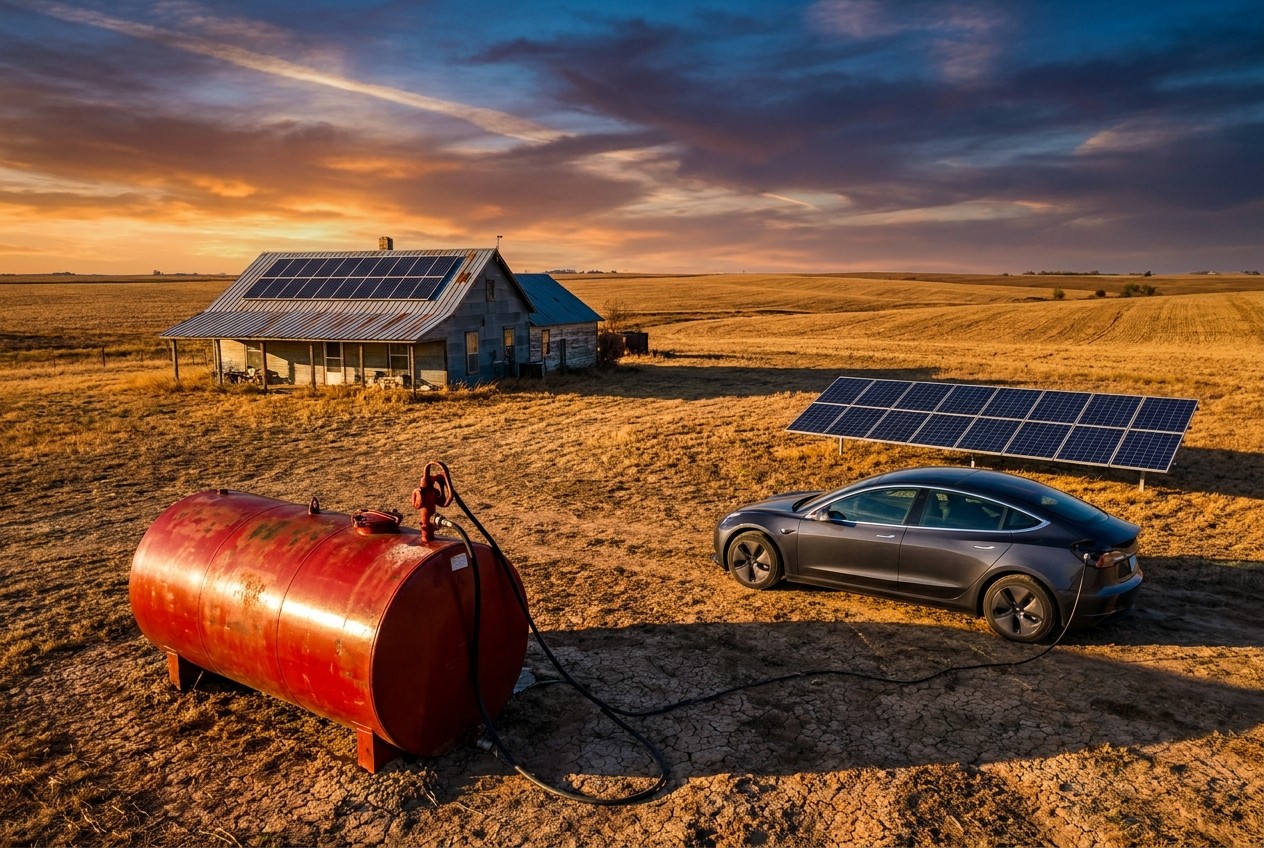
For residents in rural areas, the lesson of recent years is clear: when the grid is compromised and fuel supplies are restricted, the ability to generate and store power becomes a critical asset. This shift is not necessarily rooted in ideological stances regarding environmental policy, but rather in a calculated risk-management strategy. The adoption of electric vehicles, when paired with private solar arrays or battery storage systems, offers a pathway to decoupling from the volatility of international oil markets.
From a technical standpoint, the integration of solar power with electric vehicle charging infrastructure has reached a level of maturity that makes it a viable alternative for many users. By producing electricity on-site, a consumer can essentially bypass the retail fuel market, insulating themselves from both price spikes and physical shortages. This shift toward decentralized energy represents a significant evolution in how households and small businesses view their energy autonomy.
Enforcement and Long-Term Outlook
The emergency waiver of red-dye regulations creates a unique challenge for law enforcement. Once thousands of commercial vehicles begin operating on red-dyed fuel, the visual indicator that authorities rely upon to enforce tax compliance effectively becomes obsolete. This creates a "blind spot" that will persist long after the emergency order expires, as the physical residue of the dye in fuel systems will remain present for months. This reality underscores the limitations of the current tax regime; when a system relies on punitive fines to maintain revenue streams, a single emergency can effectively invalidate the entire enforcement mechanism.
Looking ahead, the energy sector faces a difficult path to stabilization. Even if geopolitical tensions in the Gulf subside and refinery outputs recover, the structural costs of energy are expected to remain elevated. The reliance on legacy fuel delivery systems, which are inherently vulnerable to regional disruptions, suggests that volatility will remain a permanent feature of the market.
Ultimately, the Texas diesel emergency serves as a case study for the risks inherent in a centralized, fossil-fuel-dependent infrastructure. While government interventions like the suspension of tax penalties offer temporary relief, the shift toward decentralized energy sources—such as localized solar, wind, and battery storage—is increasingly seen as the most effective hedge against future disruptions. As individuals and industries continue to prioritize energy resilience, the trend toward electric and alternative-powered transport will likely accelerate, not because of mandates, but as a necessary response to the reality of an increasingly unpredictable global energy market. The era of assuming that fuel will always be available at the pump at an affordable price appears to be concluding, forcing a transition toward models of consumption that prioritize control and self-reliance over simple convenience.